

 Переглянути в інтер'єрі
 Надіслати як листівку
 Поділитися
 Детальніше

 Завантажити
 Схожі експонати
 Рентгенівське дослідження
 Слайд-шоу
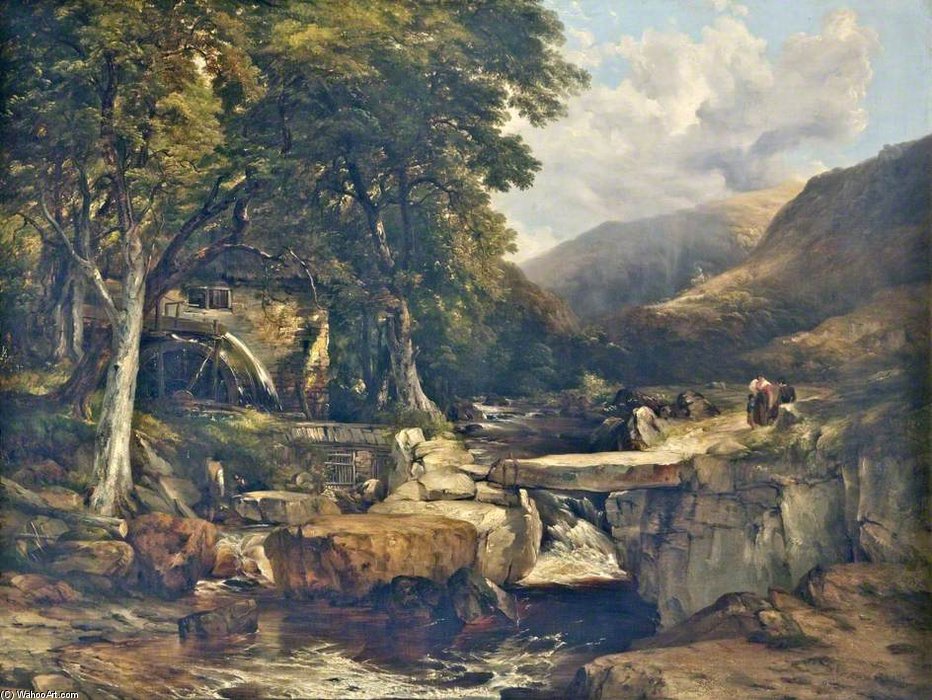
River Teign, Devonshire
 Читати далі
Гікле / Художній принт
Музейна якість друку جيкле або на полотні з оперативним виготовленням та різноманітними варіантами фінішної обробки. ( Замовити репродукцію ручної роботи Купити цифрове зображення)




































Обирайте з наших стандартних розмірів, що відповідають оригінальним пропорціям твору мистецтва.

Ви можете вказати власні розміри, щоб репродукція ідеально підійшла до конкретної рами або інтер'єру. Якщо обраний вами розмір не відповідає пропорціям оригіналу, ми або обріжемо полотно, або розширимо зображення за допомогою дзеркального відображення чи суцільної заливки країв. Перед початком виробництва вам буде надіслано цифровий макет для затвердження.
Будь ласка, зверніть увагу, що попередній перегляд на екрані не відображає фактичне обрізання або розширення. Тільки макет точно покаже фінальну композицію.
Хоча можливість замовлення індивідуальних розмірів доступна, ми рекомендуємо обирати формат із попередньо визначеного списку, щоб зберегти оригінальні пропорції.
Доставка по всьому світу () за 2 тижні замість стандартних 4/5 тижнів. (19 Серпень)

Безкоштовна експрес-доставка по всьому світу

Високоякісне лляне полотно

Повне страхове покриття доставки

Гарантія відшкодування митних зборів

Гарантія точного відтворення кольорів

Політика повернення протягом 60 днів (лише у разі виявлення дефектів)

Гарантія повернення 100% коштів

Пропозиція на оптові замовлення
 Скляний варіант доступний лише для розмірів до 110 см

River Teign, Devonshire
Гікле / Художній принт
Розмір репродукції
-


Підсумкова вартість
$ 62
Схожі твори мистецтва


Біографія митця
A Life Immersed in Landscape
Frederick Richard Lee, born in the coastal town of Barnstaple, Devon, in 1798, dedicated his life to capturing the serene beauty of the British countryside and beyond. His artistic journey spanned over six decades, a testament to both enduring passion and considerable skill. From humble beginnings, he ascended within the art world, becoming a respected member of the Royal Academy and leaving behind a legacy of idyllic landscapes that continue to resonate with audiences today. Lee’s early inclinations led him to London in 1818, where he enrolled as a student at the prestigious Royal Academy. This formal training provided a solid foundation for his developing talent, instilling technical proficiency and an understanding of composition that would characterize his future work. By 1834, Lee had begun establishing himself as a promising artist, earning recognition with paintings like “Bringing in the Stag,” now held in the Tate Gallery’s collection. This early success paved the way for his election as an Associate of the Royal Academy (A.R.A.) that same year—a significant milestone signifying acceptance within the established art community. Just four years later, in 1838, he achieved full membership, solidifying his position among Britain’s leading artists.Romantic Influences and Artistic Development
Lee's artistic style was deeply rooted in the Romantic movement, an era that celebrated emotion, imagination, and the sublime power of nature. He shared a particular affinity with the work of John Constable, whose masterful depictions of the English countryside profoundly influenced Lee’s own approach to landscape painting. Like Constable, Lee possessed a keen eye for detail and a remarkable ability to capture atmospheric effects, imbuing his scenes with tranquility and naturalism. His canvases often feature lush pastoral settings, populated by grazing cattle, rolling hills, and idyllic rural life—scenes that evoked a nostalgic longing for a simpler time. He meticulously studied Constable’s techniques, striving to emulate his masterful use of light and color, mirroring the artist's dedication to portraying the grandeur of the natural world with uncompromising realism. This influence extended beyond mere imitation; Lee internalized Constable’s philosophical stance on art—a belief that painting should serve as a conduit for conveying profound emotional truths about humanity’s relationship with nature.Notable Works and Collaborations
Lee’s artistic output encompassed a diverse range of subjects, reflecting his versatility and ambition. Among his most celebrated paintings are “Bringing in the Stag,” currently residing in the Tate Gallery’s collection—a monumental depiction showcasing Lee's mastery of scale and dramatic composition—and “Gillingham Mill,” which exemplifies his meticulous attention to detail and ability to capture subtle nuances of light and texture. Furthermore, Lee collaborated extensively with fellow artists Sir Edwin Landseer and Thomas Sidney Cooper, forging partnerships that enriched both artistic endeavors. These collaborations allowed Lee to explore new creative horizons while simultaneously bolstering the reputation of his colleagues—a testament to the spirit of camaraderie prevalent within Victorian art circles. Notably, he undertook a monumental project depicting “Rock of Gibraltar,” capturing the imposing majesty of this iconic landmark with breathtaking accuracy and conveying a sense of awe and grandeur. Similarly, Lee’s landscapes of Scotland—particularly “North Duffield Bridge”—demonstrate his profound understanding of topographical challenges and his ability to transform challenging terrain into visually compelling compositions.A Prolific Career and Later Years
Frederick Richard Lee was an exceptionally prolific artist, credited with over 300 paintings throughout his career. This remarkable output speaks to unwavering dedication to craft and ability to consistently produce high-quality work. His paintings were in high demand during his lifetime, reflecting broad appeal among Victorian audiences who appreciated romantic depictions of the British countryside. He continued to paint until his death in 1879 at Herman station in South Africa, where he had established a home after relocating there in 1865. Even in later years, Lee remained actively engaged with art world, becoming an honorary retired academician in 1871—a testament to enduring contributions to British art. His works are held in numerous public collections, including the Tate Gallery and Art UK, ensuring his vision of natural world will continue inspire generations.Legacy and Historical Significance
Frederick Richard Lee’s paintings stand as valuable visual records of 19th-century Britain, documenting rural life and scenery with remarkable detail and sensitivity. His work embodies core tenets of Romanticism—emphasis on emotion, imagination, beauty of nature—while reflecting growing interest in landscape painting during Victorian era. While perhaps not revolutionary as some contemporaries, Lee’s consistent output and popular appeal helped shape landscape painting tradition in England. He provided a bridge between earlier Romantic ideals of Constable and Turner and evolving artistic sensibilities of late 19th century. His ability to capture atmospheric light and detail, combined with skill depicting pastoral scenes, has ensured paintings remain popular among collectors and art enthusiasts alike. Lee’s legacy extends beyond individual works; he also played role in fostering collaboration within art world, evidenced by fruitful partnerships with Cooper and Landseer. Life and work serve as reminder of enduring power of landscape painting to evoke emotion, inspire contemplation, connect us to natural world.
Фредерик Ричард Ли
1798 - 1879 , Великобританія
Короткі факти
- Artistic Movement Or Style: Романтизм
- Artists Or Movements Influenced By This Artist: ['Лансерсер']
- Artists Who Influenced This Artist: ['Джон Констебл']
- Date Of Birth: 1798
- Date Of Death: 1879
- Full Name: Frederick Richard Lee
- Nationality: Британський
- Notable Artworks:
- Принесення оленя
- Милл Гіллінгем
- Скала Гертігера
- Place Of Birth: Barnstaple, Велика Британія

