
- Додому

- Репродукція картини олією
- Франтішек Купка
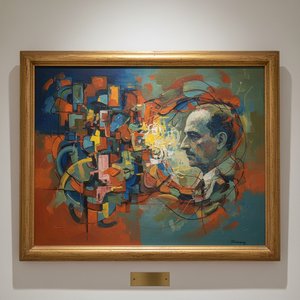
- Planes by Colors, Large Nude

 Замовити друк Купити цифрове зображення
 Надіслати
 Поділитися
 Details
 Додати до улюблених

 Завантажити
 Схожі вироби
 X-Ray
X-Ray
 Слайд-шоу
Planes by Colors, Large Nude
 Acrylic
- WallArt
- Abstract Expressionism
 1910
1910 150.0 x 181.0 cm
 Соломоново галерея
Олійная репродукція ручної роботи
Написана вручну олією на полотні у вашому розмірі та рамі, виготовлена на замовлення нашими художниками.




P118B $10

P118H $10

P118W $10

P438Z $10

P508JH $12

P508YH $12

P805H $10

P805Z $10

P919BZ $10

P919G $10

P919XJ $10

P959ZH $10

P968JZ $12

W106C $8

W218G $10

W218JH $8

W218Y $10

W307PJ $10

W316G $10

W316PJ $8

W316Y $10

W398PJ $8

W4111J $10

W500HY $15

W500JH $15

W692G $12

W849H $8

W940BG $15

W953PJ $8




 Читати далі
Обирайте з наших стандартних розмірів, що відповідають оригінальним пропорціям твору мистецтва.

Ви можете вказати власні розміри, щоб репродукція підійшла до конкретної рами або інтер'єру. Якщо вибраний вами розмір не відповідає пропорціям оригіналу, ми або обріжемо полотно, або доповнимо картину додатковими елементами, промальованими вручну. Цифровий макет буде надіслано вам на затвердження перед початком виробництва.
Зверніть увагу, що попередній перегляд на екрані не відображає фактичне обрізання або розширення зображення. Тільки макет точно покаже остаточну композицію.
Хоча ми можемо виготовити виріб у нестандартному розмірі, для збереження оригінальних пропорцій рекомендуємо обирати варіанти зі встановленого списку.
Після оформлення замовлення команда ArtsDot.com зв'яжеться з клієнтом електронною поштою для отримання інструкцій та надасть попередній макет
Доставка по всьому світу () за 3–4 тижні замість стандартних 5 тижнів. (1 Липень). Без жодних компромісів у якості.

Безкоштовна експрес-доставка по всьому світу

Високоякісне лляне полотно

Повне страхове покриття доставки

Гарантія відшкодування митних зборів

Гарантія точного відтворення кольорів

Політика повернення протягом 60 днів (лише у разі виявлення дефектів)

Гарантія повернення 100% коштів

Знижка на багатоелементні замовлення
 Скляний варіант доступний лише для розмірів до 110 см

Planes by Colors, Large Nude
Матеріал репродукції
Розмір репродукції
-


Підсумкова ціна
-
Опис твору
A Symphony of Color and Form: Planes by Colors, Large Nude – A Pioneering Vision
The painting “Planes by Colors, Large Nude” by František Kupka stands as a cornerstone in the evolution of abstract art, specifically Orphism and its subsequent influence on Abstract Expressionism. Executed around 1909, this monumental canvas (150 x 181 cm) transcends mere representation; it’s an invitation into Kupka's deeply felt exploration of color as a primary subject matter—a radical departure from the conventions of his formative years. Housed in the Solomon R. Guggenheim Museum, New York, the artwork continues to captivate viewers with its audacious palette and evocative composition.The Artist’s Intention: Beyond Aesthetic Decoration
František Kupka wasn't simply aiming for beauty; he sought to distill art down to its essence—the fundamental vibrations of color itself. Influenced by thinkers like Henri Bergson, Kupka believed that color possessed a spiritual dimension, capable of conveying emotions and ideas beyond the realm of visual perception. As he famously stated, “Color is the soul of painting.” This conviction drove him to reject traditional illusionistic techniques and instead prioritize the interplay of planes—geometric shapes imbued with vibrant hues—to depict his wife Eugénie reclining on a couch. The careful arrangement of purple, green, yellow, and blue tones doesn’t merely describe her form; it aims to reveal an inner landscape mirroring Kupka's own fascination with metaphysics.Echoes of Orphism and Fauvism: A Bold Artistic Rebellion
“Planes by Colors” firmly establishes Kupka within the broader artistic currents of his time—particularly Orphism and Fauvism. These movements championed color as an expressive force, liberating it from its subservient role in depicting reality. Kupka’s stylistic choices reflect this rebellion against academic tradition. He deliberately stripped color of its descriptive function, prioritizing instead its emotional impact. The tonal planes of Eugénie's body resonate with the principles of Fauvist painting, where artists like Matisse boldly utilized pure hues to convey mood and feeling. Simultaneously, Kupka draws inspiration from Orphism’s geometric abstraction—the fragmentation of forms into interlocking planes—creating a visual language that anticipates the groundbreaking innovations of Abstract Expressionism.Symbolic Resonance: Inner Form and Spiritual Exploration
The painting's symbolism extends beyond its immediate depiction of Eugénie. The artist’s intention was to capture not just what he saw but what he felt—a desire to access a deeper level of consciousness through sensory experience. Kupka believed that color could unlock hidden truths about the human psyche, mirroring his own spiritual convictions regarding transcendence and the interconnectedness of mind and matter. The luminous shades employed in portraying Eugénie’s torso and arms symbolize her inner vitality and resilience, reflecting Kupka's belief in the transformative power of art to illuminate the mysteries of existence.Legacy: A Bridge Between Movements
“Planes by Colors” represents a pivotal moment in artistic history—a decisive step away from representational painting toward the expressive freedom championed by Abstract Expressionism. Yet, its influence transcends stylistic boundaries, informing Neo-Figurative Art and demonstrating Kupka’s enduring contribution to the ongoing dialogue between art and spirituality. Its bold color palette and compositional dynamism continue to inspire artists today, reminding us that true artistic innovation lies in embracing unconventional approaches and prioritizing emotional resonance above all else.Схожі витвори мистецтва


Біографія митця
František Kupka: A Pioneer of Abstract Vision
František Kupka, a name now inextricably linked to the dawn of abstract art, was born in 1871 in Opočno, Bohemia – a landscape that would subtly shape his lifelong exploration of form and color. His artistic journey wasn’t a swift transformation but rather a gradual unfolding, deeply rooted in spiritual inquiry and an unwavering pursuit of visual truth. Initially immersed in the traditions of historical and patriotic painting during his studies at the Academy of Fine Arts in Prague and later Vienna, Kupka's early work possessed technical skill, yet lacked the distinctive voice that would soon define him. It was his relocation to Paris in 1894, however, that proved a pivotal catalyst, immersing him within a vibrant artistic milieu – an environment brimming with symbolism, Neo-Impressionism, and the burgeoning excitement of Fauvism – igniting within him a revolutionary creative spirit. This Parisian atmosphere wasn’t merely about formal training; it was a collision of intellectual currents, exposing Kupka to radical ideas that would fundamentally alter his approach to art.The Seeds of Abstraction: Influences and Spiritual Awakening
Kupka's artistic trajectory wasn’t solely driven by aesthetic considerations; it was profoundly shaped by philosophical and spiritual explorations. A significant turning point in his life occurred with his engagement with Theosophy, a mystical system that sought to synthesize Eastern religions and Western esotericism. This belief system posited an underlying unity to all existence – a concept of interconnectedness and hidden realities beyond the realm of ordinary perception. Kupka found resonance within this philosophy, believing it offered a pathway to accessing deeper truths through artistic expression. He began to perceive art not simply as a representation of the visible world but as a means of unlocking these concealed dimensions. This conviction led him away from depicting recognizable objects and towards a more subjective, internal exploration of visual experience – a deliberate rejection of conventional realism in favor of conveying inner states and spiritual concepts. Early experiments involved blurring the boundaries between figuration and abstraction, creating works like *The Beginning of Life*, where symbolic imagery intertwined with nascent geometric forms, hinting at the birth of new ideas and possibilities. Crucially, Kupka wasn’t operating in isolation; he was influenced by contemporary scientific theories concerning color and light, seeking to understand their psychological effects on the viewer – a fusion of spiritual inquiry and empirical observation that would become a defining characteristic of his work. He believed that color possessed an inherent power to evoke emotion and communicate meaning directly, bypassing the need for literal representation.The Emergence of Orphic Cubism: A New Visual Language
By the early 1910s, Kupka had embarked on a path that would ultimately lead him to become one of the pioneers of abstract art. His paintings from this period – works such as *Amorpha: Fugue in Two Colors* (1912) and *Around a Point* (1911-12) – stand as groundbreaking examples of non-representational art, challenging established notions of artistic representation and paving the way for future generations. He wasn’t simply dismantling form; rather, he was constructing a completely new visual language based on pure abstraction. This led to his association with Orphic Cubism (also known as Orphism), a movement spearheaded by Robert Delaunay that emphasized the dynamic interplay of color and light. However, Kupka's approach within this movement differed significantly from Delaunay’s; while both explored abstract forms, Kupka retained a discernible sense of underlying structure and rhythm – evoking musical compositions in his paintings – as evidenced by titles like “fugue” and “disks.” *Disks of Newton*, for instance, depicts circular forms that seem to vibrate with energy, suggesting the fundamental forces governing the universe. He wasn’t merely creating aesthetically pleasing arrangements; he was attempting to visualize underlying cosmic principles. This period also saw him experimenting with techniques inspired by pointillism, further refining his understanding of color and its expressive potential.Key Works and Lasting Contributions
Throughout his career, Kupka produced a remarkable body of work that continues to fascinate and inspire. *The Colored One* (1910) is a prime example of his early explorations into symbolic abstraction, while *Around a Point* (1911-12) showcases his growing mastery of pure geometric forms. His series of “Disks” – *Disks of Newton*, *Disks of Light*, and *Disks of the Sun* – represent a culmination of his research into color theory and its relationship to perception, demonstrating his belief that colors could be arranged to evoke specific emotional responses. Notably, Kupka’s work was recognized internationally during the 1936 “Cubism and Abstract Art” exhibition at the Museum of Modern Art in New York, solidifying his place as a key figure in the development of modern art. He played a vital role in establishing Abstraction-Création in 1931, an international group dedicated to promoting abstract art and fostering dialogue among artists exploring new forms of expression. Despite often being overshadowed by more prominent figures like Kandinsky or Mondrian, František Kupka’s pioneering spirit and unique visual language have secured his legacy as a crucial innovator – a visionary who dared to question the very nature of representation and unlock entirely new possibilities for artistic creation.Museum Collections Featuring Kupka's Art
Several museums around the world house significant collections of František Kupka’s work, offering visitors the opportunity to experience his art firsthand:- Solomon R. Guggenheim Museum (New York, United States)
- The Paris Museum of Modern Art (Paris, France)
- Galerie Manés (Prague, Czech Republic)

Франтішек Купка
1871 - 1957 , Чеська Республіка
Короткі факти
- Artistic Movement Or Style: Абстрактне мистецтво, Орфічний кубізм
- Artists Or Movements Influenced By This Artist: ['Теософія']
- Date Of Birth: 23 вересня 1871
- Date Of Death: 24 червня 1957
- Full Name: František Kupka
- Nationality: Чех
- Notable Artworks:
- Диски Ньютона
- Людина-круг
- Place Of Birth: Опочно, Чехія
Пов'язані статті

The Sublimity of Color: Exploring the Emotional Landscapes of Mark Rothko's Abstract Expressionism
Explore the profound emotional depth of Mark Rothko's abstract expressionism. Discover the history, techniques & lasting impact of this pivotal Color Field painter. Expert insights for collectors and art enthusiasts.

Jorge José Castillo Casalderrey: A Spanish Abstract Expressionist's Evolving Vision
Explore the captivating world of Jorge José Castillo Casalderrey, a leading Spanish Abstract Expressionist. Discover his unique style, market value & legacy. Expert insights for discerning collectors.

Morris Louis: Pioneering Color Field Painting & Abstract Expressionism's Legacy
Explore the groundbreaking abstract expressionism of Morris Louis, a pioneer of Color Field painting. Discover his innovative techniques, influential series & lasting legacy in post-war American art. Learn more at ArtsDot.

Jacob Kainen: A Pioneer of American Color Field Painting & Abstract Expressionism
Explore the life & work of Jacob Kainen, a pivotal figure in American Abstract Expressionism and Color Field painting. Discover his journey from Social Realism to vibrant abstraction and lasting influence on 20th-century art.

Gazmend Freitag: Contemporary Realism & Emotional Depth in Abstract Expressionist Veins
Explore the captivating contemporary realism of Gazmend Freitag, a Kosovo-born artist blending expressive figuration with Abstract Expressionist influences. Discover his evocative paintings and learn about investing in this rising star.

