
Dance

- 272.0 x 198.0 cm


Картина відповідає вашим виборам: , .
Опис експоната
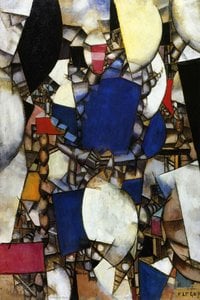
Experience Fernand Leger’s ‘Dance,’ a dynamic Cubist masterpiece! Bold geometric shapes & vibrant colors capture movement & emotion. A captivating abstract work, perfect for art collectors.
 Розгорнути текст
Біографія митця
Першопроходець тюбізму Фернан Леже зафіксував епоху машин. Відкрийте його сміливі ритмічні полотна вже сьогодні.
Замовте ваш у чотири прості кроки
Не поспішайте. Ви можете змінити будь-яку відповідь; ціна у вашій кошику буде оновлюватися відповідно до кожного вибору.
1 Перший крок із чотирьох
Який розмір ви бажаєте обрати?
Ці розміри зберігають пропорції оригінальної картини. На малюнку показано ваш вибір на стіні над двометровим диваном.
Або вкажіть власні розміри
Обирайте з наших стандартних розмірів, що відповідають оригінальним пропорціям твору мистецтва.

Введіть необхідну ширину та висоту, щоб картина підійшла до вашої рами або стіни. Оскільки це ручний розпис, для зміни пропорцій художник може дописати трохи більше по краях або дещо обрізати композицію — вибір за вами. Перед початком роботи ми надішлемо вам цифровий макет для затвердження. Зображення, показане на цій сторінці, не є реальним результатом — лише макет відображає майбутній вигляд.
2 Другий крок із чотирьох
Як його підготувати: у рулоні, на підрамнику чи в рамі?
Наведені нижче ціни вказані для розміру, обраного вами на першому кроці.
Оберіть тип країв натяжного полотна
Оберіть свою раму

Білий край ₴1

Розмитий край ₴1

З розширенням ₴1

P118B ₴10

P118H ₴10

P118W ₴10

P438Z ₴10

P508JH ₴12

P508YH ₴12

P805H ₴10

P805Z ₴10

P919BZ ₴10

P919G ₴10

P919XJ ₴10

P959ZH ₴10

P968JZ ₴12

W106C ₴8

W218G ₴10

W218JH ₴8

W218Y ₴10

W307PJ ₴10

W316G ₴10

W316PJ ₴8

W316Y ₴10

W398PJ ₴8

W4111J ₴10

W500HY ₴15

W500JH ₴15

W692G ₴12

W849H ₴8

W940BG ₴15

W953PJ ₴8

H24-GOLD ₴30

H24-SILVER ₴30

H36-GOLD ₴45

H36-SILVER ₴45
У рамі
Багет: . Загальний розмір із рамою: .
3 Третій крок із чотирьох
Бажаєте внести якісь зміни в картину?
Більшість людей відповідають «ні». Оскільки кожна картина створена вручну, наш художник також може адаптувати її для вас.
Після оформлення замовлення команда ArtsDot.com надішле клієнту електронний лист із запитом інструкцій та надасть попередній макет для перегляду
4 Четвертий крок із чотирьох
Кілька варіантів фінішного покриття
Усі вони є необов'язковими. Вибір уже вибраних варіантів не потребує додаткової оплати.
Хто автор?
Доставка по всьому світу () за 3–4 тижні замість стандартних 5 тижнів. (19 Листопад). Без жодних компромісів у якості.
Табличка, як у музеї?
Деталі гравірування на бронзовій табличці
This elegant plaque features the artist's name and the title of the artwork, finely engraved for a timeless presentation.
It is made from bronze with a refined, elegant finish. The text is precisely laser-engraved for a sharp and permanent result. Measuring 9x2 cm, the plaque is compact yet easy to read. It's built to be durable and scratch-resistant, offering a professional, museum-quality look. Mounting is simple thanks to the included adhesive backing.
Деталі прозорої акрилової таблички
The plaque includes essential engraved details such as the artist's name, the title of the artwork, the date it was created, the type of media used-like oil on canvas or watercolor-a brief description of the piece, and a QR code that links to the complete artwork information.
It is crafted from clear acrylic, offering a sleek, modern appearance. The text is UV-engraved in black to ensure strong visual contrast. With a size of 10x15 cm, it ensures optimal readability. It comes equipped with two metal hooks for secure wall mounting. The plaque is designed to be weather-resistant, making it suitable for various environments, and it includes interactive features that work seamlessly with smartphone scanning.
Деталі чорної акрилової таблички
This elegant plaque includes engraved information such as the artist's name, the title of the artwork, the date it was created, the type of media used (like oil on canvas or watercolor), a short description of the artwork, and a QR code for quick access to more information.
The plaque itself is made from refined black acrylic with a premium finish. The text is laser-engraved in white for high contrast and readability. Its size is 10x15 cm, designed to be easy to read. It comes with two metal hooks for professional mounting. The design is sleek and fits any interior style. It is also weather-resistant and durable, with built-in digital integration for mobile compatibility.
Захисний лак?
Коли вам це потрібно?
✓ Перевірити та замовити
Ваша картина, згідно із вашим замовленням

Dance
Матеріал репродукції
Розмір репродукції
-

Видатний майстер-художник
Більше деталізації, витонченості та додаткового часу на створення твору
-

Рама для репродукції
-
-
Для творів мистецтва або репродукцій, розмір яких перевищує 105 см (приблизно 41 дюйм) з будь-якого боку, рама доставляється у вигляді розібраного комплекту. Такий метод гарантує безпечну доставку та запобігає пошкодженням під час транспортування.
Потребує професійного збирання — це не продукт для самостійного виготовлення (DIY).
Комплект має бути зібраний, а полотно натягнуте досвідченим майстром багетних робіт із використанням клейового дерева (не входить у комплект), щипців для натягування полотна та затискачів, щоб підрамник залишався рівним під час висихання клею. Неправильне збирання або нерівномірне натягування полотна може призвести до незворотного пошкодження твору мистецтва, що не підпадає під дію нашої гарантії.
 Для творів мистецтва або репродукцій, розмір яких перевищує 105 см (приблизно 41 дюйм) з будь-якого боку, рама доставляється у вигляді розібраного комплекту. Такий метод гарантує безпечну доставку та запобігає пошкодженням під час транспортування.
У комплект входять усі бруски з цільного дерева, точно вирізані за розміром.
Збирається за допомогою гвинтів, що входять до комплекту, а також клейового розчину для кутових з'єднань, який не входить до комплекту і має бути підготовлений вашим майстром.
Потрібні професійні інструменти, які не входять до комплекту: щипці для натягування полотна (натягувач) та затискачі, щоб утримувати рейки рівно під час висихання клею.
Важливо:
Для з'єднання кутів потрібен клей для дерева, перекладини необхідно затиснути струбцинами до повного висихання клею, а для натягування полотна на зібрану раму знадобляться щипці для натягування полотна. Жоден із цих інструментів не входить до комплекту. Будь ласка, проконсультуйтеся з досвідченим майстром багетного оформлення перед замовленням рами такого розміру.

Етикетка експоната
-
-

Захисний лак
Глянцевий лак (підсилює яскравість кольорів, захищає від світла та вологи)
-

Персоналізувати мій витвір
Приклади можливих змін: заміна обличчя на фото клієнта; додавання домашньої тварини (наприклад, заміна кота на собаку); додавання прихованого повідомлення на фоні; зміна пейзажу або елементів фону.
-

Прискорено
Доставка по всьому світу () за 3–4 тижні замість стандартних 5 тижнів. (19 Листопад). Без компромісів у якості.
-
Експрес-доставка
Доставка по всьому світу () протягом 5 тижнів. (26 Листопад).
Включено в ціну
Підсумкова вартість
₴ 11844
Скляний варіант доступний лише для розмірів до 110 см
До кожного замовлення додається
- Безкоштовна експрес-доставка по всьому світу
- Високоякісне лляне полотно
- Повне страхове покриття доставки
- Гарантія повернення митних зборів
- Гарантія точного відтворення кольорів
- Політика повернення протягом 100 днів (лише у разі виявлення дефектів)
- Гарантія повернення 100% коштів
- Пропозиція на оптові замовлення


A Dynamic Interplay of Form: Exploring Fernand Léger’s “Dance”
“Dance,” a monumental work by Fernand Léger measuring 272 x 198 cm, is a captivating example of his distinctive Cubist-inspired style. This painting doesn't depict a literal dance as much as it *embodies* the energy and rhythm of movement through fragmented forms and bold geometric shapes. It’s a powerful statement on modernity, human interaction, and the very essence of performance.Stylistic Innovation: Beyond Traditional Cubism
While deeply rooted in the principles of Cubism, Léger's approach diverges from the more analytical phase pioneered by Picasso and Braque. Instead of breaking down objects into purely intellectual facets, Léger constructs his composition using simplified, often cylindrical or trapezoidal forms – a style sometimes referred to as “Tubism.” This emphasis on machine-like shapes reflects the artist’s fascination with the modern industrial world and its impact on human life. The flattened perspective and limited depth further contribute to the painting's dynamic quality, creating a sense of immediacy and visual compression. It leans heavily into Synthetic Cubism, building up forms through collage-like arrangements of color and shape.Technique & Materials: A Bold Application of Color
“Dance” is believed to be executed in oil paint on canvas. Léger’s technique involves layering colors in broad brushstrokes or flat planes, deliberately rejecting traditional methods that prioritized illusionistic representation. The result is a surface that feels both vibrant and structurally sound. The interplay of color – though specifics are unavailable without further research – likely contributes significantly to the work's emotional impact, creating visual tension and highlighting the fragmented forms. Shadows aren’t used for modeling but rather as integral elements defining the geometric planes.Historical Context: Léger & The Puteaux Group
Fernand Léger (1881-1955) was a pivotal figure in early 20th-century art, bridging Impressionism and the avant-garde movements that followed. Beginning his artistic journey with landscapes influenced by Impressionism – such as “Le Jardin de ma Mère” (My Mother’s Garden) from 1905 – he quickly embraced Cubism around 1910. He became associated with the *Puteaux Group*, a collective of artists exploring abstraction and machine aesthetics, solidifying his place at the forefront of artistic innovation. “Dance,” likely created during this period of experimentation, embodies Léger’s unique contribution to the development of modern art.Symbolism & Emotional Resonance
The subject matter – two figures engaged in an abstracted dance – is rich with symbolic potential. The dance itself can be interpreted as a metaphor for human interaction, collaboration, and the dynamic energy of life. The fragmented forms might represent the complexities of modern existence or the breakdown of traditional structures. While not overtly narrative, the painting evokes a sense of dynamism, rhythm, and perhaps even a touch of controlled chaos. It’s an artwork that prioritizes *feeling* over literal depiction, inviting viewers to engage with its abstract language on an emotional level.For Collectors & Designers
- A Statement Piece: “Dance” is a commanding work due to its size and bold aesthetic, making it a striking focal point in any collection or interior.
- Modernist Appeal: Its Cubist-inspired style aligns perfectly with modernist design principles – clean lines, geometric forms, and a focus on abstraction.
- Color Palette Versatility: The painting’s color scheme (details pending further research) likely offers versatility, complementing a range of interior palettes from neutral tones to bolder, more vibrant schemes.
- Investment Potential: Fernand Léger is a highly regarded artist with a strong market presence. A high-quality reproduction of “Dance” would be a valuable addition to any art collection.
Питання та відповіді
Який колір найбільш помітний у творі "Dance"?
Брудно-рожевий (#c4af77) — це провідний колір твору «Dance» роботи Фернан Леже.
До якого художнього напряму належить «Dance» роботи Фернан Леже?
«Dance» — це твір у стилі Cubism. Назва течії вказує на художню традицію, до якої належить цей твір.
Де я можу знайти твори мистецтва, схожі на «Dance» роботи Фернан Леже?
Сторінка Схожі твори для твору «Dance» роботи Фернан Леже містить схожі витвори мистецтва.
Більше про цю картину
 Переглянути в інтер'єрі
 Перейти до друку
 Надіслати як листівку
 Поділитися
 Деталі витвору
 Посібник

 Завантажити
 Схожі екземпляри
 Рентгенівське дослідження
 Слайд-шоу
 Питання та відповіді
 Статистика
Схожі твори мистецтва




Фернан Леже
1881 - 1955, Франція


Пов'язані статті

Тріумф Трьох Палітр: Емоційний Резонанс та Ідентичність у Виборі Мистецького Віддзеркалення
Дослідіть психологію мистецтва та зв'язок між вашими уподобаннями і особистістю. Відкрийте, як соціальний контекст та історія впливають на вибір творів. Експертні статті для поціновувачів!

Індустріальний Естетизм: 10 Шедеврів Мистецтва, Що Відображають Еру Машин та Металу | ArtsDot
Відкрийте для себе 10 шедеврів мистецтва, що передають дух індустріальної епохи! Дізнайтесь історії Моне, Піссаро та інших художників. Репродукції картин в стилі лофт – ідеальний декор для вашого дому від ArtsDot.

Deconstructing Reality: Cubism's Revolutionary Impact on 20th-Century Art
Explore the revolutionary world of Cubism with ArtsDot. Discover Picasso & Braque's groundbreaking techniques, its philosophical roots, and lasting impact on modern art. Expert insights for collectors.