


 Переглянути в інтер'єрі
 Надіслати
 Поділитися
 Деталі
 Посібник

 Завантажити
 Схожі предмети колекціонування
 Рентгенівське дослідження
 Слайд-шоу
 Статистика переглядів
Landscape
 Impressionism
 30.0 x 40.0 cm
 Canberra Museum and Gallery
 Читати далі
Гікле / Художній принт
Музейна якість друку جيкле або на полотні з оперативним виготовленням та різноманітними варіантами фінішної обробки. ( Купити картину ручної роботи Перейти до цифрових зображень)




































Обирайте з наших стандартних розмірів, що відповідають оригінальним пропорціям твору мистецтва.

Введіть необхідну ширину та висоту, щоб принт ідеально підійшов до вашої рами або стіни. Принт можна лише обрізати, але не можна зробити більшим за оригінал, тому при зміні пропорцій частина зображення буде втрачена. Перед друком ми надсилаємо вам цифровий макет для затвердження. Зображення на цій сторінці не відображає реальну обрізку — її можна побачити лише на макеті.
Доставка по всьому світу () за 2 тижні замість стандартних 4/5 тижнів. (23 Жовтень)

Безкоштовна експрес-доставка по всьому світу

Високоякісне лляне полотно

Повне страхове покриття доставки

Гарантія повернення митних зборів

Гарантія точного відтворення кольорів

Політика повернення протягом 100 днів (лише у разі виявлення дефектів)

Гарантія повернення 100% коштів

Знижка на оптові замовлення
 Скляний варіант доступний лише для розмірів до 110 см

Landscape
Гікле / Художній принт
Розмір репродукції
-


Загальна вартість
₴ 2787
Запитання та відповіді
Яка палітра та домінуючий колір визначають "Landscape"?
Колірна ідентичність «Landscape» Еліот Грюнер: палітра у стилі Earthy, де домінує Sap Green (#6c6553).
Яка сприймається яскравість твору «Landscape» Еліот Грюнер?
За рівнем сприйнятої яскравості, «Landscape» Еліот Грюнер є bright.
Чи є інформаційний лист про «Landscape» Еліот Грюнер для студентів?
Посібник до «Landscape» — це сторінка Посібник твору, що являє собою друковану інформаційну картку з зображенням витвору, його підписом, зазначенням авторства та ідентифікаційною таблицею (художник, дати, техніка, оригінальний розмір, колекція).
Схожі твори мистецтва


Біографія митця
Ранні роки та художні витоки
Еліот Лоріц Леганьє Грюнер, народився 16 грудня 1882 року в маленькому прибережному містечку Гісборн, Нова Зеландія, у родині, яка непомітно, але глибоко визначила траєкторію його творчого шляху. Його батько, Елліотт Грюнер, норвезький за походженням судовий виконавець, та мати ірландського походження, Мері Енн Бреннан, прищепили йому стійкість та особливий зв'язок із землею — саме ці риси згодом пронизуватимуть його сповнені емоцій пейзажі. Переїзд родини до Сіднея ще до того, як Еліоту виповнився рік, став вирішальним, зануривши його в середовище, де мистецтво починало розквітати. Навіть будучи дитиною, Грюнер виявляв природну схильність до малювання; цю пристрасть плекала мати, яка мудро організувала уроки у поважного Джуліана Аштона, коли хлопцеві було близько дванадцяти років. Однак життя підкинуло важкі випробування: смерть батька та старшого брата змусила Грюнера взяти на себе значну відповідальність уже у чотирнадцятирічному віці. Він пішов працювати, присвячуючи довгі години підтримці родини, проте, що вражає, продовжував малювати у вихідні дні, подаючи свої роботи на виставки Товариства художників у Сіднеї близько 1901 року — це стало свідченням його непохитної відданості справі.Формування імпресіоністичного бачення
Художній стиль Грюнера найлегше ідентифікувати як імпресіоністичний, хоча він еволюціонував з часом, вбираючи впливи різних джерел. Він володів дивовижною здатністю вловити миттєві ефекти світла та атмосфери австралійського пейзажу, наповнюючи свої полотна відчуттям спокою та поетичної краси. Підтримка, яку він отримав від колеги-художника Нормана Лінсі, відіграла ключову роль у формуванні його творчого напряму, зміцнивши його впевненість і вдосконаливши бачення. Трансформаційний період настав між 1923 та string 1925 роками, коли Грюнер вирушив у тривалу подорож до Європи. Цей досвід виявився надзвичайно впливовим, спонукаючи його спростити композиції та приділити більше уваги ритму та мазку. Конструктивна критика сера Вільяма Орпена в цей час була особливо вагомою, кинувши Грюнеру виклик удосконалити свою техніку та підхід. Повернувшись до Австралії, він знову повернувся до свого захоплення дослідженням світла, майстерно поєднуючи його з поглибленим відчуттям кольору та форми. Цей синтез породив картини, які були водночас технічно досконалими та емоційно резонансними, вловлюючи саму суть австралійського бушу з неперевершеною чутливістю.Визнання та великі досягнення
Талант Еліота Грюнера не залишився непоміченим, а його послідовний успіх на престижній премії Вінна (Wynne Prize) закріпив за ним місце провідної постаті в австралійському мистецтві. Він здійснив надзвичайне досягнення, вигравши цю нагороду сім разів — безпрецедентний успіх, який красномовно свідчить про якість та вплив його робіт. Серед його переможних полотен були «Ранкове світло» (1916), сяюче зображення сільської Нової Південної Уельсовості; «Весняний іній» (1919), що прославився майстерним відтворенням світла та атмосфему; та «Долина Твід» (1921). Художня галерея Нової Південної Уельсовості також замовила йому написання масштабного полотна «Долина Твід», хоча воно не вважається одним із його найбільш високо оцінених шедеврів. У 1927 році Грюнер провів успішну персональну виставку, що ще раз продемонструвало зростаюче визнання та попит на його мистецтво. Ці відзнаки були не просто визнанням технічної майстерності; вони представляли ширше цінування його здатності вловити дух австралійського пейзажу та викликати відчуття національної ідентичності.Пізні роки, спадщина та нев'януча привабливість
Попри свої мистецькі тріумфи, пізні роки Грюнера були позначені проблемами зі здоров'ям. Він страждав на хронічний нефрит, що зрештою призвело до його смерті вдома у Вейверлі 17 жовтня 1939 року. Його кремація відбулася за англіканським обрядом, залишивши по собі спадщину захопливих пейзажів, які продовжують чарувати глядачів і сьогодні. Еліота Грюнера пам'ятають як видатного австралійського пейзажиста, який володів надзвичайною здатністю передавати красу та спокій сільської Нової Південної Уельсовості з водночас делікатною чутливістю та майстерністю. Його стабільні перемоги на премії Вінна міцно утвердили його позицію в історії австралійського мистецтва, а нещодавнє визнання — як-от придбання його картини «Без назви (Суха дорога)» Музеєм і галереєю Канберри у 2014 році — підкреслює нев'янучу привабливість його творчості. Картини Грюнера — це не просто зображення місць; це емоційні вирази світла, атмосфери та почуттів, що глибоко відгукуються в серцях глядачів. Він стоїть як свідчення сили спостережливості, самовідданості та художнього бачення у вловлюванні суті ландшафту цілої нації.Ключові роботи та художні характеристики
- Імпресіоністична техніка: Візитівкою Грюнера було майстерне використання імпресіоністичних прийомів, зокрема його здатність фіксувати миттєві моменти світла та атмосфери.
- Фокус на пейзажі: Він зосереджувався переважно на австралійських ландшафтах, особливо на сільських районах Нової Південної Уельсовості, змальовуючи сцени ферм, полів та лісових масивів.
- Гармонія світла та кольору: Його картини характеризуються гармонійним поєднанням кольорів і делікатним відтворенням світла, що створює відчуття спокою та безтурботності.
- Визначні картини: До його найвідоміших робіт належать «Ранкове світло», «Весняний іній», «Долина Твід» та «Без назви (Суха дорога)».
- Вплив та спадщина: Творчість Грюнера продовжує надихати як художників, так і поціновувачів мистецтва, зміцнюючи його статус значущої постаті в історії австралійського мистецтва.
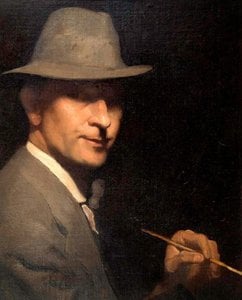
Еліот Грюнер
1882 - 1939 , Нова Зеландія
Довідкова інформація
- Artistic Movement Or Style: Імпресіонізм
- Artists Who Influenced This Artist:
- Джюліан Астон
- Норман Лайндсдей
- Вілліям Орпен
- Date Of Birth: 16 грудня 1882
- Date Of Death: 17 жовтня 1939
- Full Name: Elioth Lauritz Leganyer Gruner
- Nationality: Австралійський
- Notable Artworks:
- Ранок світла
- Весняний туман
- Долина Туї
- Place Of Birth (City And Country): Гісборн, Нова Зеландія
Схожі статті

Evocations of Place: A Historical Journey Through Landscape Art
Explore the rich history of landscape art with ArtsDot. Discover renowned artists, movements like Impressionism & Romanticism, and expert guidance for collecting timeless pieces. Find your perfect serene escape today!
Топ-10 шедеврів імпресіонізму: пейзажі, що змінили мистецтво | ArtsDot
Відкрийте для себе 10 шедеврів імпресіонізму, що змінили пейзажне мистецтво! Дізнайтесь історії Моне, Ренуара та інших майстрів. Купіть репродукції картин імпресіоністів преміум-якості на ArtsDot.com і додайте елегантності вашому інтер'єру. Дослідіть колекцію онлайн!

Топ-10 шедеврів романтичного пейзажу: мистецтво, що захоплює дух | ArtsDot
Відкрийте для себе 10 шедеврів романтичного пейзажу! Каспар Давид Фрідріх, Тернер та інші майстри. Історія мистецтва, емоційні кольори природи та ідеї декору з ArtsDot.com. Дослідіть колекцію онлайн!

Топ-25 шедеврів Джона Констебла: пейзажі Англії для вашого дому | ArtsDot
Відкрийте для себе 25 найкращих шедеврів Джона Констебла! Англійські пейзажі, романтизм та емоційне світло в живописі. Репродукції картин високої якості для вашого дому від ArtsDot.com. Дослідіть повну колекцію онлайн!

Топ-10 шедеврів імпресіонізму: пейзажі, що змінили світ мистецтва | ArtsDot
Відкрийте для себе 10 шедеврів імпресіонізму, що змінили пейзажне мистецтво! Дізнайтесь історії Моне, Ренуара та інших майстрів. Купіть репродукції картин високої якості на ArtsDot.com – музейне мистецтво для вашого дому.