

 Переглянути в інтер'єрі
 Надіслати як листівку
 Поділитися
 Деталі витвору
 Посібник

 Завантажити
 Схожі екземпляри
 Рентгенівське дослідження
 Слайд-шоу
 Питання та відповіді
 Статистика
corn hill

 Розгорнути текст
Мистецький твір, представлений на цій сторінці, захищений законом про авторське право, що унеможливлює легальне створення або продаж його ідентичної репродукції. Цей захист забезпечується відповідно до міжнародних угод, таких як Бернська конвенція та національним законодавством, зокрема положеннями, що викладені в Законодавство США про авторське право — Розділ 17. Всі права захищені. Будь-яке використання без дозволу заборонено.
Цей метод повністю відповідає нормам авторського права, оскільки він не передбачає копіювання чи дублювання захищеного твору мистецтва. Натомість це творче переосмислення — створення нового малюнка під впливом оригіналу, який не є його точним відтворенням.
Гікле / Художній принт
Друк جيкле або на полотні музейної якості з оперативним виготовленням та різноманітними варіантами фінішної обробки. ( Замовити картину ручної роботи Перейти до цифрових зображень)




P118B ₴10

P118H ₴10

P118W ₴10

P438Z ₴10

P508JH ₴12

P508YH ₴12

P805H ₴10

P805Z ₴10

P919BZ ₴10

P919G ₴10

P919XJ ₴10

P959ZH ₴10

P968JZ ₴12

W106C ₴8

W218G ₴10

W218JH ₴8

W218Y ₴10

W307PJ ₴10

W316G ₴10

W316PJ ₴8

W316Y ₴10

W398PJ ₴8

W4111J ₴10

W500HY ₴15

W500JH ₴15

W692G ₴12

W849H ₴8

W940BG ₴15

W953PJ ₴8




Обирайте з наших стандартних розмірів, що відповідають оригінальним пропорціям твору мистецтва.

Введіть необхідну ширину та висоту, щоб принт ідеально підійшов до вашої рами або стіни. Принт можна лише обрізати, але не можна зробити більшим за оригінал, тому при зміні пропорцій частина зображення буде втрачена. Перед друком ми надсилаємо вам цифровий макет для затвердження. Зображення на цій сторінці не відображає реальну обрізку — її можна побачити лише на макеті.
Доставка по всьому світу () за 2 тижні замість стандартних 4/5 тижнів. (14 Листопад)

Безкоштовна експрес-доставка по всьому світу

Високоякісне лляне полотно

Повне страхове покриття доставки

Гарантія повернення митних зборів

Гарантія точного відтворення кольорів

Політика повернення протягом 100 днів (лише у разі виявлення дефектів)

Гарантія повернення 100% коштів

Пропозиція на оптові замовлення
 Скляний варіант доступний лише для розмірів до 110 см

corn hill
Гікле / Художній принт
Розмір репродукції
-


Підсумкова вартість
₴ 2828
Corn Hill: A Study in Quietude and Rural Resonance
Edward Hopper’s “Corn Hill” (Truro, Cape Cod), painted circa 1952, isn't merely a depiction of a hillside landscape; it’s a masterful distillation of the American experience during the mid-century – a poignant meditation on solitude amidst the beauty of nature. This canvas captures a moment frozen in time, radiating an understated elegance that speaks volumes about Hopper’s artistic vision.
- Subject Matter: The painting portrays a gently sloping hill dotted with modest houses, bathed in diffused sunlight. A dirt road winds its way across the scene, guiding the viewer's gaze towards distant dwellings and hinting at human activity beyond the immediate vista.
- Style & Technique: Hopper’s signature style—characterized by sharp delineation of forms and a deliberate use of light—is evident throughout “Corn Hill.” The artist employs meticulous realism to render textures – from the rough earth of the hill to the weathered shingles of the houses – creating an immersive visual experience.
- Historical Context: Painted during Hopper’s prolific period, "Corn Hill" reflects the broader cultural anxieties of its time. Following World War II, American society grappled with questions of identity and displacement, themes subtly explored in Hopper's oeuvre. The painting embodies a sense of quiet contemplation—a reaction to the rapid pace of urbanization and industrialization.
Symbolism: Light, Shadow, and Emotional Distance
Hopper’s masterful manipulation of light is paramount to understanding “Corn Hill.” The dominant illumination casts long shadows across the hillside, emphasizing the isolation of the figures present. This interplay of light and darkness isn't merely aesthetic; it symbolizes emotional distance—the unspoken anxieties and uncertainties that permeate modern life. The solitary woman seated on the porch embodies a yearning for connection while simultaneously acknowledging the limitations imposed by circumstance.
Color Palette & Composition: Harmony Amidst Minimalism
The color palette is restrained, dominated by earthy tones – browns, greens, and muted yellows—that harmonize seamlessly with the natural environment. Hopper’s compositional choices contribute to the painting's overall mood of serenity. The placement of the figures and the road creates a visual rhythm that draws the eye inward, prompting reflection on themes of domesticity and contemplation.
Emotional Impact & Legacy
"Corn Hill" resonates deeply with viewers because it confronts us with uncomfortable truths about human experience—the pervasive feeling of loneliness despite being surrounded by others. Hopper’s ability to convey emotion through subtle visual cues elevates the painting beyond mere representation, transforming it into a timeless portrait of American consciousness. It remains an enduring testament to his artistic genius and continues to inspire artists and collectors alike.
Питання та відповіді
Чи не захищений твір "corn hill" авторським правом?
Статус авторського права для «corn hill» роботи Едвард Гоппер: цей твір є все ще перебуває під захистом авторського права. Це визначає, чи можна вільно створювати репродукції зображення.
Як мені завантажити зображення «corn hill» роботи Едвард Гоппер?
Цифрове зображення твору «corn hill» роботи Едвард Гоппер доступне для завантаження на сторінці Завантажити цифрове зображення: завантаження цифрового зображення високої роздільної здатності.
Яка яскравість у «corn hill» роботи Едвард Гоппер?
Кольори твору "corn hill" мають рівень яскравості Bright Balance.
Схожі твори мистецтва


Біографія митця
Тиша американського пейзажу
Едвард Гоппер народився в Аппер-Няк, Сполучені Штати Америки. Його ранні роки минули у спостереженні за світом пильним поглядом — ця звичка зародилася ще в дитинстві з ретельно датованих та підписаних ескізів. Хоча батьки пропонували йому практичний шлях у комерційній ілюстрації, його пристрасть залишалася незмінною — образотворче мистецтво. Він навчався в Нью-Йоркській школі мистецтв під керівництвом Вільяма Меррітта Чейза та Роберта Генрі. Ці роки прищепили йому технічну майстерність, необхідну для того, щоб зображати світ без прикрас і чесно. Він не намагався відтворити миттєві мазки імпресіоністів, з якими стикнувся в Парижі. Натомість він виробив свій особливий спосіб бачення, де спокій моменту важив більше за рух натовпу.
Його творчість часто зосереджена на буденності. Він дивився на будинки, закусочні, офіси та готельні номери. Він відкидав зайві деталі, щоб віднайти приховану емоційну істину сцени. У картині Будинок біля залізниці (1925) проста композиція розкриває відчуття таємниці та ізоляції. Він використовував світло і тінь не просто для опису приміщення, а для створення настрою. Точне відтворення тіні на стіні або те, як світло падає на вікно, стало його способом передачі психологічного стану своїх героїв.
Світло та міський інтер'єр
Те, як світло проникає в простір, є центральним персонажем його полотен. У картині Нічні яструби (1942) різке люмінесцентне світло нічної закусочної розрізає темряву покинутої міської вулиці. Фігури всередині перебувають фізично близько, але здаються загубленими у власних думках, відірваними одна від одної. Це відчуття анонімності у переповненому місті стало повторюваною темою. Він вловив напругу перебування наодинці в публічному місці — відчуття, що резонує в таких роботах, як Автомат та Офіс у маленькому місті. Його цікавило те, як штучне світло взаємодіє з природною темрявою ночі.
Його дружина, Джозефіна Нівісон Гоппер, була невід'ємною частиною його життя. Вона була художницею і часто слугувала його моделлю. Її присутність відчувається в образах багатьох його жіночих персонажів. Разом вони вели скромне життя, часто проводячи літо в Новій Англії, що вплинуло на пейзажі, які він писав. Його зображення американського ландшафту, як сільського, так і міського, часто підкреслюють певну суворість або порожнечу. Чи то придорожня заправка в Паливі (1940), чи тиха кімната в готелі — предметом завжди є перетин фізичного місця та приватного внутрішнього досвіду.
Спадщина спостереження
Вплив Гоппера поширюється на візуальну мову кіно та літератури. Його здатність створювати відчуття психологічної напруги через композицію була відзначена багатьма дослідниками того, як історії розповідаються через образи. Його картини зберігаються у провідних музеях світу, зокрема в таких колекціях, як Музей американського мистецтва Уітні та Музей образотворчих мистецтв у Бостоні. Він не прагнув створювати грандіозні історичні наративи. Він знаходив свій предмет у тихих куточках повсякденного життя, перетворюючи просте вікно або випадкового перехожого на дослідження людського буття. Його творчість залишається дослідженням тиші, що існує між людьми.

Едвард Гоппер
1931 - 1967 , США
Короткі факти
- Artistic Movement Or Style: Американський реалізм
- Artists Or Movements Influenced By This Artist: ["П'єр Стенфорд Росс"]
- Artists Who Influenced This Artist:
- Вільям Мерріт Чейс
- Роберт Генрі
- Едгар Дега
- Едуар Мане
- Date Of Birth: 1931
- Date Of Death: 1967
- Full Name: Едвард Гоппер
- Nationality: Американець
- Notable Artworks:
- Нічні яструби
- Газ
- Будинок біля залізниці
- Автомат
- Офіс у маленькому місті
- Літній час
- Place Of Birth: Аппер-Няк, Сполучені Штати Америки
Пов'язані статті

Grounded in Pigment: The Enduring Serenity and Texture of Earth-Toned Palettes
Explore the profound power of earth tones through masterworks and texture. Discover the beauty of muted palettes today.

Топ-10 шедеврів американського реалізму: мистецтво правдивого відображення життя | ArtsDot
Відкрийте для себе 10 шедеврів американського реалізму! Дослідіть історії Ендрю Уайєта, Хопера та інших видатних художників. Купіть репродукції картин преміум-якості для вашого дому на ArtsDot.com.

Топ-25 шедеврів Едварда Гоппера: мистецтво самотності та американського реалізму | ArtsDot
Відкрийте для себе 25 культових картин Едварда Гоппера – символів американського реалізму та самотності. Історія мистецтва, техніки живопису та натхнення для вашого інтер'єру від ArtsDot.com. Дослідіть всю колекцію онлайн!

John Constable: Nature, Light & the Romantic Vision of Rural England
Explore the life & art of John Constable, the Romantic painter who revolutionized landscape with emotive scenes of rural England. Discover his techniques, legacy, and key works – perfect for collectors & enthusiasts.
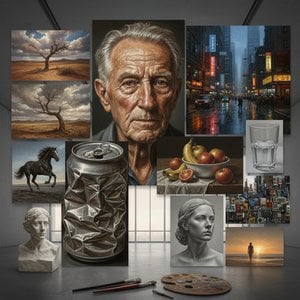
Топ-10 шедеврів сучасного реалізму: картини, що змінили мистецтво | ArtsDot.com
Відкрийте для себе 10 шедеврів сучасного реалізму! Дізнайтесь історії художників, техніки та значення культових картин. Репродукції високої якості від ArtsDot.com – мистецтво для вашого дому. Дослідіть колекцію онлайн!


