


 Надіслати
 Поділитися
 Деталі
 Посібник

 Завантажити
 Схожі предмети колекціонування
 Слайд-шоу
 Статистика переглядів
St George and the Dragon
 Marble
- Sculpture
- Early Renaissance
 1416
1416- Renaissance
 39.0 x 120.0 cm
 Музей Прадо
 Читати далі
Гікле / Художній принт
Музейна якість друку جيкле або на полотні з оперативним виготовленням та різноманітними варіантами фінішної обробки. ( Купити картину ручної роботи Перейти до цифрових зображень)




































Обирайте з наших стандартних розмірів, що відповідають оригінальним пропорціям твору мистецтва.

Ви можете вказати власні розміри, щоб репродукція ідеально підійшла до конкретної рами або інтер'єру. Якщо обраний вами розмір не відповідає пропорціям оригіналу, ми або обріжемо полотно, або розширимо зображення за допомогою дзеркального відображення чи суцільної заливки країв. Перед початком виробництва вам буде надіслано цифровий макет для затвердження.
Будь ласка, зверніть увагу, що попередній перегляд на екрані не відображає фактичне обрізання або розширення. Тільки макет точно покаже фінальну композицію.
Хоча можливість замовлення індивідуальних розмірів доступна, ми рекомендуємо обирати формат із попередньо визначеного списку, щоб зберегти оригінальні пропорції.
Доставка по всьому світу () за 2 тижні замість стандартних 4/5 тижнів. (26 Вересень)

Безкоштовна експрес-доставка по всьому світу

Високоякісне лляне полотно

Повне страхове покриття доставки

Гарантія повернення митних зборів

Гарантія точного відтворення кольорів

Політика повернення протягом 100 днів (лише у разі виявлення дефектів)

Гарантія повернення 100% коштів

Знижка на оптові замовлення
 Скляний варіант доступний лише для розмірів до 110 см

St George and the Dragon
Гікле / Художній принт
Розмір репродукції
-


Загальна вартість
$ 62
The Visage of Renaissance Intensity
Gazing upon this marble bust is to confront a moment frozen in time—a powerful confluence of classical revivalism and raw human emotion. The subject, rendered with breathtaking verisimilitude, commands attention through its intense gaze. It speaks not merely of portraiture, but of an inner struggle made manifest in cold, polished stone. The artist has captured a fleeting expression—a furrowed brow suggesting deep contemplation or perhaps righteous anger—that pulls the viewer into an immediate, almost confrontational dialogue. This piece embodies the burgeoning psychological depth that characterized the early Italian Renaissance, moving sculpture beyond mere idealized forms toward profound individual character studies.
Mastery in Marble: Technique and Craftsmanship
The technical brilliance evident here is nothing short of astonishing. The handling of the marble itself suggests an intimate understanding of the medium's potential. Observe the meticulous detail in the beard and the structure of the hair; these elements are not simply carved, but seem to have grown organically from the stone. Donatello’s influence, or a direct echo of his school, is palpable in the robust yet refined musculature suggested beneath the surface. The artist has achieved a remarkable textural contrast—the smoothness of the skin juxtaposed against the implied roughness of the beard—a testament to virtuoso skill that elevates this bust from mere sculpture to an object of profound aesthetic contemplation.
Historical Echoes and Symbolic Weight
While the specific subject matter is not explicitly detailed in relation to St George, the style firmly roots it within the intellectual ferment of the early 15th century. This period saw a fervent rediscovery of classical antiquity, yet the resulting art was deeply infused with Christian humanism. The intensity captured here often symbolizes virtues—courage, piety, or intellectual fervor—that were paramount to Renaissance thought. Owning a reproduction of such a piece allows one to bring home not just an artifact, but a tangible connection to the cultural rebirth that defined Florence and its artistic zenith.
Integrating Art into Modern Living
For the discerning collector or designer, this bust offers unparalleled gravitas for any interior space. Its dramatic scale (39 x 120 cm) ensures it functions as an immediate focal point, whether placed atop a grand mantelpiece, within a library setting, or curated in a sophisticated gallery niche. The inherent drama of the piece adds layers of narrative depth to a room, suggesting stories untold and intellects at work. It is a statement piece that whispers of history while commanding the attention of the contemporary eye.
Схожі твори мистецтва


Біографія митця
Early Life and Artistic Beginnings
Donato di Niccolò di Betto Bardi, universally known as Donatello, was born in Florence around 1386 – a time of immense artistic ferment within the burgeoning Renaissance city. His early life remains somewhat shrouded in mystery, but it’s understood that he received his initial training not within a formal academy, but through apprenticeship with various stone carvers working on the magnificent Duomo Cathedral. This experience exposed him to the classical ideals and emerging techniques that would profoundly shape his future work. Donatello's father, Niccolò di Betto Bardi, was a wool carder, a modest profession that nonetheless provided the family with a degree of financial stability within Florence’s complex social hierarchy. It is believed that Donatello’s exposure to the works of Lorenzo Ghiberti, who was creating the famed bronze doors for the Duomo, served as a crucial catalyst in his artistic development. Ghiberti's mastery of classical forms and his innovative approach to relief sculpture undoubtedly influenced young Donatello’s nascent style.Key Works and Revolutionary Techniques
Donatello quickly established himself as a sculptor of exceptional talent, rapidly moving beyond simple apprenticeships to undertake increasingly ambitious commissions. His most celebrated work, the bronze *David* (circa 1440), stands as a testament to his revolutionary approach to sculpture. Unlike previous depictions of the biblical hero, which often portrayed him as a mature warrior, Donatello presented David as a youthful, vulnerable figure – a radical departure from established conventions. This portrayal captured not only the physical beauty of the young shepherd but also an intense psychological depth, conveying a sense of anticipation and determination. Other significant works include the emotionally charged *St. Louis of Toulouse* (circa 1422-25), showcasing his masterful use of classical forms within a Gothic framework, and the dramatic relief panel *The Sacrifice of Isaac*, created for the campanile of Santa Maria del Fiore in Florence. Donatello’s innovative technique of “schiacciato,” or flattened relief, allowed him to create incredibly detailed and dynamic scenes with a remarkable sense of depth and perspective – a technique that would become highly influential throughout the Renaissance.The Evolution of Style: From Gothic Roots to Classical Influence
Donatello's artistic style underwent a fascinating evolution over his long career. Initially, his work reflected the influence of the International Gothic style prevalent in Florence at the time, characterized by elegant lines and delicate details. However, as he matured, Donatello increasingly embraced classical ideals, drawing inspiration from ancient Roman sculpture and architecture. This shift is particularly evident in his later works, such as *St. George*, where he skillfully blended classical proportions with a heightened sense of realism and emotional intensity. He wasn’t simply copying the ancients; rather, he was reinterpreting their forms and principles through his own unique artistic vision. Donatello's ability to synthesize these diverse influences – Gothic elegance, classical restraint, and his own innate expressive power – cemented his position as one of the most groundbreaking sculptors of the Renaissance.Legacy and Lasting Impact
Donatello’s impact on the course of Western art is immeasurable. He liberated sculpture from its purely decorative role, transforming it into a powerful medium for expressing human emotion and exploring complex narratives. His pioneering use of bronze, his innovative techniques, and his willingness to challenge artistic conventions paved the way for subsequent generations of sculptors – including Michelangelo Buonarroti, who famously declared that “all men are Donatello’s pupils.” Donatello's work continues to captivate audiences today with its remarkable beauty, psychological depth, and enduring relevance. His legacy is not merely one of technical mastery but also of artistic courage and a profound understanding of the human condition. He remains an icon of the Renaissance, a testament to the transformative power of art.
Донателло
1386 - 1466 , Італія
Довідкова інформація
- Artistic Movement Or Style: Ранній Ренесанс
- Artists Or Movements Influenced By This Artist: ['Італійський Ренесанс']
- Artists Who Influenced This Artist: ['Класична скульптура']
- Date Of Birth: c. 1386
- Date Of Death: 1466
- Full Name: Donatello di Niccolò
- Nationality: Італійський
- Notable Artworks:
- Давид
- Святий Луїджі
- Посвячення Ісаака
- Place Of Birth: Флоренція, Італія
Схожі статті

10 Легендарних Бронзових Шедеврів, Які Змінили Мистецтво | ArtsDot
Відкрийте для себе 10 легендарних бронзових шедеврів, що змінили мистецтво! Історія створення, художні техніки та вплив скульпторів Ренесансу й Античності. Купуйте репродукції картин на ArtsDot.com – музейна якість для вашого дому.
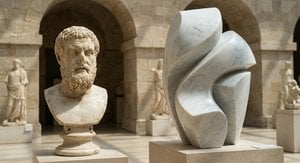
The Enduring Allure of Marble in Art History: From Classical Sculpture to Modern Abstraction
Explore the captivating history of marble sculpture from ancient Greece to modern art. Discover renowned artists like Canova & Michelangelo, carving techniques, and investment insights at ArtsDot.

Топ-25 шедеврів Жоржа Брака: мистецтво кубізму для вашого дому | ArtsDot
Відкрийте для себе 25 найвідоміших шедеврів Жоржа Брака! Пориньте у світ кубізму, аналізуйте кольори та техніку легендарного французького художника. Репродукції картин Брак для вашого дому – на ArtsDot.com

25 шедеврів Жоржа Сера: Відкрийте світ точкового малярства | ArtsDot
Відкрийте світ Жоржа Сера! 25 культових картин імпресіонізму та пуантилізму. Історія мистецтва, унікальні техніки живопису та натхнення для декору вашого дому. Купуйте репродукції картин Сера високої якості на ArtsDot.com!

10 легендарних бронзових скульптур, що змінили мистецтво | ArtsDot
Відкрийте 10 легендарних бронзових скульптур, що змінили хід мистецтва! Дізнайтесь історії Мікеланджело, Родена та інших геніїв. Репродукції картин преміум-класу для вашого дому – на ArtsDot.com
