

 Переглянути в інтер'єрі
 Надіслати як листівку
 Поділитися
 Деталі витвору
 Посібник

 Завантажити
 Схожі екземпляри
 Рентгенівське дослідження
 Слайд-шоу
 Питання та відповіді
 Статистика
Self-Portrait

- 183.0 x 137.0 cm


 Розгорнути текст
Гікле / Художній принт
Друк جيкле або на полотні музейної якості з оперативним виготовленням та різноманітними варіантами фінішної обробки. ( Замовити картину ручної роботи Перейти до цифрових зображень)




P118B ₴10

P118H ₴10

P118W ₴10

P438Z ₴10

P508JH ₴12

P508YH ₴12

P805H ₴10

P805Z ₴10

P919BZ ₴10

P919G ₴10

P919XJ ₴10

P959ZH ₴10

P968JZ ₴12

W106C ₴8

W218G ₴10

W218JH ₴8

W218Y ₴10

W307PJ ₴10

W316G ₴10

W316PJ ₴8

W316Y ₴10

W398PJ ₴8

W4111J ₴10

W500HY ₴15

W500JH ₴15

W692G ₴12

W849H ₴8

W940BG ₴15

W953PJ ₴8




Обирайте з наших стандартних розмірів, що відповідають оригінальним пропорціям твору мистецтва.

Введіть необхідну ширину та висоту, щоб принт ідеально підійшов до вашої рами або стіни. Принт можна лише обрізати, але не можна зробити більшим за оригінал, тому при зміні пропорцій частина зображення буде втрачена. Перед друком ми надсилаємо вам цифровий макет для затвердження. Зображення на цій сторінці не відображає реальну обрізку — її можна побачити лише на макеті.
Доставка по всьому світу () за 2 тижні замість стандартних 4/5 тижнів. (18 Листопад)

Безкоштовна експрес-доставка по всьому світу

Високоякісне лляне полотно

Повне страхове покриття доставки

Гарантія повернення митних зборів

Гарантія точного відтворення кольорів

Політика повернення протягом 100 днів (лише у разі виявлення дефектів)

Гарантія повернення 100% коштів

Пропозиція на оптові замовлення
 Скляний варіант доступний лише для розмірів до 110 см

Self-Portrait
Гікле / Художній принт
Розмір репродукції
-


Підсумкова вартість
₴ 2834
David Bailly’s “Self-Portrait” – A Window into Dutch Golden Age Soul
David Bailly's "Self-Portrait," painted in 1625, isn’t merely a likeness; it’s a carefully constructed meditation on identity, artistry, and the fleeting nature of existence—a quintessential example of the introspective spirit flourishing during the Netherlands’ Golden Age. This remarkable work, rendered in meticulous pen and ink on light brown paper, offers a rare glimpse into the mind of an artist deeply engaged with his craft and the world around him. The painting immediately draws the viewer in with Bailly's direct gaze, a subtle challenge and invitation to contemplate the scene before them.
The composition is deceptively simple yet profoundly layered. Bailly presents himself in a three-quarter pose, seated at a wooden table cluttered with the tools of his trade: brushes, scissors, and a rolled-up sheet of paper—each element whispering tales of creative process and intellectual pursuit. The stark contrast between the dark, densely hatched areas of his clothing and the lighter, more open spaces around him immediately establishes a sense of depth and texture. Bailly’s face is rendered with an astonishing level of detail; the delicate lines defining his curly hair, the prominent nose, and the expressive eyes all contribute to a portrait that feels remarkably alive. The inclusion of a white collar, a fashionable accessory of the period, adds a touch of formality while simultaneously highlighting the artist's self-awareness.
The Baroque Influence & Vanitas Symbolism
Bailly’s style firmly resides within the Baroque tradition, though tempered by his distinctly Dutch sensibility. The influence is evident in the dramatic lighting—a diffused quality that casts subtle shadows and highlights—and the intricate detailing of every element within the composition. However, unlike the grandiosity often associated with Baroque art, Bailly's work possesses a quiet intimacy. He masterfully employs hatching and cross-hatching to build up tonal values, creating a sense of volume and texture without resorting to heavy brushstrokes or vibrant colors. This technique is particularly evident in the depiction of his jacket, where the meticulous lines create a complex pattern that suggests both skill and patience.
Crucially, “Self-Portrait” incorporates elements of *vanitas*, a symbolic genre popular during the Baroque period. The inclusion of tools like scissors and the rolled-up paper serves as reminders of the ephemeral nature of artistic creation—a fleeting moment captured on paper. The table itself is laden with objects that speak to mortality: a partially consumed candle, suggesting the passage of time; and the very act of painting, an endeavor requiring sustained effort and ultimately leading to the artist’s own eventual demise. These subtle yet potent symbols invite contemplation on themes of life, death, and the transient beauty of the world.
A Window into a Dutch Master's Life
Beyond its artistic merits, “Self-Portrait” offers valuable insights into the life of David Bailly himself. Born in Leiden in 1584, Bailly’s early training involved apprenticeships with skilled craftsmen—a testament to the importance of practical experience in the Netherlands’ burgeoning art scene. His travels throughout Europe, particularly his sojourn in Rome, exposed him to the artistic innovations of the Renaissance and Baroque periods, which undoubtedly influenced his style. The painting can be seen as a reflection of this journey – a distillation of experiences and influences into a single, powerful image.
Bailly’s legacy extends beyond his portraits and still lifes. He was also a respected teacher, passing on his knowledge and techniques to subsequent generations of artists. “Self-Portrait” stands as a poignant reminder of the artist's dedication to both his craft and his students, solidifying his place as a pivotal figure in Dutch Golden Age art. It’s a work that continues to resonate with viewers today, offering a glimpse into the soul of an extraordinary man and the enduring power of artistic self-expression.
Further Exploration & Reproduction Details
For those seeking deeper understanding, resources like WikiArt (https://www.wikiart.org/en/david-bailly/self-portrait-1625) and Wikipedia (https://en.wikipedia.org/wiki/David_Bailly) offer extensive biographical information and critical analyses of Bailly’s work. The painting itself is a remarkable example of 17th-century artistry, showcasing the precision and skill of pen and ink techniques.
ArtsDot offers high-quality reproductions of “Self-Portrait,” meticulously crafted to capture the essence of Bailly's original masterpiece. These reproductions are ideal for interior design, art collecting, or simply as a beautiful reminder of this iconic work of Dutch Golden Age art. Consider commissioning a hand-painted reproduction – a truly unique and authentic addition to any collection.
Питання та відповіді
Хто створив "Self-Portrait" і в якому році?
«Self-Portrait» було створено Девід Бейлі у 1625 році.
Яку атмосферу принесе в кімнату репродукція «Self-Portrait» роботи Девід Бейлі?
Calm-атмосфера твору «Self-Portrait» роботи Девід Бейлі ідеально пасує до рекомендованого простору: Living Room.
Який настрій та емоцію передає «Self-Portrait» роботи Девід Бейлі?
«Self-Portrait» роботи Девід Бейлі передає Reflective відчуття в межах загального Calm настрою.
Схожі твори мистецтва


Пов'язані статті

Топ-10 шедеврів голландського бароко: мистецтво для вашого дому від ArtsDot
Пориньте у світ голландського бароко! Від Рембрандта до Вермеєра – 10 шедеврів, що змінили мистецтво. Дізнайтеся історії створення та техніки живопису. Репродукції картин високої якості для вашого дому на ArtsDot.com

Реалізм в олії: Індивідуальні портрети домашніх улюбленців – віддзеркалення душі та сімейної історії
Замовте ексклюзивний портрет вашого домашнього улюбленця в техніці реалізму від ArtsDot! Майстерність художників, високоякісні матеріали та гарантія задоволення. Створіть безсмертний шедевр для своєї сім'ї.

The Echo of Self: Reflectivity as a Core Theme in Art History & Contemporary Practice
Explore the rich history of self-representation in art, from Renaissance masters to modern innovators. Discover how artists use portraiture to reveal identity, emotion & the depths of the human psyche. Expert insights for collectors.
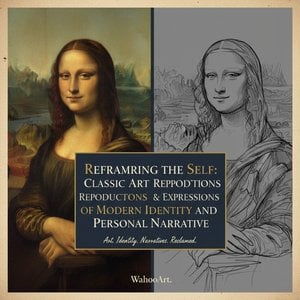
Переосмислення самоідентичності: Класичні мистецькі репродукції як вираз сучасної особистості та індивідуального наративу
Оберіть високоякісні репродукції класичних картин ручної роботи! Експертні консультації, кастомізація та перетворення фото на полотно. Створіть унікальний інтер'єр з ArtsDot.com – інвестиція в красу та самовираження.

Illuminating Shadows: A Comprehensive Exploration of 17th-Century Painting – Themes, Techniques, and Enduring Legacy
Explore the captivating world of 17th-century painting! Discover Baroque masters like Rembrandt & Caravaggio, learn about chiaroscuro techniques, and delve into Dutch Golden Age realism. Expert insights for art lovers & collectors.