


 Переглянути в інтер'єрі
 Надіслати як листівку
 Поділитися
 Детальніше

 Завантажити
 Схожі експонати
 Рентгенівське дослідження
 Слайд-шоу
Saint Paul

 Читати далі
Олійная репродукція ручної роботи
Написана вручну олією на полотні у вашому розмірі та рамі, виготовлена на замовлення нашими художниками. ( Замовити принт Купити цифрове зображення)




P118B $10

P118H $10

P118W $10

P438Z $10

P508JH $12

P508YH $12

P805H $10

P805Z $10

P919BZ $10

P919G $10

P919XJ $10

P959ZH $10

P968JZ $12

W106C $8

W218G $10

W218JH $8

W218Y $10

W307PJ $10

W316G $10

W316PJ $8

W316Y $10

W398PJ $8

W4111J $10

W500HY $15

W500JH $15

W692G $12

W849H $8

W940BG $15

W953PJ $8




Обирайте з наших стандартних розмірів, що відповідають оригінальним пропорціям твору мистецтва.

Ви можете вказати власні розміри, щоб репродукція ідеально підійшла до конкретної рами або інтер'єру. Якщо вибраний вами розмір не відповідає пропорціям оригіналу, ми або обріжемо полотно, або доповнимо картину додатковими елементами, промальованими вручну. Цифровий макет буде надіслано вам на затвердження перед початком виробництва.
Зверніть увагу, що попередній перегляд на екрані не відображає фактичне обрізання або розширення зображення. Тільки макет точно покаже остаточну композицію.
Хоча ми можемо виготовити виріб у нестандартному розмірі, для збереження оригінальних пропорцій рекомендуємо обирати варіанти зі встановленого списку.
Після оформлення замовлення команда ArtsDot.com зв'яжеться з клієнтом електронною поштою для отримання інструкцій та надасть попередній макет
Доставка по всьому світу () за 3–4 тижні замість стандартних 5 тижнів. (16 Серпень). Без жодних компромісів у якості.

Безкоштовна експрес-доставка по всьому світу

Високоякісне лляне полотно

Повне страхове покриття доставки

Гарантія відшкодування митних зборів

Гарантія точного відтворення кольорів

Політика повернення протягом 60 днів (лише у разі виявлення дефектів)

Гарантія повернення 100% коштів

Пропозиція на оптові замовлення
 Скляний варіант доступний лише для розмірів до 110 см

Saint Paul
Матеріал репродукції
Розмір репродукції
-


Підсумкова вартість
$ 263
Схожі твори мистецтва


Біографія митця
A Master of Flemish Portraiture: The Life and Art of Cornelis de Vos
Cornelis de Vos, a pivotal figure in 17th-century Antwerp, stands as one of the most distinguished portraitists of the Flemish Baroque era. Born around 1584 in Hulst, his artistic journey began within a family deeply intertwined with the world of art – a lineage that ultimately led him to the vibrant and bustling city of Antwerp in 1596. There, he embarked on his apprenticeship under David Remeeus, a painter whose skill provided a solid foundation for de Vos’s burgeoning talent. While Remeeus' work was perhaps less celebrated individually, it instilled in de Vos the fundamental techniques necessary to flourish. By 1604, he had risen to become Remeeus’ chief assistant, demonstrating an innate ability that extended far beyond mere technical proficiency – a clear indication of his potential and ambition. A petition submitted to the Antwerp city council in the same year reveals his desire for artistic exploration abroad, though the specifics of whether he ever realized this aspiration remain shrouded in uncertainty. What is undeniably true is that de Vos swiftly established himself as a skilled artist within the city’s thriving art scene, joining the esteemed Guild of Saint Luke in 1608 and officially becoming a citizen of Antwerp eight years later – simultaneously registering as an art dealer, a testament to his multifaceted engagement with the artistic world. His marriage to Susanna Cock, sister-in-law to landscape painter Jan Wildens, further solidified his position within Antwerp’s artistic community, alongside his sister Margaretha's union with the renowned animal painter Frans Snyders – creating a network of artistic connections that profoundly shaped his career and perspective.Navigating a Flourishing Artistic Landscape
De Vos’s career unfolded during a period of unparalleled artistic activity in Antwerp—a city that served as a crucial crossroads for European art and commerce. He wasn't merely a passive participant; he actively contributed to and helped shape this dynamic landscape, assuming the role of dean of the Guild of Saint Luke in 1619 and later serving as high dean in 1620 – positions that underscored his respected standing among his peers and fellow artists. His professional life extended beyond the confines of the studio and guildhall, encompassing a thriving art dealing business. He frequently traveled to the prestigious Saint-Germain market in Paris, gaining invaluable insights into artistic trends and tastes across Europe. This commercial acumen not only provided him with financial stability but also broadened his understanding of the evolving demands of his clientele – allowing him to tailor his work to diverse preferences and elevate his own artistic practice. His connections within the art trade exposed him to a wider range of styles and techniques, subtly influencing his approach to portraiture and contributing to his overall versatility.Style and Influences: A Synthesis of Tradition and Innovation
De Vos’s artistic style evolved gracefully over time, initially bearing the unmistakable imprint of Peter Paul Rubens – a master whose influence permeated much of Flemish art during that era. Early works are characterized by a warm palette, meticulous attention to detail, particularly in rendering fabrics and jewelry, and a generally robust physicality within his subjects. However, de Vos wasn’t simply a mimic; he developed a distinctive voice marked by what is often described as lucid plasticity – an ability to imbue flesh tones with remarkable realism and create surfaces that seemed to shimmer with life. He employed a fluid, transparent technique with fine brushstrokes, contributing to the overall sense of vitality in his paintings. As his career progressed, particularly during the 1630s, de Vos’s style became looser and more painterly, with less emphasis on strict adherence to formal conventions – a shift reflected in works like the portrait of a young woman now housed at the Metropolitan Museum of Art. This later phase reveals a growing confidence and willingness to prioritize capturing character and texture over rigid adherence to traditional rules. Even lighting and subtle chiaroscuro effects were carefully utilized, allowing him to portray not just physical likeness but also the inner lives and emotions of his sitters. Rubens’s influence is evident in the dramatic lighting and dynamic compositions, while the works of Anthony van Dyck—particularly in their elegance and refined portrayal of aristocratic subjects—provided a counterpoint that shaped de Vos's approach to portraiture.A Legacy Defined by Sensitivity and Skill
Following Antony van Dyck’s departure for England in 1621 and Rubens’ frequent absences, Cornelis de Vos stepped into a prominent role as Antwerp’s leading portraitist, catering to the burgeoning upper bourgeoisie and patrician society. His portraits reflected Van Dyck’s influence but diverged from the aristocratic grandeur favored by his predecessor, instead focusing on portraying middle-class values of prosperity and domesticity – a shift that resonated with the changing social landscape of the time. De Vos possessed an exceptional ability to capture the personalities of his sitters—their vulnerabilities, their aspirations, and their quiet dignity. He wasn’t merely recording appearances; he was creating intimate psychological portraits that resonated deeply with viewers then and continue to captivate audiences today. His skill extended beyond simply replicating likenesses; he understood how to convey a sense of character and emotion through subtle gestures, expressions, and the arrangement of clothing and accessories. His work became particularly renowned for its sensitive depictions of families and children – capturing their innocence, joy, and familial bonds with remarkable tenderness.Major Works & Lasting Impact
De Vos’s oeuvre is rich with compelling portraits and significant collaborative projects. Among his most celebrated works are:- Portrait of Abraham Grapheus (1620): A prime example of de Vos’s early style, showcasing meticulous detail and a warm palette.
- Portrait of a Nobleman and Three Children: Demonstrates his skill in capturing familial bonds and individual personalities.
- Two Daughters of the Painter: An intimate portrayal revealing de Vos’s ability to convey tenderness and affection.
- Collaborations with Rubens at Torre de la Parada: Highlights his versatility and willingness to work within a larger artistic vision, particularly in the creation of mythological scenes.

Корнеліс де Вос
1585 - 1651 , Бельгія
Короткі факти
- Artistic Movement Or Style: Бароко
- Artists Or Movements Influenced By This Artist: ['Рубенс']
- Artists Who Influenced This Artist:
- Рубенс
- Косс'єр
- Date Of Birth: 1584
- Date Of Death: 1651
- Full Name: Cornelis de Vos
- Nationality: Фламандський
- Notable Artworks:
- Портрет Авраама Гряфеуса
- Діти
- Пані на портреті
- Place Of Birth: Антверпен, Бельгія
Пов'язані статті

Demandes Commerciales
APS ofrece reproducciones de bellas artes y encargos personalizados desde 2004. Confían en nosotros corporaciones, hoteles y coleccionistas selectos para obras de arte de calidad museística, servicio discreto y soluciones artísticas completas. ¡Póngase en contacto con nosotros para obtener un presupuesto personalizado!
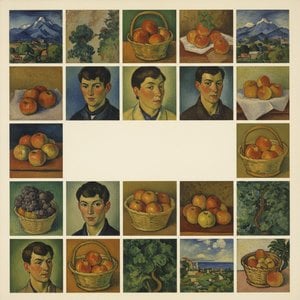
25 шедеврів Поля Сезанна: подорож у світ імпресіонізму та натюрморту | ArtsDot
Відкрийте 25 найвідоміших картин Поля Сезанна! Дослідіть імпресіонізм, натюрморти та пейзажі художника. Купіть високоякісні репродукції та знайдіть ідеальний декор для вашого дому на ArtsDot.com.

Топ-25 шедеврів Гойї: історія мистецтва для вашого дому | ArtsDot
Відкрийте 25 шедеврів Франсіско Гойї! Історія мистецтва, глибокі портрети та темні офорти іспанського романтизму. Купіть репродукції картин Гойї для вашого дому на ArtsDot.com – музейна якість та бездоганний декор.

Топ-25 шедеврів Пауля Клее: подорож у світ кольору та абстракції | ArtsDot
Відкрийте для себе 25 шедеврів Пауля Клее – від ранніх робіт до пізнього модернізму. Пориньте у світ абстракції, експресіонізму та унікального стилю художника. Репродукції картин високої якості на ArtsDot.com! Дослідіть повну колекцію онлайн.

Про нас
Відкрийте для себе нашу історію! Ми привносимо мистецтво світового класу у ваше життя завдяки експертному відбору, індивідуальним творам та безкоштовним попереднім переглядам. Затверджено приватними особами та компаніями з 2000 року.

