

 Переглянути в інтер'єрі
 Надіслати як листівку
 Поділитися
 Деталі витвору
 Посібник

 Завантажити
 Схожі екземпляри
 Рентгенівське дослідження
 Слайд-шоу
 Питання та відповіді
 Статистика
Montesquieu


 Розгорнути текст
Гікле / Художній принт
Друк جيкле або на полотні музейної якості з оперативним виготовленням та різноманітними варіантами фінішної обробки. ( Замовити картину ручної роботи Перейти до цифрових зображень)




P118B ₴10

P118H ₴10

P118W ₴10

P438Z ₴10

P508JH ₴12

P508YH ₴12

P805H ₴10

P805Z ₴10

P919BZ ₴10

P919G ₴10

P919XJ ₴10

P959ZH ₴10

P968JZ ₴12

W106C ₴8

W218G ₴10

W218JH ₴8

W218Y ₴10

W307PJ ₴10

W316G ₴10

W316PJ ₴8

W316Y ₴10

W398PJ ₴8

W4111J ₴10

W500HY ₴15

W500JH ₴15

W692G ₴12

W849H ₴8

W940BG ₴15

W953PJ ₴8




Обирайте з наших стандартних розмірів, що відповідають оригінальним пропорціям твору мистецтва.

Введіть необхідну ширину та висоту, щоб принт ідеально підійшов до вашої рами або стіни. Принт можна лише обрізати, але не можна зробити більшим за оригінал, тому при зміні пропорцій частина зображення буде втрачена. Перед друком ми надсилаємо вам цифровий макет для затвердження. Зображення на цій сторінці не відображає реальну обрізку — її можна побачити лише на макеті.
Доставка по всьому світу () за 2 тижні замість стандартних 4/5 тижнів. (8 Листопад)

Безкоштовна експрес-доставка по всьому світу

Високоякісне лляне полотно

Повне страхове покриття доставки

Гарантія повернення митних зборів

Гарантія точного відтворення кольорів

Політика повернення протягом 100 днів (лише у разі виявлення дефектів)

Гарантія повернення 100% коштів

Пропозиція на оптові замовлення
 Скляний варіант доступний лише для розмірів до 110 см

Montesquieu
Гікле / Художній принт
Розмір репродукції
-


Підсумкова вартість
₴ 2828
The Stoic Scholar: An Encounter with Claude Michel (Clodion)’s “Montesquieu”
Standing before Claude Michel’s (Clodion) marble statue of Montesquieu, one is immediately struck by the profound stillness and contemplative power emanating from the figure. This isn't merely a portrait; it’s an embodiment of Enlightenment thought, a frozen moment of intellectual rigor captured in exquisitely polished white marble. The sculpture, created in 1783, resides within a museum setting, its reflective surface mirroring the surrounding space and subtly expanding the sense of grandeur. Clodion, a master sculptor working primarily in Paris during this period, expertly rendered the likeness of the influential French philosopher, Jean-Jacques Rousseau’s friend and political theorist, Charles de Montesquieu. The statue invites quiet observation, prompting reflection on the nature of reason, justice, and the complexities of governance – themes central to Montesquieu's groundbreaking work, *The Spirit of Laws*.
Neoclassical Form and Subtractive Technique
Clodion’s style firmly anchors this piece within the Neoclassical tradition. This movement, which flourished in Europe during the late 18th and early 19th centuries, sought to revive the artistic ideals of ancient Greece and Rome. The statue's composition—the seated figure, the draped garment, the carefully modeled musculature—all echo classical forms. However, Clodion’s approach transcends mere imitation; he imbues the sculpture with a distinctly modern sensibility. The technique itself is crucial to understanding the work’s impact. Marble carving is an inherently subtractive process – the sculptor begins with a massive block of stone and meticulously removes material until the desired form emerges. This painstaking method, combined with Clodion's masterful control of light and shadow, results in surfaces that appear almost impossibly smooth and luminous. The subtle variations in tone within the marble—a hint of grey near the folds of the robe, a brighter sheen on the exposed flesh—create an illusion of depth and texture, mimicking the tactile qualities of the stone itself.
Symbolism Within the Pose: Authority and Reflection
The pose of Montesquieu is deliberately powerful yet restrained. He’s seated in a classical chair, his posture erect, suggesting authority and intellectual strength. His hands rest upon a book – a clear reference to his extensive writings on law and political philosophy. However, it's not a gesture of triumphant pronouncements; rather, it conveys a sense of thoughtful deliberation. The gaze is directed slightly downward, as if lost in contemplation, inviting the viewer to join him in a shared intellectual journey. The mirrored wall behind the statue further amplifies this effect, creating an echo of the figure and suggesting a deeper level of introspection. It’s a visual metaphor for Montesquieu's own ideas – reflecting back upon society and offering insights into its structure and function.
A Legacy in Stone: Clodion’s Artistic Voice
Claude Michel (Clodion), born Benjamin West in 1738, was a pivotal figure in the transition between Neoclassicism and Romanticism. His early career in America, where he honed his skills painting portraits of prominent figures, provided him with a strong foundation in realism and observation. Later, he moved to Paris, embracing the challenges and opportunities of the European art scene. Clodion’s work is characterized by its dramatic lighting, dynamic compositions, and often theatrical flair. While “Montesquieu” represents his more restrained and contemplative side, it nonetheless showcases his exceptional technical skill and his ability to capture the essence of his subject. Reproductions of this statue offer a remarkable opportunity to experience the enduring power of Neoclassical sculpture – a testament to the artist’s vision and the timeless relevance of Enlightenment ideals. The piece stands as a powerful reminder that art can not only reflect history but also invite us to engage with its profound questions.
Питання та відповіді
Коли було створено та до якого стилю належить твір «Montesquieu» роботи Клод Мішель (Клодіон)?
«Montesquieu» роботи Клод Мішель (Клодіон) датований 1783 роком і належить до Neoclassicism.
У якому році було створено «Montesquieu» роботи Клод Мішель (Клодіон)?
«Montesquieu» роботи Клод Мішель (Клодіон) було створено у 1783 році.
Наскільки відомим є твір "Montesquieu" автора Клод Мішель (Клодіон)?
«Montesquieu» роботи Клод Мішель (Клодіон) має Recognized рівень популярності. Ця класифікація відображає ступінь впізнаваності цього твору.
Схожі твори мистецтва


Пов'язані статті

The Enduring Form: Sculpture Across History, Technique & Emotional Resonance
Explore the rich history of sculpture with ArtsDot. Discover key techniques, influential artists & investment potential for discerning collectors. Expert insights into valuing and collecting timeless masterpieces.

The Enduring Form: Exploring Themes & Techniques in Sculpture Across Historical Periods
Explore the rich history of sculpture from ancient masterpieces to contemporary innovations. Discover key techniques, influential artists & investment potential for discerning art collectors.

10 Легендарних Бронзових Шедеврів, Які Змінили Мистецтво | ArtsDot
Відкрийте для себе 10 легендарних бронзових шедеврів, що змінили мистецтво! Історія створення, художні техніки та вплив скульпторів Ренесансу й Античності. Купуйте репродукції картин на ArtsDot.com – музейна якість для вашого дому.

10 легендарних бронзових скульптур, що змінили мистецтво | ArtsDot
Відкрийте 10 легендарних бронзових скульптур, що змінили хід мистецтва! Дізнайтесь історії Мікеланджело, Родена та інших геніїв. Репродукції картин преміум-класу для вашого дому – на ArtsDot.com
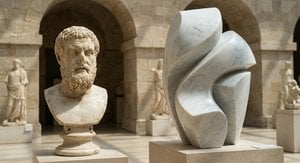
The Enduring Allure of Marble in Art History: From Classical Sculpture to Modern Abstraction
Explore the captivating history of marble sculpture from ancient Greece to modern art. Discover renowned artists like Canova & Michelangelo, carving techniques, and investment insights at ArtsDot.