


 Переглянути в інтер'єрі
 Надіслати
 Поділитися
 Деталі
 Посібник

 Завантажити
 Схожі предмети колекціонування
 Рентгенівське дослідження
 Слайд-шоу
 Статистика переглядів
Thomas and Henry Sergeant


 Читати далі
Олійная репродукція ручної роботи
Написана вручну олією на полотні у вашому розмірі та рамі, виготовлена на замовлення нашими художниками. ( Перейти до друку Перейти до цифрових зображень)




P118B $10

P118H $10

P118W $10

P438Z $10

P508JH $12

P508YH $12

P805H $10

P805Z $10

P919BZ $10

P919G $10

P919XJ $10

P959ZH $10

P968JZ $12

W106C $8

W218G $10

W218JH $8

W218Y $10

W307PJ $10

W316G $10

W316PJ $8

W316Y $10

W398PJ $8

W4111J $10

W500HY $15

W500JH $15

W692G $12

W849H $8

W940BG $15

W953PJ $8




Обирайте з наших стандартних розмірів, що відповідають оригінальним пропорціям твору мистецтва.

Ви можете вказати власні розміри, щоб репродукція ідеально підійшла до конкретної рами або інтер'єру. Якщо вибраний вами розмір не відповідає пропорціям оригіналу, ми або обріжемо полотно, або доповнимо картину додатковими елементами, промальованими вручну. Цифровий макет буде надіслано вам на затвердження перед початком виробництва.
Зверніть увагу, що попередній перегляд на екрані не відображає фактичне обрізання або розширення зображення. Тільки макет точно покаже остаточну композицію.
Хоча ми можемо виготовити виріб у нестандартному розмірі, для збереження оригінальних пропорцій рекомендуємо обирати варіанти зі встановленого списку.
Після оформлення замовлення команда ArtsDot.com зв'яжеться з клієнтом електронною поштою для отримання інструкцій та надасть попередній макет
Доставка по всьому світу () за 3–4 тижні замість стандартних 5 тижнів. (26 Вересень). Без жодних компромісів у якості.

Безкоштовна експрес-доставка по всьому світу

Високоякісне лляне полотно

Повне страхове покриття доставки

Гарантія повернення митних зборів

Гарантія точного відтворення кольорів

Політика повернення протягом 100 днів (лише у разі виявлення дефектів)

Гарантія повернення 100% коштів

Знижка на оптові замовлення
 Скляний варіант доступний лише для розмірів до 110 см

Thomas and Henry Sergeant
Техніка репродукції
Розмір репродукції
-


Загальна вартість
$ 263
Thomas and Henry Sergeant: A Portrait of American Idealism
Charles Willson Peale’s “Thomas and Henry Sergeant,” completed in 1787, stands as a cornerstone of neoclassical portraiture and embodies the spirit of Enlightenment America. Currently residing within the Museum of Fine Arts in Boston, this oil on canvas masterpiece transcends mere likeness; it's a meticulously crafted tableau that speaks volumes about social status, familial affection, and the burgeoning aspirations for republican virtue.
Composition and Symbolism: Capturing Essence Through Detail
The painting’s central focus is undeniably its subjects – two young boys, Thomas and Henry Sergeant – positioned side by side with arms outstretched in a gesture of camaraderie. Their attire—suits adorned with satin linings and hats—reflects the formality prevalent during the era, signaling their privileged upbringing within Boston society. Beyond the visual representation, Peale skillfully employs symbolism to elevate the artwork’s significance.
- The Dog: Representing loyalty and guardianship, the dog symbolizes protection and companionship – values deeply ingrained in American ideals of citizenship.
- The Chair: Suggestive of comfort and stability, it anchors the scene and reinforces the notion of settled respectability.
- The Clock: A symbol of time’s passage and measured progress, mirroring the ambitions of a nation striving for advancement under republican governance.
- The Birds: Scattered throughout the composition, birds are emblems of liberty and aspiration—a deliberate allusion to the philosophical currents shaping the American Revolution.
Peale's Style and Influences: Echoes of European Tradition
Charles Willson Peale’s artistic approach was firmly rooted in European traditions, particularly those championed by Louis-Vincent-Léon Pallière, whose “View in the Gardens of the Villa d’Este” exemplifies similar neoclassical sensibilities. Like Pallière, Peale prioritized meticulous detail—evident in the rendering of fabrics and facial expressions—to achieve an unparalleled level of realism. However, he skillfully blended these techniques with stylistic elements derived from Rembrandt Peale and James Peale, creating a distinctive visual language that resonated powerfully with his contemporaries.
Comparative Artworks: Shared Visions of Republican Virtue
“Thomas and Henry Sergeant” finds kinship with several other notable portraits produced during the same period. Consider Ap Caledfryn’s “Michael Jones,” housed at The National Library of Wales, which similarly portrays a young gentleman embodying moral virtue and civic responsibility. Similarly, James Curnock's "Thomas Garrard" at Bristol Museum – Art Gallery captures the grandeur of aristocratic patronage while upholding standards of refinement. And John Partridge’s “Sir John Forbes” displayed at Royal College of Physicians exemplifies the meticulous craftsmanship characteristic of the era.
These artworks collectively illuminate the artistic landscape of Enlightenment America—a period defined by intellectual curiosity, republican ideals, and a fervent desire to emulate the cultural achievements of Europe. Peale's "Thomas and Henry Sergeant" stands as a testament to this ambition, securing its place as an enduring symbol of American identity.
Схожі твори мистецтва


Біографія митця
Charles Willson Peale: A Life of Art, Science, and Patriotism
Born April 15, 1741, Chester, Queen Anne’s County, Maryland; Died February 22, 1827, Philadelphia, Pennsylvania Charles Willson Peale stands as a singular figure in American art history—a man who seamlessly blended artistic talent with scientific curiosity and unwavering patriotism. His life was shaped by early hardship – the untimely death of his father plunged his family into financial difficulties – yet it blossomed into an extraordinary contribution to both visual culture and the burgeoning field of natural history, establishing him as one of the nation’s foremost innovators.Early Life and Artistic Training
Peale's formative years were characterized by a practical apprenticeship as a saddler, honing skills that would later inform his artistic endeavors. However, it was his encounter with John Hesselius and subsequent studies under John Singleton Copley that ignited his passion for portraiture, revealing an innate aptitude for capturing likeness accurately—a skill he would carry throughout his prolific career. Yet, perhaps the most transformative influence arrived in London during 1767-1770 when he immersed himself in the artistic currents of Europe, specifically under Benjamin West’s tutelage. This exposure to Neoclassical ideals profoundly shaped Peale's stylistic sensibilities, grounding him in a tradition that valued grandeur and intellectual rigor.Artistic Career and Major Works
Peale’s fame rests primarily upon his portraits of luminaries from the American Revolution—a staggering sixty depictions of George Washington alone. These canvases transcend mere likeness; they are meticulously crafted documents that encapsulate the spirit of the era, embodying both artistic achievement and historical significance. Peale's style evolved gracefully over time, initially mirroring West’s neoclassical aesthetic but gradually incorporating elements of realism to heighten expressive power. His magnum opus remains *The Staircase Group* (c. 1795), a breathtaking example of trompe l'oeil artistry—a technique that convincingly integrates architectural features into the painted scene, blurring the boundaries between illusion and reality and showcasing his sons Raphael and Titian as if they truly inhabited the space.Scientific Pursuits and Peale’s American Museum
Beyond his artistic accomplishments, Peale possessed an ardent devotion to natural history. Driven by a desire to advance scientific understanding, he spearheaded expeditions to document flora and fauna across America—a pioneering undertaking for its time. Recognizing the importance of disseminating knowledge, he founded Peale's American Museum in Philadelphia (1784)—one of the earliest museums on US soil. This institution housed an astonishing array of specimens—botanical illustrations alongside animal skeletons, fossils, and archaeological artifacts—serving as a beacon of enlightenment and fostering intellectual curiosity within the young republic. Notably, his acquisition of mastodon bones from Wyoming cemented his reputation as a visionary scientist and solidified the museum’s place in American cultural heritage.Legacy and Historical Significance
Charles Willson Peale's legacy extends far beyond his artistic output; he represents a pivotal figure in shaping America’s intellectual landscape. His work embodies the spirit of the Enlightenment—a commitment to observation, reason, and artistic excellence—influencing subsequent generations of artists and scientists alike. The enduring impact of Peale’s portraits is undeniable, providing invaluable visual records of pivotal moments in American history. Furthermore, his founding of Peale's American Museum stands as a testament to his unwavering belief in the transformative power of education and scientific exploration—a conviction that continues to resonate today. His family lineage continued through his sons James Peale and Rubens Peale, who themselves pursued artistic careers and enriched the museum’s collection with their own contributions, ensuring that Peale's vision endured for centuries to come.
Чарльз Вілсон Пейл
1741 - 1827 , Великобританія
Довідкова інформація
- Artistic Movement Or Style: Ніокласицизм
- Artists Who Influenced This Artist:
- Джон Хесселіус
- Джон Сінґглтон Кроулі
- Бенджамін Вест
- Date Of Birth: 15 квітня 1741 р.
- Date Of Death: 22 лютого 1827 р.
- Full Name: Charles Willson Peale
- Nationality: Американський
- Notable Artworks:
- Ступінчаста група
- Портрети Джорджа Вашингтона
- Place Of Birth: Честер, Великобританія
Схожі статті

Grant Wood & American Regionalism: Identity, Myth & the Rural Landscape
Explore the world of Grant Wood & American Regionalism with ArtsDot. Discover the symbolism behind 'American Gothic', recurring themes, and the movement's lasting impact on art history. High-quality reproductions available.

Топ-10 шедеврів американського реалізму: мистецтво правдивого відображення життя | ArtsDot
Відкрийте для себе 10 шедеврів американського реалізму! Дослідіть історії Ендрю Уайєта, Хопера та інших видатних художників. Купіть репродукції картин преміум-якості для вашого дому на ArtsDot.com.
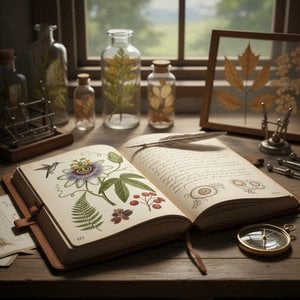
Titian Ramsay Peale II: A Legacy of Botanical Precision & Artistic Innovation
Explore the life & art of Titian Ramsay Peale II, a master of botanical precision and wildlife painting. Discover his legacy bridging art & natural history at ArtsDot.

Топ-10 шедеврів XVIII століття: мистецтво епохи палаців та революцій | ArtsDot
Пориньте у світ мистецтва XVIII століття! Від рококо до неокласицизму – відкрийте 10 шедеврів від Давида, Ватто та інших геніїв. Репродукції картин преміум-якості для вашого дому на ArtsDot.com

Charles Willson Peale: Portraiture, Enlightenment Ideals & Shaping American Identity
Explore the life & art of Charles Willson Peale – Revolutionary portraitist, scientist, and founder of America’s first museum. Discover his iconic paintings of Washington & the Enlightenment ideals that shaped a nation.

