

 Переглянути в інтер'єрі
 Надіслати як листівку
 Поділитися
 Деталі витвору
 Посібник

 Завантажити
 Схожі екземпляри
 Рентгенівське дослідження
 Слайд-шоу
 Питання та відповіді
 Статистика
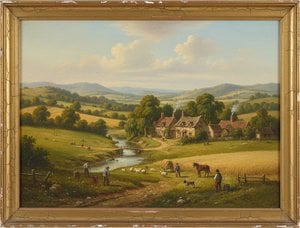
Landscape with a Herd

- 33.0 x 54.0 cm


 Розгорнути текст
Гікле / Художній принт
Друк جيкле або на полотні музейної якості з оперативним виготовленням та різноманітними варіантами фінішної обробки. ( Замовити картину ручної роботи Перейти до цифрових зображень)




P118B ₴10

P118H ₴10

P118W ₴10

P438Z ₴10

P508JH ₴12

P508YH ₴12

P805H ₴10

P805Z ₴10

P919BZ ₴10

P919G ₴10

P919XJ ₴10

P959ZH ₴10

P968JZ ₴12

W106C ₴8

W218G ₴10

W218JH ₴8

W218Y ₴10

W307PJ ₴10

W316G ₴10

W316PJ ₴8

W316Y ₴10

W398PJ ₴8

W4111J ₴10

W500HY ₴15

W500JH ₴15

W692G ₴12

W849H ₴8

W940BG ₴15

W953PJ ₴8




Обирайте з наших стандартних розмірів, що відповідають оригінальним пропорціям твору мистецтва.

Введіть необхідну ширину та висоту, щоб принт ідеально підійшов до вашої рами або стіни. Принт можна лише обрізати, але не можна зробити більшим за оригінал, тому при зміні пропорцій частина зображення буде втрачена. Перед друком ми надсилаємо вам цифровий макет для затвердження. Зображення на цій сторінці не відображає реальну обрізку — її можна побачити лише на макеті.
Доставка по всьому світу () за 2 тижні замість стандартних 4/5 тижнів. (15 Листопад)

Безкоштовна експрес-доставка по всьому світу

Високоякісне лляне полотно

Повне страхове покриття доставки

Гарантія повернення митних зборів

Гарантія точного відтворення кольорів

Політика повернення протягом 100 днів (лише у разі виявлення дефектів)

Гарантія повернення 100% коштів

Пропозиція на оптові замовлення
 Скляний варіант доступний лише для розмірів до 110 см

Landscape with a Herd
Гікле / Художній принт
Розмір репродукції
-


Підсумкова вартість
₴ 2828
A Vision of Rural Tranquility: Exploring Jacque’s Landscape With A Herd
Charles-Émile Jacque's “Landscape With A Herd,” painted in 1872, stands as a quintessential example of Barbizon landscape painting—a movement that championed the honest depiction of rural life and celebrated the sublime beauty of the French countryside. More than just a picturesque scene, this artwork embodies a profound connection to nature and reflects the artistic sensibilities of its time.
Subject Matter & Composition: The painting captures a serene tableau featuring a solitary shepherd guiding his flock along a dusty dirt road. Dominating the canvas is a sprawling meadow bathed in soft sunlight, punctuated by scattered sheep—a deliberate choice to portray the everyday realities of rural existence. Two horses graze peacefully nearby, adding depth and visual interest to the composition.
Style & Technique: Jacque’s masterful brushwork exemplifies the Barbizon style's commitment to tonal gradation and atmospheric perspective. Thick impasto—heavy application of paint—creates a palpable sense of texture, conveying the roughness of the earth and the warmth of the sun. The artist skillfully utilizes muted earthy hues – ochres, browns, greens – to evoke the feeling of a timeless landscape untouched by urban encroachment.
Historical Context: Painted during the Second Barbizon Period (1863-1874), “Landscape With A Herd” emerged from a reaction against Romantic idealism. Artists like Jacque sought inspiration in the landscapes of Touraine and Umbria, rejecting theatrical grandeur for understated realism. This movement represented a significant shift away from idealized depictions of history and mythology towards an appreciation for the tangible beauty of the natural world.
Symbolism & Emotional Impact: Beyond its visual appeal, the painting carries symbolic weight. The shepherd represents diligence and responsibility—a figure rooted in tradition and connected to the land. The sheep symbolize innocence and vulnerability, mirroring humanity’s dependence on nature for sustenance and spiritual renewal. Jacque's work evokes a feeling of quiet contemplation and nostalgia, inviting viewers to reconnect with the restorative power of unspoiled landscapes.
Interior Design Considerations: “Landscape With A Herd” would lend itself beautifully to interior spaces seeking warmth and tranquility. Its muted palette complements neutral tones like beige or gray, creating a harmonious aesthetic that aligns with contemporary trends favoring natural materials and calming colors. Reproductions of this artwork offer an opportunity to bring the serenity of the French countryside into any home.
Питання та відповіді
Звідки приходять відвідувачі «Landscape with a Herd» роботи Шарль Жак?
Для «Landscape with a Herd» існує сторінка Статистика переглядів, на якій відображено щомісячну кількість переглядів цього твору та інших робіт митця з розподілом за країнами та мовами.
Чи дозволено законом відтворювати «Landscape with a Herd» роботи Шарль Жак, що зберігається в Ермітаж?
«Landscape with a Herd» роботи Шарль Жак, що зберігається в Ермітаж, є є суспільним надбанням — термін дії авторського права закінчився. Цей статус визначає можливість створення репродукцій зображення.
Яка техніка була використана для створення «Landscape with a Herd» роботи Шарль Жак?
«Landscape with a Herd» виконано в техніці Oil On Canvas.
Схожі твори мистецтва


Біографія митця
Життя, вкорінене у французьке село
Шарль-Еміль Жак, народився в Парижі у 1813 році, не був приречений на звичний мистецький шлях. Його ранні роки прийняли несподіваний поворот через семирічну службу у французькій армії. Проте навіть у суворій структурі військового життя його вроджений талант знайшов своє вираження — спочатку не в живописі, а в прискіпливій майстерності гравюрування карт. Ця базова підготовка, що вимагала точності та спостережливості, згодом виявилася напрочуд важливою для його подальших мистецьких пошуків, прищепивши йому відданість деталям, яка стала візитною карткою його творчості. Це був малоймовірний початок для художника, який згодом стане синонімом ідилічної краси сільської Франції, проте це красномовно свідчить про адаптивність та природне митство Жака. Покинувши армію, він недовго займався ілюстрацією та карикатурою, працюючи в паризьких журналах, перш ніж знайти своє справжнє покликання у світі офорту та живопису.Прихильність Барбізону та пасторальне бачення
Середина XIX століття привела Жака до Барбізону — маленького села, яке мало стати епіцентром революційного мистецького руху. Тікаючи від епідемій холери, що охопили Париж, він приєднався до Жана-Франсуа Мілле та інших однодумців у пошуках натхнення безпосередньо в природі. Це ознаменувало вирішальний відхід від академічних канонів у бік більш чесного, реалістичного зображення життя. Жак цілком прийняв цей новий підхід, присвятивши себе втіленню суті сільського існування: тихої гідності пастухів, що доглядають за своїми стадами, лагідного ритму фермерської праці, простої краси худоби на залитих сонцем полях. Його картини не були лише зображенням сцен; вони були сповнені глибокого відчуття спокою та гармонії, відображаючи щиру любов до світу природи. Він не просто малював овець чи сараї; він передавав почуття, атмосферу — шану до пасторального життя, яка знаходила глибокий відгук у серцях глядачів.Майстер різних технік: живопис та гравюра
Мистецька майстерність Жака виходила далеко за межі живопису. Він здобув славу майстра офорту та гравюра, відродивши техніки XVII століття та розширивши межі тиражної графіки. Його ецьюди були вшановані за їхню сміливість і продуманий сюжет, що принесло йому похвалу від таких критиків, як Шарль Бодлер. Анрі Беральді виокремлював два різні періоди в графічному стилі Жака: ранній етап, натхненний голландськими віньєтками та сповнений спонтанності, і пізніший період, позначений більшими, деталізованими пластинами, що демонстрували виняткове майстерство. Ця подвійна опанованість — і пензля, і штихеля — дозволила йому охопити ширшу аудиторію та зміцнити свою репутацію значущої постаті у світі мистецтва. Він не розглядав живопис і гравюру як окремі дисципліни, а радше як взаємодоповнювальні шляхи для вираження свого художнього бачення. Його ілюстрації до літературної класики, включаючи видання «Вікарія Векфілда» Голдсміта та «Живописну Грецію» Вордсворта, ще раз продемонстрували його універсальність і талант.Спадщина та тривалий вплив
Шарль-Еміль Жак помер у 1894 році, залишивши по собі багату мистецьку спадщину, яка продовжує захоплювати глядачів і сьогодні. Він відіграв життєво важливу роль у формуванні реалізму у французькому мистецтві, прокладаючи шлях майбутнім поколінням художників, які прагнули зображувати життя з чесністю та чутливістю. Його пристрасть до зображення сільського життя підняла жанрову живопис — сцени з повсякденного буття — до визначного місця в мистецькому ландшафті.- Першопроходець відродження офорту: Відродження Жаком технік офорту XVII століття суттєво вплинуло на розвиток графіки.
- Вплив на Мілле: Його ранні роботи та ецьюди глибоко вплинули на його друга та колегу по школі Барбізон, Жана-Франсуа Мілле. <лі>Захисник сільського життя: Він увічнив красу та гідність сільського життя у Франції, створивши тривалий візуальний запис зникаючого способу існування.

Шарль Жак
1813 - 1894 , Франція
Короткі факти
- Artistic Movement Or Style: Барбізонська школа
- Artists Or Movements Influenced By This Artist: ['Реалізм']
- Artists Who Influenced This Artist: ['Адріан ван Остаде']
- Date Of Birth: 1813
- Date Of Death: 1894
- Full Name: Шарль-Еміль Жак
- Nationality: Француз
- Notable Artworks:
- Маленький синій хлопчик
- Овчарня
- Пастушка
- Place Of Birth: Париж, Франція
Пов'язані статті

Evoking Arcadia: A Historical & Aesthetic Exploration of Rural Landscape Art
Explore the rich history of pastoral landscape art, from classical Arcadia to Impressionism & beyond. Discover key artists, movements, and how to collect serene rural scenes for your home. Expert insights at ArtsDot.

Charles-François Daubigny: Pioneering Atmospheric Light & Barbizon Realism
Explore the life & art of Charles-François Daubigny, a pivotal Barbizon School painter. Discover his innovative landscapes, mastery of light, and influence on Impressionism. High-quality reproductions available.

Echoes of Rural Life: Art's Enduring Representations of the Countryside
Explore the rich history of rural life in art! Discover masterpieces from Millet to Mauve & beyond. Learn about Realism, Barbizon School & find inspiration for your home with ArtsDot.
Evocations of Rural Life: A Historical Journey Through Landscape Painting
Explore the rich history of rural life in painting! Discover Impressionist masterpieces, Italian Macchiaioli scenes & the enduring appeal of pastoral landscapes. Find your perfect artwork at ArtsDot.

The Barbizon School: Pioneering Realism & the Pastoral Vision in 19th-Century French Painting
Explore the Barbizon School's pivotal role in 19th-century French painting. Discover how these artists revolutionized landscape art with their commitment to Realism and a profound connection to nature. Learn about key figures like Rousseau, Millet & Corot.
