


 Переглянути в інтер'єрі
 Надіслати
 Поділитися
 Деталі
 Посібник

 Завантажити
 Схожі предмети колекціонування
 Рентгенівське дослідження
 Слайд-шоу
 Статистика переглядів
Project for
 50.0 x 55.0 cm
 MAGA - Museo Arte Gallarate
 Читати далі
Мистецький твір, представлений на цій сторінці, захищений законом про авторське право, що унеможливлює легальне створення або продаж його ідентичної репродукції. Цей захист забезпечується відповідно до міжнародних угод, таких як Бернська конвенція та національним законодавством, зокрема положеннями, що викладені в Законодавство США про авторське право — Розділ 17. Всі права захищені. Будь-яке використання без дозволу заборонено.
Як шанобливу та законну альтернативу, ми пропонуємо унікальні картини ручної роботи, створені натхненням від оригіналу. Наші досвідчені професійні художники ретельно вивчають стиль, настрій та художню сутність оригіналу, щоб створити новий, неповторний твір, який викликає ті ж почуття, — залишаючись при цьому самобутнім творінням.
Цей метод повністю відповідає нормам авторського права, оскільки він не передбачає копіювання чи дублювання захищеного твору мистецтва. Натомість це творче переосмислення — створення нового малюнка під впливом оригіналу, який не є його точним відтворенням.
Олійная репродукція ручної роботи
Написана вручну олією на полотні у вашому розмірі та рамі, виготовлена на замовлення нашими художниками. ( Перейти до друку Перейти до цифрових зображень)




































Обирайте з наших стандартних розмірів, що відповідають оригінальним пропорціям твору мистецтва.

Введіть необхідну ширину та висоту, щоб картина підійшла до вашої рами або стіни. Оскільки це ручний розпис, для розміру іншої форми художник може написати трохи більше навколо картини або трохи обрізати її — вибір за вами. Перед початком роботи ми надішлемо вам цифровий макет для затвердження. Зображення, показане на цій сторінці, не є реальним результатом — лише макет відображає майбутній вигляд.
Після оформлення замовлення команда ArtsDot.com зв'яжеться з клієнтом електронною поштою для отримання інструкцій та надасть попередній макет
Доставка по всьому світу () за 3–4 тижні замість стандартних 5 тижнів. (22 Жовтень). Без жодних компромісів у якості.

Безкоштовна експрес-доставка по всьому світу

Високоякісне лляне полотно

Повне страхове покриття доставки

Гарантія повернення митних зборів

Гарантія точного відтворення кольорів

Політика повернення протягом 100 днів (лише у разі виявлення дефектів)

Гарантія повернення 100% коштів

Знижка на оптові замовлення
 Скляний варіант доступний лише для розмірів до 110 см

Project for
Техніка репродукції
Розмір репродукції
-


Загальна вартість
₴ 11799
Схожі твори мистецтва


Біографія митця
Bruno Munari: A Life in Art and Design
Early Life and Education
- Born on October 24, 1907, in Milan, Italy, Bruno Munari was a pivotal figure in 20th-century art, design, and graphics.
- His childhood was spent largely in Badia Polesine after his family relocated to run a hotel. This rural upbringing likely fostered an early sense of observation and resourcefulness.
- He returned to Milan in 1926 and initially worked with his engineer uncle before dedicating himself to artistic pursuits.
Futurism and Early Artistic Development
- In 1927, Munari embraced the principles of Futurism, aligning himself with Filippo Marinetti and participating in numerous exhibitions. This early exposure to the movement’s dynamism and rejection of traditional forms profoundly shaped his aesthetic sensibility.
- From 1930 to 1938, he collaborated with Riccardo Castagnedi (Ricas) as a graphic designer, honing his skills in visual communication.
- A trip to Paris in 1933 brought him into contact with influential figures like Louis Aragon and André Breton, broadening his artistic horizons.
Mid-Career: Design, Publishing & War Years
- Between 1938 and 1943, Munari served as a press graphic designer for Mondadori publishing house, also acting as art director for the magazines Tempo and Grazia.
- During this period, he began designing books for children, initially inspired by his son Alberto. This marked the beginning of a lifelong interest in pedagogy and accessible design.
- The experience of World War II led Munari to disassociate himself from Italian Futurism due to its increasingly proto-fascist leanings.
Concrete Art & Post-War Innovation
- In 1948, Munari co-founded Movimento Arte Concreta (MAC), the Italian movement for Concrete Art, alongside Gillo Dorfles, Gianni Monnet, and Atanasio Soldati. This signaled a shift towards abstraction and geometric forms.
- The 1940s and 50s saw Munari designing a wide range of objects for Italian industry – from light fixtures and ashtrays to televisions, espresso machines, and toys. He believed in the integration of art and everyday life.
Later Life & Legacy
- Concerned about misinterpretations of his diverse body of work, Munari enlisted art historian Miroslava Hajek in 1969 to curate a selection of his most important pieces. This collection aimed to showcase the thematic coherence and evolution of his artistic philosophy.
- Munari’s work extended beyond traditional art forms; he explored games, didactic methods, movement, tactile learning, and creativity, demonstrating a holistic approach to design and education.
- He died in Milan on September 29, 1998, leaving behind a vast and influential legacy.
Major Achievements & Historical Significance
- Pioneering multidisciplinary artist: Munari seamlessly blended art, design, and pedagogy, challenging conventional boundaries.
- Influence on Italian Design: His industrial designs helped shape the aesthetic of post-war Italy.
- Advocate for Tactile Learning: He developed innovative educational materials that emphasized hands-on experience and sensory exploration.
- Champion of Concrete Art: Munari’s contribution to MAC solidified his place in the history of abstract art.
- Lasting Impact on Graphic Design: His graphic work remains influential for its clarity, simplicity, and innovative use of typography.
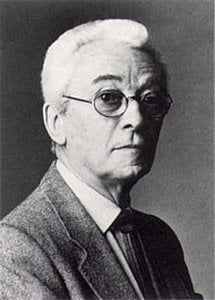
Bruno Munari
1907 - 1998 , Italy
Довідкова інформація
- Name: Bruno Munari
- Movement:
- Futurism
- Concrete Art
- Birth Date: 1907-10-24
- Death Date: 1998-09-29
- Birth Place: Milan, Italy
- Nationality: Italian
- Date Of Birth: 1907
- Date Of Death: 1998
- Influenced By: Marinetti
- Notable Works:
- Otto colori in un quadrato
- Progetto grafico di tessuto per la X Triennale di Milano
- Place Of Birth: Milan, Italy