

 Переглянути в інтер'єрі
 Надіслати як листівку
 Поділитися
 Деталі витвору
 Посібник

 Завантажити
 Схожі екземпляри
 Рентгенівське дослідження
 Слайд-шоу
 Q&A
Q&A Статистика
Maternity


 Розгорнути текст
Мистецький твір, представлений на цій сторінці, захищений законом про авторське право, що унеможливлює легальне створення або продаж його ідентичної репродукції. Цей захист забезпечується відповідно до міжнародних угод, таких як Бернська конвенція та національним законодавством, зокрема положеннями, що викладені в Законодавство США про авторське право — Розділ 17. Всі права захищені. Будь-яке використання без дозволу заборонено.
Цей метод повністю відповідає нормам авторського права, оскільки він не передбачає копіювання чи дублювання захищеного твору мистецтва. Натомість це творче переосмислення — створення нового малюнка під впливом оригіналу, який не є його точним відтворенням.
Гікле / Художній принт
Друк جيкле або на полотні музейної якості з оперативним виготовленням та різноманітними варіантами фінішної обробки. ( Замовити картину ручної роботи Перейти до цифрових зображень)




































Обирайте з наших стандартних розмірів, що відповідають оригінальним пропорціям твору мистецтва.

Введіть необхідну ширину та висоту, щоб принт ідеально підійшов до вашої рами або стіни. Принт можна лише обрізати, але не можна зробити більшим за оригінал, тому при зміні пропорцій частина зображення буде втрачена. Перед друком ми надсилаємо вам цифровий макет для затвердження. Зображення на цій сторінці не відображає реальну обрізку — її можна побачити лише на макеті.
Доставка по всьому світу () за 2 тижні замість стандартних 4/5 тижнів. (2 Листопад)

Безкоштовна експрес-доставка по всьому світу

Високоякісне лляне полотно

Повне страхове покриття доставки

Гарантія повернення митних зборів

Гарантія точного відтворення кольорів

Політика повернення протягом 100 днів (лише у разі виявлення дефектів)

Гарантія повернення 100% коштів

Пропозиція на оптові замовлення
 Скляний варіант доступний лише для розмірів до 110 см

Maternity
Гікле / Художній принт
Розмір репродукції
-


Підсумкова вартість
₴ 2797
Питання та відповіді
Чи залишився твір «Maternity» у батьківщині свого автора?
Ні — твір зберігається за кордоном. Твір "Maternity" зберігається в Італія, тоді як Baule People народився(-лася) в Ivory Coast.
Як побудована колірна композиція «Maternity» роботи Baule People?
Колірна композиція «Maternity» роботи Baule People поєднує в собі Gentle контраст із Balanced Harmony гармонією.
Коли було створено та до якого стилю належить твір «Maternity» роботи Baule People?
«Maternity» було створено у 1900 році в межах течії Tribal Art.
Схожі твори мистецтва


Біографія митця
A Legacy of Masks and Spiritual Symbolism
The Baule people, hailing from the heart of central Ivory Coast in West Africa, possess one of the most prolific and sophisticated sculptural traditions on the continent. Their artistic heritage is not merely a collection of objects but a profound visual language deeply intertwined with religious beliefs, primarily centered around ancestor worship and a complex cosmology that governs every facet of daily life. This creative lineage stretches back centuries, shaped by the historic migrations from Ghana and enduring interactions with various external powers. The resulting art reflects a resilient culture that has successfully preserved its distinct identity through periods of significant social change.
< p>According to oral tradition, the Baule people originated in Ghana before embarking on a monumental westward migration around 1730. Led by the legendary Queen Abla Pokou, this journey was driven by necessity as they sought to cross the Komoe River, a perilous trek that ultimately cemented their identity as a unified and determined people. This movement profoundly influenced Baule social organization, fostering a decentralized governance system that prioritizes communal harmony. As they settled in the fertile region between the Bandama and N'Zi rivers—a territory often described as the Baoule “V”—their unique cultural practices and artistic styles began to flourish, creating a distinct aesthetic footprint in West Africa.The Soul in the Wood: Forms and Symbolism
Baule sculpture is celebrated for its remarkable diversity and technical mastery, ranging from monumental statues that honor ancestors to exquisitely detailed masks used in sacred ceremonial rituals. Most of these works are meticulously carved from hardwood, often adorned with intricate geometric patterns and stylized representations of both human and animal forms. Every motif carries a profound symbolic weight, acting as a bridge between the physical world and the spirit realm. The artistry is characterized by a delicate balance of realism and abstraction, where the beauty of the carving serves to honor the spiritual essence within.
A fascinating aspect of Baule sculpture lies in its representation of the unseen. Statuettes often depict asie usu, or spirits of the forest, alongside blolo bian and blolo bla, known as the “spouses of the afterlife.” While these forest spirits are sometimes described as fearsome, artists frequently render them with beautiful, serene features in an attempt to appease their potential wrath. Similarly, the figures representing spirit spouses are sculpted with great care; because the Baule believe that individuals abandon their otherworldly partners at birth, these figurines are crafted exactly as the spouse wishes to be seen. This practice is intended to prevent spiritual grievances that might manifest as illness or misfortune, making the art a vital tool for maintaining cosmic balance.
Ritual Performance and Cultural Significance
The true vitality of Baule art is perhaps most visible during the Goli festival, a centerpiece of ritual performance and communal expression. During these celebrations, masks become living entities, embodying spiritual power and conveying ancestral narratives through dance and movement. The Kple Kple zoomorphic masks and other iconic facial carvings are not merely static museum pieces but active participants in the social fabric, used to communicate with the divine and reinforce the lineage of the community. Through these performances, the Bauet people ensure that their history and spiritual values remain vibrant and accessible to each new generation.
The historical significance of Baule art extends far beyond its original ritual context. The meticulous attention to detail, such as the elongated breasts in maternity figures symbolizing the importance of breastfeeding, and the use of stools to denote high social status, provides a window into the values of a society that prizes fertility, lineage, and hierarchy. Today, this enduring legacy continues to inspire scholars and contemporary artists worldwide, standing as a testament to the power of art to preserve the soul of a people.

Baule People
Ivory Coast
Короткі факти
- Full Name: Baule People
- Nationality: African
- Place Of Birth: Ivory Coast
- Notable Artworks:
- Masks
- Sculptures
- Artistic Movement Or Style: Traditional African Art
Пов'язані статті

The Enduring Form: Sculpture Across History, Technique & Emotional Resonance
Explore the rich history of sculpture with ArtsDot. Discover key techniques, influential artists & investment potential for discerning collectors. Expert insights into valuing and collecting timeless masterpieces.
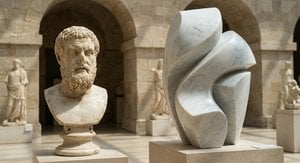
The Enduring Allure of Marble in Art History: From Classical Sculpture to Modern Abstraction
Explore the captivating history of marble sculpture from ancient Greece to modern art. Discover renowned artists like Canova & Michelangelo, carving techniques, and investment insights at ArtsDot.

10 легендарних бронзових скульптур, що змінили мистецтво | ArtsDot
Відкрийте 10 легендарних бронзових скульптур, що змінили хід мистецтва! Дізнайтесь історії Мікеланджело, Родена та інших геніїв. Репродукції картин преміум-класу для вашого дому – на ArtsDot.com

10 Легендарних Бронзових Шедеврів, Які Змінили Мистецтво | ArtsDot
Відкрийте для себе 10 легендарних бронзових шедеврів, що змінили мистецтво! Історія створення, художні техніки та вплив скульпторів Ренесансу й Античності. Купуйте репродукції картин на ArtsDot.com – музейна якість для вашого дому.

The Enduring Form: Exploring Themes & Techniques in Sculpture Across Historical Periods
Explore the rich history of sculpture from ancient masterpieces to contemporary innovations. Discover key techniques, influential artists & investment potential for discerning art collectors.