

 Переглянути в інтер'єрі
 Надіслати як листівку
 Поділитися
 Детальніше

 Завантажити
 Схожі експонати
 Рентгенівське дослідження
 Слайд-шоу
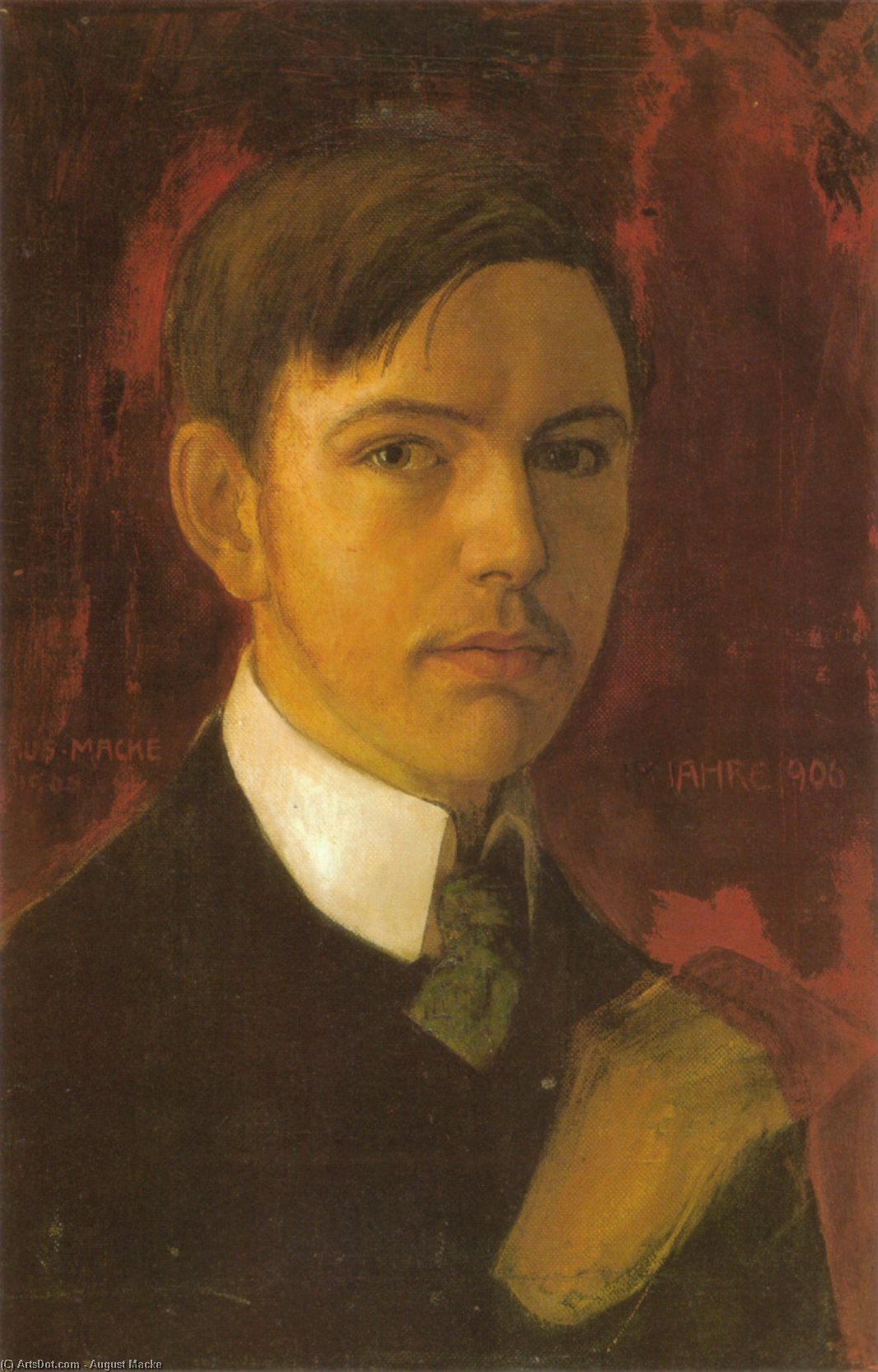
Self-portrait
 Oil
Oil- WallArt
- Expressionism
 1906
1906- Modern
 54.0 x 35.0 cm
 Читати далі
Гікле / Художній принт
Музейна якість друку جيкле або на полотні з оперативним виготовленням та різноманітними варіантами фінішної обробки. ( Замовити репродукцію ручної роботи Купити цифрове зображення)




P118B $10

P118H $10

P118W $10

P438Z $10

P508JH $12

P508YH $12

P805H $10

P805Z $10

P919BZ $10

P919G $10

P919XJ $10

P959ZH $10

P968JZ $12

W106C $8

W218G $10

W218JH $8

W218Y $10

W307PJ $10

W316G $10

W316PJ $8

W316Y $10

W398PJ $8

W4111J $10

W500HY $15

W500JH $15

W692G $12

W849H $8

W940BG $15

W953PJ $8




Обирайте з наших стандартних розмірів, що відповідають оригінальним пропорціям твору мистецтва.

Ви можете вказати власні розміри, щоб репродукція ідеально підійшла до конкретної рами або інтер'єру. Якщо обраний вами розмір не відповідає пропорціям оригіналу, ми або обріжемо полотно, або розширимо зображення за допомогою дзеркального відображення чи суцільної заливки країв. Перед початком виробництва вам буде надіслано цифровий макет для затвердження.
Будь ласка, зверніть увагу, що попередній перегляд на екрані не відображає фактичне обрізання або розширення. Тільки макет точно покаже фінальну композицію.
Хоча можливість замовлення індивідуальних розмірів доступна, ми рекомендуємо обирати формат із попередньо визначеного списку, щоб зберегти оригінальні пропорції.
Доставка по всьому світу () за 2 тижні замість стандартних 4/5 тижнів. (17 Серпень)

Безкоштовна експрес-доставка по всьому світу

Високоякісне лляне полотно

Повне страхове покриття доставки

Гарантія відшкодування митних зборів

Гарантія точного відтворення кольорів

Політика повернення протягом 60 днів (лише у разі виявлення дефектів)

Гарантія повернення 100% коштів

Пропозиція на оптові замовлення
 Скляний варіант доступний лише для розмірів до 110 см

Self-portrait
Гікле / Художній принт
Розмір репродукції
-


Підсумкова вартість
$ 62
Опис експоната
A Moment Frozen in Time: The Introspection of August Macke
In the quiet, focused gaze of Self-portrait (1906), we encounter a rare moment of stillness from an artist whose life would soon be swept up in the turbulent currents of German Expressionism. Before the vibrant, kaleidoscopic colors of his later works defined his legacy, this early piece captures August Macke in a state of profound introspection. The painting presents a man with short, neatly groomed hair, dressed in the formal elegance of a white shirt and tie—an attire that suggests a sense of dignity and perhaps a preparation for the public eye. Yet, beneath this composed exterior, there is an unmistakable depth to his expression. His eyes, directed toward the viewer, hold a serious, contemplative weight that invites us to look beyond the surface of the canvas and into the psyche of a young creator on the cusp of greatness.
The composition of this work serves as a masterclass in early twentieth-century portraiture, balancing the intimacy of the subject with a structured, almost architectural background. While the man remains the undeniable focal point, the subtle presence of decorative elements in the periphery hints at an environment rich with culture and aesthetic awareness. The technique employed here reflects Macke’s formative years at the Düsseldorf Art Academy, where he honed his ability to render texture and light with meticulous care. There is a palpable sense of realism in the way the fabric of his shirt catches the light, contrasted against the more shadowed, enigmatic depths of the background. This interplay between clarity and mystery creates a tension that keeps the viewer perpetually engaged, searching for meaning within the artist's steady stare.
For the discerning collector or interior designer, this self-portrait offers much more than mere decoration; it provides a window into the soul of a lost generation. As an era-defining piece from 1906, it carries the historical gravity of the pre-war period, capturing a sense of peace and intellectual rigor before the world was irrevocably changed by conflict. The painting’s sophisticated palette and balanced proportions make it an ideal centerpiece for a curated gallery wall or a refined study. It possesses a timeless emotional impact, evoking feelings of nostalgia, respect, and quiet strength. To possess a reproduction of this work is to bring a piece of art history into one's personal space—a tribute to the enduring power of the human spirit and the transformative beauty of the expressive gaze.
Схожі твори мистецтва


Біографія митця
A Life Cut Short: The Vibrant World of August Macke
August Robert Ludwig Macke, a name inextricably linked to the brief but intensely vibrant era of German Expressionism, lived a life tragically curtailed by the horrors of World War I. Born in Meschede, Westphalia, on January 3, 1887, his artistic journey was one of rapid transformation and passionate exploration – a relentless pursuit of capturing not just what he saw, but how he *felt* about it. From his early years spent amidst the coal-mining landscape of his hometown to his formative years in Bonn and later Düsseldorf, Macke’s life was shaped by an insatiable curiosity for new styles and a profound desire to translate the emotional resonance of the world onto canvas. His formal training at the Düsseldorf Art Academy (1904-1906) under Adolf Maennchen provided him with a solid foundation, but it was through independent study, travel, and encounters with groundbreaking artists that his unique voice truly began to emerge.Influences and Artistic Evolution
Macke’s artistic trajectory was profoundly shaped by the currents of early 20th-century art. A pivotal moment arrived in Paris in 1912, where he encountered Robert Delaunay, a leading figure in Orphism – a branch of Cubism that prioritized pure abstraction and dazzling color harmonies. This encounter proved transformative, introducing Macke to the concept of simultaneous contrast and fundamentally altering his approach to composition. He began experimenting with broken planes of color, fragmented forms, and an emphasis on capturing the *feeling* of light and space rather than strict representational accuracy. Simultaneously, his close friendship with Franz Marc, a key member of Der Blaue Reiter (The Blue Rider), drew him into the orbit of Wassily Kandinsky and other avant-garde thinkers. While Macke’s style diverged from Kandinsky's more purely abstract explorations, he embraced the group’s spirit of artistic freedom and its exploration of spiritual themes. His early works often reflected this influence, displaying a sensitivity to color and form that foreshadowed his later developments. He also absorbed elements of Fauvism, particularly in his use of bold, non-naturalistic colors, and Futurism's emphasis on dynamism and movement.The Blue Rider and the Pursuit of Harmony
As an integral member of Der Blaue Reiter, Macke played a crucial role in shaping the group’s artistic direction and disseminating its radical ideas. The Blue Rider collective sought to break free from traditional academic constraints and explore new ways of expressing emotion and spirituality through art. Macke contributed significantly to their exhibitions and publications, helping to establish the movement's reputation for innovation and experimentation. However, he wasn’t simply a passive participant; he forged his own distinctive path within the group. Unlike some of his colleagues who leaned towards darker, more angst-ridden themes, Macke consistently sought to portray beauty and harmony in the world around him – capturing the joy of sunlight on water, the vitality of rural life, and the simple pleasures of everyday existence. His paintings, such as *Bathing Girls with Town in the Background*, exemplify this approach: vibrant colors, simplified forms, and a sense of idyllic tranquility characterize his work. He masterfully blended elements of Fauvism, Cubism, and Futurism into a uniquely personal style, creating compositions that are both visually arresting and emotionally resonant. Woman in a Green Jacket, painted in 1913, is another prime example – a portrait radiating warmth and vitality through its bold color palette and confident brushwork.A Tragic End and Lasting Legacy
The outbreak of World War I brought an abrupt and devastating end to Macke’s promising career. Driven by patriotic fervor, he volunteered for military service in 1914, a decision that ultimately led to his tragic demise. He was killed in action on September 26th, near Champagne, France, at the young age of 27 – just weeks after arriving on the front lines. His final painting, *Farewell*, poignantly captures the somber mood that enveloped Europe as war engulfed the continent. Despite his untimely death, August Macke’s artistic legacy endures. He remains a significant figure in the history of Expressionism, celebrated for his vibrant colors, dynamic compositions, and optimistic vision. His paintings offer a powerful glimpse into a world on the cusp of change – a world grappling with uncertainty yet still imbued with beauty and hope.Exploring Macke’s World Today
Today, August Macke's works are held in prestigious collections across the globe, including the Staatsgalerie Moderner Kunst in Munich, the Museum Ludwig in Cologne, and the Kunsthaus Zürich. Several museums dedicated to Expressionism prominently feature his paintings, providing visitors with a valuable opportunity to experience the power of his art firsthand. The Westfälisches Landesmuseum Münster and the Kunstmuseum Bonn are particularly noteworthy for their extensive holdings of Macke’s work. His influence can be seen in the continued exploration of color and emotion by contemporary artists. Resources like Artnet and Wikipedia provide invaluable biographical information and insights into his artistic development, allowing art enthusiasts to delve deeper into his world and appreciate the enduring appeal of this remarkable artist whose life was tragically cut short but whose legacy continues to shine brightly.
Авґуст Макке
1887 - 1914 , Німеччина
Короткі факти
- Artistic Movement Or Style: Експресіонізм
- Artists Or Movements Influenced By This Artist: ['Der Blaue Reiter']
- Artists Who Influenced This Artist:
- Роберт Делаunay
- Франц Мак
- Date Of Birth: 3 січня 1887
- Date Of Death: 26 вересня 1914
- Full Name: August Robert Ludwig Macke
- Nationality: Німецький
- Notable Artworks:
- Жінка в зеленому піджаку
- Купальники з містом на задньому плані
- Турецька кав'ярня
- Place Of Birth: Мецеде, Німеччина
Пов'язані статті

Топ-10 шедеврів у білих тонах: мистецтво світла та простору від ArtsDot
Відкрийте для себе 10 легендарних картин, де білий колір стає головним героєм! Історія Моне, Ван Гога та інших майстрів. Купіть репродукції шедеврів імпресіонізму на ArtsDot.com – мистецтво для вашого дому.

10 шедеврів німецького експресіонізму, що змінили мистецтво | ArtsDot
Пориньте у світ німецького експресіонізму! 10 шедеврів від Кандинського, Кірхнера та інших – історія творчості, емоцій та кольорів. Купуйте репродукції картин на ArtsDot.com та створіть неповторний інтер'єр.

The Visceral Cry of a Nation: Exploring Emotion & Distortion in German Expressionism
Explore the powerful world of German Expressionism with ArtsDot. Discover Kirchner, Nolde & Die Brücke's emotive masterpieces. Learn about this pivotal art movement and its lasting impact on modern art.
The Subtleties of White: Exploring Absence, Light & Symbolism in Art History
Explore the profound symbolism & history of white in art! From ancient purity to modern abstraction, discover how artists have used absence & light. Expert insights from ArtsDot.
Figurative Expressionism: Emotional Intensity & Subjective Reality in 20th-Century Art
Explore the powerful world of Figurative Expressionism with ArtsDot. Discover key artists like Kirchner & Beckmann, understand its emotional depth, and learn how to collect this influential 20th-century art movement.



