

 Переглянути в інтер'єрі
 Надіслати як листівку
 Поділитися
 Деталі витвору
 Посібник

 Завантажити
 Схожі екземпляри
 Рентгенівське дослідження
 Слайд-шоу
 Питання та відповіді
 Статистика
Colored Composition of Forms, 1914


 Розгорнути текст
Гікле / Художній принт
Друк جيкле або на полотні музейної якості з оперативним виготовленням та різноманітними варіантами фінішної обробки. ( Замовити картину ручної роботи Перейти до цифрових зображень)




P118B ₴10

P118H ₴10

P118W ₴10

P438Z ₴10

P508JH ₴12

P508YH ₴12

P805H ₴10

P805Z ₴10

P919BZ ₴10

P919G ₴10

P919XJ ₴10

P959ZH ₴10

P968JZ ₴12

W106C ₴8

W218G ₴10

W218JH ₴8

W218Y ₴10

W307PJ ₴10

W316G ₴10

W316PJ ₴8

W316Y ₴10

W398PJ ₴8

W4111J ₴10

W500HY ₴15

W500JH ₴15

W692G ₴12

W849H ₴8

W940BG ₴15

W953PJ ₴8




Обирайте з наших стандартних розмірів, що відповідають оригінальним пропорціям твору мистецтва.

Введіть необхідну ширину та висоту, щоб принт ідеально підійшов до вашої рами або стіни. Принт можна лише обрізати, але не можна зробити більшим за оригінал, тому при зміні пропорцій частина зображення буде втрачена. Перед друком ми надсилаємо вам цифровий макет для затвердження. Зображення на цій сторінці не відображає реальну обрізку — її можна побачити лише на макеті.
Доставка по всьому світу () за 2 тижні замість стандартних 4/5 тижнів. (14 Листопад)

Безкоштовна експрес-доставка по всьому світу

Високоякісне лляне полотно

Повне страхове покриття доставки

Гарантія повернення митних зборів

Гарантія точного відтворення кольорів

Політика повернення протягом 100 днів (лише у разі виявлення дефектів)

Гарантія повернення 100% коштів

Пропозиція на оптові замовлення
 Скляний варіант доступний лише для розмірів до 110 см

Colored Composition of Forms, 1914
Гікле / Художній принт
Розмір репродукції
-


Підсумкова вартість
₴ 2828
A Burst of Color and Fragmented Form: August Macke’s *Colored Composition of Forms* (1914)
August Macke's Colored Composition of Forms, painted in the tumultuous year of 1914, is a captivating testament to the burgeoning energy of German Expressionism. This vibrant work, dominated by a central tennis racket – a seemingly mundane object elevated to symbolic importance – embodies Macke’s exploration of modern life and his desire to capture fleeting moments of intense feeling. The painting isn't simply a depiction; it’s an emotional resonance rendered in bold color and fractured forms. Created just months before the artist’s untimely death at the age of 27, the work carries with it the weight of a generation poised on the brink of war, reflecting both optimism and a profound sense of unease.
- Subject Matter: The central focus is undeniably the tennis racket, an object associated with leisure, sport, and perhaps even a yearning for escape. However, Macke doesn’t present it as a static subject; rather, it's integrated into a dynamic composition of shapes and objects.
- Style & Technique: Macke employs a technique that blends elements of Post-Impressionism with the nascent principles of Expressionism. Thick impasto brushstrokes build up layers of color, creating a tactile surface and emphasizing the physicality of the paint itself. The fragmented forms contribute to a sense of disorientation and emotional intensity, characteristic of the movement’s exploration of subjective experience.
Color as Emotion: Macke's Palette
Macke’s use of color is utterly crucial to understanding this work. He rejects naturalistic representation in favor of an intensely chromatic approach. The palette – a riot of blues, greens, yellows, and reds – isn’t intended to mimic reality but rather to convey emotion directly. The vibrant hues evoke a sense of energy, excitement, and perhaps even anxiety. Notice how the cooler tones of blue and green are juxtaposed with the warmer shades of yellow and red, creating visual tension and amplifying the painting's emotional impact. This deliberate manipulation of color aligns perfectly with the Expressionist desire to express inner feelings rather than simply depict external appearances.
Symbolic Layers & Historical Context
The inclusion of seemingly random objects – a bowl, a cup, and other scattered items – adds layers of symbolic meaning. These fragments could represent the brokenness of modern life, the anxieties surrounding rapid industrialization, or perhaps even the artist’s own fragmented state of mind. Painted in 1914, a year marked by political instability and impending war, the work resonates with the broader historical context of the time. Macke was deeply concerned with portraying the experiences of ordinary people – particularly children – and his art reflects this social consciousness.
Emotional Impact & Artistic Legacy
Colored Composition of Forms is more than just a visually striking painting; it’s an emotionally charged experience. The dynamic composition, bold colors, and fragmented forms combine to create a powerful sense of movement and energy. Macke's work foreshadowed the key tenets of Expressionism – a focus on subjective emotion, distortion of form, and the use of color as a primary means of expression. It stands as a poignant reminder of a brilliant artist’s tragically short career and his significant contribution to the development of modern art.
Питання та відповіді
Які кольори переважають у «Colored Composition of Forms, 1914» роботи Август Маке?
Колірна ідентичність «Colored Composition of Forms, 1914» роботи Август Маке: палітра у стилі Earthy, де домінує Gray (#567176).
До якого художнього напряму належить «Colored Composition of Forms, 1914» роботи Август Маке?
«Colored Composition of Forms, 1914» — це твір у стилі German Expressionism. Назва течії вказує на художню традицію, до якої належить цей твір.
Наскільки насиченими є кольори у «Colored Composition of Forms, 1914» роботи Август Маке?
Кольори в «Colored Composition of Forms, 1914» роботи Август Маке мають Balanced насиченість.
Схожі твори мистецтва


Біографія митця
Ранні роки, родина та навчання
Історія Августа Маке бере свій початок у німецькому містечку Мешеде, де він народився 3 січня 1887 року. Він був єдиним сином у парі Августа Фрідріха Германа Маке, підрядника та художника-аматора, та Марії Флорентіни. Дитинство митця було нерозривно пов'язане з мінливими долями батьківської компанії, що змушувало родину переїжджати з Кельна до Бонна. Навіть у дитинстві в ньому відчувався непереборний потяг до візуального самовираження; свої перші роки він провів, створюючи ескізи та декорації для шкільних вистав, знаходячи спосіб переносити навколишній світ на папір задовго до того, як вперше переступив поріг академії.
Його офіційна мистецька освіта розпочалася всерйоз, коли він вступив до Дюссельдорфської академії мистецтв, де навчався з 1904 по 1906 рік. Під керівництвом Адольфа Меннхена він опановував дисципліну традиційної техніки, проте його душа, здавалося, прагнула чогось значно масштабнішого. Це внутрішнє неспокійне пошукання змусило його шукати нові знання на вечірніх курсах у Фріца Хельмута Емке. Жага до досконалості в ремеслі привела його до Берліна, де він навчався у німецького художника Ловіса Корінта. Ці роки суворого навчання заклали технічний фундамент, на якому він згодом вибудує свою унікальну візуальну мову, поступово віддаляючись від жорстких рамок раннього навчання у бік більш особистого, інтуїтивного сприйняття світу.
Вплив французького модернізму
Вулиці Парижа виявляли могутню тягу до молодого митця, відволікаючи його від традиційних канонів академічного навчання. Під час своєї першої подорожі до міста у 1907 році він відчув глибокий відгук на творчість імпресіоністів. Август Маке почав наслідувати їхній підхід, намагаючись вловити гру світла через витончене, плямисте розмальовування кольорами. Це не було мимолітним захопленням; він часто повертався до Парижа в період між 1907 та 1912 роками, дозволяючи атмосфері французької столиці докорінно переосмислити його сприйняття полотна.
Переломний момент настав у 1912 році, коли він зустрів Робера Делоне. Ця зустріч стала справжнім одкровенням, що докорінно змінив вектор його творчості. На нього глибоко вплинув хроматичний кубізм Делоне — стиль, у якому головне місце посідають ритм кольору та світла. Цей підхід, що часто асоціюється з орфізмом, спонукав Августа Маке рухатися в бік більш динамічного та нерепрезентативного бачення світу. Він почав експериментувати з роздробленими площинами кольору, прагнучи перекласти відчуття сучасного життя на мову чистого світла та форми.
Участь у «Синьому вершнику»
Траєкторія життя Августа Маке зазнала значних змін у 1909 році, коли він прибув до Мюнхена. Саме там він зустрів Франца Марка — зустріч, що поклала початок глибокій та тривалій дружбі. Цей зв'язок ввів його до кола мислителів та творців, які прагнули вийти за межі простого наслідування природи. До 1911 року Маке став провідним учасником впливової експресіоністської групи, відомої як Der Blaue Reiter — «Синій вершник». Він не просто брав участь у цьому русі; він допомагав формувати його саму суть, роблячи свій внесок у виставки та поширення його радикальних ідей.
Його місце в цьому авангардному колі зміцнилося завдяки тісним зв'язкам з іншими світилами тієї епохи. Він мав глибокий духовний зв'язок із Марком та Паулем Клеє, знаходячи в їхньому товаристві спільне прагнення до духовного та емоційного. Навіть проходячи крізь мінливі ландшафти модернізму, його взаємодія з такими постатями, як Робер Делен, допомагала відточувати його унікальний погляд. У той час як інші учасники групи часто досліджували темніші або тривожніші теми, Маке шукав відчуття гармонії та краси. Він дивився на світ і бачив місце світла та радості, навіть коли політичні тіні Європи вже починали подовжуватися.
Художня техніка та стиль
Август Маке прагнув вловити внутрішній дух сцени, а не просто зовнішню оболонку речей. Його мазок відхилявся від об'єктивного відтворення реальності, натомість намагаючись виразити глибоко приховані почуття та настрої. Для досягнення цієї мети він часто деформував як колір, так і форму, підпорядковуючи фізичний світ своїм емоційним потребам. Його композиції часто спиралися на сміливі кольори та геометричні форми, створюючи відчуття структури серед експресивного потоку його сюжетів. Він знайшов спосіб вплести динамізм італійського футуризму у свої полотна, наповнюючи сцени відчуттям руху та сучасної енергії.
Ця пристрасна гонитва за світлом і кольором досягла свого апогею під час подорожей до Північної Африки. Його туніські акварелі 1914 року демонструють виняткове володіння кольором, захоплюючи інтенсивне, мінливе світло цього регіону. У цих роботах пігмент ніби пульсує власним життям, виходячи за межі простого зображення у бік більш сяючої, духовної сутності. Він не просто малював пейзаж; він малював саме відчуття перебування в ньому.
- Türkisches Café
- Market in Algiers
Ключові твори та шедеври
У міру того, як зріліше ставало його художнє бачення, Август Маке почав вловлювати тихі ритми сучасного життя крізь призму насиченого кольору. У 1913 році він створив Woman in a Green Jacket — полотно, що випромінює особливу життєву силу завдяки своїй сміливій палітрі та впевненим мазкам. Його інтерес до взаємодії світла та міського простору спонукав його до створення картини Large Bright Shop Window, де він досліджував магію світла, що просочується крізь скло. Він часто звертав увагу на прості радощі буття, як це видно на прикладі Bathing girls with town in the backgraund, де він намагався передати відчуття ідилічного спокою через спрощені форми.
Останній період його життя, сформований подорожами до Північної Африки, приніс на його полотна нову світлоносність. Час, проведений в Тунісі, дав початок серії робіт, які багато хто вважає його найвидатнішими досягненнями, серед яких найвизначнішою є Türkisches Café. Саме в цей період було створено Market in Tunis — твір, який пізніше був проданий за 4,1 мільйона доларів (£2,86 мільйона) на аукціоні у 2000 році. Навіть коли над світом вже згущувалися тіні війни, він продовжував знаходити красу в інтимних моментах, як у картині The Couple at a Garden Table, що була продана за 2 мільйони фунтів стерлінгів на аукціоні Christie's у 1997 році.
- 1913: Woman in a Green Jacket
- 1914: Market in Tunis
- 1914: The Couple at a Garden Table
Останні роки та трагічна смерть
1914 рік приніс раптову зміну того світла, яке так прагнув впіймати Август Маке. Навесні він вирушив у подорож до Тунісу, що в Африці, у компанії Пауля Клі та Луї Мольє. Ця екскурсія дозволила йому побачити зовсім інше сонце, що глибоко вплинуло на його люміністичний підхід, який став визначальним для останнього періоду його творчості. Проте він повернувся до Європи, яка стрімко занурювалася в хаос. Коли минув перший місяць Великої війни, художник відчув, що неминуче стає частиною цього конфлікту. Охоплений почуттям обов'язку, він добровільно пішов на військову службу.
Кінець настав з приголомшливою швидкістю. Вже на другий місяць Першої світової війни Август Маке загинув у бою на фронті у Франції. Він пав поблизу Перт-ле-Юрлю 26 вересня 1914 року. Йому було лише 27 років. Його смерть сталася саме тоді, коли його художня мова виходила на новий рівень ясності та світла. Раптовість його відходу залишила порожнечу в авангардних колах Німеччини, обірвавши кар'єру, що визначалася неспокійним, невпинним пошуком істини.
Спадщина та вплив
Хоча його час на світлі був коротким, вплив, який Август Маке залишив на великі мистецькі рухи двадцятого століття, залишається глибоким. Він закріпив за собою місце в історії як значуща постать експресіонізму, пропонуючи погляд, що часто шукав гармонію там, де інші бачили лише дисонанс. Його здатність синтезувати радикальні ідеї сучасників у власну особисту мову гарантувала, що його бачення не зникне у тінях Великої війни.
Важливість його внеску була офіційно визнана вже через довгий час після його смерті, що призвело до заснування Премії Августа Маке у 1959 році. Ця почесна нагорода продовжує вшановувати дух його творчого пошуку. Навіть сьогодні його присутність відчувається в тому, як сучасні художники продовжують досліджувати глибокий зв'язок між кольором та людськими емоціями. Він навчив нас тому, що світло та відтінок можуть говорити про внутрішній стан душі — урок, який відгукується крізь десятиліття.
Де можна побачити його роботи сьогодні
Щоб пройтися залами, де досі живе його дух, варто вирушити до Бонна, що в Німеччині. Там Музей Августа Маке (August-Macke-Haus) стоїть як справжнє святилище, що береже пам'ять про митця в тих самих стінах, де він колись жив і працював. Саме в цьому будинку він облаштував свою майстерню — простір, що дозволив його творчій енергії розквітнути до того, як втрутилися тіні війни. Неподалік Kunstmuseum у Бонні також зберігає його полотна, гарантуючи, що його візія залишається доступною для тих, хто шукає те світло, яке він так ретельно намагався впіймати.
Його присутність відчувається за багатьма кордонами, вона розлита у колекціях великих інституцій. У Кельні Museum Ludwig приховує його шедеври, тоді як Museum Folkwang в Ессені зберігає його полотна для споглядання публікою. Сліди його таланту можна знайти і в Staatsgalerie Moderner Kunst в Мюнхені, де його кольори продовжують говорити зі глядачем крізь рами. Навіть у Цюриху Kunsthaus Zürich зберігає частину його спадщини, тримаючи в своїх залах картини, що відображають його унікальний погляд на світ.
- Дівчата, що купаються, з містом на задньому плані (близько 1913)
- Жінка в зеленому жакеті (1913)
- Пейзаж з коровами та верблюдом (1914)
- Турецьке кафе (1914)

Август Маке
1887 - 1914 , Німеччина
Короткі факти
- Artistic Movement Or Style: Експресіонізм, фовізм, орфізм, кубізм
- Artists Or Movements Influenced By This Artist: ['Сучасні художники']
- Artists Who Influenced This Artist:
- Робер Деляне
- Адольф Меннхен
- Ловіс Корінт
- Date Of Birth: 1887
- Date Of Death: 1914
- Full Name: Август Роберт Лудвиг Маке
- Nationality: Німець
- Notable Artworks:
- Жінка в зеленому жакеті
- Дівчата, що купаються, з містом на задньому плані
- Турецьке кафе
- Пейзаж з коровами та верблюдом
- Place Of Birth: Мешеде, Німеччина
Пов'язані статті

Chromatic Narratives: Exploring Emotional Resonance & Artistic Impact Through Color Palette Selection
Explore the profound impact of color on emotion & artistic expression. Discover how master artists like Klee & Matisse used palettes to evoke feeling and build lasting legacies. A guide for discerning art collectors.

August Macke: Expressionist Visions of Harmony & Modern Life
Explore the vibrant Expressionist paintings of August Macke (1887-1914). Discover his key role in Der Blaue Reiter, Fauvist influences, and captivating depictions of modern life. A comprehensive guide for art enthusiasts & collectors.

Echoes of a World on the Brink: Trauma & Transformation in 1914 Art
Explore how artists responded to the trauma of World War I in 1914. Discover modernism's emergence, symbolic representations of loss, and the enduring legacy of a world forever changed. Expert analysis & insights.
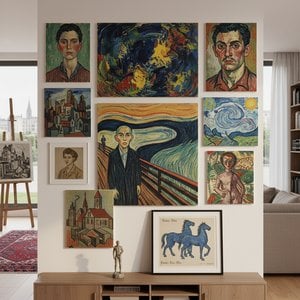
Топ-10 шедеврів експресіонізму: мистецтво емоцій та самовираження від ArtsDot
Пориньте у світ експресіонізму! Відкрийте 10 шедеврів Мунка, Ван Гога та інших геніїв. Історія мистецтва, емоції та кольори – все це на ArtsDot.com. Репродукції картин преміум-якості для вашого дому.

25 Masterpieces by Franz Marc: The Soul of German Expressionism
Immerse yourself in the vibrant world of Franz Marc. Explore 25 iconic German Expressionist masterpieces, from symbolic blue horses to spiritual landscapes. Find inspiration for museum-quality art reproductions and decor. Discover all masterpieces on ArtsDot.com.


