


 Переглянути в інтер'єрі
 Надіслати як листівку
 Поділитися
 Детальніше

 Завантажити
 Схожі експонати
 Рентгенівське дослідження
 Слайд-шоу
 Статистика
Untitled (DD2DKZ)


 Читати далі
Олійная репродукція ручної роботи
Написана вручну олією на полотні у вашому розмірі та рамі, виготовлена на замовлення нашими художниками. ( Перейти до друку Перейти до цифрових зображень)




































Обирайте з наших стандартних розмірів, що відповідають оригінальним пропорціям твору мистецтва.

Ви можете вказати власні розміри, щоб репродукція ідеально підійшла до конкретної рами або інтер'єру. Якщо вибраний вами розмір не відповідає пропорціям оригіналу, ми або обріжемо полотно, або доповнимо картину додатковими елементами, промальованими вручну. Цифровий макет буде надіслано вам на затвердження перед початком виробництва.
Зверніть увагу, що попередній перегляд на екрані не відображає фактичне обрізання або розширення зображення. Тільки макет точно покаже остаточну композицію.
Хоча ми можемо виготовити виріб у нестандартному розмірі, для збереження оригінальних пропорцій рекомендуємо обирати варіанти зі встановленого списку.
Після оформлення замовлення команда ArtsDot.com зв'яжеться з клієнтом електронною поштою для отримання інструкцій та надасть попередній макет
Доставка по всьому світу () за 3–4 тижні замість стандартних 5 тижнів. (16 Вересень). Без жодних компромісів у якості.

Безкоштовна експрес-доставка по всьому світу

Високоякісне лляне полотно

Повне страхове покриття доставки

Гарантія відшкодування митних зборів

Гарантія точного відтворення кольорів

Політика повернення протягом 100 днів (тільки у разі виявлення дефектів)

Гарантія повернення 100% коштів

Пропозиція на оптові замовлення
 Скляний варіант доступний лише для розмірів до 110 см

Untitled (DD2DKZ)
Матеріал репродукції
Розмір репродукції
-


Підсумкова вартість
$ 263
Схожі твори мистецтва


Біографія митця
Ashikaga Yoshimitsu: A Life of Power and Patronage
Early Life and Ascension
- Ashikaga Yoshimitsu (September 25, 1358 – May 31, 1408) was the third shōgun of the Ashikaga shogunate, ruling Japan during the Muromachi period.
- Born in Kyoto as Haruō, he was the oldest surviving son of Ashikaga Yoshiakira.
- He ascended to the position of shōgun at the young age of ten in 1368, inheriting a hereditary title that commanded the military estate.
- By twenty, Yoshimitsu had gained prominence within the imperial court, serving as acting grand counselor (gon dainagon).
Political and Institutional Reforms
- In 1379, Yoshimitsu initiated a significant reorganization of the *gozan zen* (Five Mountain Zen) establishment, solidifying its institutional framework.
- He broke precedent in 1381 by becoming the first member of the samurai class to host a reigning emperor at his private residence – a demonstration of growing shogunal power.
- A pivotal achievement was his successful negotiation in 1392, bringing an end to the Nanboku-chō imperial schism that had divided Japan for over half a century.
- Further elevating his status, he became grand chancellor of state (daijō daijin) in 1394, the highest rank within the imperial court.
Retirement and Cultural Flourishing
- Yoshimitsu retired from public office in 1395, taking religious vows and retreating to his lavish retirement villa, Kitayama-dono.
- Kitayama-dono was renowned for its opulence, most notably the Kinkaku Shariden (Golden Pavilion), two-thirds covered in gold leaf – a symbol of Yoshimitsu’s wealth and power.
- During his retirement, he received envoys from both the Ming and Joseon courts on at least six occasions, establishing crucial trade relations with China that lasted over a century.
Diplomacy and Recognition
- Yoshimitsu skillfully navigated diplomatic complexities, often employing displays of subservience to secure favorable terms from the Ming dynasty.
- In recognition of his efforts, the Chinese sovereign bestowed upon him the title “King of Japan” (Nihon Kokuō).
- In 1407, he ambitiously attempted to assume the title *daijō tenno* – a designation typically reserved for retired emperors. Though unrealized due to his death, this move underscored his desire for ultimate authority.
Artistic and Religious Legacy
- Late in his career, Yoshimitsu increasingly sought to legitimize his power through the lens of Buddhist kingship.
- He employed elaborate rituals, symbolic imagery, and monumental architecture – like Kitayama-dono – to portray himself as a universal monarch or *dharma king*, mirroring rulers in Southeast Asia.
- His posthumous name was Rokuon'in (鹿苑院), further cementing his place in Japanese history.
Historical Significance
- Yoshimitsu’s reign marked a golden age for Zen Buddhism, art, and architecture during the Muromachi period.
- His diplomatic achievements fostered cultural exchange and economic prosperity.
- He is remembered as a complex figure – a powerful shogun who skillfully balanced political ambition with artistic patronage and religious devotion.
- His legacy continues to influence Japanese culture and aesthetics today.

Ashikaga Yoshimitsu
1358 - 1408 , Japan
Короткі факти
- Birth Date: September 25, 1358
- Birth Place: Kyoto, Japan
- Death Date: May 31, 1408
- Movement: Muromachi period art & architecture
- Name: Ashikaga Yoshimitsu
- Nationality: Japanese
- Notable Works: Kitayama-dono villa (Kinkaku-ji)
Пов'язані статті
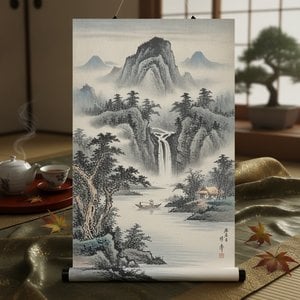
Serenity on Canvas: A Guide to the Timeless Beauty of Japanese Landscape Painting
Discover the serene beauty of Japanese landscape painting. From Hokusai's iconic woodblock prints to meditative sumi-e ink washes, explore a visual journey through the 'floating world' and learn how to bring this timeless Zen aesthetic into your modern home decor.

Floating World: The Captivating Art and Legacy of Japanese Ukiyo-e
Explore the profound beauty of Japanese Ukiyo-e. Discover the history, masters like Hokusai, and the enduring legacy of the 'Floating World' through an expert art-historical lens.

25 шедеврів Кацусіки Хокусая: мистецтво Японії для вашого дому | ArtsDot
Відкрийте 25 культових робіт Кацусіки Хокусая! Гравюри укійо-е, легендарна "Хвиля", пейзажі Фудзі та неймовірний світ японського мистецтва. Репродукції картин преміум-класу для вашого дому на ArtsDot.com.

Japonisme: How Japanese Woodblock Prints Revolutionized Western Art
Explore the profound impact of Japonisme on Western art. Discover how Japanese ukiyo-e woodblock prints revolutionized perspective, color, and composition for masters like Monet and Van Gogh, forever changing the course of modern art history.
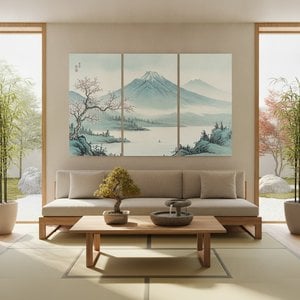
Serene Zen: Transforming Your New Home with the Timeless Elegance of Japanese Landscape Art
Transform your new home into a sanctuary of peace with stunning Japanese landscape art. Discover the beauty of Ukiyo-e and hand-painted Zen masterpieces designed to bring harmony and timeless elegance to your shared space. Expertly curated for modern lovers of fine art.