


 Переглянути в інтер'єрі
 Надіслати
 Поділитися
 Деталі
 Посібник

 Завантажити
 Схожі предмети колекціонування
 Рентгенівське дослідження
 Слайд-шоу
 Статистика переглядів
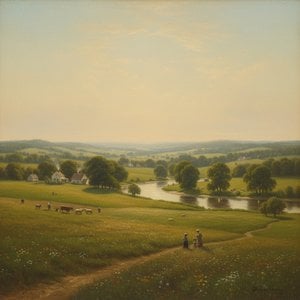
The Wolf River, Kansas
 Oil On Canvas
- WallArt
- Hudson River School
 1859
1859- 19th Century
 122.0 x 97.0 cm
 Детройтский институт искусств
 Читати далі
Гікле / Художній принт
Музейна якість друку جيкле або на полотні з оперативним виготовленням та різноманітними варіантами фінішної обробки. ( Купити картину ручної роботи Перейти до цифрових зображень)




P118B $10

P118H $10

P118W $10

P438Z $10

P508JH $12

P508YH $12

P805H $10

P805Z $10

P919BZ $10

P919G $10

P919XJ $10

P959ZH $10

P968JZ $12

W106C $8

W218G $10

W218JH $8

W218Y $10

W307PJ $10

W316G $10

W316PJ $8

W316Y $10

W398PJ $8

W4111J $10

W500HY $15

W500JH $15

W692G $12

W849H $8

W940BG $15

W953PJ $8




Обирайте з наших стандартних розмірів, що відповідають оригінальним пропорціям твору мистецтва.

Ви можете вказати власні розміри, щоб репродукція ідеально підійшла до конкретної рами або інтер'єру. Якщо обраний вами розмір не відповідає пропорціям оригіналу, ми або обріжемо полотно, або розширимо зображення за допомогою дзеркального відображення чи суцільної заливки країв. Перед початком виробництва вам буде надіслано цифровий макет для затвердження.
Будь ласка, зверніть увагу, що попередній перегляд на екрані не відображає фактичне обрізання або розширення. Тільки макет точно покаже фінальну композицію.
Хоча можливість замовлення індивідуальних розмірів доступна, ми рекомендуємо обирати формат із попередньо визначеного списку, щоб зберегти оригінальні пропорції.
Доставка по всьому світу () за 2 тижні замість стандартних 4/5 тижнів. (25 Вересень)

Безкоштовна експрес-доставка по всьому світу

Високоякісне лляне полотно

Повне страхове покриття доставки

Гарантія повернення митних зборів

Гарантія точного відтворення кольорів

Політика повернення протягом 100 днів (лише у разі виявлення дефектів)

Гарантія повернення 100% коштів

Знижка на оптові замовлення
 Скляний варіант доступний лише для розмірів до 110 см

The Wolf River, Kansas
Гікле / Художній принт
Розмір репродукції
-


Загальна вартість
$ 62
A Pioneer's Vision of the American Sublime
Albert Bierstadt’s *The Wolf River, Kansas*, completed in 1859, stands as a cornerstone of the Hudson River School movement and embodies its core aesthetic principles. More than just a depiction of a landscape—a meticulously rendered panorama of Missouri’s Wolf River Valley—it's an ambitious attempt to capture the overwhelming grandeur and spiritual significance of the American wilderness.
Technical Mastery: Luminism at Its Finest
Bierstadt, deeply influenced by European Romantic painters like Caspar David Friedrich, approached his subject with a profound understanding of light and atmosphere. Employing luminist techniques—characterized by soft, diffused illumination—he skillfully blended layers of oil paint to create an illusionistic depth that surpasses mere representation. The artist’s meticulous attention to detail is evident in every brushstroke, capturing the textures of bark, foliage, and water with remarkable accuracy.
Historical Context: Expansion and Romantic Idealism
Painted during a period of intense westward expansion fueled by Manifest Destiny, *The Wolf River* reflects the prevailing optimism about America’s destiny as a nation. However, Bierstadt wasn't merely celebrating progress; he wrestled with the moral implications of colonization. The scene portrays a group of fur traders engaging in peaceful commerce alongside Kaw Native Americans—a deliberate juxtaposition intended to convey both beauty and unease regarding the encroaching influence of European settlers on Indigenous lands.
Symbolism: Majesty and Spiritual Resonance
The towering pines dominating the composition symbolize resilience and permanence, mirroring the enduring spirit of the American frontier. The expansive sky—painted with breathtaking luminosity—represents divine majesty and evokes a sense of awe in the viewer. Bierstadt’s masterful use of color contributes to this emotional impact, conveying not just visual splendor but also an underlying spiritual yearning for connection with nature.
Emotional Impact: Capturing the Sublime
*The Wolf River,* like many Hudson River School paintings, aims to elicit a feeling known as “the sublime”—a paradoxical blend of terror and delight—produced by confronting overwhelming natural forces. Bierstadt’s depiction inspires contemplation on humanity's place within the vastness of creation, prompting viewers to consider the profound beauty and humbling power of the wilderness.
Схожі твори мистецтва


Біографія митця
A Pioneer of the American West: The Life and Art of Albert Bierstadt
Albert Bierstadt’s story is inextricably linked to the very formation of America's identity – a narrative woven from the threads of immigration, westward expansion, and the burgeoning desire for a uniquely American landscape. Born in Solingen, Germany, in 1830, his early life was marked by a swift relocation to New Bedford, Massachusetts, when he was just one year old. This transatlantic journey planted within him a lifelong fascination with the diverse landscapes of both continents, ultimately shaping his artistic vision and establishing a profound connection between European technique and American subject matter. Initially self-taught, sketching with crayons as a young boy, Bierstadt recognized early on that formal training would be essential to realizing his ambitions. He embarked on studies in Düsseldorf, Germany, beginning in 1853 – an experience that profoundly influenced his artistic development, providing him with the technical mastery and understanding of light and atmosphere that would become hallmarks of his work. It wasn’t merely replication he sought; rather, he aimed to capture the *emotional resonance* of nature, translating its sublime power and beauty onto canvas in a way that resonated deeply with viewers.The Hudson River School and the Romantic Vision
Upon returning to the United States in 1857, Bierstadt quickly aligned himself with the influential Hudson River School – a collective of artists dedicated to portraying the American landscape with both meticulous accuracy and a romanticized idealism. While sharing their reverence for nature, Bierstadt distinguished himself through his ambitious scale and dramatic compositions. He wasn’t content with simply creating pretty pictures; he envisioned immersive experiences that transported viewers directly into the heart of the wilderness. His breakthrough came in 1858 with *Swiss Landscape*, exhibited at the National Academy of Design, which garnered immediate acclaim and earned him honorary membership within the institution. This success fueled his ambition to explore the vast landscapes of America, leading to pivotal expeditions westward. These journeys weren’t merely observational; they were deeply immersive experiences – a deliberate attempt to absorb the grandeur and scale of the American West, from the towering Rocky Mountains to the expansive plains.Westward Journeys: Yosemite and Beyond
Bierstadt's most significant artistic breakthroughs occurred during his expeditions westward, particularly those undertaken with land surveyor Frederick W. Lander in 1859 and later with author Fitz Hugh Ludlow in 1863 to Yosemite Valley. These journeys were transformative, providing him with unparalleled access to the raw beauty of the American frontier. He meticulously documented these experiences through countless sketches and studies, which he then translated into monumental paintings that captured the scale and majesty of the landscapes. The Yosemite expedition, in particular, proved pivotal, inspiring a series of iconic works such as *Yosemite*, which became one of the first images to capture the valley's breathtaking beauty and helped to galvanize public support for its preservation as a national park. These expeditions weren’t simply about recording scenery; they were about experiencing it – absorbing the light, the atmosphere, and the sheer immensity of the wilderness.Technique and Style: Luminism and Grandeur
Bierstadt's artistic style was characterized by a masterful blend of technical skill and evocative imagery. He drew heavily from the Düsseldorf School’s emphasis on meticulous detail and atmospheric perspective, employing a technique often described as *luminism* – a deliberate use of light to create a sense of depth, drama, and spiritual resonance. His paintings are renowned for their vast scale, often measuring several feet in height and width, which further enhances the immersive quality of his landscapes. He skillfully manipulated color and composition to evoke a sense of awe and wonder, frequently employing dramatic lighting effects – golden sunsets, shafts of light piercing through towering peaks – to heighten the emotional impact of his scenes. While some critics initially dismissed his work as overly sentimental or idealized, Bierstadt’s ability to capture the *spirit* of the American West ultimately resonated deeply with a nation grappling with its identity and aspirations.Legacy and Historical Significance
Despite a shift in artistic tastes towards Impressionism and photography by the late 19th century, Albert Bierstadt's influence on American landscape painting remains profound. He demonstrated the power of large-scale canvases to create immersive experiences – a technique that would be adopted by subsequent generations of artists. His meticulous attention to detail, his masterful use of light, and his ability to evoke emotion continue to inspire painters today. Beyond his artistic achievements, Bierstadt’s work serves as a valuable historical document, offering insights into the evolving perceptions of the American West during a period of rapid change and expansion. He captured a vision of pristine wilderness – a romanticized ideal that fueled westward expansion and contributed to the establishment of national parks. His paintings are not merely beautiful images; they are windows into a pivotal era in American history, reminding us of both the promise and the cost of this ambitious endeavor. Albert Bierstadt’s legacy endures, ensuring that his breathtaking landscapes will continue to captivate and inspire for generations to come.
Альберт Бьерштадт
1830 - 1902 , Пруссія
Довідкова інформація
- Artistic Movement Or Style: Художній потік Hudson River
- Artists Or Movements Influenced By This Artist: ['Романтизм']
- Artists Who Influenced This Artist: ['Дюссельдорфська школа']
- Date Of Birth: 7 січня 1830
- Date Of Death: 18 лютого 1902
- Full Name: Albert Bierstadt
- Nationality: Німецько-американський
- Notable Artworks:
- Пейзажі Західної Америки
- Пейзажі узбережжя
- Place Of Birth: Солінген, Німеччина
Схожі статті
Thomas Worthington Whittredge: Capturing the American Pastoral Ideal with Luminist Light
Explore the luminous landscapes of Thomas Worthington Whittredge, a key figure in the Hudson River School and master of Luminism. Discover his captivating paintings & legacy with ArtsDot.

The Sublime Landscape: Exploring the Hudson River School Movement
Explore the captivating world of the Hudson River School! Discover the history, artists, and defining characteristics of this iconic American art movement. Learn about Romanticism's influence & find inspiration for your collection.

Albert Bierstadt: Luminosity, Landscape & the American Ideal
Explore the breathtaking landscapes of Albert Bierstadt, master of the American West & a leading figure in the Hudson River School. Discover his luminous style and iconic paintings – a timeless investment for art lovers.

Robert Spencer: Luminism, Narrative & the American Landscape Tradition
Explore the captivating world of Luminism & the Hudson River School with our expert analysis. Discover the history, artists, and enduring beauty of 19th-century American landscape painting. Find museum-quality reproductions at ArtsDot.

10 шедеврів школи Гудзона: пейзажі, що змінили американське мистецтво | ArtsDot
Відкрийте для себе 10 шедеврів школи Гудзона – Томаса Коула, Фредеріка Черча та інших. Романтичні пейзажі Америки, що захоплюють дух! Репродукції картин преміум-класу для вашого інтер'єру на ArtsDot.com


