

 Переглянути в інтер'єрі
 Надіслати як листівку
 Поділитися
 Деталі витвору
 Посібник

 Завантажити
 Схожі екземпляри
 Рентгенівське дослідження
 Слайд-шоу
 Q&A
Q&A Статистика
Cavaliers

 Розгорнути текст
Гікле / Художній принт
Друк جيкле або на полотні музейної якості з оперативним виготовленням та різноманітними варіантами фінішної обробки. ( Замовити картину ручної роботи Перейти до цифрових зображень)




































Обирайте з наших стандартних розмірів, що відповідають оригінальним пропорціям твору мистецтва.

Введіть необхідну ширину та висоту, щоб принт ідеально підійшов до вашої рами або стіни. Принт можна лише обрізати, але не можна зробити більшим за оригінал, тому при зміні пропорцій частина зображення буде втрачена. Перед друком ми надсилаємо вам цифровий макет для затвердження. Зображення на цій сторінці не відображає реальну обрізку — її можна побачити лише на макеті.
Доставка по всьому світу () за 2 тижні замість стандартних 4/5 тижнів. (2 Листопад)

Безкоштовна експрес-доставка по всьому світу

Високоякісне лляне полотно

Повне страхове покриття доставки

Гарантія повернення митних зборів

Гарантія точного відтворення кольорів

Політика повернення протягом 100 днів (лише у разі виявлення дефектів)

Гарантія повернення 100% коштів

Пропозиція на оптові замовлення
 Скляний варіант доступний лише для розмірів до 110 см

Cavaliers
Гікле / Художній принт
Розмір репродукції
-


Підсумкова вартість
₴ 2787
Схожі твори мистецтва


Біографія митця
Життя, занурене в конячу грацію та східне світло
Адольф Шрейер, народився у Франкфурті в 1828 році, був художником, чиє життя стало нерозривно пов'язаним із могутньою красою коней та спокусливими пейзажами Сходу. Його творчий шлях розпочався в упорядкованих стінах Інституту Штеделя в рідному місті, а згодом продовжився через важливі навчання у Штутгарті та Мюнхені — це була класична основа, на якій він збудував свій надзвичайно самобутній стиль. Однак саме подорожі Шрейера справді запалили його творчий дух і визначили його незабутню спадщину. Він не просто спостерігав за цими землями; він занурювався в них, супроводжуючи князя Максиміліана Карла Турн і Таксіс у тривалих мандрівках через Угорщину, Валахію, Росію та Туречтечину. Це не були поверхневі візити, а глибоке занурення в різноманітні культури, що дозволило Шрейеру ввібрати атмосферу, світло і, що найважливіше, життя людей, яких він зустрічав. Цей ранній досвід прищепив йому захоплення як величчю кінного життя, так і яскравою палітрою східних культур — темами, що домінуватимуть у його творчості протягом десятиліть.Від польових начерків до орієнталістських видінь
Творчий розвиток Шрейера здійснив вирішальний поворот у 1854 році, коли він документував пересування австрійської армії через валахійський кордон. Цей досвід, що був далеко не лише військовим замовленням, надав йому безцінного розуміння реалій конфлікту та ролі коней у ньому. Він не просто фіксував події; він уловлював енергію, хаос і первісну силу битви — навичка, яка пізніше проявиться в переконливих зображеннях артилерійських атак імперської гвардії. Проте його художнє серце лежало в іншому місці. Після цього періоду Шрейер вирушив далі: до Єгипту та Сирії у 1856 році, а потім до Алжиру у 1861 році. Саме в Північній Африці він по-справжньому знайшов свою музу. Він не залишився відстороненим спостерігачем; він вивчив арабську мову, їздив з бедуїнськими вершниками та глибоко інтегрувався в їхній спосіб життя. Це інтимне розуміння дозволило йому зобразити ці культури з автентичністю, яку рідко можна побачити в орієнталістських картинах того часу. Його полотна були не просто екзотичними репрезентаціями, а щирими данинами світу, що полонив його уяву.Майстер кінської анатомії та атмосферних деталей
Технічна майстерність Шрейера була такою ж визначною, як і його пригодницький дух. Він володів винятковим розумінням анатомії коней, що народилося не лише з спостережень, а й з особистого досвіду вершника. Його коні не були просто реквізитом у сцені; вони були динамічними, живими істотами, переданими з ретельною деталізацію та анатомічною точністю. Ця майстерність поширювалася і на його пейзажі, які часто сповнені відчутного відчуття атмосфери — мерехтливого спеки пустелі, безкрайніх просторів російської степи або драматичного неба над валахійськими рівнинами. Він використовував багату палітру та впевнений мазок, створюючи картини, які були водночас візуально приголомшливими та емоційно резонуючими. Його робота вирізняється серед сучасників уникненням надмірно романтизованих зображень; натомість він прагнув до реалізму, заснованого на справжньому спостереженні.Визнання та невмируща спадщина
Протягом усієї своєї кар'єри Шрейер отримував значне визнання свого таланту. Він регулярно експонувався на Паризькому салоні, здобувши медалі у 1864, 1865, 1867 та 1876 роках — що є свідченням високої оцінки його робіт французьким мистецьким світом. Його картини потрапили до престижних колекцій Європи та Америки, включаючи Музей Метрополітен у Нью-Йорку, Кунстхалле в Гамбурзі та Інститут Штеделя у Франкфурті. Примітно, що кілька видатних американських колекціонерів — представники таких родин, як Рокфеллери, Вандербільти та Астори — охоче придбали його роботи, визнавши їхню унікальну якість та художню цінність. Сьогодні картини Шрейера продовжують захоплювати глядачів своїм поєднанням історичної деталізації, культурної чутливості та технічного блиску. Він залишається важливою постаттю в мистецтві XIX століття, прославленою за свою здатність вловити сутність як кінської грації, так і чарівності далеких земель. Його спадщина живе не лише через красу його полотен, а й як нагадування про силу подорожей, спостережень та справжнього культурного занурення у натхнення мистецького величі.
Адольф Шрейер
1828 - 1899 , Німеччина
Короткі факти
- Artistic Movement Or Style: Орієнталізм, Дюссельдорфська школа живопису
- Date Of Birth: 9 липня 1828
- Date Of Death: 29 липня 1899
- Full Name: Adolf Schreyer
- Nationality: Німецький
- Notable Artworks:
- Забіг артилерії імператорської гвардії
- Покинуті луки Дунаю
- Place Of Birth: Франкфурт-ам-Майн, Німеччина
Пов'язані статті

Romantic Realism's Finest: 10 Masterpieces for Your Home | ArtsDot
Explore 10 defining masterpieces of Romantic Realism! Discover Courbet, Millet & Daumier's powerful paintings—capturing emotion and social realities. Find museum-quality reproductions for your home at ArtsDot.com.

The Enduring Legacy of Fine Art Prints: Technique, History & Aesthetic Impact
Explore the rich history & techniques of fine art prints. Discover investment potential, assess authenticity, and learn how to preserve your collection with expert guidance. Trusted insights for discerning collectors.

Echoes of Time: Exploring the Enduring Appeal & Historical Context of Vintage Art Prints
Explore the captivating world of vintage art prints! Discover their history, collecting tips & enduring appeal. Expert insights on chromolithography and building a legacy collection with ArtsDot.
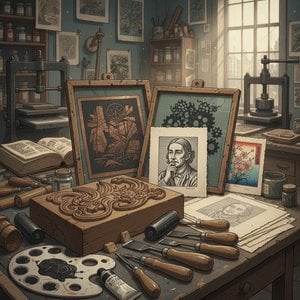
The Enduring Legacy of Printmaking: Techniques, Themes & Artistic Innovation Across Centuries
Explore the rich history of printmaking with ArtsDot. Discover techniques from intaglio to lithography, learn about collecting valuable prints & find museum-quality reproductions. Expert insights for art enthusiasts and collectors.

Giclée Prints: Archival Quality & Aesthetic Nuances for the Discerning Collector
Explore the world of giclée prints with ArtsDot. Learn about archival quality, aesthetic nuances & investment potential. Expert guidance for discerning art collectors seeking museum-quality reproductions and lasting value.