


 Переглянути в інтер'єрі
 Надіслати як листівку
 Поділитися
 Детальніше

 Завантажити
 Схожі експонати
 Рентгенівське дослідження
 Слайд-шоу
Dancing Peasants
 Oil On Canvas
- WallArt
- Baroque
 1660
1660 28.0 x 38.0 cm
 Ермітаж
 Читати далі
Олійная репродукція ручної роботи
Написана вручну олією на полотні у вашому розмірі та рамі, виготовлена на замовлення нашими художниками. ( Замовити принт Купити цифрове зображення)




P118B $10

P118H $10

P118W $10

P438Z $10

P508JH $12

P508YH $12

P805H $10

P805Z $10

P919BZ $10

P919G $10

P919XJ $10

P959ZH $10

P968JZ $12

W106C $8

W218G $10

W218JH $8

W218Y $10

W307PJ $10

W316G $10

W316PJ $8

W316Y $10

W398PJ $8

W4111J $10

W500HY $15

W500JH $15

W692G $12

W849H $8

W940BG $15

W953PJ $8




Обирайте з наших стандартних розмірів, що відповідають оригінальним пропорціям твору мистецтва.

Ви можете вказати власні розміри, щоб репродукція ідеально підійшла до конкретної рами або інтер'єру. Якщо вибраний вами розмір не відповідає пропорціям оригіналу, ми або обріжемо полотно, або доповнимо картину додатковими елементами, промальованими вручну. Цифровий макет буде надіслано вам на затвердження перед початком виробництва.
Зверніть увагу, що попередній перегляд на екрані не відображає фактичне обрізання або розширення зображення. Тільки макет точно покаже остаточну композицію.
Хоча ми можемо виготовити виріб у нестандартному розмірі, для збереження оригінальних пропорцій рекомендуємо обирати варіанти зі встановленого списку.
Після оформлення замовлення команда ArtsDot.com зв'яжеться з клієнтом електронною поштою для отримання інструкцій та надасть попередній макет
Доставка по всьому світу () за 3–4 тижні замість стандартних 5 тижнів. (1 Вересень). Без жодних компромісів у якості.

Безкоштовна експрес-доставка по всьому світу

Високоякісне лляне полотно

Повне страхове покриття доставки

Гарантія відшкодування митних зборів

Гарантія точного відтворення кольорів

Політика повернення протягом 60 днів (лише у разі виявлення дефектів)

Гарантія повернення 100% коштів

Пропозиція на оптові замовлення
 Скляний варіант доступний лише для розмірів до 110 см

Dancing Peasants
Матеріал репродукції
Розмір репродукції
-


Підсумкова вартість
$ 413
Dancing Peasants by Abraham Teniers
Abraham Teniers II (1610–90) stands as one of Flanders’ most prolific Baroque painters, leaving behind an astonishing oeuvre that encompasses genre scenes, portraits, landscapes and mythological compositions. Yet, it is his dedication to capturing the everyday life of rural communities—particularly through his celebrated peasant genre—that cemented his legacy as a pivotal figure in Northern Renaissance art. Teniers' artistic journey began under the tutelage of his father, David Teniers I, establishing a familial tradition of artistic excellence that would extend across generations. His brother, Abraham Teniers I (1629–97), also pursued painting with considerable success, furthering the family’s renown within Antwerp’s artistic circles.- Subject Matter: Teniers' canvases frequently depict scenes from rural life—peasants engaged in festive gatherings, celebrations of harvest festivals, and lively social interactions. These depictions weren’t merely observational; they served as a conduit for exploring themes of community spirit, religious piety, and the complexities of human relationships within a pastoral setting.
- Style: Teniers' artistic style embodies the Baroque aesthetic—characterized by dynamism, theatrical lighting, and an emphasis on emotional expression. He skillfully employed illusionistic techniques to create depth and realism, mirroring the grandeur and drama prevalent in contemporary art.
- Technique: Primarily working with oil paint on canvas, Teniers mastered the impasto technique—applying thick layers of pigment onto the surface—to imbue his paintings with textural richness and visual impact. This method allowed him to convey not only form but also mood and atmosphere, capturing the vibrancy of rural life with remarkable precision.
- Historical Context: Teniers’ work flourished during a period marked by significant artistic innovation and intellectual ferment in Antwerp—a city that served as a hub for Flemish art production. His paintings reflect the broader cultural currents of the Baroque era, mirroring the fascination with theatricality and grandeur that defined the time.
- Symbolism: Recurring motifs within Teniers’ compositions—such as musical instruments, dancing figures, and depictions of religious rituals—carried symbolic significance, conveying moral lessons and reinforcing societal values. These elements underscored the artist's belief in art's capacity to illuminate human experience and inspire contemplation.
Схожі твори мистецтва


Пов'язані статті
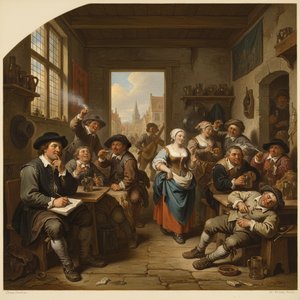
David Teniers the Younger: Genre Painting & Social Commentary in Baroque Flanders
Explore the captivating world of David Teniers the Younger, a leading Flemish Baroque painter. Discover his genre scenes, social commentary, and lasting influence on 17th-century art. Learn about his life, techniques & legacy.

Golden Age Reflections: Dutch Baroque Painting & Cultural Innovation
Explore the Dutch Golden Age of painting! Discover key artists like Vermeer & ter Borch, their innovative techniques, and the rich cultural context behind these Baroque masterpieces. Learn about collecting & appreciating this iconic art period.

Топ-10 шедеврів голландського бароко: мистецтво для вашого дому від ArtsDot
Пориньте у світ голландського бароко! Від Рембрандта до Вермеєра – 10 шедеврів, що змінили мистецтво. Дізнайтеся історії створення та техніки живопису. Репродукції картин високої якості для вашого дому на ArtsDot.com
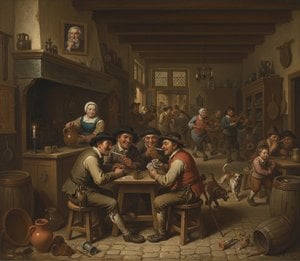
David Teniers II: Master of Flemish Genre & Social Commentary
Explore the captivating world of David Teniers II, a leading Flemish Baroque painter renowned for his lively genre scenes & insightful social commentary. Discover his masterpieces and legacy with ArtsDot.

Adriaen Brouwer: Capturing Dutch Life & Social Commentary Through Genre Painting
Explore the captivating world of Adriaen Brouwer, a master of Dutch Golden Age genre painting. Discover his vivid depictions of peasant life, social commentary, and lasting influence on art history. Learn more at ArtsDot.

