Vizyonla Şekillenen Bir Miras: Museum Folkwang'ın Ruhunu Keşfetmek
Almanya'nın Essen kentindeki endüstriyel kalbin derinliklerinde yer alan Museum Folkwang, sadece sanatsal bir birikimin değil, aynı zamanda köklü ve kalıcı bir vizyonun kanıtı olarak duruyor; özel koleksiyonerlerin tutkulu arayışlarından, tarihin çalkantılı akıntılarından ve modern ifadenin evrimini desteklemeye yönelik sarsılmaz bir bağlılıktan dokunmuş bir anlatı bu. 1906 yılında kurulan Essener Kunstmuseum ile 190 muhtemelen 1902 yılına dayanan Karl Ernst Osthaus'un öncü Folkwang Müzesi'nin iki farklı ancak birbirini tamamlayan mirasının uyumlu birleşimiyle doğan bu kurum, kısa sürede avangart düşüncenin bir ışığı haline gelmiş ve daha ilk yıllarında bile sanatsal keşfe adanmış eşsiz bir mekan olarak takdir edilmiştir. Paul J. Sachs'ın 1932 yılında burayı “dünyanın en güzel müzesi” olarak ilan etmesi, derin bir gerçeği yankılatıyordu: Museum Folkwang, estetik hırs ile entelektüel titizliğin eşsiz bir buluşmasını bünyesinde barındırıyor ve bu ruh, bugün bile kimliğini tanımlamaya devam ediyor. İskandinav mitolojisinde Freyja tarafından yönetilen ölüler çayırını çağrıştıran "Folkwang" ismi, müzenin yaşam, kayıp ve anma temalarıyla olan derin bağlarına işaret ederek her sergiye dokunaklı bir yankı katıyor.
Museum Folkwng'in hikayesi, kurumun temelini şekillendiren radikal vizyonuyla kurucusu Karl Ernst Osthaus ile ayrılmaz bir şekilde bağlantılıdır. 1902 yılında kurulan Folkwang, sadece sanatın bir deposu olmanın ötesinde, dinamik bir forum olarak tasarlanmıştı; sanat ve toplum arasında diyalog kurmayı amaçlayan bu oldukça ilerici anlayış, bugün bile müzenin programlarına yön vermeye devam ediyor. Osthaus, sanatın dönüştürücü gücüne tutkuyla inanıyor, onun sadece bir dekorasyon değil, toplumsal değişim ve entelektüel büyüme için bir katalizör olduğu savunuyordu. Bu bağlılık, müzenin erken dönem koleksiyonlarında hemen kendini gösteriyor; Empresyonizm ve Post-Empresyonizmi coşkuyla kucaklayan bu seçki, Cézanne ve Matisse gibi sanatçıları Essen'e çekerek şehri o dönemin sanatsal yeniliklerinin kritik bir merkezi haline getirdi. Ernst Ludwig Kirchner, Emil Nolde ve Oskar Kokoschka gibi isimlerin eserlerini barındıran Alman Ekspresyonizmi'nin benimsenmesi, Museum Folkwang'ın ham duygu ve içsel deneyimin savunucusu olarak ününü pekiştirirken, modern dünyanın kaygı ve belirsizlikleriyle güçlü bir yüzleşme sundu. Müzenin 20. yüzyıl başı Alman sanatı koleksiyonu, hızlı sosyal ve siyasi değişimlerle mücadele eden bir nesli sergileyerek, yoğunluğu ve duygusal derinliğiyle özellikle tanınmaktadır.
Müzenin envanterine derinlemesine dalmak, özellikle Empresyonizm ve Post-Empresyonizm ile olan etkileşiminde olağanüstü bir derinlik ortaya koyuyor. Burada Cézanne ve Matisse'in şaheserleri izole edilmiş zaferler olarak değil, ışık, renk ve gerçekliğin öznel deneyimi üzerine süregelen geniş bir sanatsel diyaloğun kilit anları olarak sunuluyor. Cézanne'ın “Mont Sainte-Victoire” gibi eserlerinde görülen titiz gözlem ve geometrik basitleştirme büyüleyici bir etki yaratırken, Matisse'in Akdeniz ışığının özünü yakalayan cesur renk kullanımı, gündelik konuları canlılık dolu tuvallere dönüştürüyor. Bu temel akımların ötesinde Museum Folkwang, toplumsal kaygılardan ve kişisel iç gözlemlerden doğan bir yoğunlukla atan Alman Ekspresyonizmi koleksiyonuyla fark yaratıyor. Müze, insan deneyiminin karanlık akıntılarından kaçınmayarak modern dünyanın karmaşıklığına dokunaklı bir yansıma sunuyor; bu da Osthaus'un orijinal vizyonunun bir kanıtı niteliğinde. Dahası, Weimar Cumhuriyeti'nden Soğuk Savaş dönemine kadar uzanan 340.000'den fazla Alman afişinden oluşan geniş arşiv, siyasi söylemin, ekonomik değişimlerin ve evrimleşen kültürel duyarlılıkların paha biçilmez bir görsel kroniğini sunarak, sanatın hem toplumun aynası hem de şekillendiricisi olma kapasitesini gözler önüne seriyor.
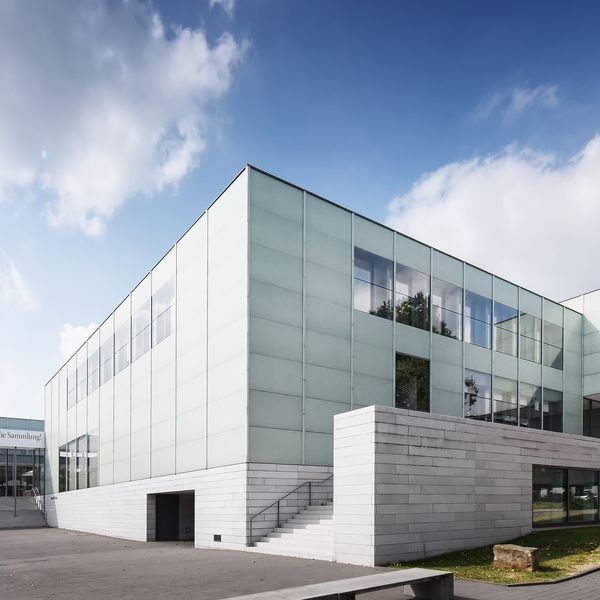
Museum Folkwang'ın fiziksel yapısı da kendi dinamik tarihinin ve ileri görüşlü ruhunun bir yansımasıdır. Orijinal bina, en dikkat çekici şekilde David Chipperfield tarafından tasarlanan 2010 yılındaki önemli genişletme ile özenle büyütülmüştür. Bu sadece bir alan eklemesi değil; tarihi koruma ile çağdaş tasarım arasında titizlikle düşünülmüş bir diyalog, müzenin mirasına saygı duyan ancak doğal ışığı maksimize ederek dinamik sergi alanları yaratan beton ve camın ustaca bir karışımıdır. Chipperfield'ın müdahalesi mevcut mimariyle kusursuz bir şekilde bütünleşerek eski ve yeninin uyumlu bir sentezini oluşturuyor. Geri dönüştürülmüş cam plakalardan inşa edilen yarı saydam, alabaster benzeri cephe, değişen doğal ışıkla birlikte hareket ederek keşfetmeye davet eden ruhani bir nitelik kazanıyor. İç mekanda ise geniş açık alanlar ve özenle düşünülmüş aydınlatma, her bir sanat eserinin takdirini artırarak bir samimiyet ve tefekkür duygusu uyandırıyor. Binanın mimarisi sadece işlevsel değildir; ziyaretçi deneyimine aktif olarak katkıda bulunarak açıklığı vurgular ve sergilenen şaheserlerle daha derin bir bağ kurulmasına olanak tanır.
Ancak Museum Folkwang'ın tarihi, Alman tarihinin acı bir bölümüyle, Nazizmin yükselişiyle ayrılmaz bir şekilde bağlantılıdır. Sanat özgürlüğünün bastırılması, “yozlaşmış” olarak kabul edilen 1.200'den fazla sanat eserinin zorla kaldırılmasına yol açmış; bu durum müzenin koleksiyonunu ve itibarını derinden sarsan yıkıcı bir kayıp olmuştur. Bu yürek burkan kayıplara rağmen Museum Folkiwang, İkinci Dünya Savaşı sonrasında geri kazanım için gösterdiği yorulmak bilmez çabalarla koleksiyonunu yeniden inşa etmiş ve sanatsal bütünlüğe olan bağlılığını yeniden teyit etmiştir. Bu karanlık dönemde sergilenen direnç, siyasi ideolojileri aşan ve gelecek nesillere ilham veren sanatın kalıcı gücüne inananların adanmışlığının güçlü bir sembolü olarak durmaktadır. Joseph Goebbels tarafından organize edilen tartışmalı 1937 sergisiyle örneklendirilen müzenin “yozlaşmış sanat” ile olan bu trajik teması, sansürün tehlikelerine ve kültürel mirası korumanın önemine dair dokunaklı bir hatırlatıcı görevi görmektedir. Bugün Museum Folkwang, sadece şaheserlerin bir deposu değil, aynı zamanda tarihin en çalkantılı dönemlerinden birinde sesleri susturulan sanatçıların güçlü bir anıtı olarak kalmaya devam etmektedir.
Öne Çıkanlar ve Koleksiyonlar
Müzenin koleksiyonu, modern sanatın evrimi boyunca ziyaretçilere bir yolculuk sunan, çeşitli sanatsal ipliklerden dokunmuş canlı bir duvar halısı gibidir. Temel öne çıkanlar şunlardır:
**Empresyonizm ve Post-Empresyonizm:** Monet, Renoir, Cézanne ve Matisse'in ışık, renk ve forma yönelik devrim niteliğindeki yaklaşımlarını sergileyen büyüleyici bir eser yelpazesi.
**Alman Ekspresyonizmi:** Kirchner, Nolde, Kokoschka ve diğerlerinin 20. yüzyıl başındaki kaygıları ve duygusal yoğunluğu yakalayan güçlü tabloları ve baskıları.
**20. Yüzyıl Başı Alman Sanatı:** Dix, Grosz ve Schad gibi sanatçıların eserlerini içeren, Weimar Cumhuriyeti'nin sanatsal hareketliliğini belgeleyen önemli bir koleksiyon.
**Fotoğraf Arşivi:** Fotoğraf tarihine ve görsel kültüre benzersiz bir perspektif sunan, 50.000'den fazla fotoğraf içeren kapsamlı bir arşiv.
**Alman Afişleri (Deutsche Plakat Museum):** Weimar Cumhuriyeti'nden Soğuk Savaş dönemine kadar uzanan, siyasi söylem ve sosyal trendlere büyüleyici bir bakış sağlayan 340.000'den fazla afişten oluşan olağanüstü bir koleksiyon.
Mimari ve Tasarım
Müzenin mimarisi, sanatı kadar etkileyicidir. 1902 yılında inşa edilen orijinal bina, David Chipperfield Architects tarafından tasarlanan çarpıcı 2010 genişletmesiyle özenle korunmuş ve büyütülmüştür. Bu modern ekleme, tarihi yapıyla kusursuz bir şekilde bütünleşerek doğal ışığı maksimize eden ve ziyaretçilere sürükleyici bir deneyim sunan dinamik bir alan yaratır. Cephede geri dönüştürülmüş cam kullanımı, müzenin sürdürülebilirlik ve yenilikçiliğe olan bağlılığını yansıtması bakımından özellikle dikkat çekicidir.
Önemli Sergiler ve Etkinlikler
Tarihi boyunca Museum Folkwang, modern ve çağdaş sanat etrafındaki söylemleri şekillendiren çok sayıda dönüm noktası niteliğinde sergiye ev sahipliği yapmıştır. Bazı önemli örnekler şunlardır:
**1937 “Yozlaşmış Sanat” Sergisi:** Nazi rejimi tarafından “yozlaşmış” olarak kabul edilen eserlerin sergilendiği, sansürün tehlikelerine dair dokunaklı bir hatırlatıcı olan tartışmalı bir sergi.
**William Kentridge Retrospektifleri:** Müze, Güney Afrikalı sanatçı William Kentridge'in karmaşık animasyonlu çizimlerini ve güç, bellek ile sosyal adalet temalarını inceleyen çok beğenilen retrospektiflere ev sahipliği yapmıştır.
**Otto Steinert Fotoğraf Sergisi:** Alman fotoğrafçı Otto Steinert'ın Luminogram tekniklerindeki yenilikçi kullanımıyla tanınan öncü çalışmalarını onurlandıran sergi.
Kültürel Etkileşim Merkezi
Sanatsal varlıklarının ötesinde Museum Folkwang, topluluk içinde diyalog ve anlayış geliştiren canlı bir kültürel merkez olarak işlev görür. Karl Ernst Osthaus tarafından müzenin kuruluşu, bugün bile yankı uyandıran bir etkileşim örneği başlatmıştır; resim, heykel, fotoğraf, grafik sanatlar ve afişleri kapsayan bütünsel bir sanat yaklaşımı bu. Bu kapsamlı koleksiyon, ziyaretçilere 19. ve 20. yüzyıl sanatsal gelişimine dair eşsiz bir panoramik bakış sunarak onları sanatın gücü ve amacı üzerine süregelen bir sohbete davet eder. Müze; her yaştan insan için düzenli olarak eğitim programları, atölyeler ve konferanslar düzenleyerek gelecek nesiller için hayati bir kurum olma rolünü daha da pekiştirmektedir.
ArtsDot.com Editör Ekibi Tarafından
Sanat Bilgisi Testi
Her soru için yalnızca bir doğru cevap bulunmaktadır.
Soru 1:
Müzesin adı nedir?
Soru 2:
Müzenin temel amacı nedir?
Soru 3:
Nazi rejimi tarafından ‘degenerat’ olarak nitelenen eserleri sergileyen tartışmalı bir etkinlik hangi müzede gerçekleşti?
Soru 4:
David Chipperfield tarafından Müze Folkwang'ın genişletilmesi özellikle hangi malzeme kullanılarak yapıldı?
Soru 5:
Alman Poster Müzesi, Almanya'da diğer müzelere kıyasla benzersiz olan nedir?
Explore the powerful world of Ernst Ludwig Kirchner and German Expressionism. Discover his iconic paintings, Die Brücke group, and the movement's exploration of urban anxiety & modern identity. Expert analysis for collectors & enthusiasts.
AStüdyo AsistanıÇevrimiçi · bir dakika içinde yanıtlar
Merhaba! Bir sanat eseri seçmenize, siparişinizi takip etmenize veya garanti sorularınızı yanıtlamanıza yardımcı olabilirim. Size nasıl yardımcı olabilirim?