The Late Medieval names to know

99 Famous Late Medieval Artists You Should Know

If you remember one Late Medieval artist, make it Simone Martini (1284–1344), the name behind The Miracle of the Resurrected Child, approx. - and Maestà (Madonna with Angels and Saints). After that come Andrei Rublev, Ambrogio Lorenzetti, Pietro Lorenzetti and Hubert Van Eyck. Our 99 picks go from Yuan Dynasty (born 1271) to Hubert Van Eyck (born 1366), from 20 countries.

How we picked them. We list the artists our catalogue links to Late Medieval, from the most famous down. Artists born after 1955 that we cannot yet check on Wikidata are left out. The Wikipedia number shows in how many of our 32 languages Wikipedia writes about them.

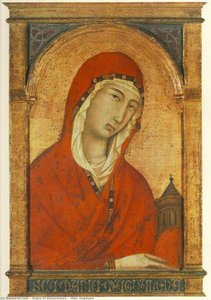
  1. The Miracle of the Resurrected Child, approx. - by Simone Martini1Simone Martini
  2. Deesis Range: The Archangel Michael by Andrei Rublev2Andrei Rublev
  3. Bad Government and the Effects of Bad Government on the City Life by Ambrogio Lorenzetti3Ambrogio Lorenzetti

Quick facts

Late Medieval in a nutshell

  • 99Artists
  • 1271–1366Years of birth
  • 20Countries of birth
  • 1Women
  • 5Living artists
  • 1.514Works in our catalogue
Cities with most births
Siena (13), Florence (11), Firenze (4), Modena (3)
Museums holding the most key works
Metropolitan Sanat Müzesi (19), Gemäldegalerie (5), Yale University Art Gallery (4), National Gallery (4)
The women of this list
Mother Julian

Meet them one by one

The 99 famous Late Medieval artists, from most famous down

1of 99

Simone Martini

İtalyan From Siena Uluslararası Gotik On Wikipedia in 28 of 32 languages

Simone Martini

Saint Louis of Toulouse Crowning His Brother Robert of Anjou, 1317. Saint Louis of Toulouse Crowning His Brother Robert of Anjou, 1317. Simone Martini’nin elleri, yaptığı yolculuklar boyunca durmaksızın çalışmış ve geride hamilerinin değişen ihtiyaçlarını yansıtan eşsiz eserler bırakmıştır. 1317 yılında, azizi kardeşi Robert of Anjou ile birlikte tasvir eden Saint Louis of Toulouse Altarı üzerinde çalışmıştır.

Taught Lippo Memmi #10

Works to know · Their 100 best-known works

2of 99

Andrei Rublev

From Moskova Knezliği On Wikipedia in 31 of 32 languages

Andrei Rublev

Andrei Rublev (yaklaşık 1360 – yaklaşık 1430), Rus sanat tarihinin en gizemli ve derin etkili figürlerinden biri olmaya devam ediyor. Kremlin'deki İlk Kariyer: Rublev'in kariyerinin ilk yılları Moskova Kremlin ile ayrılmaz bir şekilde bağlantılıdır. 1405 yılında, Rus ikon ressamlığında dönüm noktası olan Müjde Katedrali'ni süslemek için Teofanes ve Gorodetsli Prokhor ile güçlerini birleştirmiştir. Andronikov Manastırı: Kremlin'deki çalışmalarının ardından Rublev, kariyerinin son dönemini Moskova yakınlarındaki Andronikov Manastırı'nda geçirmiştir.

Works to know · Their 100 best-known works

3of 99

Ambrogio Lorenzetti

İtalyan From Siena Sienese Okulu On Wikipedia in 29 of 32 languages

Ambrogio Lorenzetti

Ambrogio Lorenzetti, yaklaşık 1290 yılında İtalya'nın kalbi Siena'da doğmuş, Orta Çağ sanatsal geleneklerinden filizlenen Rönesans'a geçişte kilit bir figür olarak ortaya çıkmıştır. Döneminin çağdaşları Duccio ve Simone Martini gibi isimlerin gölgesinde kaldığı dönemler olsa da ve sıklıkla kardeşi ressam Pietro Lorenzetti ile anılsa da, Ambrogio kendine özgü bir yol çizdi; bu yol, yenilikçi bir ruh ve etrafındaki dünyaya derin bir bağlılıkla damgalanmıştı.

Works to know · Their 100 best-known works

4of 99

Pietro Lorenzetti

İtalyan From Siena Erken Rönesans On Wikipedia in 27 of 32 languages

Pietro Lorenzetti

Pietro Lorenzetti (yaklaşık 1280 – 1348), Gotik biçimcilikten Erken Rönesans'ın filizlenen hümanist ideallerine geçişi simgeleyen, Sienalı sanatın dönüm noktası niteliğinde bir figürdür. Yaklaşık 1280 yılında Siena'nın canlı kültürel atmosferinde dünyaya gelen Lorenzetti’nin sanatsal yolculuğu, Toskana'da önemli bir entelektüel ve sanatsal dönüşümün yaşandığı bir dönemde şekillenmiştir.

Works to know · Their 100 best-known works

5of 99

Hubert Van Eyck

From Maaseik On Wikipedia in 20 of 32 languages

Hubert Van Eyck

Bireysel biyografisinin büyük bir kısmı yüzyılların geçişiyle örtülü kalsa da Hubert, tarihte sadece bir ressam olarak değil, Orta Çağ'ın stilize gelenekleri ile Erken Netherland ekolünü tanımlayacak olan o nefes kesici, ışıl ışıl realizm arasındaki boşluğu doldurmaya yardımcı olan bir öncü olarak belirir.

Works to know · Their 100 best-known works

6of 99

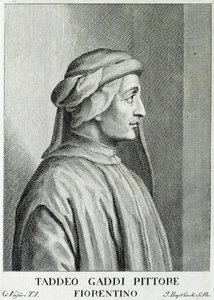
Taddeo Gaddi

İtalyan From Firenze Erken Rönesans On Wikipedia in 23 of 32 languages

Taddeo Gaddi

Orta Çağ'dan Erken Rönesans'a geçişin yaşandığı, 14. yüzyıl Floransa'sının o canlı ve gelişen atmosferinde, Taddeo Gaddi; ışığın, anlatının ve mimari ihtişamın ustası olarak öne çıktı. Gaddi'nin sanat tarihine bıraktığı en kalıcı izler, özellikle Floransa'daki Santa Croce bünyesinde yer alan Baroncelli Şapeli 'ndeki muhteşem fresk döngülerinde bulunur. Sanatçının derin ruhsal yakınlık anlarını yakaladığı Aziz Francis'in Yaşamından Bir Sahne gibi parçalarda bu ustalığı gözlemlemek mümkündür.

Taught Agnolo Gaddi #7, Jacopo Del Casentino (Jacopo Landino) #51

Works to know · Their 100 best-known works

7of 99

Agnolo Gaddi

İtalyan From Firenze Gotik, Erken Rönesans On Wikipedia in 20 of 32 languages

Agnolo Gaddi

Yaklaşık 1350 yılında Floransa'da doğan Agnolo Gaddi, İtalyan resim tarihinin en büyüleyici ve dönüm noktası niteliğindeki konumlarından birini işgal eder. Renklerle deney yapmaktan çekinmemiş, görsel olarak büyüleyici kompozisyonlar yaratmak için canlı tonlar ve hassas geçişler kullanmıştır. 1395 yılında resmedilen Son Akşam Yemeği, Giottesque sağlamlık ile Gotik inceliğin bu eşsiz harmanını sergiler; hem bir ciddiyet hem de büyüleyici bir detay ustalığıyla bezeli bir sahnedir.

Learned from Taddeo Gaddi #6

Works to know · Their 100 best-known works

8of 99

Yunan Theofanes

Yunan From Konstantinopolis Bizans İkonografisi On Wikipedia in 22 of 32 languages

Yunan Theofanes

Yaklaşık 1340 yılında Konstantinopolis'te doğan, ancak sonraki faaliyetleri nedeniyle sıklıkla Yunanistan ile ilişkilendirilen Theophanes, Bizans sanatının son görkemli dönemi ile Rusya'nın filizlenen gelenekleri arasında köprü kuran kilit bir figürdü. Yaklaşık 1395 yılında, Rus Ortodoks sanatının bir diğer ikonik ismi olan Andrei Rublev ile birlikte, Rusya içindeki güçlü bir şehir devleti olan Novgorod'a ulaştı.

Taught Andrei Rublev #2

Works to know · Their 100 best-known works

9of 99

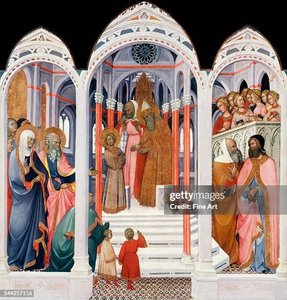
Paolo Veneziano

İtalyan From Venedik Bizans etkisi ve Gotik sanat On Wikipedia in 15 of 32 languages

Paolo Veneziano

Paolo Veneziano (yaklaşık 1333 – 1358), Venedik sanat tarihinin en anıtsal figürlerinden biri olarak durmaktadır ve evrensel olarak “on dördüncü yüzyılın en önemli Venedikli ressamı” olarak tanınır. Bizzat Venedik'in kalbinde, sanatsal bir soyağacına doğan —babası da ünlü bir sanatçıydı— Veneziano’nun kısa ama parlak kariyeri, Avrupa resminde dönüşüm yaratan bir döneme denk gelmiştir.

Works to know · Their 100 best-known works

10of 99

Lippo Memmi

İtalyan From Siena Uluslararası Gotik On Wikipedia in 17 of 32 languages

Lippo Memmi

Lippo Memmi, yaklaşık olarak 1291 yılında İtalya’nın kalbinde, Siena şehrinde doğdu ve Orta Çağ resminin Bizans köklerinden yükselen International Gothic stilinin inceliğine doğru geçişte kilit bir figür haline geldi. Belki de en ünlüsü, Uffizi Galerisi için Simone Martini ile işbirliği içinde yarattığı Aziz Margaret ve Aziz Ansanus İle Müjde (1333).

Learned from Simone Martini #1

Works to know · Their 100 best-known works

11of 99

Altichiero

İtalyan From Zevio Gotik Sanat On Wikipedia in 20 of 32 languages

Altichiero

On dördüncü yüzyılın alacakaranlığında, Bizans geleneğinin katı yapıları yeni ve daha hümanist bir vizyonun etkisiyle yumuşamaya başladığında, fırça darbeleri Veronese Okulu'nun ruhunu tanımlayacak olan bir ressam ortaya çıktı. 1330 civarında Verona yakınlarındaki sakin Zevio kasabasında doğan Altichiero da Zevio, yalnızca kutsal olayların bir kronikçisi değil, aynı zamanda Venedik Gotik tarzının bir öncüsüydü.

Works to know · Their 100 best-known works

12of 99

Spinello Aretino

İtalyan From Arezzo Giotto ve Sienese Okulu arasında bir köprü On Wikipedia in 16 of 32 languages

Spinello Aretino

Floransalı bir kuyumcu ailesinin çocuğu olarak dünyaya gelen gerçek adı Spinello Di Luca Spinelli olsa da, Arezzo ile olan bağı nedeniyle tarihe "Aretino" lakabıyla geçmiştir. Bu Floransa mirası ile Arezzo yerleşikliğinin harmanı, onun dönemin en önemli iki sanatsal geleneği arasında hayati bir köprü görevi gören bir üslup geliştirmesine olanak sağlamıştır: Giotto 'nun yapısal ve ayakları yere basan okulu ile Siena Okulu 'nun ışıl ışıl, dekoratif ihtişamı.

Learned from Jacopo Del Casentino (Jacopo Landino) #51 · Taught Lorenzo di Bicci #32

Works to know · Their 100 best-known works

13of 99

Bernardo Daddi

From Firenze On Wikipedia in 17 of 32 languages

Bernardo Daddi

1290 civarında Floransa'da doğan ve 1348 yılında hayata gözlerini yuman Bernardo Daddi, Geç Gotik dönemden filizlenen İtalyan Rönesansı'na geçiş sürecinde kilit bir figür olarak durmaktadır. Giotto'nun natüralizm ve duygusal ifadeye verdiği önem, şüphesiz Daddi'nin erken dönem üslubunu şekillendirmiştir. İlk eserleri, Giotto'nun takipçileriyle —"Santa Cecilia Ustası" ve 14. yüzyılın ilk çeyreğinde yaşamış diğer Floransa ressamları gibi ustalarla— açık bir bağ kurarak sanatsal bir soybağını yansıtır.

Works to know · Their 100 best-known works

14of 99

Andrea Pisano

İtalyan From Pontecorvo Gotik

Andrea Pisano

Andrea Pisano (yaklaşık 1290 – 1348 Orvieto), İtalyan Rönesans heykel sanatının anıtsal figürlerinden biri olarak durmaktadır; ancak sanatsal mirası, kendisinden önceki Gotik dönemle ayrılmaz bir şekilde bağlantılıdır ve Giotto di Bondone'nin devrim niteliğindeki etkisinden derinden şekillenmiştir. Lazio, Pontecorvo doğumlu olan Pisano’nun erken yaşamı bir miktar gizem içinde kalsa da, sanatını başlangıçta bir kuyumcu olarak geliştirmiş, ardından 1300 civarında Mino di Giovanni'nin himayesinde kendini tamamen heykel sanatına adamıştır.

Works to know · Their 100 best-known works

15of 99

Niccolò Di Tommaso

Italian From Florence Early Renaissance

Niccolò Di Tommaso

Niccolò di Tommaso, a name resonating softly within the annals of fourteenth-century Italian painting, emerged in Florence around 1346. A pivotal collaboration with Nardo di Cione around 1370 proved transformative.

Works to know · Their 100 best-known works

16of 99

Ni Zan

Çinli From Wuxi Yuan Hanedanlığı'nın Dört Ustası On Wikipedia in 15 of 32 languages

Ni Zan

Ni Zan, Çin'in tanınmış ressamlarından biri olarak 1301 yılında Wuxi'de varlıklı bir ailenin çocuğu olarak dünyaya geldi. Kubilay Han'ın ölümünden sonra doğmuş olmasına rağmen, Ni Zan'ın ailesi onun için oldukça titiz ve kapsamlı bir Konfüçyüs eğitimi almasını sağlayacak imkana sahipti. Ni Zan; huang gongwang, wu zhen ve wang meng ile birlikte Yuan Hanedanlığı'nın dört ustasından biri olarak kabul edilir.

Works to know · Their 100 best-known works

17of 99

Andrea Di Cione Di Arcangelo (Orcagna)

Italian From Florence Gothic-Late Gothic

Andrea Di Cione Di Arcangelo (Orcagna)

Andrea di Cione, known to history by the evocative moniker Orcagna, stands as one of the most influential figures in Florentine art during the mid-14th century—a period marked by a fascinating confluence of Gothic and Late Gothic artistic traditions. Born around 1308 in the heart of Florence, he emerged from a family deeply rooted in the city's prestigious artisan culture.

Works to know · Their 100 best-known works

18of 99

Orcagna

Italian From Florence Gothic-Late Gothic On Wikipedia in 20 of 32 languages

Orcagna

The name Orcagna—a moniker bestowed upon him by local artisans—encompasses a remarkable figure in the history of Italian art: Andrea di Cione, a painter, sculptor, architect, and master craftsman who dominated the artistic landscape of Florence during the latter half of the 14th century. Orcagna’s early life remains shrouded in some mystery, though it is believed he apprenticed under the renowned sculptor Andrea Pisano.

Learned from Andrea Pisano #14

Works to know · Their 100 best-known works

19of 99

Giovanni Da Milano

İtalyan From Lombardiya Proto-Rönesans

Giovanni Da Milano

Yaklaşık 1346 yılında Lombardiya'da Giovanni di Jacopo di Guido da Caversaccio adıyla dünyaya gelen sanatçının sanatsطsal yolculuğu, büyük değişim ve yeniliklerin yaşandığı bir dönemde, Floransa'nın canlı kültürel atmosferinde şekillenmiştir.

Works to know · Their 100 best-known works

20of 99

Barna Da Siena

Italian From Siena Gothic Art On Wikipedia in 14 of 32 languages

Barna Da Siena

To traverse the hallowed halls of the Collegiata di San Gimignano is to encounter a ghost of the Trecento, an artist whose name, Barna da Siena, lingers in the air like incense in a medieval chapel. Known also as Berna di Siena, this figure remains one of the most tantalizing enigmas in the history of Italian art.

Works to know · Their 100 best-known works

21of 99

Wang Meng

Chinese From Huzhou Yuan Dynasty Landscape Painting On Wikipedia in 14 of 32 languages

Wang Meng

Born in Wuxing, Zhejiang province – now Huzhou – around 1308, Wang Meng stands as a pivotal figure within the artistic landscape of the Yuan Dynasty (1271-1368). His life was marked by both privilege and profound misfortune; he descended from Zhao Mengfu, a prominent Song Dynasty official and artist, inheriting a lineage steeped in cultural significance.

Works to know · Their 100 best-known works

23of 99

Nicolas Bataille

French Medieval Art, Religious Paintings

Nicolas Bataille

Yet, within this tradition flourished an artist of startling intensity and dramatic vision – Nicolas Bataille (c. 1330-1405). His tapestries, particularly the famed “Seven Seals” cycle now housed in the Saint-Nicolas du Chardonnet church in Paris, offer a window into a world grappling with anxieties about mortality, divine judgment, and the impending end times – a perspective rarely found in contemporary art.

Works to know · Their 100 best-known works

24of 99

Lorenzo Veneziano

İtalyan From Venedik Bizans sanatı On Wikipedia in 11 of 32 languages

Lorenzo Veneziano

Daha doğru adıyla Giovanni Lipini olan bu sanatçının adı, Pistoia'daki Santa Maria delle Grazie'de Meryem Ana'yı tasvir eden mucizevi bir freskten türemiştir ve onun kökenleri ile kalıcı etkisine dair baştan çıkarıcı bir bakış sunar. Bu dönemde Pistoia'da aktif olan Maso di Banco ve Puccio di Simone gibi sanatçılar aracılığıyla aktarılan Giotto etkisi, Usta'nın yaklaşımını şekillendirdi; bu da biçimsel yapının ve ifade yoğunluğunun dikkate değer bir senteziydi.

Works to know · Their 100 best-known works

25of 99

Segna Di Buonaventure

Italian Trecento

Segna Di Buonaventure

Born around 1298 in Siena, Italy, and tragically dying sometime before 1331, his life spanned a period of immense artistic ferment – the very dawn of the Renaissance – and he left behind a remarkably small but intensely significant body of work.

Works to know · Their 100 best-known works

27of 99

Ugolino Di Nerio

İtalyan From Siena Sienese resmi On Wikipedia in 13 of 32 languages

Ugolino Di Nerio

Ana akım sanat tarihi anlatılarında büyük ölçüde eksik kalan bir isim olan Ugolino di Nerio, 1320'li yılların Siena ve Floransa'sındaki gelişen sanatsalam manzarasının kilit figürlerinden biri olarak durmaktadır.

Works to know · Their 100 best-known works

28of 99

Taddeo di Bartolo

Italian From Siena Early Renaissance On Wikipedia in 13 of 32 languages

Taddeo di Bartolo

In the golden twilight of the Trecento, as the medieval world began to stir toward the light of the Renaissance, Taddeo di Bartolo emerged as a transformative force within the Sienese School.

Works to know · Their 100 best-known works

29of 99

Lippo Di Benivieni

Italian From Florence Early Quattrocento

Lippo Di Benivieni

Records indicate he apprenticed under Nerio di Binduccio around 1296, suggesting an established presence within Florence's artistic milieu by this pivotal moment – a contemporary of Giotto and deeply immersed in the stylistic currents shaping Sienese painting. The Arte dei Medici e Speziali recognized him as a member from 1312 to 1320, cementing his position as a respected craftsman amidst the city’s vibrant cultural landscape.

Works to know · Their 100 best-known works

30of 99

Zhao Yuan

Chinese Landscape painting

Zhao Yuan

Born in Yingcheng (modern-day Yingxian County, Shandong Province) sometime during the late Yuan dynasty (1368-1407), he lived through a period of immense upheaval and transition – the fall of the Mongol-led Yuan and the establishment of the Ming. His most significant debt is undoubtedly to Wang Meng (1308-1383), one of the last great masters of the Yuan dynasty.

Works to know · Their 100 best-known works

31of 99

Andrea Di Bartolo

Italian From Siena Sienese School On Wikipedia in 12 of 32 languages

Andrea Di Bartolo

In the vibrant heart of the Sienese School, Andrea di Bartolo emerged as a master whose brush captured the profound spiritual intensity of his era. As the son and pupil of the prominent painter Bartolo di Fredi, Andrea’s artistic journey was deeply rooted in the traditions of his father's workshop.

Works to know · Their 100 best-known works

32of 99

Lorenzo di Bicci

Italian Florentine School

Lorenzo di Bicci

Lorenzo di Bicci, born around 1350 in the heart of Florence, stands as a pivotal figure bridging the late Gothic traditions of his predecessors with the burgeoning naturalism that would define the early Renaissance.

Works to know · Their 100 best-known works

33of 99

Melchior Broederlam

Belgian From Ypres Early Netherlandish Painting On Wikipedia in 15 of 32 languages

Melchior Broederlam

In the twilight of the fourteenth century, a transformative energy began to pulse through the workshops of Flanders, signaling the end of the medieval era and the slow, luminous birth of the Northern Renaissance.

Works to know · Their 100 best-known works

34of 99

Bicci Di Lorenzo

İtalyan From Floransa Floransa Okulu On Wikipedia in 8 of 32 languages

Bicci Di Lorenzo

1373 yıllarında Floransa'da doğan Lorenzo di Bicci, on dördüncü yüzyılın ikinci yarısı ve on beşinci yüzyılın başlarında gelişmekte olan Floransa Okulu resim sanatının en kilit figürlerinden biri olarak öne çıkar.

Works to know · Their 100 best-known works

35of 99

Gherardo Starnina

Italian From Florence Venetian Renaissance On Wikipedia in 12 of 32 languages

Gherardo Starnina

In the golden twilight of the Middle Ages, as the rigid structures of the Gothic era began to soften under the warmth of burgeoning humanism, there emerged a painter whose brush captured the very essence of spiritual devotion and intricate beauty.

Works to know · Their 100 best-known works

36of 99

Jean Pucelle

French Early Gothic painting

Jean Pucelle

Jean Pucelle remains one of the most captivating enigmas in the annals of medieval art, a figure whose name is whispered with reverence by those who study the delicate transition from the rigid structures of the Middle Ages to the burgeoning humanism of the Renaissance.

Works to know · Their 100 best-known works

37of 99

Andrea di Bonaiuto

İtalyan From Firenze Toskana resmi On Wikipedia in 12 of 32 languages

Andrea di Bonaiuto

On dördüncü yüzyılın ortalarında Floransa, sanatsal yeteneklerin muazzam bir çiçeklenişine tanıklık ediyordu ve bu dönemin en görkemli figürlerinden biri kuşkusuz Andrea Orcagna idi. Sanatçıların mesleki tanınırlık ve siparişlere erişim sağlamak için izlediği yaygın bir yol olan Arte dei Medici e degli Speziali (hekimler ve eczacılar loncası) üyeliğine 1343-44 yıllarında dahil oldu.

Works to know · Their 100 best-known works

38of 99

Guariento di Arpo

Italian From Piove di Sacco Early Renaissance; Venetian painting; Gothic art On Wikipedia in 12 of 32 languages

Guariento di Arpo

Guariento di Arpo (c. 1310–1370) stands as a monumental figure of the Trecento, acting as the essential bridge between the grounded, volumetric realism of Florence and the ethereal, ornamental splendor of the Venetian Gothic tradition. The foundations of Guariento’s genius were laid in the workshops of his contemporaries, where the shadows of masters like Giotto di Bondone and Giovanni Pisano loomed large.

Works to know · Their 100 best-known works

39of 99

Giovanni Del Biondo

Italian From Pratovecchio Gothic & Early Renaissance On Wikipedia in 10 of 32 languages

Giovanni Del Biondo

The story of Giovanni del Biondo is one woven into the very fabric of 14th-century Florence, a period of profound transition where the rigid elegance of the Gothic tradition began to breathe with the nascent vitality of the Early Renaissance.

Works to know · Their 100 best-known works

40of 99

Claus Sluter

Hollandalı From Haarlem Kuzey Realizmi

Claus Sluter

Claus Sluter (yaklaşık 1350-1406), Kuzey Avrupa'daki Gotik ve Rönesans sanatsal gelenekleri arasında kritik bir dönüm noktasını temsil eden, döneminin en etkili heykeltıraşlarından biri olarak tarihe geçmiştir.

Works to know · Their 100 best-known works

42of 99

Jacopo di Cione

Italian From Florence Gothic On Wikipedia in 7 of 32 languages

Jacopo di Cione

Born in Florence sometime between 1320 and 1330, he emerged from a family deeply rooted in artistic tradition—his three elder brothers, Andrea di Cione (Orcagna), Nardo di Cione, and Matteo di Cione—were themselves accomplished painters, establishing a lineage of creative excellence.

Works to know · Their 100 best-known works

43of 99

Bartolo Di Fredi

Italian From Siena Sienese School On Wikipedia in 13 of 32 languages

Bartolo Di Fredi

Gotik dönemin ruhani zarafetinden Rönesans'ın filizlenen hümanizmine geçişle tanımlanan on dördüncü yüzyıl Toskana'sının kalbinde, Bartolo di Fredi ışık ve anlatının bir ustası olarak yükseldi. 1330 civarında Siena'da doğan sanatçı, bir ressamdan çok daha fazlasıydı; iki dünya arasında kurulan bir köprüydü.

Works to know · Their 100 best-known works

44of 99

Conrad von Soest

German From Dortmund International Gothic soft style On Wikipedia in 13 of 32 languages

Conrad von Soest

Born around 1370, von Soest emerged not merely as a local painter but as the preeminent Westphalian master of his era. His presence in Dortmund placed him at the heart of a cosmopolitan social circle, where he moved among the patrician elite, securing the patronage necessary to sustain a thriving workshop that would influence Northern European painting well into the late 15th century.

Works to know · Their 100 best-known works

45of 99

Tuthmosis

Egyptian From Amarna Amarna art style

Tuthmosis

Tuthmosis, a name synonymous with the golden age of ancient Egypt, was born in Amarna around 1340 BC – a pivotal period marked by radical artistic and religious upheaval. Akhenaten, abandoning the established pantheon of Egyptian gods, moved the capital from Thebes to Amarna – a newly constructed city dedicated solely to Aten. Perhaps Tuthmosis’s most celebrated achievement is undoubtedly the magnificent Bust of Queen Nefertiti, completed around 1340 BC.

Works to know · Their 100 best-known works

46of 99

Giovanni da Milano

Italian From Valmorea Italian Gothic On Wikipedia in 13 of 32 languages

Giovanni da Milano

In the bustling streets of Florence, where the air was thick with the scent of fresh pigment and the echoes of a changing era, a painter named Giovanni di Jacopo di Guido da Caversaccio began to make his mark. Hailing from Lombardy, he arrived in Tuscany as a man seeking his fortune, appearing in the city's records as Johannes Jacobi de Commo.

Works to know · Their 100 best-known works

47of 99

Master Bertram

German From Minden International Gothic On Wikipedia in 13 of 32 languages

Master Bertram

Born in Minden, Germany, around 1345 and passing away in Hamburg circa 1415, Master Bertram remains a captivating figure within the history of European art. Often referred to as Meister Bertram or Master of Minden, he stands as a pivotal artist bridging the International Gothic style with the nascent trends of the early Renaissance in Northern Europe.

Works to know · Their 100 best-known works

49of 99

Ashikaga Yoshimitsu

From Kyoto

Ashikaga Yoshimitsu

Ashikaga Yoshimitsu (September 25, 1358 – May 31, 1408) was the third shōgun of the Ashikaga shogunate, ruling Japan during the Muromachi period. Born in Kyoto as Haruō, he was the oldest surviving son of Ashikaga Yoshiakira. In 1379, Yoshimitsu initiated a significant reorganization of the gozan zen (Five Mountain Zen) establishment, solidifying its institutional framework.

Works to know · Their 100 best-known works

50of 99

André Beauneveu

Netherlandish From Valenciennes Pucellian revival

André Beauneveu

In the twilight of the fourteenth century, a period defined by the transition from the rigid structures of the High Middle Ages to the burgeoning naturalism of the Early Netherlandish tradition, the name André Beauneveu emerges as a beacon of artistic innovation.

Works to know · Their 100 best-known works

51of 99

Jacopo Del Casentino (Jacopo Landino)

Italian From Florence Renaissance

Jacopo Del Casentino (Jacopo Landino)

Often known to history through the mistaken identity of Jacopo Landino —a nomenclature born from the historical errors of Giorgio Vasari—this Florentine master navigated the delicate transition between the late Gothic tradition and the burgeoning sensibilities of the early Renaissance. The origins of his artistry are deeply rooted in the Florentine milieu, likely shaped by the influential circle surrounding the Master of St.

Works to know · Their 100 best-known works

52of 99

Musō Soseki

Japon From Ise Zen Budizmi On Wikipedia in 12 of 32 languages

Musō Soseki

Musō Soseki, Japon sanatı ve maneviyatının en önde gelen figürlerinden biri olarak 1275 yılında dünyaya gelmiş ve 20 Ekim 1351 tarihinde hayata gözlerini yummuştur. Bir Rinzai Zen Budist keşişi ve öğretmeni olarak, kaligrafi, şiir ve bahçe tasarımı dünyasında silinmez bir iz bırakmıştır. Musō Soseki'nin Japon sanatına katkıları, hem Çin etkilerini hem de belirgin Japon geleneklerini yansıtan çok yönlü bir yapıya sahiptir.

Works to know · Their 100 best-known works

53of 99

Francesco Traini

Italian From Pisa Gothic Art On Wikipedia in 11 of 32 languages

Francesco Traini

Francesco Traini (c. 1321 – c. 1365) stands as a singular figure in the artistic landscape of Tuscany during the tumultuous fourteenth century, primarily recognized for his monumental frescoes adorning the Camposanto Monumentale in Pisa and Bologna—works that encapsulate the anxieties and spiritual fervor born from the Black Death.

Works to know · Their 100 best-known works

54of 99

Vitale Da Bologna

Italian From Bologna International Gothic On Wikipedia in 12 of 32 languages

Vitale Da Bologna

Vitale da Bologna, a name whispered through the corridors of art history as the definitive master of the Bolognese Gothic, emerged from the vibrant cultural landscape of 14th-century Italy to leave an indelible mark on the Early Renaissance.

Works to know · Their 100 best-known works

56of 99

Pere Serra

Spanish Gothic-Italian

Pere Serra

Pere Serra, also known as Jaume Serra, stands as a compelling figure in the transition from the International Gothic style to the burgeoning Renaissance aesthetic within Catalonia. Born around 1357 and passing away in 1406, his life coincided with a period of significant artistic and cultural change across Europe, yet he maintained a distinctly Catalan sensibility throughout his career.

Works to know · Their 100 best-known works

57of 99

Aztek İmparatorluğu

Meksika From Tenochtitlan Mezoamerika sanatı

Aztek İmparatorluğu

Sanatları yalnızca dekoratif değildi; hem katı bir yapıya sahip hem de son derece yenilikçi olan bu toplumda dini inanışları, siyasi gücü, tarihi anlatıları ve sosyal hiyetsizliği ileten canlı bir dildi. 14. yüzyılın başlarında Aztek İmparatorluğu'nun kalbi Tenochtitlan'da doğan Azteklerin sanatsal gelenekleri, daha önceki Mezoamerika medeniyetlerinin miraslarına derinden kök salmıştı.

Works to know · Their 100 best-known works

58of 99

Liaoan Qingyu

Chinese From Taizhou Yuan dynasty calligraphy

Liaoan Qingyu

Born in Taizhou, within the Zhejiang province of China, he was originally known by the name Zhu and also carried the moniker Nantang. His existence was deeply intertwined with the spiritual lineage of Zen Buddhism, as he sought enlightenment through the guidance of esteemed masters such as Guling Qingmao.

Works to know · Their 100 best-known works

59of 99

Marco Di Paolo Veneziano

Italian Byzantine-influenced art; Gothic art

Marco Di Paolo Veneziano

In the shimmering, maritime heart of the fourteenth century, a transformative era was unfolding within the lagoons of Venice, and at its center stood Paolo Veneziano. Often revered as the undisputed founder of the Venetian School, this master artist—also known by names such as Paolo da Venezia or Veneziano Paolo —did more than merely paint; he forged a visual identity for a rising maritime republic.

Works to know · Their 100 best-known works

60of 99

Matteo Di Ser Cambio

Italian From Perugia Renaissance

Matteo Di Ser Cambio

In the golden twilight of the Middle Ages, as the rigid structures of the Byzantine tradition began to soften under the burgeoning light of the Renaissance, there emerged a figure of profound architectural and decorative significance in the heart of Italy. Matteo di Ser Cambio, an artist whose name echoes through the halls of Perugia and Florence, served as a vital bridge between the medieval past and the humanist future.

Works to know · Their 100 best-known works

62of 99

Ferrer Bassa

Catalan From Avinyonet del Penedès Gothic painting

Ferrer Bassa

Ferrer Bassa emerged from the artistic landscape of 14th-century Catalonia as a pivotal figure, bridging the gap between established Gothic traditions and the burgeoning Italianate styles that would reshape European painting. Born around 1285 in the small town of Avinyonet del Penedès, his early life remains shrouded in some mystery, yet the documented evidence reveals a trajectory marked by both diligent craftsmanship and royal favor.

Works to know · Their 100 best-known works

63of 99

Tommaso Da Modena

Italian From Modena Late Gothic On Wikipedia in 15 of 32 languages

Tommaso Da Modena

Precise details concerning his familial background are elusive, yet evidence suggests he belonged to a noble family engaged in mercantile pursuits—a circumstance that afforded him access to resources crucial for pursuing scholarly endeavors and honing artistic skills.

Works to know · Their 100 best-known works

64of 99

Jacopo Avanzi

Italian From Bologna Renaissance, Proto-Renaissance

Jacopo Avanzi

Jacopo d'Avanzi, a name resonating softly through the annals of the 14th-century Italian Renaissance, remains an artist shrouded in some mystery, often conflated with contemporaries like Jacopo de’ Bavozi. This environment undoubtedly played a crucial role in fostering d'Avanzi’s talent.

Works to know · Their 100 best-known works

65of 99

Paolo Di Giovanni Fei

İtalyan From San Quirico d'Orcia Natüralizm, Proto-Rönesans On Wikipedia in 10 of 32 languages

Paolo Di Giovanni Fei

Yaklaşık 1280 yılında doğan ve trajik bir şekilde 1348 yılında yıkıcı Kara Ölüm pandemisi sırasında hayata veda eden Pietro Lorenzetti, İtalyan resminin evriminde kilit bir figür olmaya devam ediyor. Hayatı trajik bir şekilde kısa sürse de, kardeşi Ambrogio Lorenzetti ile olan iş birliği ve Giotto ile Giovanni Pisano'nun yenilikçi tekniklerine olan bağlılığı sayesinde Siena'daki sanatsal duyarlılıklarda yaşanan dramatik değişime tanıklık etmiştir.

Works to know · Their 100 best-known works

66of 99

Giottino

Italian From Florence Early Italian painter On Wikipedia in 14 of 32 languages

Giottino

Born around 1324, Maso di Stefano—better known by his diminutive title—did not simply mimic his predecessors. In works like the Pietà of San Remigio, created around 1365, the artist captures a heavy, physical grief. The frescoes in the chapel of San Silvestro within the Basilica of Santa Croce in Florence provide evidence of his capacity for complex storytelling.

Works to know · Their 100 best-known works

67of 99

Wu Zhen

Yuan dynasty From Jiashan County On Wikipedia in 12 of 32 languages

Wu Zhen

After completing his formal education, Wu Zhen made the deliberate choice to abandon the life of a scholar or a warrior to pursue the art of painting.

Works to know · Their 100 best-known works

68of 99

Jacopo del Casentino

Florentine From Florence Later Gothic On Wikipedia in 10 of 32 languages

Jacopo del Casentino

Florence serves as the backdrop for the career of Jacopo del Casentino. As a pupil of Taddeo Gaddi, Casentino absorbs the technical foundations of the Florentine tradition while looking toward new horizons. Alongside Bernardo Daddi, Casentino helps spread the popularity of these portable altars across Italy, bringing sacred imagery into the quiet corners of domestic life.

Learned from Taddeo Gaddi #6 · Taught Spinello Aretino #12

Works to know · Their 100 best-known works

69of 99

Giusto De' Menabuoi

Italian From Florence Early Renaissance On Wikipedia in 12 of 32 languages

Giusto De' Menabuoi

Giusto de’ Menabuoi (c. 1320–1391) was an Italian painter born in Florence, marking the dawn of the Quattrocento – a pivotal era in Renaissance art history. Notably, between 1375 and 1378, he embarked upon the decoration of the Baptistery of Saint Anthony – a project that exemplifies his innovative blending of Byzantine influences with Florentine artistic sensibilities.

Works to know · Their 100 best-known works

71of 99

Matteo Giovanetti

Italian From Viterbo Early Italian Renaissance

Matteo Giovanetti

In the heart of fourteenth-century Italy, amidst the spiritual awakening of the early Renaissance, the name Matteo Giovanetti emerged as a beacon of devotional mastery. His life’s work serves as a vital bridge between the rigid, symbolic traditions of the Gothic period and the burgeoning naturalism that would soon define the Italian Renaissance.

Works to know · Their 100 best-known works

72of 99

Reisai Gukyoku

Japanese From Yamashiro Zen buddhism art

Reisai Gukyoku

In the quiet corridors of Japan’s Muromachi period, where the spiritual and the aesthetic were inextricably linked, the figure of Reisai Gukyostu emerges as a profound voice of meditative stillness. A Japanese Buddhist monk-painter active during the late 14th and early 15th centuries, Gukyoku did not merely create art; he practiced a form of visual prayer.

Works to know · Their 100 best-known works

73of 99

Qingzhuo Zhengcheng, Ch'Ing-Cho Cheng-Ch'Eng

Chinese Zen Buddhism

Qingzhuo Zhengcheng, Ch'Ing-Cho Cheng-Ch'Eng

In the quiet, meditative corridors of history, few figures loom as large or as transformative as Seisetsu Shōchō (1274–1339). Born in China during the vibrant Yuan Dynasty, his life was a bridge between two worlds, spanning the intellectual rigor of Chinese scholarship and the spiritual revitalization of Japanese Zen.

Works to know · Their 100 best-known works

74of 99

Bartolommeo Bulgarini

Italian From Siena Sienese school

Bartolommeo Bulgarini

Bartolommeo Bulgarini, known variously as Bulgarino or Bologhini, emerged from the vibrant artistic ferment of fourteenth-century Siena to become one of the most profound voices of the Trecento. Born around 1300, his life was inextricably linked to the golden age of Sienese painting, a period defined by a unique tension between the celestial and the terrestrial.

Works to know · Their 100 best-known works

76of 99

Barnaba Da Modena

Italian From Modena Byzantine-influenced Lombard Painting On Wikipedia in 12 of 32 languages

Barnaba Da Modena

Born around 1328 in Modena (Emilia), he emerged from obscurity to become arguably the first Lombard painter of considerable renown, leaving behind an impressive oeuvre that testifies to his unwavering devotion to this venerable artistic heritage. His activity spanned Lombardy, Piedmont, and Pisa in Tuscany, establishing him as a pivotal artist within the burgeoning cultural dynamism of the era.

Works to know · Their 100 best-known works

77of 99

Peter Parler

German-Bohemian From Schwaebisch Guemund Late Gothic

Peter Parler

In the heart of the Late Middle Ages, a period defined by soaring spires and profound devotion, Peter Parler emerged as one of the most influential architects and sculptors of his era. Known variously as Peter von Gemünd or Petr Parléř, his identity was inextricably linked to the Parler family, a lineage of craftsmen whose influence stretched across much of Central Europe.

Works to know · Their 100 best-known works

78of 99

Bonanat Descoll I De Santcliment

İtalyan From Barselona Erken Rönesans

Bonanat Descoll I De Santcliment

Bonanat Descoll I De Santcliment, 14. yüzyılda Aragon Krallığı'nın önemli bir Katalan amiralidir. 1310 yılında İspanya'nın Barselona kentinde dünyaya gelen sanatçı, 1390 yılında hayata gözlerini yummuştur. Bonanat Descoll I De Santcliment, yalnızca yetenekli bir askeri lider değil, aynı zamanda çok yönlü bir sanatçıydı.

Works to know · Their 100 best-known works

79of 99

Yuan Dynasty

Chinese From Beijing Landscape Art

Yuan Dynasty

The Yuan Dynasty (1271–1368), established by Kublai Khan, represents a singular moment in Chinese history – the first time a foreign power successfully ruled over all of China. Understanding Yuan art requires delving into its complex context: the ambition of Kublai Khan to unite Eurasia under Mongol rule, coupled with a burgeoning intellectual elite eager to embrace new ideas and traditions.

Works to know · Their 100 best-known works

81of 99

Domenico Di Agostino

Italian From Siena Gothic Art

Domenico Di Agostino

Domenico di Agostino, born in Siena around 1317, emerged from the vibrant artistic milieu of a city deeply steeped in religious fervor. While not as widely celebrated as some of his contemporaries like Duccio or Simone Martini, Domenico carved out a significant place for himself within the Sienese School, becoming known for his intensely devotional works and refined stylistic approach.

Works to know · Their 100 best-known works

84of 99

Francesco Di Petracco

Italian From Arezzo Humanist poetry

Francesco Di Petracco

Born in Arezzo, Italy, in 1304 as Francesco Patriarca – later adopting the name Francesco Petrarca – this artist was more than just a painter; he was a pivotal figure in the burgeoning Italian Renaissance. His family, prominent Florentine notaries, faced exile due to the turbulent power struggles between the White and Black Guelphs.

Works to know · Their 100 best-known works

86of 99

Sesson Yūbai

Japanese From Tokyo Zen Buddhism

Sesson Yūbai

Sesson Yūbai (雪村 友梅; 1290 – 14th day of the 1st month, 1347) stands as one of Japan’s most revered Zen Buddhist poets and monks—a figure inextricably linked to the profound aesthetic principles that define the Five Mountains School of Zen.

Works to know · Their 100 best-known works

88of 99

Giovanni Di Chellino Boccaccio

Italian From Certaldo Humanism precursor

Giovanni Di Chellino Boccaccio

Born amidst the rolling landscapes of Certaldo in 1313, Giovanni Boccaccio emerged as a vital force in the cultural landscape of the fourteenth century. As one of the legendary "Three Crowns" of Italian literature—standing alongside the giants Dante Alighieri and Petrarch—his life served as a bridge between the medieval world and the dawning light of the Renaissance.

Works to know · Their 100 best-known works

89of 99

Emperor Kōgon

Japanese Buddhist Art

Emperor Kōgon

In the turbulent landscape of fourteenth-century Japan, amidst the political fragmentation of the Northern and Southern Courts, there emerged a figure whose influence transcended the mere boundaries of imperial governance. Emperor Kōgon (1313–1364) was not merely a sovereign navigating a period of profound instability; he was a visionary patron whose devotion to Buddhist iconography helped reshape the aesthetic soul of Northern Japan.

Works to know · Their 100 best-known works

90of 99

Jakushitsu Genkō

Japanese From Tokyo Rinzai Zen

Jakushitsu Genkō

Jakushitsu Genkō (寂室 元光, june 23, 1290 – september 25, 1367) stands as a singular figure in fourteenth-century Japan—a Rinzai Zen master whose artistic output transcended mere craftsmanship to embody the very essence of contemplative practice.

Works to know · Their 100 best-known works

92of 99

Mother Julian

English From Norwich Medieval Mysticism

Mother Julian

In the heart of a bustling, medieval port city, amidst the shadows of the Black Death and the tremors of the Peasants’ Revolt, lived a woman whose voice would transcend the stone walls of her enclosure. Julian of Norwich, known variously as Lady Julian or Mother Julian, carved out a life of profound stillness within the Holy Cell of Norwich Cathedral.

Works to know · Their 100 best-known works

93of 99

Nardo di Cione

Italian From Florence Renaissance Painting On Wikipedia in 10 of 32 languages

Nardo di Cione

Born around 1320, he was part of a formidable artistic dynasty, working alongside his brothers, the renowned Orcagna (Andrea di Cione) and Jacopo di Cione. The zenith of Nardo’s collaborative achievements can be found within the hallowed walls of the Cappella Strozzi in Santa Maria Novella.

Works to know · Their 100 best-known works

94of 99

Tutankhamen

Egyptian From Amarna Ancient Egyptian Art

Tutankhamen

Born as Tutankhaten, the Living Image of Aten, his early years were defined by the radical, monotheistic shadows cast by his predecessor, Akhenaten. Yet, the boy who would become Tutankhamun possessed a destiny far greater than mere survival.

Works to know · Their 100 best-known works

95of 99

Serafino Serafini

Italian From Modena Giottesque & Bolognese

Serafino Serafini

In the twilight of the fourteenth century, amidst the architectural grandeur of Northern Italy, the name Serafino Serafini emerged as a vital, if enigmatic, force in the evolution of late medieval painting. Born around 1324 in the industrious city of Modena, Serafini’s origins were deeply rooted in the tactile traditions of his homeland.

Works to know · Their 100 best-known works

96of 99

Filippo Calendario

Italian Venetian Gothic

Filippo Calendario

Filippo Calendario stands as a pivotal figure in the artistic landscape of fourteenth-century Venice, primarily recognized for his monumental contributions to the construction and decoration of the Doge’s Palace—a testament to Venetian architectural prowess during its golden age. Born around 1315, likely in Florence, Calendario’s early life was shaped by the rigorous traditions of Italian craftsmanship.

Works to know · Their 100 best-known works

98of 99

Zekkai Chūshin

Italian From Tosa Byzantine art

Zekkai Chūshin

The figure known as the Master of 1336 remains one of the most intriguing enigmas in Italian art history. While his name—a label bestowed upon him due to a fresco depicting the miracle of the Virgin Mary in Santa Maria delle Grazie, Pistoia—offers little insight into his personal identity, his paintings speak volumes about the artistic currents shaping Tuscany at the time.

Works to know · Their 100 best-known works

Pictures worth knowing

Famous Late Medieval works to recognise

  1. The Miracle of the Resurrected Child, approx. - by Simone Martini

    The Miracle of the Resurrected Child, approx. -

    Simone Martini

    1321

  2. Deesis Range: The Archangel Michael by Andrei Rublev

    Deesis Range: The Archangel Michael

    Andrei Rublev

    1410 · Tretyakov Galerisi, Moskova

  3. Bad Government and the Effects of Bad Government on the City Life by Ambrogio Lorenzetti

    Bad Government and the Effects of Bad Government on the City Life

    Ambrogio Lorenzetti

    1338 · Palazzo Pubblico, Siena

  4. Madonna Enthroned with Angels by Pietro Lorenzetti

    Madonna Enthroned with Angels

    Pietro Lorenzetti

    1340 · Galleria degli Uffizi, Floransa

  5. Ghent Altarpiece - Soluk Kapılar'ın Dış Görünümü by Hubert Van Eyck

    Ghent Altarpiece - Soluk Kapılar'ın Dış Görünümü

    Hubert Van Eyck

    1432

  6. Nativity by Taddeo Gaddi

    Nativity

    Taddeo Gaddi

    1325 · Fundación Colección Thyssen-Bornemisza, Barselona

  7. The Last Supper by Agnolo Gaddi

    The Last Supper

    Agnolo Gaddi

    1395 · Lindenau-Museum, Altengau

  8. Our Lady of the Don by Yunan Theofanes

    Our Lady of the Don

    Yunan Theofanes

    1382 · Tretyakov Galerisi, Moskova

When it happened

Late Medieval, step by step

  1. 1321
  2. 1324
  3. 1324
  4. 1325
  5. 1333
  6. 1336
  7. 1338
  8. 1339
  9. 1340
  10. 1350
  11. 1354
  12. 1354
  13. 1370
  14. 1371

Fun figures

The numbers behind the list

Country of birth
Italy37
İtalya18
Japan9
China4
Spain3
France3
Germany3
Egypt3
Decade of birth
1270s4
1280s9
1290s11
1300s9
1310s8
1320s12
1330s13
1340s9
1350s15
1360s9
Museums holding their key works
Metropolitan Sanat Müzesi19
Gemäldegalerie5
Yale University Art Gallery4
National Gallery4
Galleria degli Uffizi3
National Gallery of Art3
Louvre Müzesi3
Cleveland Museum of Art3

Just the names

List of 99 famous Late Medieval artists to know

  1. 1Simone MartiniSimone Martiniİtalyan · 1284–1344
  2. 2Andrei RublevAndrei Rublev1360–1430
  3. 3Ambrogio LorenzettiAmbrogio Lorenzettiİtalyan · 1290–1348
  4. 4Pietro LorenzettiPietro Lorenzettiİtalyan · 1280–1348
  5. 5Hubert Van EyckHubert Van Eyck1366–1426
  6. 6Taddeo GaddiTaddeo Gaddiİtalyan · 1300–1366
  7. 7Agnolo GaddiAgnolo Gaddiİtalyan · 1350–1396
  8. 8Yunan TheofanesYunan TheofanesYunan · 1335–1410
  9. 9Paolo VenezianoPaolo Venezianoİtalyan · 1333–1358
  10. 10Lippo MemmiLippo Memmiİtalyan · 1291–1356
  11. 11AltichieroAltichieroİtalyan · 1330–1390
  12. 12Spinello AretinoSpinello Aretinoİtalyan · 1350–1410
  13. 13Bernardo DaddiBernardo Daddi1290–1348
  14. 14Andrea PisanoAndrea Pisanoİtalyan · 1290–1348
  15. 15Niccolò Di TommasoNiccolò Di TommasoItalian · 1346–1376
  16. 16Ni ZanNi ZanÇinli · 1301–1374
  17. 17Andrea Di Cione Di Arcangelo (Orcagna)Andrea Di Cione Di Arcangelo (Orcagna)Italian · 1308–1368
  18. 18OrcagnaOrcagnaItalian · 1315–1368
  19. 19Giovanni Da MilanoGiovanni Da Milanoİtalyan · 1346–1369
  20. 20Barna Da SienaBarna Da SienaItalian · 1330–1380
  21. 21Wang MengWang MengChinese · 1308–1385
  22. 22Cresques AbrahamCresques AbrahamSpanish · 1325–1387
  23. 23Nicolas BatailleNicolas BatailleFrench · 1330–1405
  24. 24Lorenzo VenezianoLorenzo Venezianoİtalyan · 1336–1379
  25. 25Segna Di BuonaventureSegna Di BuonaventureItalian · 1298–1326
  26. 26Cennino CenniniCennino CenniniItalian · 1360–1440
  27. 27Ugolino Di NerioUgolino Di Nerioİtalyan · 1280–1330
  28. 28Taddeo di BartoloTaddeo di BartoloItalian · 1362–1422
  29. 29Lippo Di BenivieniLippo Di BenivieniItalian · 1296–1327
  30. 30Zhao YuanZhao YuanChinese · born 1350
  31. 31Andrea Di BartoloAndrea Di BartoloItalian · 1360–1428
  32. 32Lorenzo di BicciLorenzo di BicciItalian · 1350–1427
  33. 33Melchior BroederlamMelchior BroederlamBelgian · 1355–1410
  34. 34Bicci Di LorenzoBicci Di Lorenzoİtalyan · 1350–1427
  35. 35Gherardo StarninaGherardo StarninaItalian · 1354–1413
  36. 36Jean PucelleJean PucelleFrench · 1300–1334
  37. 37Andrea di BonaiutoAndrea di Bonaiutoİtalyan · 1343–1379
  38. 38Guariento di ArpoGuariento di ArpoItalian · 1310–1370
  39. 39Giovanni Del BiondoGiovanni Del BiondoItalian · 1356–1399
  40. 40Claus SluterClaus SluterHollandalı · 1355–1406
  41. 41Kokan ShirenKokan ShirenJapanese · 1278–1346
  42. 42Jacopo di CioneJacopo di CioneItalian · 1325–1399
  43. 43Bartolo Di FrediBartolo Di FrediItalian · 1330–1410
  44. 44Conrad von SoestConrad von SoestGerman · 1360–1423
  45. 45TuthmosisTuthmosisEgyptian · 1340–1300
  46. 46Giovanni da MilanoGiovanni da MilanoItalian · 1325–1370
  47. 47Master BertramMaster BertramGerman · 1345–1415
  48. 48Agostino Di GiovanniAgostino Di GiovanniItalian · 1285–1347
  49. 49Ashikaga YoshimitsuAshikaga Yoshimitsu1358–1408
  50. 50André BeauneveuAndré BeauneveuNetherlandish · 1335–1403
  51. 51Jacopo Del Casentino (Jacopo Landino)Jacopo Del Casentino (Jacopo Landino)Italian · 1330–1380
  52. 52Musō SosekiMusō SosekiJapon · 1275–1351
  53. 53Francesco TrainiFrancesco TrainiItalian · 1321–1365
  54. 54Vitale Da BolognaVitale Da BolognaItalian · 1289–1359
  55. 55Sheikh Zain Al-DinSheikh Zain Al-DinKurdish · born 1325
  56. 56Pere SerraPere SerraSpanish · 1357–1406
  57. 57Aztek İmparatorluğuAztek İmparatorluğuMeksika · 1300–1521
  58. 58Liaoan QingyuLiaoan QingyuChinese · 1288–1363
  59. 59Marco Di Paolo VenezianoMarco Di Paolo VenezianoItalian · born 1362
  60. 60Matteo Di Ser CambioMatteo Di Ser CambioItalian · 1351–1424
  61. 61Zhu DiZhu Di1360–1424
  62. 62Ferrer BassaFerrer BassaCatalan · 1285–1348
  63. 63Tommaso Da ModenaTommaso Da ModenaItalian · 1326–1379
  64. 64Jacopo AvanziJacopo AvanziItalian · 1350–1416
  65. 65Paolo Di Giovanni FeiPaolo Di Giovanni Feiİtalyan · 1345–1411
  66. 66GiottinoGiottinoItalian · 1324–1372
  67. 67Wu ZhenWu ZhenYuan dynasty · 1280–1354
  68. 68Jacopo del CasentinoJacopo del CasentinoFlorentine · 1297–1358
  69. 69Giusto De' MenabuoiGiusto De' MenabuoiItalian · 1330–1393
  70. 70Jacquemart de HesdinJacquemart de HesdinFrench · 1350–1410
  71. 71Matteo GiovanettiMatteo GiovanettiItalian · 1322–1368
  72. 72Reisai GukyokuReisai GukyokuJapanese · 1363–1452
  73. 73Qingzhuo Zhengcheng, Ch'Ing-Cho Cheng-Ch'EngQingzhuo Zhengcheng, Ch'Ing-Cho Cheng-Ch'EngChinese · 1274–1339
  74. 74Bartolommeo BulgariniBartolommeo BulgariniItalian · 1305–1378
  75. 75Gikō TettōGikō TettōJapanese · 1295–1369
  76. 76Barnaba Da ModenaBarnaba Da ModenaItalian · 1328–1386
  77. 77Peter ParlerPeter ParlerGerman-Bohemian · 1330–1399
  78. 78Bonanat Descoll I De SantclimentBonanat Descoll I De Santclimentİtalyan · 1310–1390
  79. 79Yuan DynastyYuan DynastyChinese · 1271–1368
  80. 80Giovanni Di RiginoGiovanni Di RiginoItalian · born 1315
  81. 81Domenico Di AgostinoDomenico Di AgostinoItalian · 1317–1366
  82. 82Agnolo Di VenturaAgnolo Di VenturaItalian · 1290–1349
  83. 83Giovanni Da CampioneGiovanni Da CampioneItalian · 1320–1375
  84. 84Francesco Di PetraccoFrancesco Di PetraccoItalian · 1304–1374
  85. 85Giovanni d'AgostinoGiovanni d'Agostino1285–1347
  86. 86Sesson YūbaiSesson YūbaiJapanese · 1290–1347
  87. 87Sultan Al-Malik Al-Zahir Abu Sa’Id BarquqSultan Al-Malik Al-Zahir Abu Sa’Id BarquqEgyptian · 1339–1399
  88. 88Giovanni Di Chellino BoccaccioGiovanni Di Chellino BoccaccioItalian · 1313–1375
  89. 89Emperor KōgonEmperor KōgonJapanese · 1313–1364
  90. 90Jakushitsu GenkōJakushitsu GenkōJapanese · 1290–1367
  91. 91Bernat Saulet I El Taller De Sant Joan De Les AbadessesBernat Saulet I El Taller De Sant Joan De Les AbadessesItalian · 1341–1342
  92. 92Mother JulianMother JulianEnglish · born 1343
  93. 93Nardo di CioneNardo di CioneItalian · 1320–1366
  94. 94TutankhamenTutankhamenEgyptian · 1345–1327
  95. 95Serafino SerafiniSerafino SerafiniItalian · 1324–1393
  96. 96Filippo CalendarioFilippo CalendarioItalian · 1315–1355
  97. 97Antonio Baboccio Da PipernoAntonio Baboccio Da PipernoItalian · 1351–1435
  98. 98Zekkai ChūshinZekkai ChūshinItalian · 1336–1405
  99. 99Ryūshū ShūtakuRyūshū ShūtakuJapanese · 1307–1388

Good questions

What people ask about Late Medieval

Read more

More stories on ArtsDot.com

Other styles

Famous artists of other styles

Other eras

Famous artists of other eras

Keep exploring

Where to go next