

 Önizleme yap
 Paylaş
 Paylaş
 Detayları Gör

 İndir
İndir
 Benzerlerini gör
 X-Işını
 Slayt Gösterisi
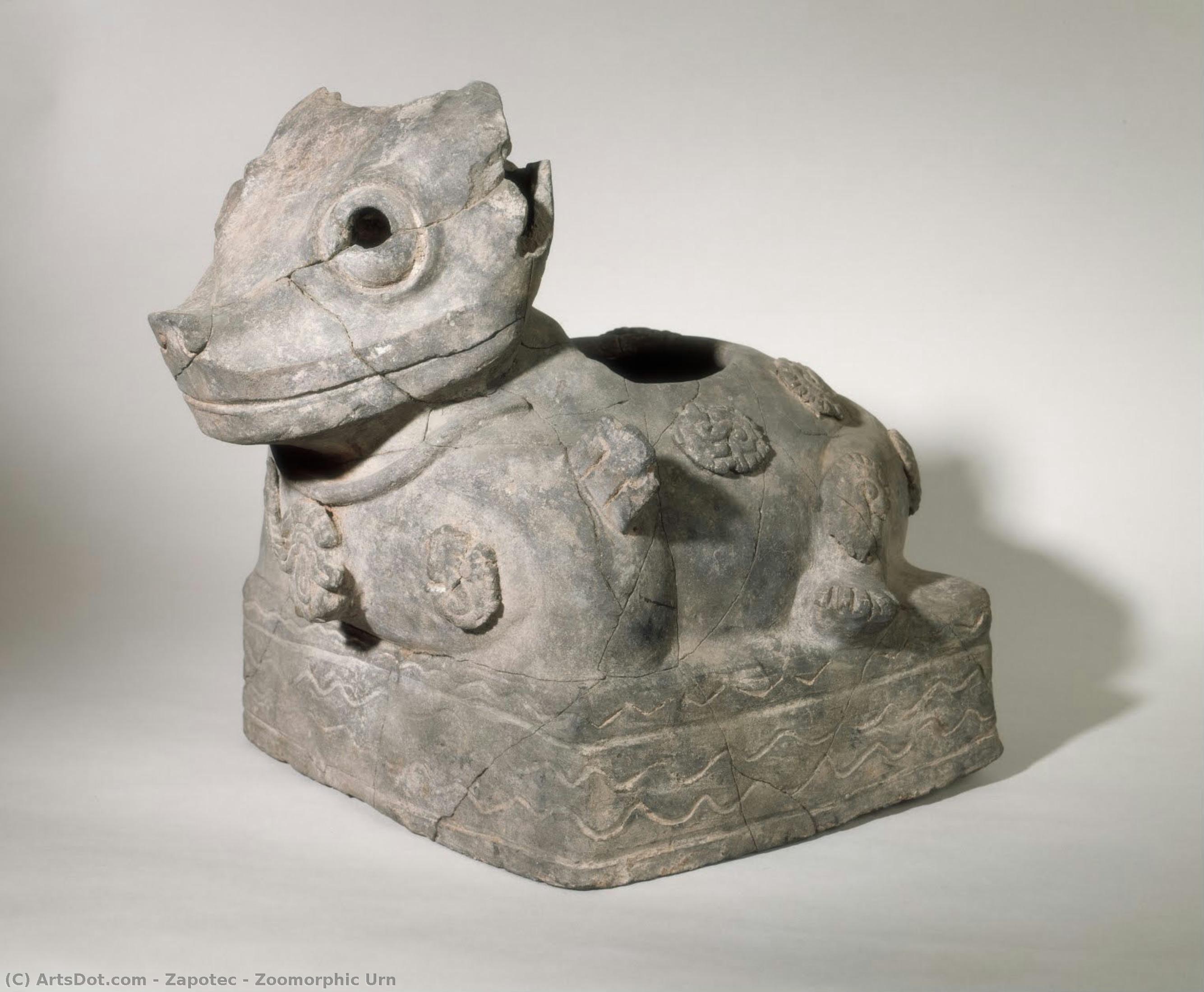
Zoomorphic Urn

 Tümünü Gör
Giclée / Sanat Baskısı
Hızlı üretim ve esnek bitiş seçenekleriyle müze kalitesinde giclée veya kanvas baskı. ( El yapımı tablo satın al Görsel satın al)




































Eserin orijinal oranlarıyla uyumlu, önceden belirlenmiş boyutlarımız arasından seçim yapın.

Belirli bir çerçeveye veya alana uyması için kendi ölçülerinizi girebilirsiniz. Seçtiğiniz boyut orijinal görüntünün oranlarıyla eşleşmiyorsa, sanat eserini kırpacağız veya görüntüyü aynalanmış ya da düz dolgulu bir kenarlıkla genişleteceğiz. Üretim başlamadan önce onayınız için bir dijital taslak gönderilecektir.
Lütfen ekrandaki önizlemenin gerçek kırpma veya genişletmeyi yansıtmadığını unutmayın. Nihai kompozisyonu yalnızca taslak doğru bir şekilde gösterecektir.
Özel boyutlar mevcut olsa da, orijinal oranları korumak için önceden tanımlanmış listeden bir boyut seçmenizi öneririz.
Dünya Çapında Teslimat (); standart 4/5 hafta yerine 2 haftada. (14 Ağustos)

Dünya Çapında Ücretsiz Ekspres Kargo

Yüksek Kaliteli Keten Tuval

Tam Kapsamlı Nakliye Sigortası

Gümrük Vergisi İade Garantisi

Gerçek Renk Uyumu Garantisi

60 Günlük İade Politikası (Sadece Kusurlu Ürünler İçin)

%100 Para İade Garantisi

Toplu Alım İndirimi
 Cam seçeneği yalnızca 110 cm altındaki boyutlar için mevcuttur.

Zoomorphic Urn
Giclée / Sanat Baskısı
Reproduksiyon Boyutu
-


Toplam Tutar
$ 62
Sanatçı Özgeçmişi
Rufino Tamayo: Bridging Ancient Roots and Modern Vision
Rufino Tamayo (August 25, 1899 – June 24, 1991) stands as a pivotal figure in Mexican art history—a sculptor, painter, printmaker, and ceramicist who seamlessly blended indigenous traditions with the vanguard of European artistic movements like Cubism and Surrealism. His oeuvre transcends mere stylistic imitation; it embodies a profound engagement with Mexico’s past while simultaneously pushing boundaries toward an expressive future. Born in Oaxaca City, Tamayo's upbringing amidst Zapotec culture profoundly shaped his worldview and artistic sensibility—a connection he consistently revisited throughout his prolific career.- Early Life & Artistic Formation: Tamayo’s father, José María Tamayo, was a prominent physician and anthropologist who instilled in him a fascination for Mesoamerican archaeology and ethnography. This early exposure fueled his lifelong interest in exploring the relationship between indigenous heritage and artistic innovation. He studied at the Escuela Nacional de Artes Plasticas in Mexico City, where he honed his sculptural skills under Julián Sánchez Galván and José Clemente Orozco—artists who championed monumental murals celebrating Mexican history and identity.
- Cubist Influences & Artistic Breakthrough: Tamayo’s artistic trajectory took a decisive turn upon encountering Picasso's Cubism in Paris during the 1920s. He embraced the geometric fragmentation of form, analyzing objects from multiple perspectives—a technique that would become his signature style. His monumental mural “La danza de los jaguares” (1934), commissioned for the Museo Nacional de Antropología in Mexico City, exemplifies this stylistic fusion, depicting a Zapotec ritual dance alongside Cubist abstractions.
- Surrealism & Mythological Exploration: Simultaneously, Tamayo explored Surrealist imagery and symbolism—drawing inspiration from Aztec mythology and folklore. He utilized dreamlike landscapes and distorted figures to convey profound emotional states and philosophical concepts. His paintings “El hombre bueno” (1937) and “La tierra” (1940) are notable examples of this stylistic approach, reflecting Tamayo’s preoccupation with themes of human existence and the cosmos.
- Mixografia & Artistic Legacy: Tamayo revolutionized printmaking through his pioneering use of Mixografia—a technique developed by Picasso and Roland Penrose that combines etching and lithography to achieve vibrant color prints. His extensive portfolio of Mixografia prints showcases his mastery of this innovative medium, capturing the essence of Mexican landscapes and cultural traditions with unparalleled luminosity and textural richness.
- Recognition & Enduring Significance: Tamayo’s artistic achievements garnered international acclaim—including honorary doctorates from Yale University and Oxford University—and cemented his place as one of Mexico's most celebrated artists. His work continues to inspire contemporary artists and scholars alike, serving as a testament to the enduring power of intercultural dialogue and artistic experimentation. He died in Mexico City in 1991, leaving behind an unparalleled legacy of sculptural masterpieces and evocative paintings that encapsulate the spirit of Mexican identity.
- La danza de los jaguares (1934)
- El hombre bueno (1937)
- La tierra (1940)
- Cristo Velázquez (1952)
- El jardín de piedra (1960)
- Tamayo, Rufino. *Arte Popular Mexicano*. Mexico City: Museo Nacional de Antropología, 1973.
- Schwartz, Jonathan. *Rufino Tamayo*. New York: Guggenheim Museum Exhibition Catalog, 2004.

zapotec
Mexico
Kısa Bilgiler
- Artistic Movement Or Style: Cubism & Surrealism
- Artists Or Movements Influenced By This Artist: ['Modern Art']
- Artists Who Influenced This Artist:
- Pablo Picasso
- Georges Braque
- Date Of Birth: August 25, 1899
- Date Of Death: June 24, 1991
- Full Name: Rufino del Carmen Arellanes Tamayo
- Nationality: Mexican
- Notable Artworks:
- San José Mogote Monument 3 ("Danzante")
- Building J
- Place Of Birth: Mexico City, Mexico

