


 Önizle
 Gönder
 Paylaş
 Detaylar
 Rehber

 Dosyayı İndir
 Benzerleri
 X-Işını
 Slayt Gösterisi
 İstatistikler
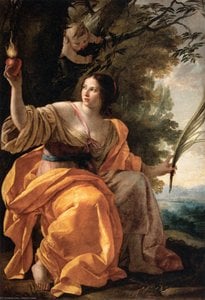
The Fortune Teller
 Oil On Canvas
- WallArt
- French Baroque
 1617
1617 95.0 x 135.0 cm
 Galleria Nazionale d’Arte Antica
 Devamını Oku
El Yapımı Yağlı Boya Reproduksiyon
Sanatçılarımız tarafından sipariş üzerine hazırlanan; istediğiniz boyut ve çerçevede, tuval üzerine el boyaması yağlı boya. ( Baskı Satışına Geç Dijital Görsel Satışına Geç)




P118B ₺10

P118H ₺10

P118W ₺10

P438Z ₺10

P508JH ₺12

P508YH ₺12

P805H ₺10

P805Z ₺10

P919BZ ₺10

P919G ₺10

P919XJ ₺10

P959ZH ₺10

P968JZ ₺12

W106C ₺8

W218G ₺10

W218JH ₺8

W218Y ₺10

W307PJ ₺10

W316G ₺10

W316PJ ₺8

W316Y ₺10

W398PJ ₺8

W4111J ₺10

W500HY ₺15

W500JH ₺15

W692G ₺12

W849H ₺8

W940BG ₺15

W953PJ ₺8




Eserin orijinal oranlarıyla uyumlu, önceden belirlenmiş boyutlarımız arasından seçim yapın.

Çerçevenize veya duvarınıza uygun olması için ihtiyacınız olan genişliği ve yüksekliği yazın. Bu eser el boyamasıdır; bu nedenle farklı bir formdaki boyutlar için sanatçı, resmin etrafına biraz daha fazla boya ekleyebilir veya biraz daha kırpabilir — seçim sizin. Boyama işlemi başlamadan önce onaylamanız için size bir dijital taslak gönderiyoruz. Bu sayfada gösterilen resim gerçek sonucu yansıtmamaktadır — gerçek sonucu yalnızca taslak göstermektedir.
Siparişten sonra, ArtsDot.com ekibi talimatlar için müşteriye e-posta gönderecek ve bir taslak önizleme sunacaktır
Dünya Çapında Teslimat (); standart 5 hafta yerine 3/4 haftada. (23 Ekim). Kaliteden ödün verilmez.

Dünya Çapında Ücretsiz Ekspres Kargo

Yüksek Kaliteli Keten Tuval

Tam Nakliye Sigortası

Gümrük Vergisi İadesi Garantisi

Gerçek Renk Uyumu Garantisi

100 Günlük İade Koşulları (Sadece Üretim Hatalı Ürünler İçin)

%100 Para İade Garantisi

Toplu Alım Avantajı
 Cam seçeneği yalnızca 110 cm altındaki boyutlar için mevcuttur.

The Fortune Teller
Baskı Tekniği
Baskı Boyutu
-


Toplam Fiyat
₺ 12859
The Enigmatic Allure of Simon Vouet’s “The Fortune Teller”
Simon Vouet's "The Fortune Teller," painted in 1617, isn’t merely a portrait; it’s a carefully constructed tableau brimming with intrigue and a palpable sense of the mystical. Housed within the venerable Galleria Nazionale d’Arte Antica in Rome, this oil on canvas invites viewers into a dimly lit chamber where the boundaries between reality and prophecy blur. Vouet, a pivotal figure bridging the Mannerist and Baroque eras, masterfully employs chiaroscuro – the dramatic interplay of light and shadow – to draw our attention to the central figures and imbue the scene with an almost theatrical intensity.
The composition itself is deliberately layered. At its heart sits a man, his features obscured by a wide-brimmed hat and a flowing beard, engaged in a hushed conversation. He holds an open book, seemingly offering guidance or revealing secrets. Flanking him are two women, their attire – one clad in vibrant red, the other in deep blue – adding splashes of color to the predominantly dark palette. Their attentive gazes suggest they are both recipients and observers of this unfolding drama. The background, rendered in muted tones, serves primarily as a backdrop, emphasizing the figures and creating an atmosphere of hushed anticipation.
A Masterclass in Baroque Technique
Vouet’s technique is a fascinating blend of influences. He absorbed the dramatic lighting favored by Caravaggio, but tempered it with a more refined elegance characteristic of French portraiture. Notice how light pools around the faces and hands, highlighting their expressions and gestures while leaving much of the scene shrouded in shadow. This creates a sense of depth and mystery, inviting speculation about the events taking place within the room. The brushstrokes are smooth and blended, contributing to the painting’s overall polished appearance – a hallmark of Vouet's style.
The use of *sfumato*, another technique borrowed from Leonardo da Vinci, is subtly present, softening edges and creating an atmospheric haze that further enhances the sense of depth. Vouet wasn’t simply replicating Caravaggio; he was adapting his innovations to suit the evolving tastes of the French court, resulting in a uniquely sophisticated style.
Symbolism and Historical Context
"The Fortune Teller" is steeped in symbolism, reflecting the prevailing fascination with astrology, divination, and the occult during the early 17th century. The book held by the central figure likely represents knowledge, prophecy, or perhaps even fate itself. The women, often interpreted as representing fortune tellers or advisors, are positioned to receive this information. The red and blue garments could symbolize different types of wisdom or guidance – a common motif in Renaissance art.
Painted during a period of significant artistic transition in France, Vouet’s work exemplifies the shift from the rigid formality of Mannerism towards the more dynamic and emotionally expressive style of the Baroque. His patronage by influential figures like Cardinal Richelieu helped establish him as one of the leading artists of his time, shaping the course of French painting for decades to come.
A Timeless Appeal: Reproduction Possibilities
The enduring appeal of “The Fortune Teller” lies in its ability to evoke a sense of mystery and intrigue. It’s a scene ripe with narrative possibilities, prompting viewers to imagine the story behind the figures and their exchange. Today, high-quality reproductions of this captivating artwork are available through ArtsDot.com, meticulously crafted using traditional oil painting techniques and premium materials, ensuring that the drama and emotional depth of Vouet's original masterpiece are faithfully preserved. These reproductions offer a beautiful way to bring this iconic work into your home or office – a testament to the enduring power of art.
For further exploration, consider visiting the Galleria Nazionale d’Arte Antica in Rome or delving into online resources like the Web Gallery of Art (The Fortune Teller by VOUET, Simon) and exploring Valentin de Boulogne's work for a deeper understanding of Caravaggio’s influence.
Soru ve Cevaplar
"The Fortune Teller" hangi teknikle yapılmıştır?
Simon Vouet imzalı "The Fortune Teller" eserinin tekniği Oil On Canvas kullanılarak uygulanmıştır. Çoğaltımlar, bu tekniğin görünümünü yansıtmayı amaçlamaktadır.
"The Fortune Teller" için önerilen kullanım alanı ve amacı nedir?
Simon Vouet imzalı "The Fortune Teller" için kaydedilen iki öneri; kullanım (Accent) ve alan (Living Room) şeklindedir.
"The Fortune Teller" eserinin arkasındaki sanatçı ve tarz hangisidir?
"The Fortune Teller", Simon Vouet tarafından French Baroque üslubunda yaratılmıştır. Sanatçı ve akım, eserin ait olduğu geleneği tanımlar.
İlgili Eserler




Sanatçı Biyografisi
Simon Vouet: Fransız Barok Resminin Öncüsü
- Doğum: 9 Ocak 1590, Paris, Fransa
- Vefat: 30 Haziran 1649, Paris, Fransa
Simon Vouet, Fransız resminin Maniyerizm'den Barok tarzına geçişindeki kilit bir figürdü. Sanatçı bir ailede doğdu; babası Laurent ressamdı ve erkek kardeşi Aubin de sanata yönelmişti. Vouet, gelecekteki başarısının temelini atan erken eğitim aldı. Torunu Ludovico Dorigny ise ailenin sanatsal mirasını sürdürecekti.
Erken Kariyeri ve İtalyan Etkileri (1608-1627)
- Erken Portre Çalışmaları: Vouet, kariyerine bir portre sanatçısı olarak başlayarak erken yeteneğini gösterdi.
- İngiltere Seyahati (1608): Henüz 14 yaşındayken, gelişmekte olan şöhretini sergilemek amacıyla sipariş üzerine bir portre resmini yapmak için İngiltere'ye seyahat etti.
- Osmanlı İmparatorluğu ve Venedik: 1611'de Vouet, yine portre çalışmaları için Fransız elçisi Baron de Sancy'nin heyetine katıldı. Bu yolculuk onu önce Konstantinopolis'ten sonra 1612'de Venedik'e götürdü.
- Roma (1614-1627): Roma'daki zamanı dönüştürücü oldu. On üç yıl orada kalarak, yükselen Barok döneminin canlı sanatsal atmosferine kendini kaptırdı.
İtalyan konaklaması sırasında Vouet, çeşitli etkileri özümsedi. Caravaggio tarafından öncülük edilen dramatik ışıklandırma tekniklerini inceledi, İtalyan Maniyerizmi unsurlarını benimsedi ve Paolo Veronese'nin kullandığı renk paletlerini ve di sotto in su (perspektif) tekniğini titizlikle analiz etti. Ayrıca Carracci, Guercino, Lanfranco ve Guido Reni'nin eserlerinden de ilham alarak bu çeşitli stilleri eşsiz bir sanatsal vizyonda sentezledi.
Vouet’nin Özgün Tarzının Gelişimi
- Accademia di San Luca'ya Seçilmesi (1624): Roma'daki başarısı, onun prestijli Accademia di San Luca başkanlığına seçilmesiyle taçlandı; bu durum İtalyan sanat dünyasındaki becerisinin ve tanınırlığının bir kanıtıydı.
- Etkilerin Sentezi: Vouet'nin tarzı, çeşitli sanatsal etkileri özümseme ve damıtma yeteneğiyle karakterizeydi. Sadece kopyalamadı; bu unsurları tutarlı ve belirgin bir şekilde İtalyan Barok estetiğine entegre etti.
- Barok'un Fransa'ya Tanıtılması: 1627'de Fransa'ya döndüğünde, Vouet İtalyan Barok stilini Fransız resmine taşıma konusunda kritik bir rol oynayarak ülkenin sanatsal manzarasını önemli ölçüde etkiledi.
Başlıca Başarıları ve Mirası
- Premier Peintre du Roi: Vouet, Premier peintre du Roi (Kral'ın Birinci Ressamı) olarak atandı; bu, büyük bir prestij ve etki sahibi bir makamdı.
- Verimli Atölye: Büyük ve aktif bir atölye sürdürdü; sonraki nesil Fransız ressamlarını şekillendirecek çok sayıda sanatçı yetiştirdi.
- Önemli Öğrencileri: En etkili öğrencilerinden bazıları Charles Le Brun (daha sonra Versailles'taki tüm dekoratif resimden sorumlu oldu), Valentin de Boulogne, Charles Alphonse du Fresnoy, Pierre Mignard, Eustache Le Sueur ve Claude Mellan idi.
- Fransız Sanatına Etkisi: Vouet'nin etkisi kendi eserleriyle sınırlı kalmadı; öğrencileri onun tarzını ve tekniklerini tüm Fransa'ya taşıyarak belirgin bir şekilde Barok resim okulu kurdu. Onun etkisi, özellikle Louis XIV tarafından sipariş edilen görkemli dekoratif düzenlemelerde açıkça görülmektedir.
Tarihsel Önemi
Simon Vouet'nin mirası, İtalyan ve Fransız sanatı arasındaki köprüdeki kilit rolüne dayanır. İtalyan Barok'un dinamizmini ve ihtişamını başarıyla ithal ederek, onu Fransız sarayının ve aristokrasisinin zevkleriyle yankı uyandıran bir stile dönüştürdü. Onun etkisi, 17. yüzyılda Fransız resminin gelişiminde yadsınamazdır ve katkıları bugün hala sanat tarihçileri tarafından takdir edilmektedir.

Simon Vouet
1590 - 1649 , Fransa
Kısa Bilgiler
- Artistic Movement Or Style: Barok resim
- Artists Or Movements Influenced By This Artist:
- Charles Le Brun
- Valentin de Boulogne
- Fransız Barok resmi
- Artists Who Influenced This Artist:
- Caravaggio
- Paolo Veronese
- Carracci
- Guercino
- Lanfranco
- Guido Reni
- Date Of Birth: 9 Ocak, 1590
- Date Of Death: 30 Haziran, 1649
- Full Name: Simon Vouet
- Nationality: Fransız
- Place Of Birth: Paris, Fransa
İlgili Yazılar

Simon Vouet: A Baroque Master's Journey from Italian Influence to French Classicism
Explore the life & art of Simon Vouet, a pivotal French Baroque painter who introduced Italian styles to France. Discover his masterpieces and lasting influence on 17th-century art.

The Enduring Power of Painting: A Historical & Contemporary Exploration of Form and Emotion
Explore the rich history & enduring techniques of oil painting with ArtsDot. Discover masterpieces, learn about art collecting, and find authentic handmade reproductions crafted by skilled artists.

The Dramatic Flourish: Exploring the Baroque Movement's Enduring Legacy in Art History
Explore the dramatic world of Baroque art! Discover iconic artists like Caravaggio & Rubens, defining techniques, and its lasting impact on art history. Expert insights for collectors & enthusiasts at ArtsDot.

Barok Draması: Çağdaş İç Mekanlara Görkem ve Duygu Katmak
Barok sanatının görkemini evinize taşıyın! ArtsDot'ta el yapımı tablolar, uzman sanat danışmanlığı ve özel siparişlerle iç mekanlarınıza zarafet katıyoruz. Chiaroscuro tekniğiyle hayat bulan eserlerimizi keşfedin.

The Enduring Legacy of Oil on Canvas: Technique, History & Aesthetic Impact
Explore the rich history & techniques of oil painting – from Renaissance masters to Impressionism. Discover pigments, layering methods, and why this timeless medium endures. Expert insights for artists & art enthusiasts.

