


 Önizle
 Gönder
 Paylaş
 Detaylar
 Rehber

 Dosyayı İndir
 Benzerleri
 X-Işını
 Slayt Gösterisi
 İstatistikler
The Annunciation


 Devamını Oku
El Yapımı Yağlı Boya Reproduksiyon
Sanatçılarımız tarafından sipariş üzerine hazırlanan; istediğiniz boyut ve çerçevede, tuval üzerine el boyaması yağlı boya. ( Baskı Satışına Geç Dijital Görsel Satışına Geç)




P118B ₺10

P118H ₺10

P118W ₺10

P438Z ₺10

P508JH ₺12

P508YH ₺12

P805H ₺10

P805Z ₺10

P919BZ ₺10

P919G ₺10

P919XJ ₺10

P959ZH ₺10

P968JZ ₺12

W106C ₺8

W218G ₺10

W218JH ₺8

W218Y ₺10

W307PJ ₺10

W316G ₺10

W316PJ ₺8

W316Y ₺10

W398PJ ₺8

W4111J ₺10

W500HY ₺15

W500JH ₺15

W692G ₺12

W849H ₺8

W940BG ₺15

W953PJ ₺8




Eserin orijinal oranlarıyla uyumlu, önceden belirlenmiş boyutlarımız arasından seçim yapın.

Çerçevenize veya duvarınıza uygun olması için ihtiyacınız olan genişliği ve yüksekliği yazın. Bu eser el boyamasıdır; bu nedenle farklı bir formdaki boyutlar için sanatçı, resmin etrafına biraz daha fazla boya ekleyebilir veya biraz daha kırpabilir — seçim sizin. Boyama işlemi başlamadan önce onaylamanız için size bir dijital taslak gönderiyoruz. Bu sayfada gösterilen resim gerçek sonucu yansıtmamaktadır — gerçek sonucu yalnızca taslak göstermektedir.
Siparişten sonra, ArtsDot.com ekibi talimatlar için müşteriye e-posta gönderecek ve bir taslak önizleme sunacaktır
Dünya Çapında Teslimat (); standart 5 hafta yerine 3/4 haftada. (26 Ekim). Kaliteden ödün verilmez.

Dünya Çapında Ücretsiz Ekspres Kargo

Yüksek Kaliteli Keten Tuval

Tam Nakliye Sigortası

Gümrük Vergisi İadesi Garantisi

Gerçek Renk Uyumu Garantisi

100 Günlük İade Koşulları (Sadece Üretim Hatalı Ürünler İçin)

%100 Para İade Garantisi

Toplu Alım Avantajı
 Cam seçeneği yalnızca 110 cm altındaki boyutlar için mevcuttur.

The Annunciation
Baskı Tekniği
Baskı Boyutu
-


Toplam Fiyat
₺ 12873
The Annunciation: A Florentine Echo of Divine Grace
Sandro Botticelli’s “Annunciation,” painted between 1489 and 1490, is more than just a depiction of a pivotal biblical moment; it's a shimmering distillation of the Early Renaissance spirit – a harmonious blend of classical ideals, burgeoning humanism, and profound spiritual contemplation. This exquisite tempera panel, now housed within the Uffizi Gallery in Florence, invites us into a serene Florentine setting where the angel Gabriel delivers the momentous news to Mary, marking the beginning of her divine journey. The painting’s enduring appeal lies not only in its technical mastery but also in its ability to evoke a sense of quiet reverence and timeless beauty.
Botticelli masterfully employs a classical style reminiscent of his teacher, Fra Filippo Lippi, yet imbues it with a distinctly Florentine sensibility. The composition centers around the angel Gabriel, rendered with an almost ethereal grace – his pose is deliberately off-center, drawing our eye and creating a dynamic balance within the scene. Behind him unfolds a landscape subtly suggestive of Florence itself: a distant hill, reminiscent of the Boboli Gardens, and architectural elements hinting at a building facade, grounding the divine narrative in a recognizable earthly realm. The use of smooth, flowing lines, particularly evident in the drapery and the delicate folds of Gabriel’s wings, creates a sense of movement and effortless elegance. Shapes are largely organic – rounded forms for the body and drapery, contrasted with the geometric precision of the architectural background – a testament to Botticelli's careful observation of nature and his desire to capture its inherent beauty.
A Symphony of Color and Technique
Botticelli’s technique is characterized by a remarkable subtlety and restraint. The painting is executed in tempera on wood, a medium known for its luminous quality and ability to achieve delicate details. He skillfully utilizes *chiaroscuro*, though subtly, to model the figures and create a sense of volume – the soft light illuminating Gabriel’s face and drapery contrasts with the deeper shadows that define Mary's form. The pigments themselves are primarily earth-based, lending the work a rich, warm palette—ochres, siennas, and umbers dominate, creating an atmosphere of quiet solemnity. The slightly layered textures, characteristic of fresco painting (though applied to panel here), suggest the artist’s meticulous brushwork and his dedication to capturing the nuances of light and shadow.
Notably, Botticelli employed a technique known as *incision*, carefully cutting lines into the wood panel itself. These incised lines, visible upon close inspection, not only strengthened the structure but also served to define shapes and create a sense of depth – a sophisticated approach that was particularly prevalent in Florentine painting during this period. The use of gold leaf, though perhaps less pronounced than in some contemporary works, adds a touch of celestial radiance to Gabriel’s wings and certain architectural details, further emphasizing the divine nature of the event.
Symbolism and Spiritual Resonance
Beyond its aesthetic beauty, “The Annunciation” is rich in symbolic meaning. The pose of Gabriel, with his hands folded in prayer or contemplation, immediately conveys a sense of reverence and solemnity. Mary’s kneeling posture, her head bowed in humility, underscores the magnitude of the announcement she receives. The setting itself—a simple, yet elegant interior—represents the sanctity of her home and the quiet intimacy of this momentous encounter. The distant landscape, with its subtle references to Florence, serves as a reminder that even within the divine realm, earthly concerns and beauty still hold significance.
Furthermore, the painting’s composition echoes classical ideals of harmony and proportion. The use of one-point perspective creates a sense of depth and spatial coherence, drawing the viewer into the scene and inviting contemplation. The Annunciation, therefore, is not merely a representation of a biblical event; it's an embodiment of Renaissance values—a celebration of beauty, grace, and spiritual devotion. It’s a window into a world where art and faith converged to create something truly transcendent.
A Timeless Masterpiece – Perfect for Reproduction
ArtsDot offers meticulously crafted hand-painted reproductions of Botticelli's “Annunciation,” capturing the essence of this iconic masterpiece with unparalleled fidelity. Whether you’re an art collector, a design enthusiast seeking to infuse your space with timeless elegance, or simply someone captivated by the beauty of Renaissance art, our reproductions provide a stunning and authentic way to experience this extraordinary work. Each reproduction is created using archival-quality materials and techniques, ensuring that it will retain its vibrant colors and exquisite detail for generations to come. Explore our collection today and bring the serenity and grace of “The Annunciation” into your home.
Soru ve Cevaplar
"The Annunciation" hangi renk paletini ve hangi duyguyu bir araya getiriyor?
Sandro Botticelli imzalı "The Annunciation" eserinin Pastels paleti, Spiritual duygusal tonuyla bir bütünlük sergiliyor. Renk, bir eserin duyguyu aktarma yollarından biridir.
"The Annunciation" adlı eser, Sandro Botticelli’in temaları ve üslubuyla nasıl bir bütünlük sağlıyor?
Sandro Botticelli'in eserleri arasında yer alan "The Annunciation", classical ideals, renaissance influence, christian faith, divine communication, patronage, florentine society, botticelli's serenity, iconic imagery temalarıyla birlikte Renaissance üslubunda konumlanmaktadır.
Sandro Botticelli imzalı "The Annunciation" eserini hangi teknik ve üslup tanımlıyor?
"The Annunciation", Acrylic tekniğiyle Renaissance üslubunda hazırlanmıştır.
İlgili Eserler


Sanatçı Biyografisi
Alessandro Filipepi: Rönesansın Zarafet ve Mitoloji Üstadı Sandro Botticelli
Floransa’nın kalbinde, 1445 yılında doğan Alessandro di Mariano di Vanni Filipepi, sanat tarihine Sandro Botticelli olarak geçecek bir dâhinin ilk adımıydı. Ognissanti mahallesinde büyüyen genç Alessandro, kısa sürede “Küçük Fıçı” lakabıyla tanınacak ve Floransa’nın o dönemki canlı sanat atmosferi içinde kendine özgü bir yer edinecekti. Babasının önce kuyumculuk, sonra dericilik mesleği, onun ince işçiliğe olan ilgisini şekillendirirken, Fra Filippo Lippi'nin atölyesinde aldığı resim eğitimi ise yeteneğini parlatma fırsatı sundu. Bu dönemde Medici ailesi gibi güçlü patronlarla tanışması, sanatının gelişiminde önemli bir rol oynadı.
Botticelli’nin sanatsal tarzı, geç Gotik gelenekleri ve yükselen Rönesans estetiği arasında ustaca bir köprü kurdu. Fra Angelico ve Paolo Uccello gibi ustalardan etkilenmiş olsa da, kendine has bir vizyonla onları aştı. Eserlerinde zarif çizgiler, akıcı formlar ve yumuşak renk kullanımı ön plana çıkarken, figürleri mistik bir güzellikle canlandırdı. Botticelli’nin en belirgin özelliklerinden biri, eserlerine sıkça mitolojik ögeler katmasıydı. Antik Yunan ve Roma mitolojisinden ilham alarak aşk, güzellik ve ruhani arayış gibi evrensel temaları işledi. Bu sadece bir illüstrasyon değil, aynı zamanda antik hikâyelere yeni anlamlar yükleme çabasıydı.
Teknik açıdan Botticelli, döneminin ötesine geçen yenilikler getirdi. Gümüş kalem tekniğiyle yaptığı ön çizimler, eserlerine ışık ve detay katarken, tempera boyaların kullanımı canlı renklerin elde edilmesini sağladı. Daha sonra yağlı boyalara yönelmesi ise ifade olanaklarını genişletti. Venüs'ün Doğuşu (1482-1486) ve Primavera (İlkbahar) gibi başyapıtları, kompozisyon yeteneğini, atmosferik derinlik yaratma becerisini ve insan duygularını anlamasını gözler önüne seriyor. Venüs'ün Doğuşu, Rönesans ideallerini somutlaştıran bir alegori olarak sanat tarihinde ölümsüzleşirken, Primavera ise karmaşık sembolizmiyle izleyiciyi büyülemeye devam ediyor.
Sanatının farklı evreleri gözlemlenebilir. 1470’lerin başında dini konulara yoğunlaşarak teknik becerilerini geliştirdi ve ün kazandı. 1480’ler, yaratıcılığının zirvesi olarak kabul edilirken, bu dönemde mitolojik başyapıtlarını yarattı. Ancak 1490’ların sonu, Girolamo Savonarola'nın ateşli vaazlarının etkisiyle sanatsal bir dönüşüme işaret etti. Bu dönem eserlerinde daha sade ve duygusal bir ifade tarzı hakim oldu, ruhani yoğunluk ön plana çıktı. Örneğin, Gizemli Doğuş (1501) bu değişimin önemli bir göstergesi.
Botticelli’nin Mirası ve Yeniden Keşfi
Sanatçının 1510'daki ölümünden sonra ünü giderek azaldı. Yaklaşık üç yüzyıl boyunca unutulmaya yüz tutan Botticelli, 19. yüzyılın sonlarında İngiliz sanatçı grubu Pre-Raphaelite Brotherhood’un ilgisiyle yeniden keşfedildi. Bu grup, akademik kuralları reddederek İtalyan Rönesansının erken dönemlerine yöneldi ve Botticelli'nin zarif çizgilerini, canlı renklerini ve şiirsel duyarlılığını takdir etti.
Bu yeniden değerlendirme, sanat tarihine olan katkısını ortaya koyarak onu Erken Rönesans’ın en önemli sanatçılarından biri olarak kabul edilmesini sağladı. Günümüzde Botticelli, eşsiz sanatsal vizyonu, ustalıkla kullandığı teknikler ve güzelliği, duyguyu ve ruhani düşünceyi uyandırma yeteneğiyle tanınıyor. Eserleri, sonraki nesillere ilham vermeye devam ediyor ve Floransa sanatının sembolü olarak kalbimizde yaşamaya devam ediyor.
Başlıca Eserler
- Venüs'ün Doğuşu (c. 1486): Rönesans güzellik ideallerini somutlaştıran ikonik bir tasvir.
- Primavera (İlkbahar) (c. 1482): Baharı ve aşkı kutlayan karmaşık bir alegorik resim.
- Magi'lerin Tapınışı (1475-1476): Kompozisyon ve perspektif konusundaki erken dönem ustalığını sergiliyor.
- Gizemli Doğuş (1501): Kariyerinin sonuna doğru ruhani temalara yöneldiğinin bir yansıması.

Sandro Botticelli
1445 - 1510 , İtalya
Kısa Bilgiler
- Doğum Tarihi: 1 Mart 1445
- Doğum Yeri: Floransa, İtalya
- Etkilenen Sanatçılar:
- Fra Angelico
- Paolo Uccello
- Notable Eserler:
- Venüs'ün Doğuşu
- İlkbahar
- Müneccim Kralların Tapınağı
- Sanat Akımları: ['Pre-Raphaelite']
- Sanatsal Akım: Erken Rönesans
- Tam Adı: Alessandro di Mariano Filipepi
- Uyruk: İtalyan
- Ölüm Tarihi: 17 Mayıs 1510
İlgili Yazılar

Celestial Messengers: A Comprehensive Exploration of Angelic Representation in Art History
Explore the captivating history of angels in art! Discover symbolism, iconic Renaissance masterpieces & renowned artists. Expert insights for art lovers & collectors at ArtsDot.
Duvar Sanatıyla Aile Mirasını Yüzyıllara Taşımak: Fresk Boyama Geleneği ve Kalıcı Eserler
Fresk sanatı uzmanları tarafından hazırlanan bu rehberde, duvar resminin kökenlerinden restorasyonuna kadar her şeyi keşfedin. Aile mirasını kalıcı eserlere dönüştürmek için ipuçları ve profesyonel sanat danışmanlığı.

Celestial Messengers: Angels in Painting – A Historical & Artistic Exploration
Explore the captivating history of angels in painting! Discover symbolism, iconic Renaissance & Byzantine masterpieces, and renowned artists. Expert insights for art lovers & collectors at ArtsDot.

Erken Rönesans'ın Zirveleri: Sanat Tarihini Derinlemesine Etkileyen 10 Başyapıt
Erken Rönesans'ın 10 başyapıtıyla sanat tarihine yolculuk! Botticelli, Leonardo da Vinci gibi ustaların eserleriyle evinizi dönüştürün. ArtsDot.com’da müze kalitesinde replikalar ve benzersiz dekorasyon fikirleri keşfedin.
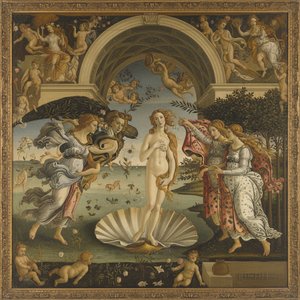
Sandro Botticelli'nin En İyi 25 Eseri: Rönesans Sanatının İncileri | ArtsDot
Sandro Botticelli'nin en iyi 25 eserini keşfedin! Rönesans sanatının incisi tabloların hikayelerini, renklerini ve anlamlarını öğrenin. Venus'un Doğuşu ve Primavera gibi ikonik yapıtlarla evinizi sanatsal bir şölene dönüştürün. ArtsDot.com’da kaliteli sanat replikalarıyla tanışın.


