


 Önizle
 Gönder
 Paylaş
 Detaylar
 Rehber

 Dosyayı İndir
 Benzerleri
 X-Işını
 Slayt Gösterisi
 Q&A
Q&A İstatistikler
St. Augustine In His Cell -

 Devamını Oku
El Yapımı Yağlı Boya Reproduksiyon
Sanatçılarımız tarafından sipariş üzerine hazırlanan; istediğiniz boyut ve çerçevede, tuval üzerine el boyaması yağlı boya. ( Baskı Satışına Geç Dijital Görsel Satışına Geç)




P118B ₺10

P118H ₺10

P118W ₺10

P438Z ₺10

P508JH ₺12

P508YH ₺12

P805H ₺10

P805Z ₺10

P919BZ ₺10

P919G ₺10

P919XJ ₺10

P959ZH ₺10

P968JZ ₺12

W106C ₺8

W218G ₺10

W218JH ₺8

W218Y ₺10

W307PJ ₺10

W316G ₺10

W316PJ ₺8

W316Y ₺10

W398PJ ₺8

W4111J ₺10

W500HY ₺15

W500JH ₺15

W692G ₺12

W849H ₺8

W940BG ₺15

W953PJ ₺8




Eserin orijinal oranlarıyla uyumlu, önceden belirlenmiş boyutlarımız arasından seçim yapın.

Çerçevenize veya duvarınıza uygun olması için ihtiyacınız olan genişliği ve yüksekliği yazın. Bu eser el boyamasıdır; bu nedenle farklı bir formdaki boyutlar için sanatçı, resmin etrafına biraz daha fazla boya ekleyebilir veya biraz daha kırpabilir — seçim sizin. Boyama işlemi başlamadan önce onaylamanız için size bir dijital taslak gönderiyoruz. Bu sayfada gösterilen resim gerçek sonucu yansıtmamaktadır — gerçek sonucu yalnızca taslak göstermektedir.
Siparişten sonra, ArtsDot.com ekibi talimatlar için müşteriye e-posta gönderecek ve bir taslak önizleme sunacaktır
Dünya Çapında Teslimat (); standart 5 hafta yerine 3/4 haftada. (28 Ekim). Kaliteden ödün verilmez.

Dünya Çapında Ücretsiz Ekspres Kargo

Yüksek Kaliteli Keten Tuval

Tam Nakliye Sigortası

Gümrük Vergisi İadesi Garantisi

Gerçek Renk Uyumu Garantisi

100 Günlük İade Koşulları (Sadece Üretim Hatalı Ürünler İçin)

%100 Para İade Garantisi

Toplu Alım Avantajı
 Cam seçeneği yalnızca 110 cm altındaki boyutlar için mevcuttur.

St. Augustine In His Cell -
Baskı Tekniği
Baskı Boyutu
-


Toplam Fiyat
₺ 12892
Sandro Botticelli’s ‘St. Augustine In His Cell’: A Portrait of Solitude and Spiritual Reflection
Sandro Botticelli's “St. Augustine In His Cell,” painted circa 1483, is a profoundly evocative work that transcends the simple portrait to become a meditation on faith, contemplation, and the very nature of human experience. This intimate depiction, likely commissioned by a devout patron perhaps seeking an image reflecting their own spiritual journey, captures the essence of St. Augustine – not as a grand saint, but as a man wrestling with doubt and striving for enlightenment within the confines of his personal space. Botticelli’s masterful handling of light and shadow, combined with a remarkably realistic portrayal of the subject's features, creates an atmosphere of quiet intensity that draws the viewer into Augustine’s world.
A Window into the Early Renaissance
- Historical Context: The painting emerges from the heart of the Florentine Early Renaissance, a period defined by a renewed interest in classical antiquity and a burgeoning humanist spirit. Botticelli, deeply embedded within this cultural landscape, skillfully blended traditional religious iconography with emerging artistic trends.
- The Medici Influence: While the exact commissioner remains unknown, it’s highly probable that the work was influenced – perhaps even commissioned – by members of the powerful Medici family, who were significant patrons of the arts and deeply invested in promoting religious piety within Florence.
- Botticelli's Style: Botticelli’s signature style is evident here—characterized by graceful lines, a delicate rendering of form, and an emphasis on emotional expression rather than strict realism. This approach aligns perfectly with the prevailing aesthetic sensibilities of the time, prioritizing beauty and spiritual resonance over purely technical accuracy.
Symbolism and Composition: The Language of Faith
The composition itself is laden with symbolic meaning. Augustine’s downward gaze suggests introspection and a willingness to confront his inner demons. The scattered books – likely theological texts – represent the intellectual pursuit that fueled his spiritual journey, while the cup hints at ritualistic devotion. The red hood, a striking element of the robe, may symbolize sacrifice or martyrdom, adding another layer of complexity to the image. Botticelli’s use of muted colors—earth tones punctuated by the vibrant red—contributes to the painting's solemn and contemplative mood. The limited space reinforces the theme of isolation and focused devotion.
Technique: The Masterful Brushstroke
Botticelli employed his characteristic tempera-on-panel technique, known for its luminous quality and durability. His brushstrokes are remarkably controlled, particularly evident in the rendering of Augustine’s face – a study in subtle nuances that convey both vulnerability and determination. The artist's meticulous attention to detail, from the texture of the fabric to the folds of the robe, demonstrates his exceptional skill and deep understanding of human anatomy. The layering of thin glazes creates depth and richness, enhancing the overall visual impact of the work.
Emotional Impact: A Portrait of the Soul
"St. Augustine In His Cell" is more than just a portrait; it’s a powerful evocation of the human condition—a testament to the struggle between faith and doubt, knowledge and wisdom. The painting's enduring appeal lies in its ability to resonate with viewers on an emotional level, prompting reflection on our own spiritual journeys and the importance of seeking solace and understanding within ourselves. This hand-painted reproduction captures not only Botticelli’s artistic genius but also the profound depth of this iconic image.
Soru ve Cevaplar
"St. Augustine In His Cell -" eserinin arkasındaki sanatçı kim?
"St. Augustine In His Cell -", Sandro Botticelli tarafından yaratılmıştır. Bu sayfadaki bilgiler Sandro Botticelli imzalı orijinal esere aittir.
Sandro Botticelli imzalı "St. Augustine In His Cell -" eserine benzer sanat eserlerini nasıl keşfedebilirim?
Sandro Botticelli imzalı "St. Augustine In His Cell -" eserinin Benzerleri sayfası, ilgili diğer sanat eserlerini sunar.
"St. Augustine In His Cell -" eserinin telif hakkı durumu neden bu şekildedir?
"St. Augustine In His Cell -" eserinin telif hakkı durumu - kamu malıdır - telif hakkı süresi dolmuştur - sanatçının 1510 yılındaki ölümünden kaynaklanmaktadır.
İlgili Eserler


Sanatçı Biyografisi
Alessandro Filipepi: Rönesansın Zarafet ve Mitoloji Üstadı Sandro Botticelli
Floransa’nın kalbinde, 1445 yılında doğan Alessandro di Mariano di Vanni Filipepi, sanat tarihine Sandro Botticelli olarak geçecek bir dâhinin ilk adımıydı. Ognissanti mahallesinde büyüyen genç Alessandro, kısa sürede “Küçük Fıçı” lakabıyla tanınacak ve Floransa’nın o dönemki canlı sanat atmosferi içinde kendine özgü bir yer edinecekti. Babasının önce kuyumculuk, sonra dericilik mesleği, onun ince işçiliğe olan ilgisini şekillendirirken, Fra Filippo Lippi'nin atölyesinde aldığı resim eğitimi ise yeteneğini parlatma fırsatı sundu. Bu dönemde Medici ailesi gibi güçlü patronlarla tanışması, sanatının gelişiminde önemli bir rol oynadı.
Botticelli’nin sanatsal tarzı, geç Gotik gelenekleri ve yükselen Rönesans estetiği arasında ustaca bir köprü kurdu. Fra Angelico ve Paolo Uccello gibi ustalardan etkilenmiş olsa da, kendine has bir vizyonla onları aştı. Eserlerinde zarif çizgiler, akıcı formlar ve yumuşak renk kullanımı ön plana çıkarken, figürleri mistik bir güzellikle canlandırdı. Botticelli’nin en belirgin özelliklerinden biri, eserlerine sıkça mitolojik ögeler katmasıydı. Antik Yunan ve Roma mitolojisinden ilham alarak aşk, güzellik ve ruhani arayış gibi evrensel temaları işledi. Bu sadece bir illüstrasyon değil, aynı zamanda antik hikâyelere yeni anlamlar yükleme çabasıydı.
Teknik açıdan Botticelli, döneminin ötesine geçen yenilikler getirdi. Gümüş kalem tekniğiyle yaptığı ön çizimler, eserlerine ışık ve detay katarken, tempera boyaların kullanımı canlı renklerin elde edilmesini sağladı. Daha sonra yağlı boyalara yönelmesi ise ifade olanaklarını genişletti. Venüs'ün Doğuşu (1482-1486) ve Primavera (İlkbahar) gibi başyapıtları, kompozisyon yeteneğini, atmosferik derinlik yaratma becerisini ve insan duygularını anlamasını gözler önüne seriyor. Venüs'ün Doğuşu, Rönesans ideallerini somutlaştıran bir alegori olarak sanat tarihinde ölümsüzleşirken, Primavera ise karmaşık sembolizmiyle izleyiciyi büyülemeye devam ediyor.
Sanatının farklı evreleri gözlemlenebilir. 1470’lerin başında dini konulara yoğunlaşarak teknik becerilerini geliştirdi ve ün kazandı. 1480’ler, yaratıcılığının zirvesi olarak kabul edilirken, bu dönemde mitolojik başyapıtlarını yarattı. Ancak 1490’ların sonu, Girolamo Savonarola'nın ateşli vaazlarının etkisiyle sanatsal bir dönüşüme işaret etti. Bu dönem eserlerinde daha sade ve duygusal bir ifade tarzı hakim oldu, ruhani yoğunluk ön plana çıktı. Örneğin, Gizemli Doğuş (1501) bu değişimin önemli bir göstergesi.
Botticelli’nin Mirası ve Yeniden Keşfi
Sanatçının 1510'daki ölümünden sonra ünü giderek azaldı. Yaklaşık üç yüzyıl boyunca unutulmaya yüz tutan Botticelli, 19. yüzyılın sonlarında İngiliz sanatçı grubu Pre-Raphaelite Brotherhood’un ilgisiyle yeniden keşfedildi. Bu grup, akademik kuralları reddederek İtalyan Rönesansının erken dönemlerine yöneldi ve Botticelli'nin zarif çizgilerini, canlı renklerini ve şiirsel duyarlılığını takdir etti.
Bu yeniden değerlendirme, sanat tarihine olan katkısını ortaya koyarak onu Erken Rönesans’ın en önemli sanatçılarından biri olarak kabul edilmesini sağladı. Günümüzde Botticelli, eşsiz sanatsal vizyonu, ustalıkla kullandığı teknikler ve güzelliği, duyguyu ve ruhani düşünceyi uyandırma yeteneğiyle tanınıyor. Eserleri, sonraki nesillere ilham vermeye devam ediyor ve Floransa sanatının sembolü olarak kalbimizde yaşamaya devam ediyor.
Başlıca Eserler
- Venüs'ün Doğuşu (c. 1486): Rönesans güzellik ideallerini somutlaştıran ikonik bir tasvir.
- Primavera (İlkbahar) (c. 1482): Baharı ve aşkı kutlayan karmaşık bir alegorik resim.
- Magi'lerin Tapınışı (1475-1476): Kompozisyon ve perspektif konusundaki erken dönem ustalığını sergiliyor.
- Gizemli Doğuş (1501): Kariyerinin sonuna doğru ruhani temalara yöneldiğinin bir yansıması.

Sandro Botticelli
1445 - 1510 , İtalya
Kısa Bilgiler
- Doğum Tarihi: 1 Mart 1445
- Doğum Yeri: Floransa, İtalya
- Etkilenen Sanatçılar:
- Fra Angelico
- Paolo Uccello
- Notable Eserler:
- Venüs'ün Doğuşu
- İlkbahar
- Müneccim Kralların Tapınağı
- Sanat Akımları: ['Pre-Raphaelite']
- Sanatsal Akım: Erken Rönesans
- Tam Adı: Alessandro di Mariano Filipepi
- Uyruk: İtalyan
- Ölüm Tarihi: 17 Mayıs 1510
İlgili Yazılar

Echoes of Time: Exploring the Enduring Appeal & Historical Context of Vintage Art Prints
Explore the captivating world of vintage art prints! Discover their history, collecting tips & enduring appeal. Expert insights on chromolithography and building a legacy collection with ArtsDot.
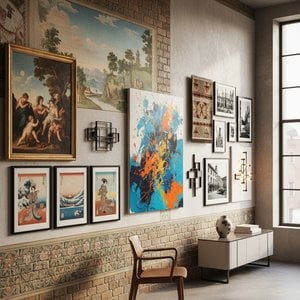
Transforming Spaces: A Comprehensive Exploration of Wall Decor Through Art History & Contemporary Practice
Explore the art of transforming spaces with our comprehensive guide to wall decor. From historical movements to contemporary trends, discover how to curate impactful interiors and commission bespoke artwork for a truly personalized aesthetic.
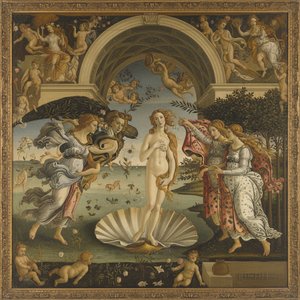
Sandro Botticelli'nin En İyi 25 Eseri: Rönesans Sanatının İncileri | ArtsDot
Sandro Botticelli'nin en iyi 25 eserini keşfedin! Rönesans sanatının incisi tabloların hikayelerini, renklerini ve anlamlarını öğrenin. Venus'un Doğuşu ve Primavera gibi ikonik yapıtlarla evinizi sanatsal bir şölene dönüştürün. ArtsDot.com’da kaliteli sanat replikalarıyla tanışın.

Floransa Uffizi Galerisi'nin En İkonik 25 Eseri: Sanat Tarihine Yolculuk
Floransa Uffizi Galerisi'nin en ikonik 25 eserini keşfedin! Leonardo da Vinci, Botticelli ve Michelangelo gibi Rönesans ustalarının eşsiz tablolarının hikayelerini öğrenin. Sanat tarihiyle dolu bir yolculuk için ArtsDot.com'da koleksiyonu inceleyin.

Giclée Prints: Archival Quality & Aesthetic Nuances for the Discerning Collector
Explore the world of giclée prints with ArtsDot. Learn about archival quality, aesthetic nuances & investment potential. Expert guidance for discerning art collectors seeking museum-quality reproductions and lasting value.


