

- 56.0 x 76.0 cm


Görsel seçimlerinize göre şekillenmektedir: , .
Eser Açıklaması
Explore Roy Lichtenstein's iconic 'Baked Potato,' a striking black and white painting capturing the playful juxtaposition of fire and food—a testament to Pop Art’s fascination with everyday imagery.
 Tümünü Gör
Sanatçı Biyografisi
Pop Art öncisi Roy Lichtenstein Ben-Day noktaları ve Whaam! ile tanınır. İkonik şaheserlerini bugün keşfedin.
El Yapımı Yağlı Boya Reproduksiyon
Sanatçılarımız tarafından sipariş üzerine hazırlanan; istediğiniz boyut ve çerçevede, tuval üzerine el boyaması yağlı boya. ( Baskı Satışına Geç Dijital Görsele Geç)
Bu Eser Telif Hakkı Koruması Altındadır
Bu sayfada sergilenen eser telif hakkı yasasıyla korunmaktadır; bu da yasal olarak eserin birebir kopyasını oluşturamayacağımız veya satamayacağımız anlamına gelir. Bu koruma, aşağıdakiler gibi uluslararası anlaşmalar kapsamında uygulanmaktadır: Bern Sözleşmesi ve aşağıdakiler de dahil olmak üzere ulusal yasalarca belirlenen ABD Telif Hakkı Kanunu - 17. Başlık.
Saygılı ve yasal bir alternatif olarak, orijinalinden ilham alan, kişiye özel, el boyaması sanat eserleri sunuyoruz. Deneyimli ve profesyonel sanatçılarımız, aynı duyguyu uyandıran yeni ve benzersiz bir eser yaratmak için orijinalin stilini, ruhunu ve sanatsal özünü titizlikle inceler; üstelik bu eser, kendi başına özgün bir üretim olarak kalır.
Bu yöntem, koruma altındaki sanat eserinin kopyalanmasını veya çoğaltılmasını içermediği için telif hakkı düzenlemelerine tam uyum sağlar. Bunun yerine, yaratıcı bir yeniden yorumlamadır; orijinalinden etkilenen ancak onunla aynı olmayan yeni bir tablodur.
Bu tablo hakkında daha fazla bilgi
 Gerçek Boyutta Önizle
 Paylaş
 Paylaş
 Detayları Gör
 Rehber

 İndir
İndir
 Benzer ürünler
 X-Işını
 Slayt Gösterisi
 Soru & Cevap
 İstatistikler
Tablonuzu dört basit adımda sipariş edin
Acele etmeyin. İstediğiniz yanıtı değiştirebilirsiniz; sipariş kartınızdaki fiyat her seçime göre güncellenir.
1 Dört adımdan biri
Hangi boyutu istersiniz?
Bu boyutlar orijinal tablonun oranlarını korur. Çizim, seçtiğiniz eserin iki metrelik bir koltuğun üzerindeki duvarda nasıl duracağını göstermektedir.
Veya kendi ölçülerinizi girin
Eserin orijinal oranlarıyla uyumlu, önceden belirlenmiş boyutlarımız arasından seçim yapın.

Çerçevenize veya duvarınıza uygun olması için ihtiyacınız olan genişlik ve yüksekliği yazın. Bu eser el boyamasıdır; bu nedenle farklı bir formdaki boyutlar için sanatçı, resmin etrafına biraz daha fazla boya ekleyebilir veya kenarlardan biraz kırpabilir — seçim sizin. Boyama işlemi başlamadan önce onaylamanız için size bir dijital taslak gönderiyoruz. Bu sayfada gösterilen resim gerçek sonucu yansıtmamaktadır; gerçek sonucu yalnızca taslak göstermektedir.
2 Dört adımdan ikincisi
Nasıl hazırlanmalı: rulo halinde mi, gerilmiş mi yoksa çerçeveli mi?
Aşağıdaki fiyatlar, birinci adımda seçtiğiniz boyut içindir.
Gergin kanvasın kenarlarını seçin
Çerçevenizi seçin

Beyaz kenar bitişi ₺1

Bulanık kenar bitişi ₺1

Kenar boyalı ₺1

P118B ₺10

P118H ₺10

P118W ₺10

P438Z ₺10

P508JH ₺12

P508YH ₺12

P805H ₺10

P805Z ₺10

P919BZ ₺10

P919G ₺10

P919XJ ₺10

P959ZH ₺10

P968JZ ₺12

W106C ₺8

W218G ₺10

W218JH ₺8

W218Y ₺10

W307PJ ₺10

W316G ₺10

W316PJ ₺8

W316Y ₺10

W398PJ ₺8

W4111J ₺10

W500HY ₺15

W500JH ₺15

W692G ₺12

W849H ₺8

W940BG ₺15

W953PJ ₺8

H24-GOLD ₺30

H24-SILVER ₺30

H36-GOLD ₺45

H36-SILVER ₺45
Çerçeveli
Çerçeve Kenarlığı: . Çerçeve dahil toplam boyut: .
3 Dört adımdan üçüncüsü
Tabloda herhangi bir değişiklik yapılmasını ister misiniz?
Çoğu kişi hayır cevabını veriyor. Her tablo el yapımı olduğu için sanatçımız eseri sizin için uyarlayabilir.
Siparişten sonra, ArtsDot.com ekibi talimatlar için müşteriye e-posta gönderecek ve bir taslak önizleme sunacaktır
4 Dört adımdan dördüncüsü
Birkaç bitiş seçeneği
Hepsi isteğe bağlıdır. Halihazırda seçilmiş olan yanıtlar ek bir maliyet getirmez.
Kim tarafından yapıldı?
Dünya Çapında Teslimat (); standart 5 hafta yerine 3/4 haftada. (11 Kasım). Kaliteden ödün verilmez.
Müzedekiler gibi bir isimlik mi?
İşlemeli Bronz Plaka Detayları
This elegant plaque features the artist's name and the title of the artwork, finely engraved for a timeless presentation.
It is made from bronze with a refined, elegant finish. The text is precisely laser-engraved for a sharp and permanent result. Measuring 9x2 cm, the plaque is compact yet easy to read. It's built to be durable and scratch-resistant, offering a professional, museum-quality look. Mounting is simple thanks to the included adhesive backing.
Şeffaf Akrilik Plaka Detayları
The plaque includes essential engraved details such as the artist's name, the title of the artwork, the date it was created, the type of media used-like oil on canvas or watercolor-a brief description of the piece, and a QR code that links to the complete artwork information.
It is crafted from clear acrylic, offering a sleek, modern appearance. The text is UV-engraved in black to ensure strong visual contrast. With a size of 10x15 cm, it ensures optimal readability. It comes equipped with two metal hooks for secure wall mounting. The plaque is designed to be weather-resistant, making it suitable for various environments, and it includes interactive features that work seamlessly with smartphone scanning.
Siyah Akrilik Plaka Detayları
This elegant plaque includes engraved information such as the artist's name, the title of the artwork, the date it was created, the type of media used (like oil on canvas or watercolor), a short description of the artwork, and a QR code for quick access to more information.
The plaque itself is made from refined black acrylic with a premium finish. The text is laser-engraved in white for high contrast and readability. Its size is 10x15 cm, designed to be easy to read. It comes with two metal hooks for professional mounting. The design is sleek and fits any interior style. It is also weather-resistant and durable, with built-in digital integration for mobile compatibility.
Koruyucu vernik mi?
Ne zaman ihtiyacınız var?
✓ Kontrol et ve sipariş ver
Sipariş ettiğiniz şekilde, tablonuz

Baked potato
Reproduksiyon Tekniği
Reproduksiyon Boyutu
-

Seçkin Kıdemli Sanatçı
Daha fazla detay, incelik ve ek üretim süresi
-

Reproduksiyon Çerçevesi
-
-
Herhangi bir kenarı 105 cm'den (yaklaşık 41 inç) büyük olan sanat eserleri veya reprodüksiyonlar için çerçeve, demonte edilmiş bir kit halinde gönderilecektir. Bu yöntem, güvenli teslimat sağlar ve taşıma sırasında oluşabilecek hasarları önler.
Profesyonel montaj gereklidir; bu ürün kendin yap (DIY) tarzı bir ürün değildir.
Kit; ahşap tutkalı (pakete dahil değildir), kanvas germe pensi ve tutkal kururken çıtaların dik durmasını sağlayacak işkenceler kullanılarak, deneyimli bir profesyonel çerçeveci tarafından monte edilmeli ve kanvas gerilmelidir. Hatalı montaj veya dengesiz kanvas gerginliği sanat eserine kalıcı zarar verebilir ve bu durum garantimiz kapsamında değildir.
 Herhangi bir kenarı 105 cm'den (yaklaşık 41 inç) büyük olan sanat eserleri veya reprodüksiyonlar için çerçeve, demonte edilmiş bir kit halinde gönderilecektir. Bu yöntem, güvenli teslimat sağlar ve taşıma sırasında oluşabilecek hasarları önler.
Tüm masif ahşap çıtalar dahildir, montaj için hassas bir şekilde ölçülmüştür.
Paket içeriğinde bulunan vidalar ve köşe birleşimleri için ustanız tarafından temin edilmesi gereken, ancak pakete dahil olmayan ahşap tutkalı ile monte edilir.
Profesyonel araçlar gereklidir ve pakete dahil değildir: bir tuval germe aparatı (gerdirici) ve yapıştırıcı kururken çıtaların dik durmasını sağlayacak kıskaçlar.
Önemli:
Köşe bağlantıları için ahşap tutkalı gereklidir; tutkal tamamen kuruyana kadar çıtalar işkenceler ile sabitlenmelidir ve monte edilmiş çerçeve üzerindeki kanvasın gerilmesi için bir kanvas germe pensine ihtiyaç duyulur. Bunların hiçbiri kit içerisinde yer almamaktadır. Lütfen bu boyutu sipariş etmeden önce deneyimli bir profesyonel çerçeve ustası ile anlaşın.

Eser Etiketi
-
-

Koruyucu Vernik Katmanı
Parlak Vernik (renkleri canlandırır; ışığa ve neme karşı koruma sağlar)
-

Eserimi Özelleştir
Değiştirilebilecek örneklere göz atın: Yüzü müşteri fotoğrafıyla değiştirin; Evcil hayvan ekleyin (örneğin, kediyi köpek ile değiştirin); Arka plana gizli bir mesaj dahil edin; Arka plan manzarasını veya öğelerini değiştirin.
-

Hızlı Teslimat
Dünya Çapında Teslimat (); standart 5 hafta yerine 3/4 hafta içinde. (11 Kasım). Kaliteden ödün verilmez.
-
Hızlı Gönderim
için dünya çapında 5 haftalık teslimat süresi. (18 Kasım).
Dahil
Toplam Tutar
₺ 12986
Cam seçeneği yalnızca 110 cm altındaki boyutlar için mevcuttur.
Her siparişle birlikte gelir
- Dünya Çapında Ücretsiz Ekspres Kargo
- Yüksek Kaliteli Keten Kanvas
- Tam Nakliye Sigortası
- Gümrük Vergisi İadesi Garantisi
- Gerçek Renk Uyumu Garantisi
- 100 Günlük İade Politikası (Sadece Kusurlu Ürünler İçin)
- %100 Para İade Garantisi
- Toplu Alım İndirimi


A Singular Reflection: Roy Lichtenstein’s “Baked Potato”
Roy Fox Lichtenstein's "Baked Potato," painted in 1962, isn’t merely a depiction of a simple culinary item; it’s a masterful distillation of Pop Art’s core tenets—boldness, irony, and an unapologetic engagement with popular culture. Examining this seemingly unassuming artwork reveals layers of artistic intention that elevate it beyond the commonplace.
- Subject Matter: The painting presents a straightforward image – a baked potato – yet Lichtenstein transforms this familiar object into a canvas for experimentation. Its stark black and white palette emphasizes geometric forms and textural contrasts, mirroring the visual language of comic strips and advertising campaigns that heavily influenced his artistic vision.
- Style & Technique: Lichtenstein’s signature technique—Ben-Day dots—dominates the composition. These halftone printing dots meticulously recreate the illusion of color achieved through commercial printing methods. The artist painstakingly applies these dots to create a vibrant yellow center against a black outline, mimicking the visual effects found in comic book panels and billboards. This deliberate appropriation of printmaking techniques underscores Lichtenstein’s critique of mass media and its impact on artistic expression.
- Historical Context: Created during the height of Pop Art's ascendancy in the mid-1960s, “Baked Potato” embodies the movement’s fascination with everyday subjects and industrial processes. It stands as a reaction against Abstract Expressionism’s emotional intensity, opting instead for a detached observation of reality filtered through stylistic conventions borrowed from popular culture. Lichtenstein deliberately distanced himself from the seriousness of his predecessors, injecting humor and irony into his work—a characteristic that cemented Pop Art's position as a rebellious force within the art world.
- Symbolism & Emotional Impact: While seemingly devoid of overt narrative content, “Baked Potato” carries subtle symbolic weight. The fiery glow emanating from the potato’s center can be interpreted as representing passion or desire—a playful juxtaposition against the mundane subject matter. Furthermore, Lichtenstein's meticulous rendering of texture and form invites contemplation on how artistic conventions can transform even the most ordinary objects into vehicles for conveying emotion and intellectual commentary.
The Genesis of a Pop Visionary
Roy Fox Lichtenstein’s journey to artistic prominence began with an early fascination for drawing and painting, nurtured by exposure to museums and concerts during his childhood in Manhattan. His upbringing instilled within him a profound appreciation for cultural heritage alongside a burgeoning creative spirit—a combination that would prove pivotal in shaping his distinctive artistic style.
Formal training at the Art Students League under Reginald Marsh provided Lichtenstein with foundational skills, followed by studies at Ohio State University where he honed his technique and explored diverse artistic approaches. The influence of jazz music – a passion cultivated during his formative years – further enriched his aesthetic sensibilities, informing his stylistic choices and contributing to his unwavering commitment to experimentation.
Despite wartime service in the Army interrupting his academic pursuits, Lichtenstein’s determination never wavered. He returned to Ohio State with renewed vigor, continuing his artistic explorations and establishing himself as a respected instructor—a role that fostered collaboration and nurtured his evolving vision of art.
Soru ve Cevaplar
Roy Lichtenstein imzalı "Baked potato" eserinin bir baskısını nereden satın alabilirim?
"Baked potato", pamuklu kanvas veya arşivlik kanvas kağıt üzerine yüksek kaliteli sanat baskısı olarak temin edilebilir. Siparişlerinizi, seçtiğiniz boyutta Sanat Baskısı sayfası üzerinden verebilirsiniz.
"Baked potato" genel olarak ne kadar açık tonlu?
Genel olarak, "Baked potato" eseri brilliant olarak kaydedilmiştir. Algılanan parlaklık, eserin ne kadar açık veya koyu göründüğünü tanımlar.
Roy Lichtenstein imzalı "Baked potato" hakkındaki istatistiklere nereden ulaşabilirim?
"Baked potato" için bir İstatistikler sayfası mevcuttur. Bu sayfa; eserin ve sanatçının diğer çalışmalarının aylık ziyaret sayılarını, ülke ve dil kırılımlarıyla birlikte grafiklerle sunar.
Benzer Eserler


Roy Lichtenstein
1923 - 1997, Amerika Birleşik Devletleri
Sanatçı Özgeçmişi
Roy Lichtenstein'ın Hayatı
Manhattan, New York City, 27 Ekim 1923. Roy Lichtenstein, Milton ve Beatrice'in oğlu olarak dünyaya gözlerini açar. Metropolün o bitmek bilmeyen kentsel enerjisi, nihayetinde güzel sanatların sınırlarını zorlayacak bir yaşamın arka planını oluşturur. Üst orta sınıf Yahudi bir ailede büyüyen sanatçı, müze gezileri ve caz müziğiyle şehrin kültürel ritimlerini içine çekerek yetişir.
Kariyerinin seyri, yirminci yüzyılın ortalarında köklü bir değişime uğrar. Soyut Ekspresyonizm'in o ağır ve duygusal fırça darbalarından radikal bir kopuşla tanımlanan Pop Art akımının öncü figürlerinden biri olarak yükselir. İç dünyasına dönüp bakmak yerine, Amerikan kitle kültürünün o parlak ve mekanik yüzeylerine yönelir. Konusunu günlük yaşamın en çok göz ardı edilen köşelerinde bulur: çizgi romanların dramatik panelleri ve ticari reklamların o keskin, tekrarlayan desenleri...
Onun eserleri, matbaacılığın o geçici dilini anıtsal bir şeye dönüştürür. Kitlelerin görsel kısaltmalarını benimseyerek, yüksek sanat galerilerinin prestiji ile sokağın gündelik nabzı arasında zorunlu bir yüzleşme yaratır. Sanat dünyasındaki varlığı, bilinçli bir mesafeli duruşla karakterize edilir; bir tablonun ne olabileceğini yeniden tanımlamak için endüstriyel üretimin araçlarını bizzat kullanır.
Erken Yaşam, Aile ve Eğitim
Manhattan, 1923. Şehir, Roy Fox Lichtenstein'ın üst orta sınıf Yahudi bir aileye doğuşuna eşsiz bir fon oluşturur. Babası Milton bir emlak brokerı olarak çalışırken, eğitimli bir piyanist olan annesi Beatrice, onu New York'un kültürel ritimleriyle tanıştırır. Bu ilk yıllar, görsel ve işitsel dünyalara duyulan çift yönlü bir hayranlıkla şekillenir; çocukluğunu müzeleri keşfederek ve konserlere katılarak geçiren sanatçı, hayatı boyunca sürecek olan caz müziğine karşı derin bir takdir geliştirir.
Sanatçının yaşam çizgisi, 1939 yılında disiplinli bir eğitime doğru evrilir. New York Art Students League'e girerek kendisini Reginald Marsh'un öğretilerine emanet eder. Burada odak noktası, çizim ve resmin temel prensipleri üzerinde yoğunlaşır. Bu erken dönem keşiflerinden yüksek öğrenime doğru bir yolculuğa çıkan Lichtenstein, güzel sanatlar alanında derece almak üzere Ohio State University'ye kaydolur. Bu akademik temel, sanatçının geleneksel temsilden koparak gerçekleştireceği daha radikal ve devrim niteliğindeki sonraki kırılmalarının temelini oluşturan teknik disiplini sağlar.
Askerlik Hizmeti ve Eğitime Dönüş
Lichtenstein'ın eğitim hayatının seyri, 1943 yılında ani bir değişikliğe uğrar. Askerlik çağının gelmesiyle birlikte, sınıfların huzurlu ortamından kopup Amerika Birleşik Devletleri Ordusu'nun disiplinli dünyasına çekilir. İki yıl boyunca odak noktası sanat atölyelerinden, Avrupa'nın savaş cephelerine kayar. 1943 ile 1945 yılları arasındaki o kaotik savaş yıllarında Fransa, Belçika ve Almanya'da görev yapar. Çatışmaların en şiddetli olduğu bu dönemde, bir er, bir teknik ressam ve bir sanatçı olarak çevresindeki gerçekliği kağıda dökerek savaşın sert yüzünü eskizleriyle kayıt altına alır.
Savaş sona erer ancak sivil hayata dönüş süreci beklediği kadar hızlı olmaz. 1945 yılında çatışmaların durmasının ardından Lichtenstein, Sorbonne'da eğitim görme hayaliyle bir süre Fransa'da kalır. Fakat babasının ağır bir hastalığa yakalanması, bu planları altüst ederek onu Amerika Birleşik Devletleri'ne dönmeye zorlar. Yarım kalan eğitimini tamamlamak üzere Ohio State University'e geri döner. 1946 yılına gelindiğinde, Güzel Sanatlar Lisans derecesini (BFA) başarıyla tamamlamış ve profesyonel sanat dünyasına eğitimli bir sanatçı olarak adım atmaya hazır bir şekilde geri dönmüştür.
Öğretim Kariyeri ve İlk Eserler
Savaş sonrası yıllar, Lichtenstein'ın Amerikan Orta Batı ve Doğu Yakası'nın akademik manzaralarında yolunu bulmaya çalıştığı bir dönemdir. Ohio Eyalet Üniversitesi'nde yaklaşık on yıl boyunca aralıklarla sanat eğitmeni olarak görev yapar. Bu süreçte yaratıcı üretimi önemli bir dönüşüm geçirir; Soyut Ekspresyonizm'in o ağır ve duygusal fırça darbelerinden uzaklaşmaya başlar. Bunun yerine, Kübist yorumlar ve Bayeux Gobleni'nden ilham alan lirik çalışmalar üzerinde denemeler yapar. Aynı zamanda, stilize edilmiş ve basılı imgelere yönelik artan ilgisini yansıtan çizim ve boyama serileriyle Vahşi Batı temalarını de keşfeder.
Daha grafiksel bir dile doğru olan geçiş, çeşitli akademik görevleri sayesinde hız kazanır. 1957 yılında, endüstriyel tasarım dersleri vermek üzere New York Eyalet Üniversitesi, Oswego'ye taşınır. Bu rol, yoğun bir deneyim dönemine rastlar. Mickey Mouse ve Donald Duck gibi çizgi film karakterlerini soyut arka planlarla birleştirmeye başlar. Bu hibrit yaklaşım, geleneksel güzel sanatlardan bir kopuşun habercisidir. Daha sonra Douglass College, Rutgers, New Jersey Eyalet Üniversitesi'nde ve SUNY Oswego'de yardımcı doçent olarak görev yapar. Bu akademik ortamlar, geleneksel resmin dokusunu reddederek, daha mekanik ve mesafeli bir görsel dil geliştirmesi için ona gereken istikrarı sağlar.
- Look Mickey (1961)
- Wimpy (Tweet) (1961)
- Mr. Bellamy (1961)
Teknik ve İmza Stili
Tuval, mekanik bir hassasiyetin sergilendiği bir alana dönüşür. Lichtenstein, görünür fırça darbelerini soyutlayarak sanatçının el izini, seri üretimin soğuk ve hesaplanmış diliyle değiştirir. Çizgi romanların ve reklamcılığın estetiğini benimseyen sanatçı, konularını tanımlamak için cesur, ana renkleri ve yoğun siyah konturları kullanır. Yarattığı imgeler, el ile boyanmış bir yüzeyden ziyade, basılı bir sayfanın düz ve kişisellikten uzak niteliğini taklit ederek izleyiciye mesafeli bir his verir.
Doku, Ben-Day noktalarının bilinçli ve sistematik bir şekilde uygulanmasıyla elde edilir. Bu küçük, renkli daireler; ucuz ticari baskıların görünümünü taklit ederek gölgelendirmeler ve geçişler yaratır. Sanatçı bu noktaları tek tek boyamaz; bunun yerine, ince plastik veya metalden yapılmış şablonlar kullanarak yüzey üzerinde bir fırça veya bez gezdirir ve böylece homojen, makine yapımı bir görünüm sağlar. Bu teknik, resim yapma eylemini bir yeniden üretim sürecine dönüştürerek, güzel sanatlar ile endüstriyel çıktı arasındaki çizgiyi bulanıklaştırır.
Temel Eserler ve İkonik Tablolar
Roy Lichtenstein için imza stilini oluşturan o büyük dönüşüm, 1961 yılında Look Mickey ile birlikte hayat bulur. Bu eserde, bir Disney karakterinin sanata dahil edilmesi, sanatçının daha önceki soyut deneylerinden radikal bir kopuşu simgeler. Önceki on yılın o ağır ve duygusal fırça darbalarından uzaklaşan sanatçı, bunun yerine çizgi romanların mekanik netliğini tercih eder. Bu çalışma, ucuz kurgu edebiyatının dilini biçimsel ve geniş ölçekli bir kompozisyona dönüştüren bir köprü görevi görür.
1963 yılına gelindiğinde, görsel sorgulamasının boyutu iyice genişler. Whaam!, savaş çizgi romanlarının o dramatik ve parçalanmış panellerini kullanarak tuval üzerinde yüksek tempolu bir şiddet anını patlama etkisiyle sunar. Aynı dönemde, Drowning Girl farklı bir gerilim türünü temsil eder. Suya gömülmüş bir kadına odaklanan bu eser, kadının yüzündeki stilize gözyaşları ve kişisel bir başkaldırıyı ifade eden konuşma balonuyla dikkat çeker. Bu eserler sadece sahneleri betimlemekle kalmaz; kitle iletişim araçlarının melodramını statik ve grafik nesnelere dönüştürerek dondurur.
1964 tarihli Nurse tablosu, romantik ve dramatik olanın bu keşfini sürdürür. Sanatçının en çok tanınan dönemini tanımlayan yüksek kontrastlı dış hatları ve Ben-Day noktalarını ustalıkla kullanır. Bir aşk romanından fırlamış gibi duran hemşire figürü, kaynak materyalin yapaylığını vurgulayan bir mesafeli tavırla resmedilmiştir. Roy Lichtenstein'ın bu dönemdeki üretimi, insan duyguları ile endüstriyel yeniden üretim arasındaki kesişim noktasına odaklanmaya devam eder.
- Look Mickey (1961)
- Whaam! (1963)
- Drowning Girl (1963)
- Nurse (1964)
Son Yılları ve Ölümü
1960'lı yıllar, sanatçının özel hayatında önemli bir dönüm noktasına sahne oldu; 1968 yılında Dorothy Herzka ile evlenmesiyle birlikte hayatında yeni bir sayfa açıldı. Bu dönemde Roy Lichtenstein, farklı mecralarda kendini ifade ederek sanatsal etkisini daha da genişletti ve devasa bir eser külliyatı üretmeye devam etti. Resimlerden heykellere, duvar resimlerinden çeşitli formlara kadar uzanan bu üretken süreç, beş bini aşkın esere ulaştı. Çizgi romanlardan ilham alan o ilk sarsıcı tarzının ötesine geçerek, klasik sanata ve manzaralara atıfta bulunan seriler de dahil olmak üzere çok daha karmaşık ve derinlikli kompozisyonların izini sürdü.
Sanat dünyasındaki bu görkemli yolculuk, 1990'ların sonunda beklenmedik bir şekilde sona erdi. Ağustos 1997'de yakalandığı zatürre, dirençli vücudu için ağır bir sınav oldu. Enfeksiyonun neden olduğu komplikasyonlar sonucunda, 29 Eylül 1997 tarihinde hayata gözlerini yumdu. Pop Art'ın bu vizyoner ismi, geride modern sanatın çehresini değiştiren unutulmaz bir miras bırakarak 73 yaşında aramızdan ayrıldı.
Miras ve Kalıcı Etki
Onun etkisiyle birlikte, yüksek sanat ile popüler kültür arasındaki sınırlar eriyip gitmiştir. Çizgi romanların ve reklamların görsel dilini alıp galeri duvarlarına taşıyarak, güzel sanatlar ile günlük yaşamın seri üretim görselleri arasında kaçınılmaz bir yüzleşme başlatmıştır. Bu değişim, resmin sadece konusunu değiştirmekle kalmamış; sanatsal yazarlık ve orijinallik kavramlarının ta kendisini de sorgulamaya açmıştır. Eserleri, sanat, kültür ve ticaretin kesişim noktalarına dair yürütülen eleştirel diyaloglar için hala güçlü bir katalizör olma özelliğini korumaktadır.
Onun varlığı, dünyanın dört bir yanındaki büyük müze koleksiyonlarında derinden hissedilmektedir. Londra'daki Tate'in salonlarından New York'taki Modern Sanat Müzesi'ne kadar, estetiği modern kanonun temel bir parçası olmaya devam etmektedir. Geliştirdiği yöntemin etkisi; mekanik olanla el yapımı olan arasındaki gerilimin yankılanmaya devam ettiği grafik tasarım, illüstrasyon ve çağdaş dijital sanat alanlarına kadar uzanmaktadır. O, Pop Art hareketine sadece dahil olmakla kalmamış, medya ile kuşatılmış bir çağda görselleri tüketme biçimimiz için temel bir referans noktası olan görsel bir kelime dağarcığı oluşturarak bu hareketin doğuşuna yardımcı olmuştur.
- Whaam! (1963)
- Drowning Girl (1963)
- Masterpiece (1962)
- Look Mickey (1961)


Benzer Yazılar

Challenging Conventions: Pop Art's Origins, Evolution & Enduring Legacy
Explore the fascinating history of Pop Art, from its rebellious origins to its enduring influence on contemporary artists. Discover key figures like Warhol & Lichtenstein and learn about collecting this iconic movement.

The Psychology of the Palette: Decoding Roy Lichtenstein’s Bold Color Theory
Explore the vibrant psychology behind Roy Lichtenstein’s color theory. Discover how Ben-Day dots and primary colors revolutionized Pop Art, transforming mass media into timeless masterpieces for modern collectors and interior design enthusiasts.
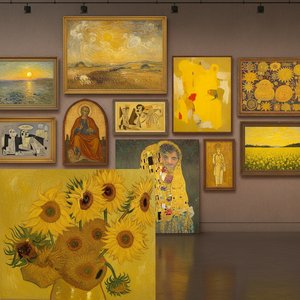
Golden Hues: 10 Masterpieces Dominated by Chrome Yellow | ArtsDot
Immerse yourself in golden light! Explore 10 famous paintings dominated by 'Chrome Yellow', from Van Gogh’s Sunflowers to Monet's Haystacks. Discover the stories behind these iconic Impressionist & Post-Impressionist masterpieces and find museum-quality art reproductions at ArtsDot.com.