
- Ana Sayfa

- Dijital Görsel Listesi
- robert shipboy macadam
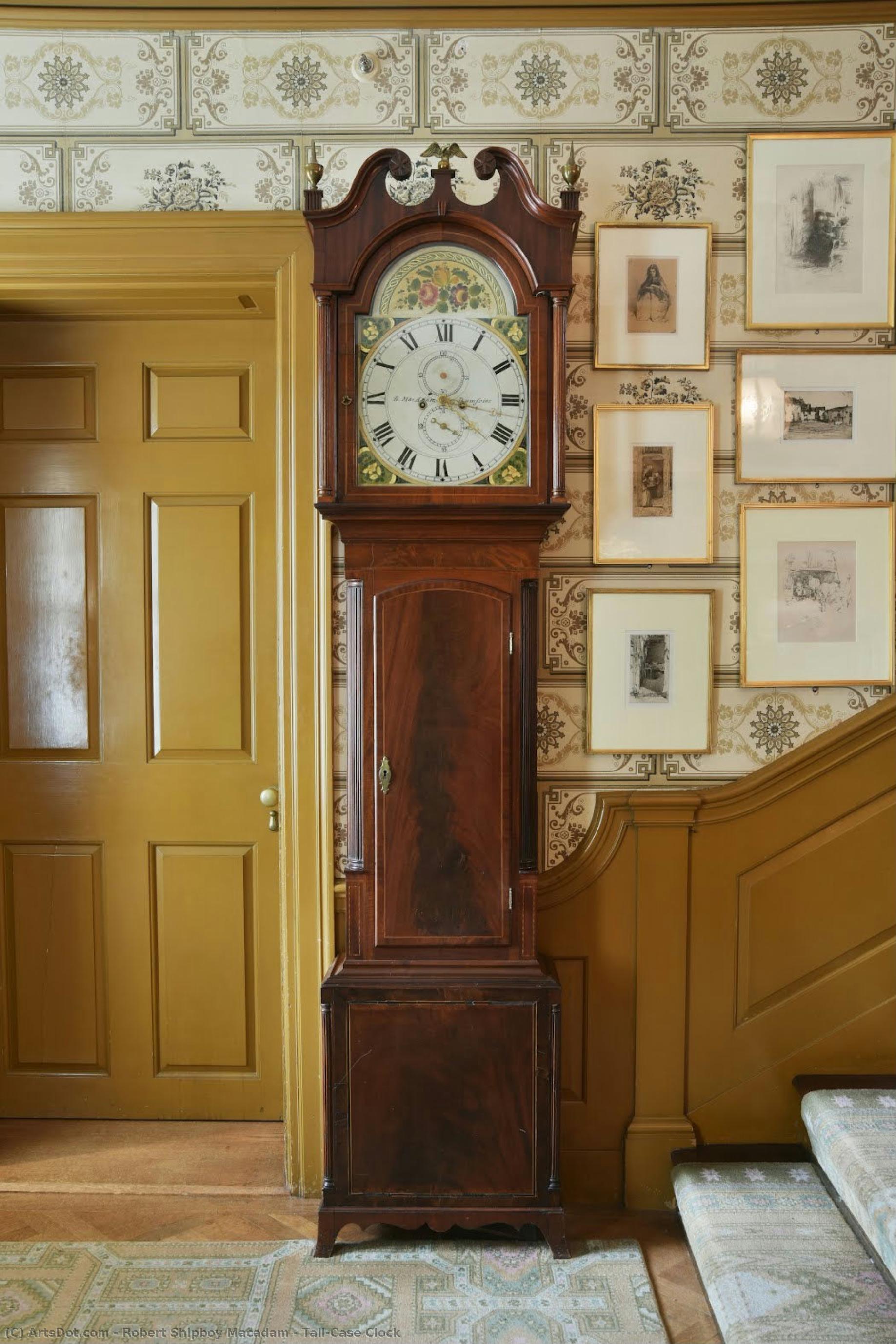
- Tall-Case Clock
 Baskıyı satın al Tabloyu Sipariş Et
 Paylaş
 Paylaş
 Detayları Gör
 Favorilere ekle

 İndir
İndir
 Benzerlerini gör
 X-Işını
 Slayt Gösterisi
Tall-Case Clock


 Tümünü Gör
Çevrimiçi önizlemeden çok daha üstün, yüksek çözünürlüklü ve iyileştirilmiş bir dijital görüntü satın alın.
Her dosya, uzman ekibimiz tarafından gelişmiş araçlar ve titiz manuel rötuş teknikleri kullanılarak özenle hazırlanır. Her görüntünün olağanüstü netliğe, kusursuz renk doğruluğuna ve ince ayrıntılara sahip olduğundan emin oluruz.
Son dosya; profesyonel, editoryal ve baskı süreçlerinde anında kullanıma uygun şekilde optimize edilerek 72 saat içinde e-posta yoluyla teslim edilir. Bu, seçkin tasarım stüdyoları, yayıncılar ve galerilerin güvendiği aynı kalite standartlarındadır.
Dijital Görsel
Kişisel sergileme, baskı ve yaratıcı projeleriniz için yüksek çözünürlüklü bir dosya indirin.
Her Dijital Görüntü Siparişinde Dahil Olanlar
Uzman Dijital Teslimat, Garantili
ArtsDot.com seçtiğinizde, sadece bir görsel edinmekle kalmaz; titizlikle hazırlanmış, profesyonelce iyileştirilmiş dijital bir sanat eserine sahip olur ve memnuniyet garantisiyle güvence altına alınırsınız. Siparişinizle birlikte otomatik olarak sunulan her şey şunlardır:

Hızlı E-posta ile Teslimat
Yüksek çözünürlüklü dijital görüntü dosyanız, siparişinizin üzerinden en geç 72 saat geçmeden e-posta ile size gönderilecektir; hemen kullanıma hazırdır.

Yapay Zeka İle İyileştirilmiş Dijital Dosya
Sanat eseriniz; maksimum detay, netlik ve renk doğruluğu sağlamak amacıyla gelişmiş yapay zeka araçları ve manuel düzenleme kullanılarak profesyonelce optimize edilmektedir.

Ömür Boyu Ücretsiz Yeniden Gönderim
Dosyanızı yanlışlıkla mı sildiniz yoksa kayıp mı oldu? Endişelenmeyin; dosyanızı dilediğiniz zaman size ücretsiz olarak tekrar göndereceğiz.

Hiçbir Zaman İthalat Ücreti Ödemeyin
Sanat eserinizin tadını gümrük vergisi, harç veya teslimat ücreti ödemeden anında çıkarın; dijital indirmeler her zaman vergiden muaftır.

Renk Doğruluğu Garantisi
Profesyonel araçlar ve renk yönetimi kullanarak dijital görselinizin orijinal renklere mümkün olduğunca yakın yansıtılmasını sağlıyoruz.

60 Günlük Memnuniyet Garantisi
If you're not satisfied with your digital image, we'll revise it or refund 100% within 60 days - no questions asked.

100% Para İadesi Garantisi
Memnun kalmadınız mı? Dijital dosyanızı aldıktan sonraki 60 gün içinde, hiçbir soru sorulmaksızın tam iade alın.

Toplu Sipariş İndirimleri
Buy 3 images, save 10% - Buy 5, save 15% - Buy 10+, save 20%. Great for creative projects, galleries, and agencies.
Koleksiyon Detayları
Sanatçı Özgeçmişi
Francisco Goya: A Revolutionary Voice of His Time
Francisco José de Goya y Lucientes, born in 1746 in Fuendetodos, Spain, was more than just a painter; he was a chronicler of his era, a visionary who captured the tumultuous spirit of Europe with unflinching honesty and profound emotional depth. His life spanned nearly six decades, witnessing revolutions, wars, and social upheavals that profoundly shaped his artistic vision. From the opulent court paintings of his early career to the haunting “Black Paintings” of his later years, Goya’s work remains a testament to the power of art to reflect and challenge the world around it. He stands as a pivotal figure, bridging the gap between the Old Masters and the emerging modern aesthetic, profoundly influencing generations of artists who followed.Early Years and Artistic Training
Goya’s artistic journey began with formal training in Zaragoza under José Luzán y Martínez, a local artist influenced by Neoclassical styles prevalent at the time. Recognizing his exceptional talent, Goya later traveled to Italy, immersing himself in the works of Venetian masters like Titian and Veronese – artists known for their dramatic use of light, vibrant colors, and emotional intensity. This exposure proved transformative, laying the groundwork for Goya’s distinctive style. He returned to Spain and served as a court painter under King Charles IV and his son Ferdinand VII, producing portraits that showcased the grandeur of the Spanish monarchy. However, even within these commissioned works, subtle critiques began to emerge, hinting at the artist's growing disillusionment with the political climate.The Disasters of War and Social Commentary
A turning point in Goya’s career arrived during the Peninsular War (1808-1814), a brutal conflict between Spain and Napoleonic France. Witnessing firsthand the horrors of war, Goya abandoned his previous sympathies for the French and embarked on a series of powerful etchings known as *Los Desastres de la Guerra* ("The Disasters of War"). These prints – depicting scenes of carnage, suffering, and despair – are considered among the most harrowing depictions of warfare in art history. They moved beyond romanticized notions of heroism to expose the brutal realities of conflict, capturing the anguish of both soldiers and civilians. The series demonstrated a radical shift in artistic perspective, prioritizing emotional impact over idealized representation.The Rise of Romanticism and Personal Visions
Following the war, Goya’s art began to reflect the burgeoning Romantic movement, characterized by an emphasis on emotion, imagination, and individualism. His *Caprichos* (1799-1814) are a collection of fantastical and satirical images that explore themes of human folly, superstition, and social injustice. These prints reveal a darker side of Spanish society, populated by grotesque figures and unsettling scenes. Simultaneously, Goya began to paint more privately, creating a series of portraits of himself and his family – works that offer intimate glimpses into the artist’s life and evolving psychological state. The *Flashen* (1800-1802), depicting young women in various states of undress, are particularly intriguing, prompting speculation about their meaning and Goya's personal motivations.The Darkest Period: The “Black Paintings”
In his later years, as he suffered from increasing deafness and deteriorating health, Goya retreated to his estate in La Quinta del Sordo (“The Blind Man’s House”). There, he created a series of fourteen large canvases known collectively as the *Pinturas Negras* ("Black Paintings"). These intensely dark and emotionally charged works are considered among the most profound and unsettling in his oeuvre. They depict scenes of violence, madness, despair, and demonic figures – reflections of Goya’s own anxieties and disillusionment with humanity. The *Saturn*, for example, is a terrifying image of an aging god devouring his children, symbolizing the destructive forces of time and fate. Despite their bleakness, these paintings represent a culmination of Goya's artistic vision, offering a brutally honest portrayal of the human condition. Goya’s legacy endures as one of the most important figures in Western art history. His innovative techniques, powerful imagery, and unflinching social commentary continue to resonate with audiences today. He remains an artist who dared to confront difficult truths, challenging conventional notions of beauty and heroism while offering a profound meditation on the complexities of human existence. His work serves as a potent reminder of the enduring power of art to both reflect and shape our understanding of the world.
robert shipboy macadam
1808 - 1895 , United Kingdom
Kısa Bilgiler
- Artistic Movement Or Style: Romanticism, Neoclassicism
- Artists Or Movements Influenced By This Artist:
- Picasso
- Dalí
- Expressionists
- Artists Who Influenced This Artist:
- Tiepolo
- Mengs
- Velázquez
- Date Of Birth: March 30, 1746
- Date Of Death: April 16, 1828
- Full Name: Francisco Goya y Lucientes
- Nationality: Spanish
- Notable Artworks:
- The Third of May, 1808
- Saturn Devouring His Son
- The Naked Maja
- Place Of Birth: Fuendetodos, Spain

