- Ana Sayfa

- Yağlı Boya Reprodüksiyonlar
- René Magritte
- İnsan Şapkasıyla

 Baskıyı satın al Görseli Satın Al
 Paylaş
 Paylaş
 Details
 Favorilere ekle

 İndir
İndir
 Benzerlerini gör
 X-Ray
X-Ray
 Slayt Gösterisi
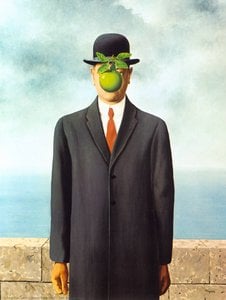
İnsan Şapkasıyla
 Tuval Üzerine Yağlı Boya
- Duvar Sanatı
- Surrealist Enigma
 1964
1964- Modern
 116.0 x 89.0 cm
El Yapımı Yağlı Boya Reproduksiyon
Sanatçılarımız tarafından sipariş üzerine hazırlanan; istediğiniz boyut ve çerçevede, tuval üzerine el boyaması yağlı boya.




P118B $10

P118H $10

P118W $10

P438Z $10

P508JH $12

P508YH $12

P805H $10

P805Z $10

P919BZ $10

P919G $10

P919XJ $10

P959ZH $10

P968JZ $12

W106C $8

W218G $10

W218JH $8

W218Y $10

W307PJ $10

W316G $10

W316PJ $8

W316Y $10

W398PJ $8

W4111J $10

W500HY $15

W500JH $15

W692G $12

W849H $8

W940BG $15

W953PJ $8




 Detaylı bilgi için tıklayın
Eserin orijinal oranlarıyla uyumlu, önceden belirlenmiş boyutlarımız arasından seçim yapın.

Belirli bir çerçeveye veya alana uyması için kendi boyutlarınızı girebilirsiniz. Seçtiğiniz boyut orijinal görüntünün oranlarıyla eşleşmiyorsa, sanat eserini kırparak veya ek el boyaması öğelerle resmi uzatarak ayarlayacağız. Üretim başlamadan önce onayınız için dijital bir taslak gönderilecektir.
Lütfen ekrandaki önizlemenin gerçek kırpmayı veya uzatmayı yansıtmadığını unutmayın. Nihai kompozisyonu yalnızca hazırlanan taslak doğru şekilde gösterecektir.
Özel boyutlar mevcut olsa da, orijinal oranları korumak adına önceden tanımlanmış listeden bir boyut seçmenizi öneririz.
Siparişten sonra, ArtsDot.com ekibi talimatlar için müşteriye e-posta gönderecek ve bir taslak önizleme sunacaktır
Dünya Çapında Teslimat (); standart 5 hafta yerine 3/4 haftada. (1 Temmuz). Kaliteden ödün verilmez.

Dünya Çapında Ücretsiz Ekspres Kargo

Yüksek Kaliteli Keten Tuval

Tam Kapsamlı Nakliye Sigortası

Gümrük Vergisi İade Garantisi

Gerçek Renk Uyumu Garantisi

60 Günlük İade Politikası (Sadece Kusurlu Ürünler İçin)

%100 Para İade Garantisi

Toplu Alım İndirimi
 Cam seçeneği yalnızca 110 cm altındaki boyutlar için mevcuttur.

İnsan Şapkasıyla
Reproduksiyon Tekniği
Reproduksiyon Boyutu
-


Toplam Tutar
-
Eser Açıklaması
René Magritte’nın Gizemli Portresi: İnsan ve Elmanın Paradoksu
René Magritte'nın 1964 yapımı "İnsan ve Elma", sanat tarihinin en ikonik eserlerinden biri olarak kabul edilir. Bu büyüleyici tablo, karanlık bir palto ve şapka giyen bir adamı temsil eder; büyük bir yeşil elmanın gölgesiyle yüzü örtülüdür. Sahildeki bulutlu gökyüzüne karşı duran bu figür, gerçekliği sorgulayan ve kimliğin gizemini ortaya çıkaran sürrealizm prensiplerini kapsayan görsel bir paradoks sunar. Magritte'nın eserleri, özellikle de bu tablo, sanatçının kendine özgü stilinde ve düşüncesinde derin izler bırakmıştır.Sürrealist Stilin Doğuşu ve Magritte’nin Görsel Dünyası
René Magritte (1898-1967), erken hayatında yaşadığı travmatik olaylardan etkilenmişti: Üç yaşındayken annesinin intiharı. Annesinin cesedinin Sambre Nehri'nden kurtarılması görüntüsü, daha sonraki eserlerinde gizli figürler ve görünmeyenlerin keşfiyle temasını bulacak şekilde tekrarlanan bir motif oldu. Bu erken travma onu gizem duygusuyla, kayıp duygusuyla ve görünenin ardındaki gerçekleri sorgulayan gücüyle yakalamıştı. Çocukluğunun detayları hakkında az bilgi olsa da bu biçimsel deneyim sanatçının tüm yaşamı boyunca görsel ifadeye olan ilgisini ateşlemişti. İlk olarak Empresyonizm tarzında eserler üretmeye başlamış ve daha sonra sürrealizme yönelmiştir. Bu hareketin temel amacı bilinçaltının gücünü ortaya çıkarmak ve akılcı düşünceyi meydan okumaktır. Magritte'nın sanatçı kişiliği, özellikle de bu tabloyla birlikte sürrealizm hareketiyle sıkı sıkıya bağlantılıdır.Tablonun Teknik Detayları ve Görsel İnanılmazlığı
Magritte’nın "İnsan ve Elma" tablosunun teknik başarısı dikkat çekicidir. Yağlı boya tekniği kullanılarak eser üretilmiştir; bu teknik hem gerçekçi bir görünüm yaratır hem de mantıklı bir karşıtlık oluşturarak sürrealist estetiğin temel özelliklerini vurgular. Yüzeyler pürüzsüzdür ve çizgiler hassastır, bu durum görüntünün rahatsız edici doğasını daha da artırır. Ancak Magritte’nın yaklaşımı sadece gerçekçi beceriyle sınırlı değildir; komposisyon geleneksel beklentileri bozarak günlük nesneleri sıra dışı bağlamlarda yerleştirir. Bu durum özellikle gökyüzü ve ufuk çizgisi gibi arka plan elemanları aracılığıyla derinlik duygusu yaratır. Ayrıca Magritte’nın kullandığı renk paleti, özellikle elmanın canlı yeşil rengi ile dikkat çekicidir; bu renk seçimi görüntünün duygusal etkisini güçlendirir ve izleyiciyi düşünmeye teşvik eder. Çalışma detaylı bir şekilde tasarlanmıştır ve sanatçının ustalık gösterdiği teknik beceriyi ortaya koyar.Tablonun Sembolizmi ve Tarihi Bağlamı
"İnsan ve Elma", sürrealizm hareketinin temel fikirlerini yansıtan tarihi bağlamda yaratılmıştır. Sürrealizm hareketi bilinçaltının gücünü keşfetmeyi amaçlamış ve akılcı düşünceyi meydan okuyarak toplum normlarına meydan okumuştur. Magritte’nın eserleri özellikle bu bağlamda sessiz yoğunluğu ve intelektüel titizlikleriyle öne çıkar. Onun amacı sadece bir tablo yapmak değil, aynı zamanda izleyicinin bilinçaltına yönelen sorularını ortaya çıkarmaktır. Bu nedenle Magritte'nın "İnsan ve Elma" tablosu sürrealist sanatçı kişiliğinin özünü temsil eder ve sanat tarihine önemli bir katkı yapmıştır. Aynı zamanda eserde kullanılan elmanın sembolizmi, özellikle de klasik edebiyatta anlatılan Adem ve Eva hikayesiyle bağlantılı olarak gizli gerçekleri, yasak bilgiyi veya bireysel kimliği temsil eder. Bu durum Magritte’nın eserlerini sadece teknik beceriyle değil aynı zamanda düşünsel derinlikle karakterize eder.Benzer Eserler


Sanatçı Özgeçmişi
Early Life and the Seeds of Surrealism
René Magritte, born René François Ghislain Magritte on November 21, 1898, in Lessines, Belgium, emerged into a world that would profoundly shape his enigmatic artistic vision. His early years were marked by an unsettling event – the suicide of his mother when he was just thirteen. The image of her body being recovered from the River Sambre, with her dress obscuring her face, became a haunting motif that would subtly permeate his later work, manifesting in veiled figures and a persistent exploration of hidden realities. This early trauma instilled within him a fascination with mystery, loss, and the unsettling power of what remains unseen. While details of his childhood remain somewhat elusive, it’s clear this formative experience laid the groundwork for his lifelong questioning of perception and representation. He began drawing lessons at age ten, revealing an innate inclination towards visual expression, but initially explored Impressionism before embarking on a path that would lead him to become one of the most significant figures in Surrealist art.
Artistic Development and Influences
Magritte’s artistic journey was not immediate or straightforward. He studied at the Académie Royale des Beaux-Arts in Brussels, yet found its traditional methods stifling. His early work experimented with Futurism and Cubism, absorbing elements of these avant-garde movements but ultimately rejecting their purely formal concerns. It wasn't until encountering Giorgio de Chirico’s painting *The Song of Love* in 1922 that Magritte discovered a resonance that would irrevocably alter his artistic course. De Chirico’s dreamlike landscapes and unsettling juxtapositions unlocked within Magritte a new way of seeing – a world where the familiar could be rendered strange, and the ordinary imbued with profound mystery. This encounter sparked his commitment to Surrealism, though he often maintained a unique distance from its more overtly psychological or automatic approaches. He preferred a meticulous, almost clinical precision in his painting, using realistic techniques to depict illogical scenarios.
The Heart of Surrealism: Challenging Reality
By 1926, Magritte had fully embraced the tenets of Surrealism, producing *Le Jockey Perdu (The Lost Jockey)*, widely considered his first truly surrealist work. However, his brand of Surrealism was distinct. He wasn’t interested in exploring the subconscious through free association or dream imagery in the manner of some of his contemporaries. Instead, Magritte sought to challenge viewers' perceptions of reality by presenting ordinary objects in unexpected contexts, forcing them to question their assumptions about the world around them. Iconic works like *The Treachery of Images (This is not a pipe)* (1929) brilliantly deconstructs the relationship between image and object, reminding us that a representation is never the thing itself. *Les Amants (The Lovers)* (1927-1928), with its shrouded figures, echoes the trauma of his mother’s death while simultaneously exploring themes of concealment and intimacy. *Time Transfixed* (1938) presents a locomotive bursting through a brick wall, disrupting our sense of space and time. And *The Human Condition* (1933), a canvas within a canvas, blurs the boundaries between representation and reality, prompting us to consider how we perceive and interpret the world.
Later Life, Recognition, and Enduring Legacy
Despite initial struggles for recognition, Magritte’s work gradually gained prominence, particularly in the United States with exhibitions in 1936 and later retrospective shows at the Museum of Modern Art (1965) and the Metropolitan Museum of Art (1992). He continued to refine his signature style, exploring themes of repetition, illusion, and the power of language in paintings that are both intellectually stimulating and visually arresting. Magritte died on August 15, 1967, leaving behind a body of work that continues to captivate and challenge audiences worldwide. His influence extends far beyond the realm of painting, impacting pop art, minimalist art, conceptual art, and even advertising and film. Today, his paintings are held in major museum collections around the globe, including the Musées royaux des beaux-arts de Belgique in Brussels, which houses the Magritte Museum – dedicated entirely to his work and boasting the world’s largest collection of his creations.
- Museum Collections: Musées royaux des beaux-arts de Belgique, Brussels; Magritte Museum.
Magritte's enduring legacy lies in his ability to make us see the familiar anew, to question our assumptions about reality, and to appreciate the power of art to provoke thought and inspire wonder. He wasn’t simply painting images; he was crafting visual paradoxes that continue to resonate with viewers decades after their creation, solidifying his position as a true master of Surrealism and a pivotal figure in 20th-century art.

René Magritte
1898 - 1967 , Belçika
Kısa Bilgiler
- Artistic Movement Or Style: Gerçeküstücülük
- Artists Who Influenced This Artist: ['Giorgio de Chirico']
- Date Of Birth: Kasım 21, 1898
- Date Of Death: Ağustos 15, 1967
- Full Name: René François Ghislain Magritte
- Nationality: Belçikalı
- Notable Artworks:
- Les Amants
- Treachery of Images
- Time Transfixed
- Place Of Birth: Lessines, Belçika
İlgili Makaleler

René Magritte'in En İyi 25 Eseri: Sanatın Gizemli Dünyasına Yolculuk | ArtsDot
René Magritte'in en ikonik 25 eserini keşfedin! Sürrealizmin gizemli dünyasına dalın, her tablonun ardındaki hikayeyi öğrenin. Ev dekorasyonunuz için modern sanat baskıları ArtsDot'ta. Koleksiyonu şimdi inceleyin!


Gizli Değerlerin Keşfi: Evinizdeki Sanat Eserlerini Tanımlama, Kimliklendirme ve Değerlendirme Kapsamlı Rehberi
Evinizdeki sanat eserlerinin değerini keşfedin! Uzman rehberimizle kimliklendirme, provans araştırması ve değerlendirme süreçlerini öğrenin. Güvenilir art danışmanlığı ile koleksiyonunuzu geliştirin.

The Enigma of Reality: Exploring René Magritte's Subversion of Perception & the Poetics of Everyday Life
Explore the captivating world of René Magritte! Delve into his surrealist masterpieces, challenging perceptions of reality & identity. Discover the philosophical depth and lasting influence of this Belgian master.

Surrealist Painting Masterpieces: 10 Artworks That Redefined Reality | ArtsDot
Journey into the dreamlike world of Surrealism! Explore 10 masterpieces by Dali, Magritte & Miró that redefined art. Discover their stories & find museum-quality reproductions to elevate your home decor on ArtsDot.com.

Beklenmedik Duvarların Gizli Şaheserleri: Lüks Tasarımda Mahzenlerden Merdivenlere Sanatın Yeniden Keşfi
Lüks tasarım projelerinizde mahzen ve merdiven boşluklarını sanatla dönüştürün! Uzman ipuçları, malzeme seçimi ve restorasyon rehberleri ile mekanınıza değer katın. ArtsDot kalitesiyle iç mimaride fark yaratın.