


Görsel seçimlerinize göre şekillenmektedir: , .
Eser Açıklaması
Discover Pierre Bonnard’s ‘The Windows’ (1925). A vibrant Post-Impressionist oil painting capturing Mediterranean light & tranquility. Explore depth, texture & symbolic beauty.
 Tümünü Gör
Sanatçı Biyografisi
İntimism ustası Pierre Bonnard, Yemek Odası gibi eserlerinde ışığı yakaladı. Canlı ve duygusal şaheserlerini bugün keşfedin.
siparişinizi dört basit adımda verin
Acele etmeyin. İstediğiniz yanıtı değiştirebilirsiniz; sipariş kartınızdaki fiyat her seçime göre güncellenir.
1 Dört adımdan biri
On which medium should it be printed?
Canvas is printed with giclée inks and can be stretched or framed like a painting; paper comes flat, or framed behind glass.
2 Dört adımdan ikincisi
Hangi boyutu istersiniz?
Bu boyutlar orijinal tablonun oranlarını korur. Çizim, seçtiğiniz eserin iki metrelik bir koltuğun üzerindeki duvarda nasıl duracağını göstermektedir.
Veya kendi ölçülerinizi girin
Eserin orijinal oranlarıyla uyumlu, önceden belirlenmiş boyutlarımız arasından seçim yapın.

Çerçevenize veya duvarınıza uygun olması için ihtiyacınız olan genişlik ve yüksekliği yazın. Bir baskı yalnızca kesilebilir, görselden daha büyük hale getirilemez; bu nedenle farklı bir formdaki boyut seçimi, görselin bir kısmının kaybına neden olur. Herhangi bir baskı yapmadan önce onaylamanız için size bir dijital taslak gönderiyoruz. Bu sayfada gösterilen resim gerçek kesimi göstermez — bunu yalnızca taslak gösterir.
3 Dört adımdan üçüncüsü
Nasıl hazırlanmalı: rulo halinde mi, gerilmiş mi yoksa çerçeveli mi?
Aşağıdaki fiyatlar, birinci adımda seçtiğiniz boyut içindir.
Gergin kanvasın kenarlarını seçin
Çerçevenizi seçin

Beyaz kenar bitişi ₺1

Bulanık kenar bitişi ₺1

Kenar boyalı ₺1

P118B ₺10

P118H ₺10

P118W ₺10

P438Z ₺10

P508JH ₺12

P508YH ₺12

P805H ₺10

P805Z ₺10

P919BZ ₺10

P919G ₺10

P919XJ ₺10

P959ZH ₺10

P968JZ ₺12

W106C ₺8

W218G ₺10

W218JH ₺8

W218Y ₺10

W307PJ ₺10

W316G ₺10

W316PJ ₺8

W316Y ₺10

W398PJ ₺8

W4111J ₺10

W500HY ₺15

W500JH ₺15

W692G ₺12

W849H ₺8

W940BG ₺15

W953PJ ₺8

H24-GOLD ₺30

H24-SILVER ₺30

H36-GOLD ₺45

H36-SILVER ₺45
Çerçeveli
Çerçeve Kenarlığı: . Çerçeve dahil toplam boyut: .
4 Dört adımdan dördüncüsü
Birkaç bitiş seçeneği
Hepsi isteğe bağlıdır. Halihazırda seçilmiş olan yanıtlar ek bir maliyet getirmez.
Dünya Çapında Teslimat (); standart 4/5 hafta yerine 2 haftada. (22 Kasım)
Müzedekiler gibi bir isimlik mi?
İşlemeli Bronz Plaka Detayları
This elegant plaque features the artist's name and the title of the artwork, finely engraved for a timeless presentation.
It is made from bronze with a refined, elegant finish. The text is precisely laser-engraved for a sharp and permanent result. Measuring 9x2 cm, the plaque is compact yet easy to read. It's built to be durable and scratch-resistant, offering a professional, museum-quality look. Mounting is simple thanks to the included adhesive backing.
Şeffaf Akrilik Plaka Detayları
The plaque includes essential engraved details such as the artist's name, the title of the artwork, the date it was created, the type of media used-like oil on canvas or watercolor-a brief description of the piece, and a QR code that links to the complete artwork information.
It is crafted from clear acrylic, offering a sleek, modern appearance. The text is UV-engraved in black to ensure strong visual contrast. With a size of 10x15 cm, it ensures optimal readability. It comes equipped with two metal hooks for secure wall mounting. The plaque is designed to be weather-resistant, making it suitable for various environments, and it includes interactive features that work seamlessly with smartphone scanning.
Siyah Akrilik Plaka Detayları
This elegant plaque includes engraved information such as the artist's name, the title of the artwork, the date it was created, the type of media used (like oil on canvas or watercolor), a short description of the artwork, and a QR code for quick access to more information.
The plaque itself is made from refined black acrylic with a premium finish. The text is laser-engraved in white for high contrast and readability. Its size is 10x15 cm, designed to be easy to read. It comes with two metal hooks for professional mounting. The design is sleek and fits any interior style. It is also weather-resistant and durable, with built-in digital integration for mobile compatibility.
Koruyucu vernik mi?
Ne zaman ihtiyacınız var?
✓ Kontrol et ve sipariş ver
Your print, as you ordered it

The Windows
Reproduksiyon Tekniği
Reproduksiyon Boyutu
-

Reproduksiyon Çerçevesi
-
-
Herhangi bir kenarı 105 cm'den (yaklaşık 41 inç) büyük olan sanat eserleri veya reprodüksiyonlar için çerçeve, demonte edilmiş bir kit halinde gönderilecektir. Bu yöntem, güvenli teslimat sağlar ve taşıma sırasında oluşabilecek hasarları önler.
Profesyonel montaj gereklidir; bu ürün kendin yap (DIY) tarzı bir ürün değildir.
Kit; ahşap tutkalı (pakete dahil değildir), kanvas germe pensi ve tutkal kururken çıtaların dik durmasını sağlayacak işkenceler kullanılarak, deneyimli bir profesyonel çerçeveci tarafından monte edilmeli ve kanvas gerilmelidir. Hatalı montaj veya dengesiz kanvas gerginliği sanat eserine kalıcı zarar verebilir ve bu durum garantimiz kapsamında değildir.
 Herhangi bir kenarı 105 cm'den (yaklaşık 41 inç) büyük olan sanat eserleri veya reprodüksiyonlar için çerçeve, demonte edilmiş bir kit halinde gönderilecektir. Bu yöntem, güvenli teslimat sağlar ve taşıma sırasında oluşabilecek hasarları önler.
Tüm masif ahşap çıtalar dahildir, montaj için hassas bir şekilde ölçülmüştür.
Paket içeriğinde bulunan vidalar ve köşe birleşimleri için ustanız tarafından temin edilmesi gereken, ancak pakete dahil olmayan ahşap tutkalı ile monte edilir.
Profesyonel araçlar gereklidir ve pakete dahil değildir: bir tuval germe aparatı (gerdirici) ve yapıştırıcı kururken çıtaların dik durmasını sağlayacak kıskaçlar.
Önemli:
Köşe bağlantıları için ahşap tutkalı gereklidir; tutkal tamamen kuruyana kadar çıtalar işkenceler ile sabitlenmelidir ve monte edilmiş çerçeve üzerindeki kanvasın gerilmesi için bir kanvas germe pensine ihtiyaç duyulur. Bunların hiçbiri kit içerisinde yer almamaktadır. Lütfen bu boyutu sipariş etmeden önce deneyimli bir profesyonel çerçeve ustası ile anlaşın.

Eser Etiketi
-
-

Koruyucu Vernik Katmanı
Parlak Vernik (renkleri canlandırır; ışığa ve neme karşı koruma sağlar)
-

Hızlı Teslimat
Dünya Çapında Teslimat (): Standart 4/5 hafta yerine 2 haftada. (22 Kasım)
-
Hızlı Gönderim
için 4-5 hafta içinde dünya çapında teslimat. (29 Kasım).
Dahil
Toplam Tutar
₺ 3134
Cam seçeneği yalnızca 110 cm altındaki boyutlar için mevcuttur.
Her siparişle birlikte gelir
- Dünya Çapında Ücretsiz Ekspres Kargo
- Yüksek Kaliteli Keten Kanvas
- Tam Nakliye Sigortası
- Gümrük Vergisi İadesi Garantisi
- Gerçek Renk Uyumu Garantisi
- 100 Günlük İade Politikası (Sadece Kusurlu Ürünler İçin)
- %100 Para İade Garantisi
- Toplu Alım İndirimi


A Window on Memory: Pierre Bonnard’s ‘The Windows’
Pierre Bonnard's “The Windows,” painted in 1925, is more than just a still life; it’s an intimate meditation on light, memory, and the quiet beauty of domesticity. The artwork immediately draws the viewer into a warmly lit interior space, a room imbued with a palpable sense of tranquility. Through the open window, a vibrant Mediterranean town unfolds – a distant echo of warmth and color that subtly shapes the mood of the scene. Bonnard’s masterful use of perspective creates a layered composition, guiding our eye from the tangible objects within the room—a book titled ‘Marie,’ a paintbrush, an inkwell—to the expansive vista beyond, blurring the boundaries between the personal and the universal.
- Post-Impressionist Vision: “The Windows” firmly establishes Bonnard’s place within the Post-Impressionist movement. Influenced heavily by Paul Gauguin's bold color palettes and flattened perspective, Bonnard rejects strict realism in favor of a subjective interpretation of reality. The visible brushstrokes, applied with a confident hand, contribute to a richly textured surface that invites close inspection.
- Technique & Materials: Executed in oil paints on canvas, the artwork showcases Bonnard’s signature impasto technique – thick layers of paint built up to create a tactile and luminous effect. This is particularly evident in the window frame and the book cover, where the paint seems to shimmer with reflected light.
- Color as Emotion: Bonnard's color choices are deliberately emotive, eschewing naturalistic representation for hues that evoke specific feelings. The warm yellows, oranges, and reds of the interior contrast dramatically with the cooler blues and greens of the distant landscape, creating a dynamic visual tension.
Decoding the Symbolism
Beyond its technical brilliance, “The Windows” is rich in symbolic potential. The inclusion of ‘Marie,’ a book bearing this name, has been interpreted as representing love or memory – perhaps a cherished recollection brought to life through the artist’s gaze. The window itself acts as a portal, not just to a physical location but also to a realm of contemplation and introspection. The simplified shapes and organic forms throughout the composition suggest a desire to capture the essence of things rather than their precise details, aligning with Bonnard's broader artistic philosophy.
- The Mediterranean Landscape: The distant town, rendered in atmospheric perspective – paler colors and less detail for objects further away – symbolizes escape, longing, or perhaps a nostalgic yearning for the sun-drenched landscapes of Southern France, where Bonnard spent much of his life.
- Domestic Objects as Vessels of Memory: The carefully arranged objects within the room—the book, paintbrush, inkwell—are not merely props; they are imbued with personal significance, suggesting a connection to Bonnard’s own experiences and emotions.
Historical Context & Artistic Legacy
Painted in 1925, “The Windows” reflects the evolving artistic landscape of early 20th-century France. Bonnard was working at a pivotal moment, navigating between the traditions of Impressionism and the radical experimentation of Cubism and other avant-garde movements. His work, though rooted in observation, is profoundly subjective, prioritizing emotional resonance over objective representation. This approach anticipated many of the developments that would shape modern art.
Artist Information: Pierre Bonnard (1867-1947) was a prominent figure in the Post-Impressionist movement, renowned for his evocative depictions of domestic interiors and landscapes. His distinctive style, characterized by bold color choices, loose brushwork, and a focus on capturing light and atmosphere, continues to captivate audiences today.Soru ve Cevaplar
Pierre Bonnard imzalı "The Windows" hangi oda için öneriliyor?
Pierre Bonnard imzalı "The Windows" eseri için Living Room önerilmektedir. Bu öneri; eserin konusu, renkleri ve hissettirdiği duyguya dayanmaktadır.
"The Windows" eserinin 1925 tarihli olması, Pierre Bonnard'in kariyerinin hangi dönemine denk gelmektedir?
1925 tarihi, "The Windows" eserini Pierre Bonnard'in gelişiminin Mature Period dönemine yerleştirmektedir.
Pierre Bonnard imzalı "The Windows" eserinin görüntüsü serbestçe çoğaltılabilir mi?
Pierre Bonnard imzalı "The Windows", kamu malıdır - telif hakkı süresi dolmuştur statüsündedir. Bu durum, eserin görüntüsünün nasıl çoğaltılabileceğini belirler.
Bu tablo hakkında daha fazla bilgi
 Gerçek Boyutta Önizle
 El Yapımı Tablo Satın Al
 Paylaş
 Paylaş
 Detayları Gör
 Rehber

 İndir
İndir
 Benzer ürünler
 X-Işını
 Slayt Gösterisi
 Soru & Cevap
 İstatistikler
Benzer Eserler


Pierre Bonnard
1867 - 1947, Fransa
Sanatçı Özgeçmişi
Erken Yaşam, Aile ve Eğitim
Pierre Bonnard, 3 Ekim 1867 tarihinde Fransa'nın Hauts-de-Seine bölgesindeki Fontenay-aux-Roses kasabasında dünyaya gözlerini açtı. Katı beklentilerin hakim olduğu bir ailede doğmuştu; babası Eugène Bonnard, Fransız Savaş Bakanlığı'nda üst düzey bir görevde bulunuyordu. Soyu devletin idari istikrarına dayansa da, Pierre'in iç dünyasını ve ev yaşamını, kökenleri Alsas'a dayanan annesi Élisabeth Mertzdorff şekillendirdi. Kardeşi Charles ve daha sonra besteci Claude Terrasse ile evlenecek olan kız kardeşi Andrée ile birlikte, geleneksel değerlerin korunduğu bir evde büyüdü.
Resmi eğitimi dönemin geleneksel yollarını izlese de, onun eğilimleri bürokratik bir kariyerden ziyade görsel bir dünyaya doğru kayıyordu. Sanat eğitimini önce Ecole des Beaux-Arts'ta, ardından Academie Julian'da aldı. Bu kurumlar, nihayetinde akademik katılıktan uzaklaşacak olan bu sanatçı için gerekli teknik temelleri sağladı. Gençlik yılları, ışığın ve formun yakalanma biçimine karşı gelişen hassas bir duyarlılıkla damgalandı; bu yetenek, ilerleyen yıllarda varoluşun en sıradan anlarına yaklaşımını belirleyen temel unsur olacaktı.
Nabi Yılları ve Sanatsal Gelişim
Pierre Bonnard'ın ilk yılları, babasının onun için hayal ettiği hukuk yolundan sessizce bir kopuşla şekillendi. Karikatür çizerek keskinleştirdiği gözlem yeteneği, onu Paris'in avangart çevrelerinde gerçek çağrısına ulaştırdı. Sanatı salt bir temsil olmanın ötesine taşımayı amaçlayan sanatçılardan oluşan Les Nabis grubunun kurucu üyelerinden biri oldu. Akademik geleneğin katı kurallarından uzaklaşmaya başladığı bu dönem, dekoratif ve sembolik olanın yükselişiyle tanımlandı. O, bir önceki neslin uçucu ışığı ile yeni yüzyılın daha yapılandırılmış, öznel keşifleri arasındaki o hassas boşlukta yolunu bularak, Empresyonizm'den Modernizm'e geçişin öncü figürlerinden biri haline geldi.
Gelişen sanatsal vizyonu, Paul Gauguin'in eserlerine duyduğu derin ilgiyle şekillendi; Gauguin'in etkisi, onu form ve renge karşı daha stilize bir yaklaşım benimsemeye yönlendirdi. Bu estetik anlayış, Japon sanatının büyüleyici etkisiyle daha da zenginleşti. Hokusai ve diğer Japon ustaların baskıları, ona uzay ve çizgiyi organize etmek için yepyeni bir yol sundu. Büyük tarihi anlatılara odaklanmak yerine Pierre Bonnard, dikkatini ev yaşamının dinginliğine çevirdi. Bir anın atmosferini yakalamayı amaçlayan sanatçı, kişisel izlenimlerini tuvale aktarmak için sıklıkla hafızasına güvenerek çalıştı. Bu yöntem, bir sahnenin gerçekliğin fotoğrafik bir tasvirinden ziyade, duygusal yankısına öncelik vermesine olanak tanıdı.
Teknik ve Eşsiz Sanatsal Üslup
Pierre Bonnard’ın tuvalle kurduğu ilişki, gerçekçi temsilin katı kuralları yerine rengin içsel mantığına duyulan bir bağlılıkla şekillenmişti. Doğrudan gözlemden sıklıkla uzaklaşarak, bunun yerine hafızanın büyülü dünyasından beslenmeyi tercih ederdi. Hatıralara olan bu güveni, bir sahneyi en temel duygusal bileşenlerine kadar damıtmasına olanak tanıyor; bu da sıklıkla dekoratif niteliklerin ve kromatik yoğunluğun, asıl konunun önüne geçtiği eserlerin doğmasını sağlıyordu. Onun ellerinde bir ev içi mekan, sadece bir odanın kaydı olmaktan çıkıp, ışığın ve tonların mahrem bir alan içerisinde nasıl etkileşime girdiğinin derin bir keşfine dönüşüyordu.
Sanatçının boya maddesiyle olan fiziksel bağı da bir o kadar alışılagelmişin dışındaydı. Kanvaslarını sık sık gerginlikten kurtarır ve doğrudan duvara çivilerdi. Bu yöntem, çerçevenin kenarlarında çalışmasına ve bazen kırpma efektini kullanarak resimsel alanı daha da düzleştirmesine imkan tanıyordu. Bu tür teknikler, kompozisyonlarına stilize ve neredeyse grafiksel bir nitelik kazandırıyordu. Ortaya çıkan yüzeyler, ince ve şeffaf yıkamalardan kalın ve dokulu vuruşlara kadar uzanan geniş bir yağlı boya yelpazesi sayesinde, sanki bir hareket duygusuyla nefes alıyormuş gibi görünüyordu.
Gündelik hayatın atmosferine olan bu odaklanma, en sıradan düzenlemelerin bile —bir meyve kasesi ya da sessiz bir odadaki bir kadın— ışığı kullanma biçimiyle dönüşmesi anlamına geliyordu. Pierre Bonnard, hem öğle güneşinin sert parıltısını hem de bir iç mekan lambasının yumuşak, yapay ışıltısını yakalama konusunda olağanüstü bir yeteneğe sahipti. Rengin öznel deneyimine öncelik vererek, çalışmalarını bir anın sadece belgelenmesini değil, o anın hissini önemseyen modern bir duyarlılığa taşıdı.
Marthe de Méligny ile Geçen Hayat
1893 yılında Maria Boursin adında bir kadın, Pierre Bonnard'ın hayatına girdi; bu varlık, sanatçının ilerleyen yıllarındaki ev yaşamının manzarasını tanımlayacak olan bir dönüm noktasıydı. Kendisi tarafından Marthe olarak bilinen bu kadın, bir yol arkadaşından çok daha fazlasıydı; Pierre Bonnard'ın özel dünyayı izlediği temel mercek haline geldi. İlişkileri, uzun süreli bir yakınlık ve paylaşılan bir yaşam alanı üzerine kuruluydu; 1925 yılında evlenmeleriyle birlikte bu derin bağ, resmi bir birlikteliğe dönüştü. Bu ortaklık, sanatçının onlarca yıl boyunca süren yaratıcı üretiminin altında yatan o istikrarlı ve sessiz ritmi sağladı.
Marthe, sanatçının atölyesinde sürekli var olan bir figürdü ve çoğu zaman en sık kullandığı modeli oldu. Eserlerinde, bir aile sahnesinin sıradan bir katılımcısından pek çok çıplak figürün öznesi olmaya kadar çok çeşitli rollerde karşımıza çıkar. Tüberkülozla mücadele etmek için her gün banyo yapması nedeniyle, Pierre Bonnard onun banyo ritüellerinin o mahrem ve savunmasız anlarını sık sık tuvale aktardı. Bu tasvirler yalnızca anatomik çalışmalar değil, paylaşılan çevrelerinin yumuşak ışığıyla karakterize edilen, birlikte geçirdikleri günlük yaşamın birer yansımasıydı.
Birlikte sürdürdükleri hayat, gündelik yaşamın uçucu bir anında yakalanmış hissi veren bir dinginlıkla damgalanmıştı. Yıllar geçip giderken bile Marthe'un imgesi, hayatları boyunca farklı formlarda ortaya çıkarak sanatçının vizyonunun merkezinde kalmaya devam etti. 1942'deki ölümüne kadar onun yanında yer alan Marthe, geride birbirine sıkıca bağlı ve gözlemci bir yakınlıkla yaşanmış bir hayatın görsel kaydını bıraktı.
Başlıca Eserleri ve Unutulmaz Tabloları
Pierre Bonnard’ın ilk dönem eserleri, evrilen sanat vizyonunun temellerini gözler önüne serer. 1891 yılında ortaya çıkan Panneaux décoratifs - Femmes au jardin, sanatçının kariyerine yön verecek olan o kendine has, stilize edilmiş dekoratif nitelikleri sergilemiştir. 1892 yılına gelindiğinde ise The Dressing Gown, ev yaşamının o dingin ve sessiz dünyasına duyulan ilginin giderek derinleştiğini kanıtlar niteliktedir. Bu erken dönem yılları, sanatçının aldığı disiplinli eğitimin yapılandırılmış etkilerinden sıyrılarak, dünyayı daha kişisel ve öznel bir bakış açısıyla görmeye başladığı bir geçiş sürecine tanıklık etmiştir.
Üslubu olgunlaştıkça, işlenen konunun kendisi, ışığın ve rengin bir mekânı nasıl doldurduğunun gerisinde kalmaya başlamıştır. 1903 yılında resmedilen Girl in Straw Hat (Femme au chapeau rouge), figürün karmaşık bir renk düzenlemesi içinde adeta eriyip gittiği bu dönüşümün en çarpıcı örneklerinden biridir. Daha sonra, 1925 yılında gelen The Window, bir çerçevenin ardındaki değişken ışık dünyasına bakmanın hissini yakalamıştır. Sanatçının geç dönem çalışmaları bu keşif yolculuğunu yaşamının sonuna kadar sürdürmüştür; yaklaşık 1946 yılında resmedilen The Almond Tree in Blossom, ışık ve doğanın o büyüleyici etkileşimine olan tutkusunun çok önemli bir yansıması olarak kalmaya devam etmektedir.
- Panneaux décoratifs - Femmes au jardin (1891)
- The Dressing Gown (1892)
- Girl in Straw Hat (Femme au chapeau rouge) (1903)
- The Window (1925)
- The Almond Tree in Blossom (yaklaşık 1946)
Miras ve Kalıcı Etki
Pierre Bonnard'ın modernizme katkısı, kolayca kategorize edilmeyi reddetmesinde yatar. İlk yılları Edouard Vuillard ve Paul Serusier ile birlikte Les Nabis üyesi olmasıyla şekillenmiş olsa da, eserleri zamanla grubun belirli sınırlarının ötesine geçmiştir. Empresyonizmin yapılandırılmış kaygılarından, daha karmaşık ve öznel bir modernizme doğru evrilmiştir. Tabloları, nesne ile çevresi arasındaki çizgileri sık sık bulanıklaştırarak görsel açıdan son derece karmaşık bir yapı sunar. Bu karmaşıklık, boyaya karşı sergilediği huzursuz ve dokunsal yaklaşımla elde edilmiştir; kalın veya ince, yağlı veya sulu, fırça darbeleriyle sürülmüş veya silinmiş izlerden oluşan olağanüstü bir teknik çeşitlilik kullanmıştır.
Sanatçının etkisi, tuval yüzeyine yaklaşım biçiminde derinden hissedilir. Gerilmemiş tuvalleri sıklıkla doğrudan duvara çivileyerek, sonraki nesillerin bir tablonun fiziksel varlığına yaklaşımını etkileyen eşsiz, dokunsal bir nitelik yaratmıştır. Renk ve ışığı manipüle etme yeteneği, bir anın akışkanlığını yakalamasına ve sahneyi genellikle daha büyük, değişken bir deneyimin parçası olarak ele almasına olanak tanımıştır. O, sadece bir manzarayı kaydetmekle kalmamış; nesnenin salt doğruluğundan ziyade görme duyusunun yarattığı hissi önceleyen kişisel ve içsel bir mantıkla manzarayı yeniden inşa etmiştir.
- La Vielle Femme, l’Enfant, et la Bassett (1927)
- Méditerranée (1909 ve 1911)
- The White Interior (1932)
- The French Window (1932)
Eserlerini Bugün Nerede Görebilirsiniz?
Pierre Bonnard'ın vizyonunun fiziksel izleri, ışığa ve ev yaşamına olan kendine has yaklaşımının farklı bağlamlarda incelenmesine olanak tanıyan birçok önemli kurumda dağınık halde bulunmaktadır. Amerika Birleşik Devletleri'nde, Modern Sanat Müzesi'nin (MoMA) onun tablolarına ev sahipliği yaptığı New York'taki koleksiyonlar aracılığıyla etkisi derinden hissedilir. Metropolitan Museum of Art da sanatçının daha modern bir duyarlılığa doğru evrilen yönünü yansıtan eserleri bünyesinde barındırır. Amerika'nın Orta Batı bölgesinde onun izini sürmek isteyenler için Chicago Sanat Enstitüsü, renkleri eşsiz bir ustalıkla işlediği parçaları korumaktadır.
Atlantik'in ötesinde ise Bonnard'ın etkisi Avrupa'nın seçkin galerilerine kadar uzanır. Londra'daki Tate Modern, sanatçının dönemin geniş sanat akımları içindeki gelişimine dair bir perspektif sunarak eserlerine ev sahipliği yapar. Bu koleksiyonlar, Bonnard'ın büyük anlatılardan uzaklaşıp gündelik hayatın samimiyetine yönelirken hafızasından kurguladığı o sessiz ve çoğu zaman parçalı sahnelerle buluşmak için eşsiz bir fırsat sunar.
- Woman in Checkered Dress (1890)
- The Dining Room (1913)
- The Window (1925)
- The Almond Tree in Blossom (1947)


Benzer Yazılar

A Study in Solitude: Selecting Historical Works for the Private Retreat
Discover how to curate a peaceful bedroom sanctuary using iconic Old Masters and Impressionist works. Transform your private retreat today.
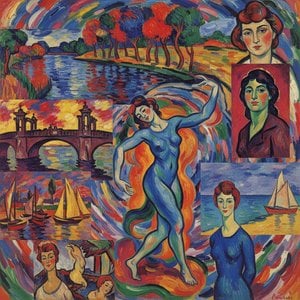
Fauvism's Boldest Visions: 10 Masterpieces That Revolutionized Modern Art | ArtsDot
Explore 10 Fauvist masterpieces by Matisse, Derain & Vlaminck that ignited Modern Art! Discover bold colors, expressionist landscapes & the history of this revolutionary movement. Find museum-quality prints at ArtsDot.com.

The Subdued Radiance of Pastel Palettes: Exploring Emotional Resonance in Art History
Explore the emotional power of pastel palettes in art history! Discover Impressionism, Post-Impressionism & color psychology insights. Find museum-quality reproductions at ArtsDot.