


 Önizle
 Gönder
 Paylaş
 Detaylar
 Rehber

 Dosyayı İndir
 Benzerleri
 X-Işını
 Slayt Gösterisi
 İstatistikler
Interior with Flowers
 Oil On Canvas
- WallArt
- Post-Impressionism
 1919
1919 116.0 x 88.0 cm
 Devamını Oku
Giclée / Sanat Baskısı
Hızlı üretim ve esnek bitiş seçenekleriyle müze kalitesinde giclée veya kanvas baskı. ( El Yapımı Tablo Satın Al Dijital Görsel Satışına Geç)




P118B ₺10

P118H ₺10

P118W ₺10

P438Z ₺10

P508JH ₺12

P508YH ₺12

P805H ₺10

P805Z ₺10

P919BZ ₺10

P919G ₺10

P919XJ ₺10

P959ZH ₺10

P968JZ ₺12

W106C ₺8

W218G ₺10

W218JH ₺8

W218Y ₺10

W307PJ ₺10

W316G ₺10

W316PJ ₺8

W316Y ₺10

W398PJ ₺8

W4111J ₺10

W500HY ₺15

W500JH ₺15

W692G ₺12

W849H ₺8

W940BG ₺15

W953PJ ₺8




Eserin orijinal oranlarıyla uyumlu, önceden belirlenmiş boyutlarımız arasından seçim yapın.

Çerçevenize veya duvarınıza uygun olması için ihtiyacınız olan genişlik ve yüksekliği yazın. Bir baskı yalnızca kesilebilir, görselden daha büyük hale getirilemez; bu nedenle farklı bir formdaki boyut seçimi, görselin bir kısmının kaybına neden olur. Herhangi bir baskı yapmadan önce onaylamanız için size bir dijital taslak gönderiyoruz. Bu sayfada gösterilen resim gerçek kesimi göstermez — bunu yalnızca taslak gösterir.
Dünya Çapında Teslimat (); standart 4/5 hafta yerine 2 haftada. (22 Ekim)

Dünya Çapında Ücretsiz Ekspres Kargo

Yüksek Kaliteli Keten Tuval

Tam Nakliye Sigortası

Gümrük Vergisi İadesi Garantisi

Gerçek Renk Uyumu Garantisi

100 Günlük İade Koşulları (Sadece Üretim Hatalı Ürünler İçin)

%100 Para İade Garantisi

Toplu Alım Avantajı
 Cam seçeneği yalnızca 110 cm altındaki boyutlar için mevcuttur.

Interior with Flowers
Giclée / Sanat Baskısı
Baskı Boyutu
-


Toplam Fiyat
₺ 3029
A Sanctuary of Light and Domestic Intimacy
To gaze upon Bonnard's Interior with Flowers is to step through a veil into a moment suspended in time—a warm, luminous breath captured within the quietude of a well-loved room. This painting is not merely a depiction of objects; it is an immersion into atmosphere itself. The composition unfolds around a central table, laden with an exquisite arrangement of blooms spilling from various vases. These flowers, vibrant yet softened by Bonnard's characteristic palette, mingle with the deep greens of potted plants scattered throughout the scene. To the right, a plush couch invites repose, while on the left, a solitary chair suggests recent departure or imminent return. Every element—from the visible book resting near the corner to the varied sizes of the vessels holding life—contributes to an overwhelming sense of cozy, lived-in elegance.
The Luminous Touch of Post-Impressionism
Painted in 1919, this work sits beautifully within the orbit of Post-Impressionism, a style that allowed Bonnard to move beyond mere optical recording toward something more deeply felt. While the subject matter—a still life enriched by domestic architecture—might suggest simple genre painting, Bonnard elevates it through his masterful handling of light and color. His technique is characterized by an almost sensual application of paint; colors do not simply exist on the canvas but seem to emanate from within the scene itself. The light filtering into this interior feels palpable, bathing the textiles and petals in a golden, diffused glow that speaks volumes about the time of day and the emotional tenor of the space.
Symbolism of Domestic Stillness
The inclusion of flowers, books, and comfortable furniture imbues the piece with rich symbolism. Flowers, eternally transient, speak to the cycle of life, beauty, and inevitable decay—a poignant meditation rendered beautiful. The interior itself functions as a microcosm of memory; it is a space curated by moments lived and affections held. Bonnard often imbued his domestic scenes with an almost private intimacy, suggesting that true beauty resides not in grand historical narratives, but in the quiet rituals of daily life: the scent of cut flowers, the weight of a book read late into the afternoon.
Bringing the Salon Home
For those who appreciate art that enhances rather than dominates a space, this reproduction offers unparalleled depth. The scale of 116 x 88 cm allows the viewer to appreciate both the overall harmony of the room and the delicate brushwork on individual petals. It serves as more than just decoration; it acts as an emotional anchor for any living area—a place where one might pause, breathe deeply, and recall a moment of perfect, sun-drenched tranquility. Owning this piece is to invite Bonnard’s signature warmth into your own sanctuary.
Soru ve Cevaplar
Renkleri göz önüne alındığında, Pierre Bonnard imzalı "Interior with Flowers" hangi oda için önerilir?
Earthy paletiyle Pierre Bonnard imzalı "Interior with Flowers", bir Living Room için önerilmektedir. Bu önerinin nedenlerinden biri de renkleridir.
Pierre Bonnard imzalı "Interior with Flowers" portre, manzara mı yoksa kare kompozisyon mu?
Pierre Bonnard imzalı "Interior with Flowers", Portrait bir kompozisyona sahiptir. Baskı boyutuna karar vermeden önce oranları kontrol etmeye değer.
Pierre Bonnard imzalı "Interior with Flowers" eserinin baskısı için hangi boyut ve yönlendirme önerilir?
Medium boyutunda, Portrait yönlendirme: Pierre Bonnard imzalı "Interior with Flowers" için önerilen baskı düzeni budur.
İlgili Eserler


Sanatçı Biyografisi
Işıkla Yıkanmış Bir Yaşam: Pierre Bonnard'ın Dünyası
1867 yılında Paris'in Fontenay-aux-Roses banliyösünde doğan Pierre Bonnard, sanatsal ifadeyle dolu bir hayata kaderle yazılmamıştı. Fransız Savaş Bakanlığı'nda üst düzey bir görevli olan babası, oğlunun hukuk alanında bir kariyer yapmasını hayal ediyordu. Genç Pierre, görev bilinciyle hukuk eğitimine devam ederek 1888 yılında diplomasını aldı; ancak kalbi bambaşka bir yerde, renklerin ve formların büyüleyici dünyasında atıyordu. Beklentiler ile tutku arasındaki bu ikilik ve gerilim, sanat yolculuğuna ince bir dokunuşla yön vererek eserlerine eşsiz bir samimiyet katacaktı. İlk başlarda karikatürle uğraşarak geliştirdiği gözlem yeteneği, daha sonra ustalıkla işlenmiş ev sahnelerine dönüşecekti. Ancak Bonnard, asıl yolunu Académie Julian'da buldu; burada akademik kuralları reddeden ve Paris'i kasıp kavuran avangart ruhu benimseyen benzer ruhlarla tanıştı. Bu karşılaşma onu, Maurice Denis, Paul Sérusier ve Édourak Vuillard gibi sanatçıların yer aldığı Nabis grubuna götürdü. Bu grup, sanatı salt bir temsilin ötesine taşıyarak ona maneviyat ve sembolizm katmayı amaçlayan, içsel deneyimin keşfine odaklanan bir topluluktu.Nabi Yılları ve Samimiyetin İnşası
Bonnard'ın Nabis grubuyla olan bağı, sanat hayatında dönüm noktası oldu. Grubun düzleştirilmiş formlara, cesur renk paletlerine ve geleneksel perspektifin reddine verdiği önem, sanatçının estetik duyarlılıklarıyla derin bir yankı buldu. Japon baskılarının zarif çizgilerinden ve uyumlu kompozisyonlarından, ayrıca Sembolist hareketin öznel duygu arayışından ilham alan Bonnard, kendi imza stilini geliştirmeye başladı. Büyük anlatılar veya tarihi alegorilerle ilgilenmiyordu; bunun yerine iç dünyasına yönelerek günlük hayatın sessiz anlarına odaklandı: banyo yapan bir kadın, akşam yemeği için toplanmış bir aile, güneşle yıkanan bir bahçe... Bunlar sadece sahnelerin tasviri değil, duygunun damıtılmış haliydi; hafızanın ve atmosferin çağrışımlarıydı. Ev yaşamındaki bu samimi odaklanma, ona eserlerinin duygusal derinliğini mükemmel şekilde özetleyen “İntimist” (İçtenlikçi) unvanını kazandırdı. Onun tabloları neyin resmedildiğiyle değil, o anlarda bulunmanın nasıl bir his olduğuyla ilgilidir. Hafızasından çalışır, kapsamlı eskizler yapar ve ardından bu izlenimleri ışık ve renge karşı olağanüstü bir hassasiyetle tuvale aktarırdı.Bir Duygu Olarak Renk: Usta Bir Renk Ressamı
Bonnard'ın renk ustalığı, tartışmasız en belirleyici özelliğidir. Rengi sadece kullanmaz, onu hisseder ve resimlerinin ruhunu ve atmosferini belirlemesine izin verirdi. Paleti canlı ama bir o kadar da nüanslıydı; genellikle parıltılı bir ışık hissi yaratan beklenmedik kombinasyonlar kullanırdı. Tamamlanmış tuvallere tekrar tekrar dönmesi ve mükemmel uyuma ulaşmak için birden fazla eserde renkleri ince ince ayarlaması, onun kromatik dengeye olan takıntılı bağlılığının bir kanıtıdır. Bu, gerçekçi bir temsil çabası değil; rengin öznel deneyimini, duyguları ve anıları uyandırma gücünü yakalama çabasıydı. Doğrudan gözlemden uzaklaşarak hatıralardan resmetmeyi tercih etmesi, sahnelerine rüya benzeri bir nitelik kazandırmasına olanak tanıdı. Manzaraları sadece mekan tasvirleri değil, kişisel deneyim süzgecinden geçmiş duygusal tepkilerdi.Geç Dönem ve Kalıcı Miras
Bonnard olgunlaştıkça, sanatsal odağı renk ve ışığın keşfine doğru daha da kaydı. Akdeniz manzarasının ve onun yoğun ışıltısının büyüsüne kapılarak, hayatının artan bir kısmını Fransa'nın güneyinde geçirdi. Eşi ve ömür boyu ilham perisi olan Marthe de Meligny ile olan ilişkisi, yaşamının ve sanatının merkezinde kalmaya devam etti. Marthe, tablolarında sıkça görünür; genellikle banyo yaparken veya günlük aktivitelerle meşgulken tasvir edilir; varlığı sessiz bir zarafet ve samimiyet yayar. 1912 yılında Giverny yakınlarındaki Vernonnet'te “La Roulotte”yu satın alması, Claude Monet ile yakın bir dostluk kurmasını sağladı. Empresyonizmin ustasına olan bu yakınlık, Bonnard'ın kendi özgün sanatsal vizyonunu korumakla birlikte, ışık ve renk arayışını daha da körükledi. 1947 yılındaki ölümünden kısa bir süre öncesine kadar resim yapmaya devam ederek, bugün bile büyülemeye ve ilham vermeye devam eden bir eser külliyatı bıraktı. Bonnard'ın sonraki nesil sanatçılar üzerindeki etkisi yadsınamaz. Öznel deneyime verdiği önem, renk kullanımındaki ustalığı ve gündelik olanı yüceltmesi modern sanat üzerinde silinmez bir iz bırakmıştır. Güzelliğin görkemli jestlerde veya kahramanca anlatılarda değil, ışıkla yıkanmış ve duyguyla yoğrulmuş hayatın sessiz anlarında bulunabileceğini tüm dünyaya kanıtlamıştır.Önemli Eserler ve Koleksiyonlar
- Ekoseli Elbiseli Kadın (1890): Nabi etkisindeki stilinin erken bir örneği olup, düzleştirilmiş formları ve cesur renk kombinasyonlarını sergiler.
- Yemek Odası (1913): Ev yaşamının sıcaklığını ve samimiyetini yakalayan, İntimist tarzın en saf örneklerinden biri.
- Meyve Kasesi (yaklaşık 1933): Canlı renkler ve ışıklı bir derinlik hissiyle natürmort ustalığını gösterir.
- Badem Ağacı Çiçek Açarken (1947): Ölümünden sadece günler önce tamamlanan son tablolarından biri olup, renk ve ışık arayışının zirvesini temsil eder.
- Musée Marmottan Monet, Paris, Fransa
- Art Institute of Chicago
- Museum of Modern Art, New York City
- Tate Modern, Londra

Pierre Bonnard
1867 - 1947 , Fransa
Kısa Bilgiler
- Artistic Movement Or Style: İzlenimcilik, İntimist tarzı
- Artists Or Movements Influenced By This Artist: ['Nabiler']
- Artists Who Influenced This Artist:
- Paul Gauguin
- Hokusai
- Date Of Birth: 3 Ekim 1867
- Date Of Death: 23 Ocak 1947
- Full Name: Pierre Bonnard
- Nationality: Fransız
- Notable Artworks:
- Kadın Çekerek Giyinmiş
- Badem Ağacı Çiçeğe Dönüşüyor
- Place Of Birth: Fontenay-aux-Roses, Fransa
İlgili Yazılar

Paul Cézanne'ın En İyi 25 Eseri: Sanat Tarihinin İkonik Yapıtları ve Ev Dekorasyonu İçin İlham Veren Seçkiler
Paul Cézanne'ın en iyi 25 eserini keşfedin! Modern sanatın öncüsü Cézanne'ın post empresyonist tabloları, natürmortları ve renkli manzaralarıyla evinizi sanatsal bir atmosfere taşıyın. ArtsDot.com'da yüksek kaliteli sanat baskıları ve dekor fikirleri sizi bekliyor.

Pierre-Auguste Renoir'ın En İyi 25 Eseri: Işık ve Güzellik Sanatçısı | ArtsDot
Pierre-Auguste Renoir'ın en ikonik 25 eserini keşfedin! İzlenimci stilin büyüsü, renkli tabloları ve unutulmaz portreleri ile sanatçının dünyasına adım atın. Ev dekorasyonunuz için lüks baskılar ArtsDot'ta. Koleksiyonu şimdi keşfedin!

Post-Empresyonizmin İzinden: Sanat Tarihini Şekillendiren 10 Başyapıt
Post-Empresyonizmin en etkileyici 10 başyapıtını keşfedin! Van Gogh, Gauguin ve daha fazlasının eserleriyle sanat tarihine yolculuk yapın. ArtsDot.com'da yüksek kaliteli tablo reproduksiyonları ve benzersiz dekorasyon fikirleri sizi bekliyor. Sanat dolu bir yaşam için şimdi inceleyin!
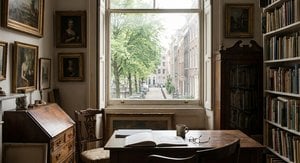
The Interior Gaze: Exploring Representations of Domestic Space in Art History
Explore the fascinating history of domestic interiors in art! From Dutch Masters to Impressionism, discover how artists captured home life & social meaning. Expert analysis and insights at ArtsDot.

Intimate Interiors: Domestic Life & Artistic Representation from Renaissance to Impressionism
Explore the evolution of domestic life in Western art from the Renaissance to Impressionism. Discover symbolism, realism & artistic techniques shaping intimate interior scenes. Learn more with ArtsDot.


