

 Önizleme yap
 Paylaş
 Paylaş
 Detayları Gör

 İndir
İndir
 Benzerlerini gör
 X-Işını
 Slayt Gösterisi
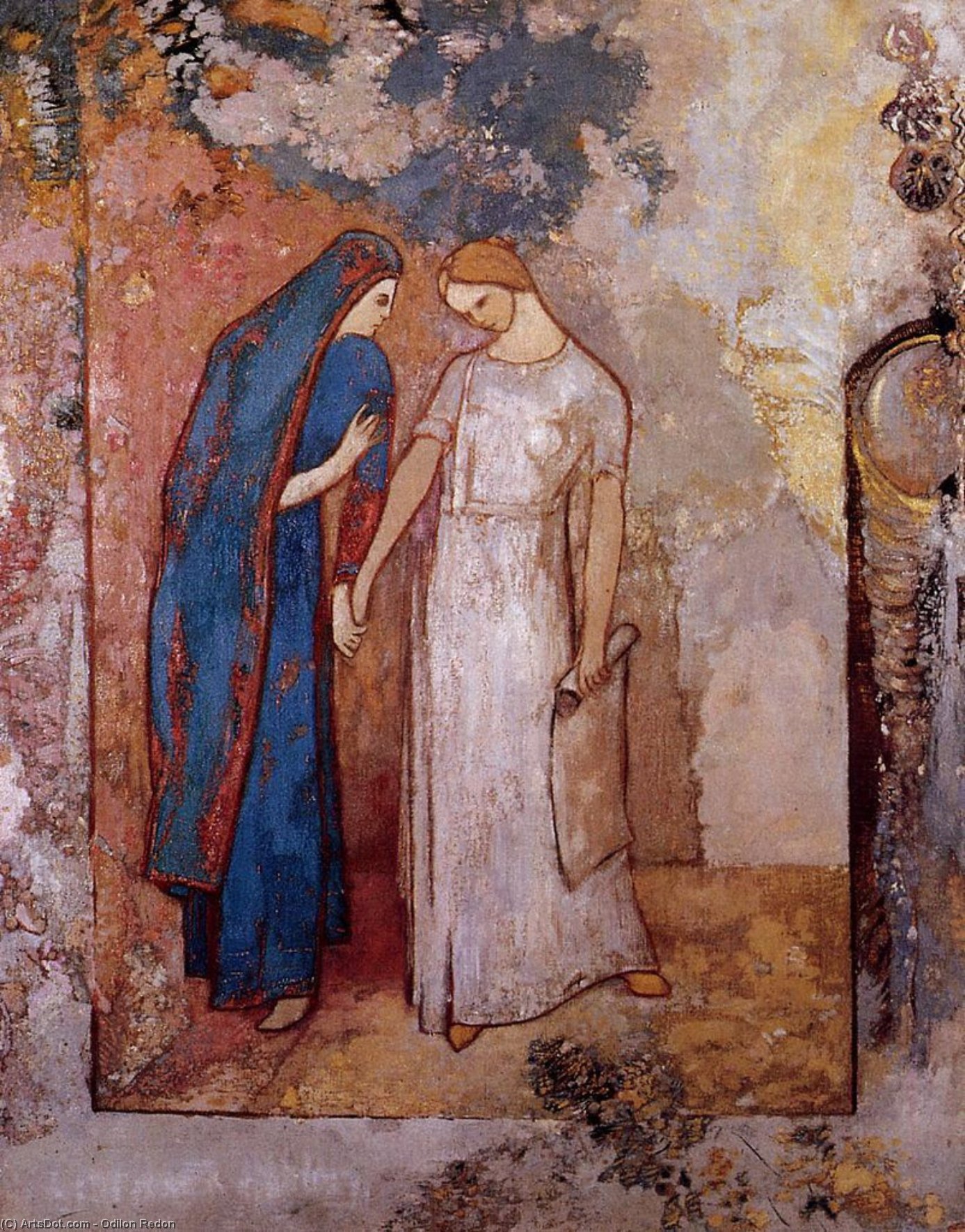
Initiation to Study


 Tümünü Gör
Giclée / Sanat Baskısı
Hızlı üretim ve esnek bitiş seçenekleriyle müze kalitesinde giclée veya kanvas baskı. ( El yapımı tablo satın al Görsel satın al)




P118B $10

P118H $10

P118W $10

P438Z $10

P508JH $12

P508YH $12

P805H $10

P805Z $10

P919BZ $10

P919G $10

P919XJ $10

P959ZH $10

P968JZ $12

W106C $8

W218G $10

W218JH $8

W218Y $10

W307PJ $10

W316G $10

W316PJ $8

W316Y $10

W398PJ $8

W4111J $10

W500HY $15

W500JH $15

W692G $12

W849H $8

W940BG $15

W953PJ $8




Eserin orijinal oranlarıyla uyumlu, önceden belirlenmiş boyutlarımız arasından seçim yapın.

Belirli bir çerçeveye veya alana uyması için kendi ölçülerinizi girebilirsiniz. Seçtiğiniz boyut orijinal görüntünün oranlarıyla eşleşmiyorsa, sanat eserini kırpacağız veya görüntüyü aynalanmış ya da düz dolgulu bir kenarlıkla genişleteceğiz. Üretim başlamadan önce onayınız için bir dijital taslak gönderilecektir.
Lütfen ekrandaki önizlemenin gerçek kırpma veya genişletmeyi yansıtmadığını unutmayın. Nihai kompozisyonu yalnızca taslak doğru bir şekilde gösterecektir.
Özel boyutlar mevcut olsa da, orijinal oranları korumak için önceden tanımlanmış listeden bir boyut seçmenizi öneririz.
Dünya Çapında Teslimat (); standart 4/5 hafta yerine 2 haftada. (17 Ağustos)

Dünya Çapında Ücretsiz Ekspres Kargo

Yüksek Kaliteli Keten Tuval

Tam Kapsamlı Nakliye Sigortası

Gümrük Vergisi İade Garantisi

Gerçek Renk Uyumu Garantisi

60 Günlük İade Politikası (Sadece Kusurlu Ürünler İçin)

%100 Para İade Garantisi

Toplu Alım İndirimi
 Cam seçeneği yalnızca 110 cm altındaki boyutlar için mevcuttur.

Initiation to Study
Giclée / Sanat Baskısı
Reproduksiyon Boyutu
-


Toplam Tutar
$ 62
Eser Açıklaması
The Enigmatic Vision of Odilon Redon
Odilon Redon’s “Initiation to Study,” painted in 1905, isn't merely a depiction of two women; it’s an immersion into the shadowy depths of the Symbolist imagination. Redon, a pivotal figure bridging the late Romanticism and the nascent Surrealism, possessed a singular ability to translate the unseen realms of dreams, anxieties, and spiritual quests onto canvas. This work exemplifies his core aesthetic: a deliberate blurring of reality, where figures emerge from indistinct backgrounds, bathed in muted tones that evoke both melancholy and profound contemplation. It’s a painting that demands – and rewards – prolonged observation, inviting viewers to become active participants in deciphering its layered symbolism.
Symbolism and the Language of the Unseen
The Symbolist movement, which flourished in France during the late 19th century, rejected the objective representation championed by Impressionism. Instead, artists like Redon sought to capture subjective experiences – emotions, memories, and spiritual insights – through evocative imagery and symbolic forms. “Initiation to Study” is steeped in this tradition. The two women, rendered with a delicate softness of form, seem poised on the threshold of knowledge or perhaps even a transformative experience. The doorway they face isn’t simply an architectural element; it represents a portal into another realm, a gateway to understanding and wisdom. The placement of the figures within a hazy, undefined space further emphasizes this sense of transition and uncertainty.
Notice the subtle details: the muted palette dominated by blues, greys, and browns creates a dreamlike atmosphere, reminiscent of ancient frescoes or illuminated manuscripts. The lack of sharp lines and defined features contributes to the painting’s ethereal quality, suggesting that it exists outside the constraints of conventional reality. The smaller figures scattered throughout the scene – perhaps students, scholars, or simply observers – represent the various facets of learning and intellectual pursuit, reinforcing the title's thematic core.
Technique and Artistic Influences
Redon’s masterful technique is evident in his use of oil on canvas. He employs a layering approach, building up color gradually to achieve a rich, textured surface. The brushstrokes are loose and expressive, contributing to the painting's sense of movement and dynamism. His early training in lithography – particularly his work with black chalk (the “noirs”) – profoundly influenced his style, imbuing his paintings with a characteristic darkness and an emphasis on line and form. This influence is subtly present here, even within the predominantly muted color scheme.
Furthermore, Redon’s artistic journey was shaped by encounters with Japanese art, particularly woodblock prints (Japonisme). The flattened perspective, simplified forms, and use of decorative patterns in “Initiation to Study” reflect this influence. He also drew inspiration from the writings of Edgar Allan Poe and other Romantic poets, whose exploration of the subconscious and the supernatural resonated deeply with his artistic vision.
A Timeless Exploration of Knowledge
“Initiation to Study” is more than just a painting; it’s an invitation to contemplate the nature of knowledge, the pursuit of wisdom, and the mysteries of the human psyche. Redon's ability to evoke such profound emotions through seemingly simple imagery speaks to his genius as a Symbolist artist. Reproductions of this captivating work offer a window into a world where dreams and reality intertwine, inviting viewers to embark on their own personal journey of discovery. It remains a powerful testament to the enduring allure of symbolism and the transformative potential of art.
Benzer Eserler


Sanatçı Özgeçmişi
Görünenin Ötesindeki Bir Dünya: Odilon Redon'un Gizemli Sanatı
1840 yılında Fransa'nın Bordeaux kentinde Bertrand-Jean Redon adıyla doğan Odilon Redon, hayal gücünün ve rüyaların görünmez alemlerini somut bir forma dönüştürmaya tutkuyla bağlı bir sanatçıydı. Sanat yolculuğu büyük hırslarla değil, sessiz bir gözlemle başladı; henüz on yaşındayken kazandığı bir çizim ödülü, hayatı boyunca eserlerini tanımlayacak olan görsel hassasiyetin bir habercisiydi. Ailesinin beklentileri doğrultusunda başlangıçta mimariye yönlendirilse de Redon'un gerçek çağrısı başka bir yerde gizliydi; bu çağrı, Jean-Leyon Gérôme'un dersleriyle ve en önemlisi onu etsa ve litografi sanatının karmaşık inceliklerinde yönlendiren Rodolphe Bresdin'in rehberliğiyle aydınlandı. Bu teknikler, erken dönem keşiflerinin temelini oluşturarak onun akademik realizme bir alternatif arayanları kısa sürede büyüleyecek olan gölgeli figürler ve belirsiz formlar dünyasına dalmasına olanak sağladı. Franco-Pruss Savaşı'nın getirdiği kesinti sırasında Redon kısa bir süre orduda görev yapsa da, sanatsal vizyonu asıl olarak Paris'e dönüşüyle birlikte bütünleşmeye başladı.Sembolizmin Doğuşu: ‘Noirs’ ve Erken Dönem Vizyonlar
Redon'un kariyerinin ilk yılları, hakim olan sanatsal akımlardan bilinçli bir geri çekilme ile damgalanmıştı. O, görünen dünyayı kopyalamak yerine, gündelik hayatın yüzeyinin altında yatan gizli akıntıları; yani kaygıları, arzuları ve ruhsal özlemleri uyandırmayı amaçlıyordu. Bu arayış, onu kömür ve litografi ile icra edilen meşhur “noirs” (siyahlar) serisine götürdü. Bunlar sadece karanlık üzerine yapılan çalışmalar değildi; tuhaf yaratıkların, bedensiz gözlerin ve dönen sislerin arasından beliren tekinsiz figürlerin yer aldığı bilinçaltı keşifleriydi. Edgar Allan Poe ve Charles Baudelaire gibi yazarların etkisi burada açıkça hissedilmektedir; korkunç olanla, gizemle ve telkinin gücüyle paylaşılan ortak bir tutku... Bu eserler başlangıçta hemen benimsenmedi; Redon yıllarca büyük ölçüde tanınsız kaldı. Ancak 1lam 1884 yılında Joris-Karl Huysmans’ın *À rebours* (Tersi) adlı romanıyla dönüm noktası yaşandı; romandaki dekadan aristokrat Des Esseintes, Redon'un çizimlerini yücelterek sanatçının avangart çevrelerdeki konumunu anında yükseltti. Bu tanınırlık yeni kapılar açtı ve Redon'un kendine özgü sanatsal dilini daha da geliştirmesine olanak tanıdı. Sanatçısı, eserlerini belirsiz ve tanımlanamaz olarak nitelendirmiş ve bunların “bizi, tıpkı müzik gibi, belirlenmemiş olanın belirsiz alemine yerleştirmesi gerektiğini” belirtmiştir.Bir Paletin Uyanışı: Monokromdan Canlı İfadeye
“Noirs” serisi Redon'u Sembolizmde önemli bir güç olarak konumlandırsa da, sanatı 1890'larda olağanüstü bir dönüşüm geçirdi. Önce pasteller, ardından yağlı boyalar olmak üzere rengi kucaklamaya başladı; kompozisyonlarına yeni bir canlılık ve ışık kattı. Bu değişim sadece teknik bir süreç değildi; sanatçının kendi içindeki evrimleşen duygusal manzarayı yansıtıyordu. Erken dönem eserleri genellikle bir melankoli ve yalnızlık hissi taşıyordu, ancak sonraki tablolar mitolojiye, Budizm'e ve Japon sanatına olan artan ilgiyi ortaya koyuyordu; *Japonizm* bu dönemde önemli bir etkendi. *Buddha'nın Ölümü* (1899) gibi eserler Doğu spiritüalizmine duyulan bu hayranlığı kanıtlarken, Baron Robert de Domecy tarafından şatosu için sipariş edilen parçalar, Redon'un dekoratif unsurları sembolik imgelerle harmanlama yeteneğini sergiler. Baroness de Domecy ve kızı Jeanne'ın portreleri, bu dönemin özellikle çarpıcı örnekleridir; sadece fiziksel benzerliği değil, aynı zamanda içsel bir yaşamın ve psikolojik derinliğin izlerini de yakalarlar. Redon, “görünür olanı görünmez olanın hizmetine sunmayı” amaçlayarak içsel duygularını ve psişesini sanatı aracılığıyla keşfetti.Miras ve Etki: Sürrealizmin Öncüsü
Odilon Redon'un sanat dünyasındaki etkisi kendi yaşam süresinin çok ötesine uzanır. 1903 yılında Legion of Honor ile ödüllendirildi ve çalışmaları 1913'teki New York Armory Show sergileriyle daha geniş bir tanınırlık kazandı. Ancak, gerçek önemi ancak 1916'daki ölümünden sonra tam anlamıyla anlaşıldı. Redon'un rüyaları, bilinçaltını ve irrasyonelliği keşfetmesi Sürrealizm'in yolunu açarak Marcel Duchamp ve Max Ernst gibi sanatçıları benzer temalara yönelmesi için ilham verdi. Öznel deneyime ve duygusal ifadeye verdiği önem, Ekspresyonist ressamlarda da yankı buldu. O sadece gördüğünü betimlemiyordu; hissettiğini görselleştiriyordu ki bu ilke bugün bile sanatçılara ilham vermeye devam ediyor. Redon'un mirası; sanatsal bir cesaret, belirsizliği kucaklama isteği ve sanatın insan deneyiminin gizli boyutlarını açığa çıkarma gücüne olan derin inancıdır. Çizimleri sınıflandırmalara meydan okudu; hastalık ve deliryumdan doğan ancak her zaman tekinsiz bir güzellikle bezeli, eşsiz bir fantastik imge türünün öncüsü oldu.Temel Özellikler ve Temalar
- Sembolizm: Redon, gerçekçi temsilden ziyade duygusal ve ruhsal ifadeye öncelik veren Sembolist hareketin merkezi bir figürü olarak kabul edilir.
- Rüya Benzeri İmgeler: Eserleri genellikle fantastik yaratıklar, belirsiz manzaralar ve rüya atmosferini çağrıştıran sahnelerle karakterize edilir.
- Bilinçaltının Keşfi: Redon; kaygı, arzu ve insan psişesinin gizli derinlikleri temalarına odaklanmıştır.
- Edebiyat ve Mitolojinin Etkisi: Poe ve Baudelaire gibi yazarların yanı sıra Doğu dinlerinden ve mitolojiden ilham almıştır.
- Teknik Yenilik: Redon'un litografi ustalığı ile pastel ve yağlı boyada renkleri yenilikçi kullanımı, sanatsal vizyonunun temel taşlarıydı.

Odilon Redon
1840 - 1916 , Fransa
Kısa Bilgiler
- Artistic Movement Or Style: Sembolizm
- Artists Or Movements Influenced By This Artist:
- Surrealism
- Marcel Duchamp
- Artists Who Influenced This Artist:
- Jean-Léon Gérôme
- Rodolphe Bresdin
- Date Of Birth: 20 Nisan 1840
- Full Name: Odilon Redon
- Nationality: Fransa
- Notable Artworks:
- Centaurs
- Onnes
- Portrait of Ari Redon
- Place Of Birth: Bordo
İlgili Makaleler

White on Canvas: 10 Masterpieces & Timeless Elegance for Your Home Decor
Explore 10 iconic white paintings by Monet, Whistler & Rothko! Discover the stories behind these serene masterpieces and their impact on art history. Find museum-quality reproductions for your home decor at .

Dark Masterpieces: 10 Iconic Paintings Dominated by Black Tones |
Explore 10 iconic paintings dominated by black tones, from Rembrandt’s chiaroscuro to Goya's dark expressions. Discover the stories behind these masterpieces & find museum-quality art reproductions for your home at .

René Magritte'in En İyi 25 Eseri: Sanatın Gizemli Dünyasına Yolculuk | ArtsDot
René Magritte'in en ikonik 25 eserini keşfedin! Sürrealizmin gizemli dünyasına dalın, her tablonun ardındaki hikayeyi öğrenin. Ev dekorasyonunuz için modern sanat baskıları ArtsDot'ta. Koleksiyonu şimdi inceleyin!

Monochrome Visions: Exploring the Aesthetic & Historical Significance of Black & White Photography
Explore the rich history & artistic power of black and white photography. From early techniques to iconic masters like Ansel Adams, discover why monochrome continues to captivate art lovers today. Expert insights for collectors.
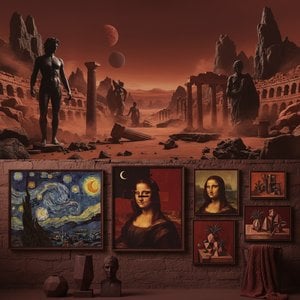
Mars Black Masterpieces: 10 Iconic Paintings & Timeless Art Decor Ideas
Delve into the power of 'Mars Black' with 10 iconic paintings by masters like Rembrandt & Caravaggio. Explore dramatic chiaroscuro, gothic art, and timeless beauty. Find museum-quality reproductions & elevate your home decor on .


