


 Önizleme yap
 Paylaş
 Paylaş
 Detayları Gör

 İndir
İndir
 Benzerlerini gör
 X-Işını
 Slayt Gösterisi
 Stats
StatsZoomorphic figure
 Other
Other 5.0 x 2.0 cm
 National Museum of Colombia
 Tümünü Gör
Giclée / Sanat Baskısı
Hızlı üretim ve esnek bitiş seçenekleriyle müze kalitesinde giclée veya kanvas baskı. ( El yapımı tablo satın al Switch to Digital Image)




































Eserin orijinal oranlarıyla uyumlu, önceden belirlenmiş boyutlarımız arasından seçim yapın.

Belirli bir çerçeveye veya alana uyması için kendi ölçülerinizi girebilirsiniz. Seçtiğiniz boyut orijinal görüntünün oranlarıyla eşleşmiyorsa, sanat eserini kırpacağız veya görüntüyü aynalanmış ya da düz dolgulu bir kenarlıkla genişleteceğiz. Üretim başlamadan önce onayınız için bir dijital taslak gönderilecektir.
Lütfen ekrandaki önizlemenin gerçek kırpma veya genişletmeyi yansıtmadığını unutmayın. Nihai kompozisyonu yalnızca taslak doğru bir şekilde gösterecektir.
Özel boyutlar mevcut olsa da, orijinal oranları korumak için önceden tanımlanmış listeden bir boyut seçmenizi öneririz.
Dünya Çapında Teslimat (); standart 4/5 hafta yerine 2 haftada. (8 Eylül)

Dünya Çapında Ücretsiz Ekspres Kargo

Yüksek Kaliteli Keten Tuval

Tam Kapsamlı Nakliye Sigortası

Gümrük Vergisi İade Garantisi

Gerçek Renk Uyumu Garantisi

100 Günlük İade Politikası (Sadece Kusurlu Ürünler İçin)

%100 Para İade Garantisi

Toplu Alım İndirimi
 Cam seçeneği yalnızca 110 cm altındaki boyutlar için mevcuttur.

Zoomorphic figure
Giclée / Sanat Baskısı
Reproduksiyon Boyutu
-


Toplam Tutar
$ 62
Benzer Eserler


Sanatçı Özgeçmişi
The Golden Legacy of the Muisca
The Muisca culture, also known as Chibcha, represents one of Colombia’s most fascinating pre-Columbian civilizations—a testament to ingenuity and artistic prowess that continues to captivate historians and art enthusiasts alike. Flourishing in the misty altiplano cundiboyacense region from approximately 800 AD to 1537 AD, this confederation of independent tribes achieved remarkable advancements in metallurgy, agriculture, and social organization. Theirs was a world etched in gold, ceramics, and intricate iconography, where every crafted object whispered the sacred secrets of a complex spiritual cosmos.
Emerging from the high Andean highlands, the Muisca people developed a sophisticated societal hierarchy centered around powerful rulers—the Hoa, Psihipqua, and Iraca. These leaders were far more than political administrators; they functioned as divine intermediaries, embodying celestial forces and overseeing the religious rituals that anchored Muisca life. This governance fostered expansive trade networks that bridged diverse Andean communities, facilitating a rich exchange of goods and ideas. While their economy was rooted in the earth—cultivating staples like maize, quinoa, and potatoes—their true artistic soul was found in the mastery of metal, where they transformed raw elements into shimmering symbols of divinity.
A Symphony in Gold and Symbolism
The Muisca’s artistic achievements stand apart as some of the most remarkable feats of pre-Columbian art. Their skill in repoussé—the delicate process of hammering metal into relief—is unparalleled, resulting in exquisitely detailed golden figurines, masks, and jewelry that depict animals, deities, and human figures with astonishing precision. These artworks were not merely decorative; they served as vital conduits for spiritual communication. Through the creation of tunjos—small, votive figures—the Muisca offered pieces of their devotion to the gods, embedding their prayers into the very fabric of their craftsmanship.
Perhaps no object captures the mythic grandeur of this culture better than the Muisca Raft. This legendary piece of goldwork is believed by many scholars to represent the ritualistic origins of the El Dorado legend. It depicts a scene of profound ceremony, likely set within the sacred waters of Lake Guatavita, where a new ruler would be adorned in gold dust before descending into the lake as an offering. This single artifact encapsulates the Muisca's ability to blend high-level metallurgy with deep religious narrative, turning precious metal into a vessel for eternal myth.
Spiritual Cosmos and Lasting Significance
The artistry of the Muisca was inextricably linked to their profound understanding of the universe. Their religion was a complex tapestry of celestial worship, directed toward deities such as Chía, the goddess of the Moon, and Sué, the god of the Sun. This duality of light and shadow, husband and wife, reflected in their art, mirrored the natural rhythms of the Andean landscape. Beyond gold, their creative expression extended into pottery, textiles, and even body art, creating a multi-sensory cultural identity that was as much about texture and pattern as it was about form.
Though the Spanish conquest in the 16th century brought profound disruption to their way of life, the artistic spirit of the Muisca remains unextinguished. Today, the treasures of this civilization are preserved in institutions like the Museo del Oro in Bogotá, where their golden masterpieces continue to serve as a luminous gateway into Colombia’s ancestral soul. The legacy of the Muisca lives on not just in museum halls, but in the enduring cultural identity of the Andean people, reminding the world of a time when gold was not merely wealth, but a sacred language of the divine.

muisca culture
Colombia
Kısa Bilgiler
- Artistic Movement Or Style: Pre-Columbian
- Date Of Birth: (Unknown)
- Date Of Death: (Living)
- Full Name: Muisca Culture
- Nationality: Colombian
- Notable Artworks:
- Necklace of tubular beads
- Zoomorphic figure
- Máscara
- Place Of Birth: Cundinamarca, Colombia
İlgili Makaleler

Golden Glow: How to Use Metallic Gold Artworks to Elevate Your Home Decor with Timeless Luxury
Discover how to elevate your home with the timeless elegance of metallic gold artworks. From sculptural metal pieces to gilded oil paintings, learn expert interior design tips for integrating luxurious gold accents into your space with sophistication and grace.

The Enduring Appeal of Decorative Art: A Historical Survey of Ornamentation, Functionality & Cultural Significance
Explore the rich history of decorative arts with ArtsDot.com. Discover key movements, influential artists, and expert guidance for building a discerning collection. Learn about ornamentation, functionality & cultural significance.

The Allure of Gold in Art History: Symbolism, Technique & Cultural Significance
Explore the rich history of gold in art! Discover symbolism, techniques & cultural significance from ancient civilizations to Klimt's masterpieces. Expert insights for collectors at ArtsDot.
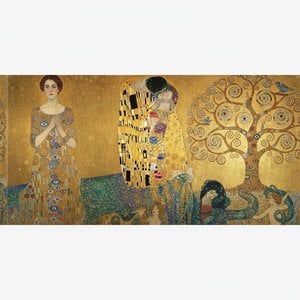
Gustav Klimt'in En İyi 25 Eseri: Sanat, Dekor ve İkonik Güzellik | ArtsDot
Gustav Klimt'in en ikonik 25 eserini keşfedin! Viyana Secession'dan Art Nouveau'ya, altın renklerin büyüsünden sembolizmin derin anlamlarına uzanan bir sanat yolculuğu. Ev dekorasyonunuz için lüks tabloları ArtsDot.com'da inceleyin.

Golden Masterpieces: 10 Paintings That Define Art History | ArtsDot
Explore 10 breathtaking paintings where gold leaf shines! From Klimt to Byzantine icons, discover art history’s most gilded masterpieces. Find museum-quality reproductions & elevate your home decor with ArtsDot. Explore the full collection online.