 Önizleme yap
 Paylaş
 Paylaş
 Detayları Gör

 İndir
İndir
 Benzerlerini gör
 X-Işını
 Slayt Gösterisi
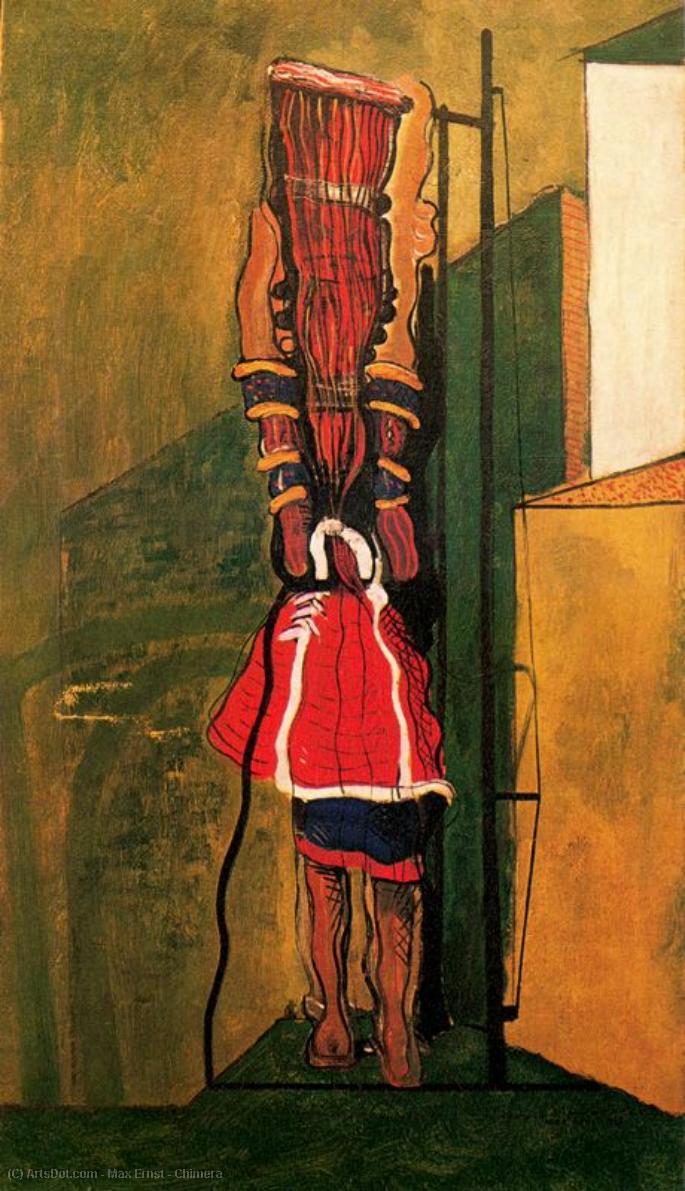
Chimera


 Tümünü Gör
El Yapımı Yağlı Boya Reproduksiyon
Sanatçılarımız tarafından sipariş üzerine hazırlanan; istediğiniz boyut ve çerçevede, tuval üzerine el boyaması yağlı boya. ( Baskı satın al Görsel satın al)




P118B $10

P118H $10

P118W $10

P438Z $10

P508JH $12

P508YH $12

P805H $10

P805Z $10

P919BZ $10

P919G $10

P919XJ $10

P959ZH $10

P968JZ $12

W106C $8

W218G $10

W218JH $8

W218Y $10

W307PJ $10

W316G $10

W316PJ $8

W316Y $10

W398PJ $8

W4111J $10

W500HY $15

W500JH $15

W692G $12

W849H $8

W940BG $15

W953PJ $8




Eserin orijinal oranlarıyla uyumlu, önceden belirlenmiş boyutlarımız arasından seçim yapın.

Belirli bir çerçeveye veya alana uyması için kendi boyutlarınızı girebilirsiniz. Seçtiğiniz boyut orijinal görüntünün oranlarıyla eşleşmiyorsa, sanat eserini kırparak veya ek el boyaması öğelerle resmi uzatarak ayarlayacağız. Üretim başlamadan önce onayınız için dijital bir taslak gönderilecektir.
Lütfen ekrandaki önizlemenin gerçek kırpmayı veya uzatmayı yansıtmadığını unutmayın. Nihai kompozisyonu yalnızca hazırlanan taslak doğru şekilde gösterecektir.
Özel boyutlar mevcut olsa da, orijinal oranları korumak adına önceden tanımlanmış listeden bir boyut seçmenizi öneririz.
Siparişten sonra, ArtsDot.com ekibi talimatlar için müşteriye e-posta gönderecek ve bir taslak önizleme sunacaktır
Dünya Çapında Teslimat (); standart 5 hafta yerine 3/4 haftada. (16 Ağustos). Kaliteden ödün verilmez.

Dünya Çapında Ücretsiz Ekspres Kargo

Yüksek Kaliteli Keten Tuval

Tam Kapsamlı Nakliye Sigortası

Gümrük Vergisi İade Garantisi

Gerçek Renk Uyumu Garantisi

60 Günlük İade Politikası (Sadece Kusurlu Ürünler İçin)

%100 Para İade Garantisi

Toplu Alım İndirimi
 Cam seçeneği yalnızca 110 cm altındaki boyutlar için mevcuttur.

Chimera
Reproduksiyon Tekniği
Reproduksiyon Boyutu
-


Toplam Tutar
$ 263
Eser Açıklaması
A Dreamscape of Disjunction: Max Ernst’s “Chimera”
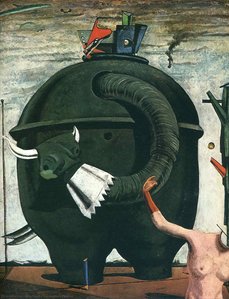
Max Ernst's "Chimera," painted in 1921, isn’t merely a depiction of a scene; it’s an immersion into the fractured logic of the subconscious. This surrealist masterpiece, born from a period of intense artistic and intellectual exploration for Ernst, immediately confronts the viewer with a disorienting yet strangely compelling tableau. The painting presents a solitary figure – seemingly lost in contemplation – positioned before a wall adorned with a chaotic collection of objects: an umbrella tilted at an improbable angle, a chair receding into the distance, and other fragments that defy immediate recognition. It’s a visual riddle, designed not to offer easy answers but to provoke a deeper engagement with the nature of perception and reality itself.
Ernst's genius lies in his masterful manipulation of collage technique, a method he embraced as a means to liberate himself from traditional painting conventions. “Chimera” is a testament to this approach; it’s not painted directly onto canvas but constructed through the layering and juxtaposition of various materials – paper, fabric, wood, and other found objects. This deliberate fragmentation mirrors the fragmented nature of dreams and memories, suggesting that our understanding of the world is inherently unstable and subject to distortion. The resulting texture and visual complexity are deeply evocative, inviting the viewer to trace the lines between the disparate elements and construct their own interpretation.
The Language of Surrealism: Symbolism and Juxtaposition
“Chimera” is a quintessential example of the surrealist movement’s fascination with the irrational and the unconscious. Inspired by artists like Giorgio de Chirico, Ernst sought to tap into the hidden depths of the psyche, bypassing rational thought in favor of intuitive association. The umbrella, for instance, often symbolizes protection or communication, yet here it hangs passively on the wall, stripped of its function and imbued with an unsettling stillness. Similarly, the chair, a symbol of domesticity and stability, is placed in the background, suggesting a detachment from reality and perhaps even a sense of isolation. These carefully chosen juxtapositions create a tension that permeates the entire composition.
The very title, “Chimera,” alludes to the mythical beast—a creature composed of disparate animal parts—representing the composite nature of dreams and the blending of different realities within the mind. Ernst’s use of this mythological reference isn't simply decorative; it underscores the painting’s core theme: the instability of identity and the difficulty of defining a coherent self. The solitary figure, lost in contemplation before this chaotic wall, embodies this struggle – a being adrift in a world where familiar objects hold no fixed meaning.
A Window into the Mind of an Innovator
Understanding “Chimera” requires acknowledging Max Ernst’s broader artistic and intellectual context. Born in Brühl, Germany, in 1891, Ernst was deeply influenced by philosophy, psychology, and literature – fields he pursued with relentless curiosity throughout his life. His early academic training instilled a critical approach to art, prompting him to question established norms and seek new ways of representing the world. “Chimera” reflects this spirit of experimentation, pushing the boundaries of artistic expression and challenging viewers to reconsider their assumptions about what constitutes ‘art’ itself.
The painting's creation coincided with a period of significant upheaval in Europe – the aftermath of World War I and the rise of new political ideologies. Surrealism emerged as a direct response to this climate of uncertainty, offering an alternative mode of expression that embraced the irrational and defied conventional logic. “Chimera” stands as a powerful testament to this movement’s ambition—a visual exploration of the subconscious mind and a bold assertion of artistic freedom.
Bringing "Chimera" Home: Reproduction & Artistic Impact
ArtsDot offers meticulously crafted, hand-painted reproductions of Max Ernst's “Chimera,” allowing you to experience this iconic work in stunning detail. Our artists replicate Ernst’s unique collage technique and evocative use of color with the utmost precision, capturing the painting’s dreamlike atmosphere and unsettling beauty. Whether displayed in a contemporary space or a classic setting, a reproduction of "Chimera" will serve as a captivating focal point, sparking conversation and inviting contemplation.
Beyond its aesthetic appeal, “Chimera” remains a profoundly resonant work of art—a poignant reflection on the nature of reality, identity, and the human condition. It’s an invitation to step outside the confines of rational thought and embrace the mysteries of the subconscious. Explore our collection today and bring this extraordinary piece into your world.
Benzer Eserler


Sanatçı Özgeçmişi
Max Ernst: Rüya ve Yaratıcılığın Sınırlarını Aşmak
Max Ernst, 1 Nisan 1891’de Brühl, Almanya'da doğan Maximilian Maria Ernst, 20. yüzyıl sanatının en etkileyici figürlerinden biri olmaya yazgılıydı. Sanat yolculuğu, geleneksel bir eğitimden ziyade, felsefi sorgulamalarla, psikolojik merakla ve toplumsal normlara karşı derin bir hoşnutsuzlukla beslenen kendi kendine yönlendirilen bir keşif olarak başladı. Babasının, duyma engelli insanlara ders veren ve amatör bir ressam olan babası, hem dünyaya karşı hassasiyetini hem de yerleşik otoriteye karşı isyankar ruhunu aşıladı. Bu erken dönemdeki ikilik, sanat vizyonunun tanımlayıcı bir özelliği haline gelecekti.
Ernst’ın Bonn Üniversitesi'ndeki akademik çalışmaları – felsefe, sanat tarihi, edebiyat, psikoloji ve psikiyatriyi kapsayan – sadece boş zaman aktiviteleri değil, daha sonraki çalışmalarını derinden etkileyen temel unsurlardı. Sadece resim yapmayı öğrenmekle kalmayıp, nedenini sorguluyordu. Bu entelektüel merak, onu 1912 yılında Köln’deki Sonderbund sergisinde Picasso, Van Gogh ve Gauguin'in çığır açan eserleriyle tanışmaya götürdü; bu an, sanatının gidişatını geri dönüşü olmayan bir şekilde değiştirdi. Modernizmin tohumları ekilmişti.
Dada’nın Kırılması ve Gerçeküstücü Vizyonların Doğuşu
Birinci Dünya Savaşı'nın yıkıcı etkisi, Ernst için bir dönüm noktası oldu. Hem Doğu hem de Batı cephelerindeki asker olarak yaşadığı deneyimler, onu yerleşik düzene karşı derin bir şüpheciliğe ve yeni ifade biçimlerine duyulan özleme yöneltti. Bu hoşnutsuzluk, 1918'de Köln'e döndükten sonra hızla yükselen Dada hareketinde verimli bir zemin buldu. Hans Arp ile birlikte Ernst, geleneksel sanatsal normları reddederek ve anlamsızlığı, şans eseri oluşumu ve anti-rasyonelliği kucaklayarak Köln Dada grubunun merkezi figürlerinden biri haline geldi.
Ancak Dada sadece bir basamak oldu. 1920'lerin başlarında Ernst Paris'e göç etti ve André Breton liderliğindeki Gerçeküstücü akımın saflarına katıldı. Bu, rüyaların alanını, bilinçaltını ve irrasyonel olanı keşfetmeye doğru bir kaymayı işaret ediyordu. Sigmund Freud’un psikanalitik teorilerinden etkilenen Ernst, sanatıyla insan deneyiminin gizli derinliklerini açığa çıkarmayı amaçladı. Gerçeği göründüğü gibi değil, onu şekillendiren altta yatan psikolojik güçleri ortaya koymakla ilgileniyordu.
Yenilikçi Teknikler: Frottage, Grattage ve Kolaj
Ernst’ın sanatsal yeniliği konu başlığının ötesine geçti; o bitmek bilmeyen bir deneme ustasıydı. Mevcut yöntemleri sadece benimsemekle kalmayıp yeni olanları icat etti. Belki de en ünlü katkısı, beklenmedik ve etkileyici görüntüler yaratmak için yüzeylere kalem veya kömür sürerek oluşturulan frottage tekniğidir. Bir anlık sıkıntıdan doğan bu teknik – ahşap tahılını gözlemleyerek – bilinçaltına ulaşmasını sağladı ve bilinçli kontrolü aşan formlar üretti. Yakın ilişkili olan grattage ise, boyanın tuvalin altındaki katmanlarını ortaya çıkaran bir yüzeyi kazıma işlemidir.
Aynı zamanda kolajı ustaca kullandı; dergi görselleri, bilimsel çizimler ve fotoğraflar gibi farklı unsurları, geleneksel temsili kavramları zorlayan gerçeküstü kompozisyonlara bir araya getirdi. Bu teknikler sadece stilistik seçimler değildi; bilinçaltını keşfetme ve geleneksel sanatsal sınırları bozma arzusunun ayrılmaz bir parçasıydı. Resimleri genellikle tekrar eden sembolik imgeler içerir: kuşlar (özellikle onun alter egosu Loplop), ıssız manzaralar, rahatsız edici zıtlıklar ve yaygın bir gizem duygusu.
Yenilik ve Etki Mirası
II. Dünya Savaşı'nın patlak vermesi Ernst’ı Avrupa’dan kaçırmaya zorladı; Amerika Birleşik Devletleri’nde sığınak buldu. Sürgünde de yeni tekniklerle denemeye devam etti, savaşın ardından Fransa’ya geri döndü ve ölümüne kadar aktif kaldı (1 Nisan 1976, Paris). Sonraki nesiller sanatçıları üzerindeki etkisi ölçülemez.
Max Ernst'ın Dada ve Gerçeküstücülüğe katkıları çığır açıcı nitelikteydi. Sanatsal normlara meydan okudu, bilinçaltının derinliklerine daldı ve günümüzde de sanatçıları ilham veren yenilikçi teknikler icat etti. O sadece bir ressam değil; aynı zamanda bir kaşif, bir kışkırtıcı ve sanatı kendisi genişleten bir vizyonerdi. Çalışmaları, hayal gücünün gücüne, irrasyonelin çekiciliğine ve insan zihliyetinin karmaşıklıklarını anlamaya yönelik bitmeyen arayışa dair bir kanıt olmaya devam ediyor.
- Başlıca Eserler: The Entire City, Euclides, Of This Men Shall Know Nothing, Forest and Dove
- Etkilenen Sanatçılar: Pablo Picasso, Vincent van Gogh, Paul Gauguin, Sigmund Freud, Giorgio de Chirico
- Akımlar: Dada, Gerçeküstücülük

Max Ernst
1891 - 1976 , Almanya
Kısa Bilgiler
- Doğum Tarihi: 1 Nisan 1891
- Doğum Yeri: Brühl, Almanya
- Etkilediği Akımlar:
- Sürrealizm
- Dada
- Etkilenen Sanatçılar:
- Pablo Picasso
- Paul Éluard
- Salvador Dalí
- Sanatsal Akım: Dada, Sürrealizm
- Tam Adı: Max Ernst
- Uyruk: Alman-Amerikalı, Fransız
- Ölüm Tarihi: 1 Nisan 1976
- Önemli Eserler:
- Ofrenda funeraria
- The Equivocal Woman
- L'Ange du foyer
İlgili Makaleler
Max Ernst'in En İyi 25 Eseri: Sürrealizmin Derinliklerinde Sanat ve Dekor Rehberi
Max Ernst'in en iyi 25 eserini keşfedin! Sürrealizmin büyülü dünyasına dalın, resimlerin ardındaki hikayeleri öğrenin ve evinizi modern sanatla zenginleştirin. Yüksek kaliteli tablolar ArtsDot.com’da.

René Magritte'in En İyi 25 Eseri: Sanatın Gizemli Dünyasına Yolculuk | ArtsDot
René Magritte'in en ikonik 25 eserini keşfedin! Sürrealizmin gizemli dünyasına dalın, her tablonun ardındaki hikayeyi öğrenin. Ev dekorasyonunuz için modern sanat baskıları ArtsDot'ta. Koleksiyonu şimdi inceleyin!

Sürrealizmin Zirveleri: Evinizi Sanatla Tanıştıran 10 Eser
Sürrealizmin en etkileyici 10 başyapıtını keşfedin! Dali, Magritte ve daha fazlasının rüya gibi dünyasına dalın. Sanat tarihini öğrenin ve evinizi ArtsDot.com'dan kaliteli sanatla dekore edin.
Dreamscapes & Disrupted Realities: Exploring Surrealism's Enduring Influence
Explore the fascinating world of Surrealism! Discover its origins, key artists like Dalí & Magritte, and enduring influence on art & culture. Expert insights & high-quality reproductions at ArtsDot.

The Gilded Age Reimagined: Exploring the Aesthetic Principles & Enduring Legacy of Art Deco
Explore the captivating world of Art Deco! Discover its origins, defining features, cultural impact & enduring legacy. Expert insights for collectors and design enthusiasts. Shop handmade reproductions at ArtsDot.