

 Önizleme yap
 Paylaş
 Paylaş
 Detayları Gör

 İndir
İndir
 Benzerlerini gör
 X-Işını
 Slayt Gösterisi
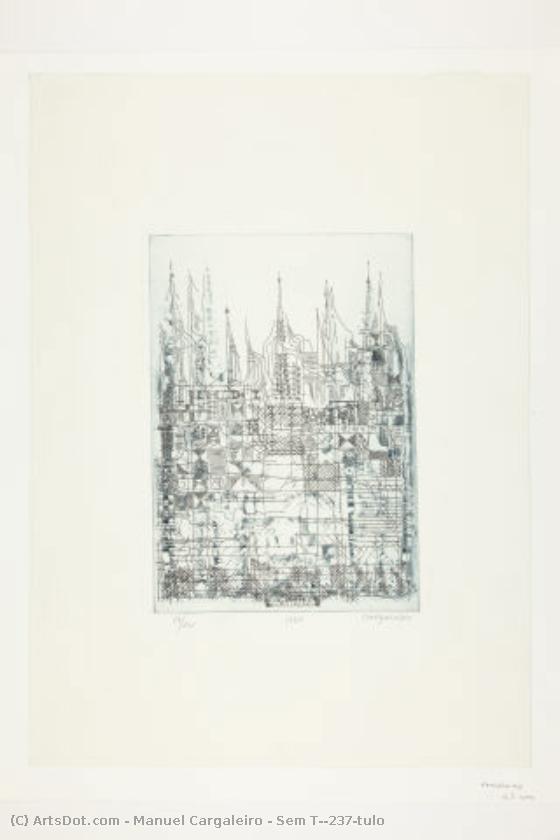
Sem Título
 Surrealism
 1982
1982 67.0 x 49.0 cm
 Calouste Gulbenkian Müzesi
 Tümünü Gör
El Yapımı Yağlı Boya Reproduksiyon
Sanatçılarımız tarafından sipariş üzerine hazırlanan; istediğiniz boyut ve çerçevede, tuval üzerine el boyaması yağlı boya. ( Baskı satın al Görsel satın al)




































Eserin orijinal oranlarıyla uyumlu, önceden belirlenmiş boyutlarımız arasından seçim yapın.

Belirli bir çerçeveye veya alana uyması için kendi boyutlarınızı girebilirsiniz. Seçtiğiniz boyut orijinal görüntünün oranlarıyla eşleşmiyorsa, sanat eserini kırparak veya ek el boyaması öğelerle resmi uzatarak ayarlayacağız. Üretim başlamadan önce onayınız için dijital bir taslak gönderilecektir.
Lütfen ekrandaki önizlemenin gerçek kırpmayı veya uzatmayı yansıtmadığını unutmayın. Nihai kompozisyonu yalnızca hazırlanan taslak doğru şekilde gösterecektir.
Özel boyutlar mevcut olsa da, orijinal oranları korumak adına önceden tanımlanmış listeden bir boyut seçmenizi öneririz.
Siparişten sonra, ArtsDot.com ekibi talimatlar için müşteriye e-posta gönderecek ve bir taslak önizleme sunacaktır
Dünya Çapında Teslimat (); standart 5 hafta yerine 3/4 haftada. (19 Ağustos). Kaliteden ödün verilmez.

Dünya Çapında Ücretsiz Ekspres Kargo

Yüksek Kaliteli Keten Tuval

Tam Kapsamlı Nakliye Sigortası

Gümrük Vergisi İade Garantisi

Gerçek Renk Uyumu Garantisi

60 Günlük İade Politikası (Sadece Kusurlu Ürünler İçin)

%100 Para İade Garantisi

Toplu Alım İndirimi
 Cam seçeneği yalnızca 110 cm altındaki boyutlar için mevcuttur.

Sem Título
Reproduksiyon Tekniği
Reproduksiyon Boyutu
-


Toplam Tutar
$ 263
Benzer Eserler


![Abstract Composition [triptych] — Vaclav Vytlacil, Abstract Expressionism](/media/artworks/images/thumbnails/e5/3d/e53db42ea02644b9a8e722f9d4dd3742.jpg)
Sanatçı Özgeçmişi
The Soul of Geometry: The Artistic Odyssey of Manuel Cargaleiro
In the vast tapestry of twentieth-century art, few threads are as vibrant or as structurally profound as those woven by Manuel Cargaleiro. Born in 1927 in the serene landscape of Vila Velha de Ródão, Portugal, Cargaleiro emerged not from the rigid confines of formal academies, but as a brilliant autodidact, a self-taught visionary who allowed his intuition to guide his brush and clay. His journey was one of constant metamorphosis, moving between the tactile earthiness of ceramics and the ethereal expansiveness of painting. To look upon his work is to witness a dialogue between the ancient traditions of the Iberian Peninsula and the cutting-scale abstractions of the modern era, a seamless blend where the weight of history meets the lightness of geometric thought.
Cargaleiro’s artistic language was deeply rooted in the azulejo—the iconic Portuguese ceramic tiles that carry the echoes of Arab craftsmanship. However, he did not merely replicate tradition; he revolutionized it. By treating the tile as a modular unit of a much larger, dynamic composition, he transformed static surfaces into breathing landscapes of color and form. This fascination with the decorative arts was balanced by his profound engagement with the École de Paris. Settling in France in 1957, he found himself immersed in an atmosphere of avant-garde experimentation. The works of masters such as Robert Delaunay, Max Ernst, Victor Vasarely, and Paul Klee acted as celestial guides, teaching him how to utilize primary colors and geometric modules to suggest movement, depth, and a rhythmic pulse within a two-dimensional plane.
A Legacy Carved in Clay and Color
The true magic of Cargaleiro’s oeuvre lies in his ability to evoke spatial dynamism through simplified shapes. His compositions often feel as though they are in a state of perpetual motion, where a single line or a bold block of color can trigger a sense of cosmic expansion. This mastery of lyrical abstraction allowed him to communicate complex emotional truths through the most fundamental visual elements. Whether he was working on large-scale frescoes—such as his celebrated contribution to the Champs-Elysées Clémenceau subway station in Paris—or intimate etchings, his dedication to the interplay of light and geometry remained unwavering.
His achievements were recognized far beyond the borders of Portugal, earning him prestigious decorations and honors across France and Italy. His life’s work was not merely a collection of objects, but an institutional legacy, evidenced by the Foundation-Museum Manuel Cargaleiro, which stands as a testament to his generosity and his commitment to preserving the art of ceramics. As we reflect on his passing in June 2024, we see an artist who successfully bridged the gap between the artisanal and the avant-garde, leaving behind a world that is infinitely more colorful, structured, and profound.
Key Milestones of His Career:
- Self-Taught Beginnings: Developed a unique aesthetic through personal exploration and observation.
- Mastery of Azulejo: Elevated Portuguese ceramic tile art into a sophisticated medium for modern abstraction.
- Parisian Influence: Integrated the principles of the École de Paris, focusing on spatial dynamism and primary color palettes.
- Public Artistry: Created monumental works, including iconic frescoes for the Paris Metro.
- Institutional Impact: Established a lasting legacy through the creation of museums and foundations dedicated to ceramic excellence.

Manuel Cargaleiro
1927 - , Portugal
Kısa Bilgiler
- Artistic Movement Or Style: Geometric abstraction
- Artists Or Movements Influenced By This Artist: ['École de Paris']
- Artists Who Influenced This Artist:
- Delaunay
- Ernst
- Vasarely
- Klee
- Date Of Birth: 1927
- Full Name: Manuel Cargaleiro
- Nationality: Portuguese
- Notable Artworks:
- Sem Título
- Estudo Raionista
- Paisagem do meu Jardim
- Place Of Birth: Vila Velha de Ródão, Portugal
İlgili Makaleler

Etching Masters: 10 Legendary Prints That Revolutionized Art | ArtsDot
Journey through 10 legendary etching masterpieces by Rembrandt, Dürer & Goya. Explore the history of printmaking and discover timeless art for your home. Find museum-quality reproductions at ArtsDot.com.

Soyut Ekspresyonizmin İzinden: Sanat Tarihini Derinleştiren 10 Başyapıt
Soyut Ekspresyonizmin zirvesi! Pollock, Rothko ve daha fazlasıyla sanat tarihini şekillendiren 10 başyapıtı keşfedin. Sanatçı hikayeleri, renklerin gücü ve evinizi dönüştürecek müze kalitesinde reprodüksiyonlar için ArtsDot.com'u ziyaret edin.

Etching: A Historical Survey of Technique, Aesthetic Qualities & Enduring Artistic Significance
Explore the rich history of etching, from its origins to Rembrandt's masterful innovations. Discover the technique, aesthetic qualities & enduring legacy of this captivating art form. Expert insights for collectors and enthusiasts.

Geometrik Soyutlamanın Öncü Eserleri: Sanat Tarihinin İzinde 🖼️🎨
Geometrik Soyutlamanın 10 başyapıtını keşfedin! Mondrian, Malevich ve Kandinsky gibi sanatçıların ikonik eserleriyle modern sanatın derinliklerine yolculuk edin. Evinizi lüks sanat baskılarıyla renklendirin. ArtsDot.com'da tüm koleksiyonu inceleyin!

The Intricate World of Etching: A Historical Survey of Technique, Aesthetic Evolution, and Enduring Artistic Impact
Explore the rich history of etching, from its origins to modern practice. Discover techniques, key artists like Rembrandt, and insights for collectors. A comprehensive guide by ArtsDot.

