


 Önizleme yap
 Paylaş
 Paylaş
 Detayları Gör

 İndir
İndir
 Benzerlerini gör
 X-Işını
 Slayt Gösterisi
Peppers
 Oil On Canvas
- WallArt
- Impressionism
 1903
1903- 19th Century
 96.0 x 130.0 cm
 Hispanic Society Museum - Library
 Tümünü Gör
Giclée / Sanat Baskısı
Hızlı üretim ve esnek bitiş seçenekleriyle müze kalitesinde giclée veya kanvas baskı. ( El yapımı tablo satın al Görsel satın al)




































Eserin orijinal oranlarıyla uyumlu, önceden belirlenmiş boyutlarımız arasından seçim yapın.

Belirli bir çerçeveye veya alana uyması için kendi ölçülerinizi girebilirsiniz. Seçtiğiniz boyut orijinal görüntünün oranlarıyla eşleşmiyorsa, sanat eserini kırpacağız veya görüntüyü aynalanmış ya da düz dolgulu bir kenarlıkla genişleteceğiz. Üretim başlamadan önce onayınız için bir dijital taslak gönderilecektir.
Lütfen ekrandaki önizlemenin gerçek kırpma veya genişletmeyi yansıtmadığını unutmayın. Nihai kompozisyonu yalnızca taslak doğru bir şekilde gösterecektir.
Özel boyutlar mevcut olsa da, orijinal oranları korumak için önceden tanımlanmış listeden bir boyut seçmenizi öneririz.
Dünya Çapında Teslimat (); standart 4/5 hafta yerine 2 haftada. (15 Ağustos)

Dünya Çapında Ücretsiz Ekspres Kargo

Yüksek Kaliteli Keten Tuval

Tam Kapsamlı Nakliye Sigortası

Gümrük Vergisi İade Garantisi

Gerçek Renk Uyumu Garantisi

60 Günlük İade Politikası (Sadece Kusurlu Ürünler İçin)

%100 Para İade Garantisi

Toplu Alım İndirimi
 Cam seçeneği yalnızca 110 cm altındaki boyutlar için mevcuttur.

Peppers
Giclée / Sanat Baskısı
Reproduksiyon Boyutu
-


Toplam Tutar
$ 62
Eser Açıklaması
Peppers by Joaquín Sorolla y Bastida: A Study in Light and Life
“Peppers,” painted in 1903 by the renowned Spanish artist Joaquín Sorolla y Bastida, is a captivating example of his signature style – capturing fleeting moments of everyday life with remarkable luminosity. Housed within the esteemed Hispanic Society of America in New York City, this oil on canvas masterpiece (measuring 96 x 130 cm) exemplifies Sorolla’s ability to transform ordinary subjects into extraordinary works of art.
Artistic Style and Technique
Impressionism's Embrace: Sorolla was a leading figure in the Impressionist movement, though he often transcended strict categorization. “Peppers” showcases his distinctive approach: bold brushstrokes, vibrant colors, and an acute observation of light’s effects. Unlike some Impressionists who focused on landscapes, Sorolla excelled at depicting scenes from Spanish life – portraits, beaches, and still lifes like this one.
The Dance of Light: The painting's brilliance lies in its masterful handling of light. Sorolla doesn’t merely depict peppers; he captures the way sunlight illuminates their surfaces, creating a dazzling interplay of highlights and shadows. This technique lends the composition depth and a sense of immediacy, as if the viewer is witnessing the scene unfold in real-time.
- Color Palette: The use of warm yellows, oranges, and reds for the peppers contrasts beautifully with the darker tones of the background, further emphasizing their vibrancy.
- Brushwork: Noticeable brushstrokes add texture and movement to the painting, preventing it from appearing static or overly polished.
Subject Matter and Composition
The still life centers around a collection of peppers arranged in what appears to be a rustic setting. The composition is simple yet effective; the peppers are positioned against a muted background, drawing the viewer’s eye directly to their form and color. While seemingly straightforward, Sorolla imbues the scene with a sense of quiet dignity.
- Everyday Beauty: The choice of subject matter—common vegetables—reflects Sorolla's commitment to finding beauty in the ordinary aspects of Spanish life.
- Compositional Balance: Despite its simplicity, the arrangement of the peppers demonstrates a careful consideration of balance and visual harmony.
Historical Context and Symbolism
Painted during Spain’s Golden Age revival in the early 20th century, “Peppers” reflects a renewed interest in traditional Spanish culture. Sorolla's work often celebrated the country’s landscapes, people, and customs. While not overtly symbolic, the peppers themselves can be interpreted as representing abundance, nourishment, and the bounty of the land.
- Spanish Identity: The painting contributes to a broader artistic movement that sought to define and celebrate Spanish national identity.
- Rural Life: It offers a glimpse into the everyday lives of ordinary Spaniards, showcasing their connection to nature and agriculture.
Emotional Impact and Legacy
“Peppers” evokes a sense of warmth, tranquility, and appreciation for simple pleasures. The painting’s luminous quality creates an uplifting atmosphere, inviting viewers to pause and savor the beauty of the moment. Sorolla's ability to capture such profound emotion through seemingly mundane subjects is what makes “Peppers,” and his other works, so enduringly appealing.
A Lasting Impression: Joaquín Sorolla’s legacy as one of Spain’s most beloved artists continues to grow. "Peppers" stands as a testament to his skill, vision, and unwavering dedication to capturing the essence of life in all its radiant glory.
Benzer Eserler


Sanatçı Özgeçmişi
Joaquín Sorolla y Bastida - A Life Bathed in Light
Joaquín Sorolla y Bastida, a name synonymous with the radiant light and vibrant energy of Spain, was more than just a painter; he was a chronicler of his nation’s soul. Born in Valencia in 1863, Sorolla's early life was marked by tragedy. Orphaned at the tender age of two following a cholera epidemic that claimed both parents, young Joaquín and his sister were raised by their maternal aunt and uncle. This early experience with loss perhaps instilled within him a profound appreciation for the fleeting beauty of life – a sentiment that would permeate his art. Though hardship shadowed his beginnings, it did not dim the spark of artistic talent that quickly became apparent. He received initial instruction in Valencia, demonstrating an aptitude that led to studies under established artists like Cayetano Capuz and José Benlliure, eventually culminating in a four-year grant to study in Rome. It was there, amidst the classical grandeur of Italy, that Sorolla began to forge his unique artistic path, absorbing influences while simultaneously developing a style distinctly his own.Early Life and Influences
Joaquín Sorolla’s formative years were shaped by profound loss and circumstance. Born into a modest Valencian family, he endured the devastating impact of cholera when both his parents succumbed to illness at just two years old. His sister survived, but their upbringing was overseen by their maternal aunt and uncle—a poignant reminder of resilience amidst adversity. This early exposure to sorrow undoubtedly fostered within him an unwavering dedication to capturing life’s ephemeral splendor – a preoccupation that would become central to his artistic vision. Recognizing his exceptional talent from a young age, Sorolla pursued formal training diligently, commencing his artistic education at Valencia's School of Artisans and subsequently honing his skills under the tutelage of prominent Valencian painters like Cayetano Capuz and José Benlliure. His ambition extended beyond local instruction; he traveled to Madrid where he immersed himself in the masterpieces housed within the Museo del Prado, absorbing the stylistic innovations of artists such as Francisco Goya and Diego Velázquez—figures whose mastery of light and composition would profoundly influence his own artistic endeavors.Rome and Impressionistic Awakening
A pivotal moment arrived when Sorolla secured a prestigious scholarship to study painting in Rome in 1884. This journey marked not merely an academic pursuit but also a transformative encounter with the burgeoning artistic currents of Europe—particularly Impressionism. Surrounded by fellow artists experimenting with innovative techniques, Sorolla was captivated by exhibitions showcasing Jules Bastien-Lepage and Adolf von Menzel, whose groundbreaking explorations of light and color challenged traditional conventions. He embraced these influences wholeheartedly, abandoning academic realism for a looser, more expressive style characterized by visible brushstrokes—a stylistic decision that would solidify his position as one of Spain’s foremost Impressionists. The Roman landscape itself served as an inspiration, prompting Sorolla to depict the sun-drenched vistas of Lazio with breathtaking vibrancy and immediacy.The Valencian Coast: A Painter's Obsession
Sorolla’s artistic focus soon centered on the Valencian coast—a region he regarded as a crucible of beauty and vitality. Driven by an irresistible impulse to capture the essence of Mediterranean life, he embarked upon countless expeditions to paint *en plein air*, immersing himself in the intense sunlight and captivating atmosphere of his homeland. This dedication to outdoor painting resulted in a prolific output of canvases depicting beaches, fishermen’s villages, and portraits of local residents—works imbued with an unparalleled sense of spontaneity and emotional depth. Sorolla's technique became instantly recognizable – a bravura display of brushwork, characterized by loose, energetic strokes that conveyed movement and atmosphere. He wasn’t merely *depicting* light; he was attempting to *capture* its very essence, the way it danced on water, illuminated skin, and transformed ordinary moments into scenes of extraordinary beauty. His canvases shimmer with color—a testament to his masterful manipulation of pigments and his unwavering commitment to conveying the immediacy of perception.Major Achievements and Legacy
Sorolla’s artistic career spanned decades and encompassed numerous accolades and commissions. He achieved considerable renown during his lifetime, securing prestigious awards at exhibitions across Europe and establishing himself as a celebrated figure in the international art world. His monumental murals commissioned by the Hispanic Society of America—known collectively as *Vision of Spain*—remain an enduring symbol of his artistic ambition and technical prowess. Completed posthumously, these canvases represent Sorolla’s magnum opus—a breathtaking panorama of Spanish landscapes and cultural traditions rendered with unparalleled luminosity and detail. Today, Sorolla's paintings are housed in prominent museums worldwide—including the Museo Sorolla in Madrid—where they continue to inspire admiration for his artistic vision and unwavering devotion to capturing the sublime beauty of the natural world. He stands as a beacon of Luminism—a painter whose legacy transcends time, reminding us that art possesses the power to illuminate our understanding of both humanity and the environment.
Joaquín Sorolla
1863 - 1923 , İspanya
Kısa Bilgiler
- Artistic Movement Or Style: Luminizm ve Empresyonizm
- Artists Who Influenced This Artist:
- Francisco Pradilla
- Jules Bastien-Lepage
- Adolph von Menzel
- Date Of Birth: 27 Şubat 1863
- Date Of Death: 10 Ağustos 1923
- Full Name: Joaquín Sorolla y Bastida
- Nationality: İspanyol
- Notable Artworks:
- İtalyan Kızı Çiçeklerle
- Denizcilik Zamanı
- Mutlu Miras
- Place Of Birth: Valencia, İspanya
İlgili Makaleler
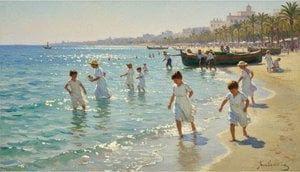
Joaquín Sorolla: Capturing Spanish Light & Life – A Legacy of Impressionism
Explore the luminous world of Joaquín Sorolla, Spanish master of Impressionism. Discover his life, techniques & legacy – a guide for art collectors and enthusiasts. Invest in timeless beauty.

Paul Cézanne'ın En İyi 25 Eseri: Sanat Tarihinin İkonik Yapıtları ve Ev Dekorasyonu İçin İlham Veren Seçkiler
Paul Cézanne'ın en iyi 25 eserini keşfedin! Modern sanatın öncüsü Cézanne'ın post empresyonist tabloları, natürmortları ve renkli manzaralarıyla evinizi sanatsal bir atmosfere taşıyın. ArtsDot.com'da yüksek kaliteli sanat baskıları ve dekor fikirleri sizi bekliyor.

Manuel Benedito Vives: A Study of Light, Color & Emotional Resonance in Contemporary Spanish Painting
Explore the captivating world of Manuel Benedito Vives, a celebrated Spanish painter influenced by Sorolla. Discover his masterful portraits, luminous landscapes & enduring legacy – a favorite of the Spanish Royal Family. Art collectors will appreciate this in-depth study.

Impressionism's Masterpieces: 10 Paintings That Defined a Movement | ArtsDot
Journey through Impressionism's heart with 10 iconic paintings by Monet, Renoir & Degas. Explore light, color & the stories behind these masterpieces. Find museum-quality art reproductions and elevate your home decor on ArtsDot.com.

Silent Narratives: Exploring the Enduring Appeal of Still Life Painting Across Centuries
Explore the rich history of still life painting with ArtsDot. Discover Dutch Masters, decode vanitas symbolism & learn about collecting timeless art. Expert insights and museum-quality reproductions.



