


 Önizle
 Gönder
 Paylaş
 Detaylar
 Rehber

 Dosyayı İndir
 Benzerleri
 X-Işını
 Slayt Gösterisi
 İstatistikler
Pierrot et Squelettes

 Devamını Oku
Giclée / Sanat Baskısı
Hızlı üretim ve esnek bitiş seçenekleriyle müze kalitesinde giclée veya kanvas baskı. ( El Yapımı Tablo Satın Al Dijital Görsel Satışına Geç)




P118B ₺10

P118H ₺10

P118W ₺10

P438Z ₺10

P508JH ₺12

P508YH ₺12

P805H ₺10

P805Z ₺10

P919BZ ₺10

P919G ₺10

P919XJ ₺10

P959ZH ₺10

P968JZ ₺12

W106C ₺8

W218G ₺10

W218JH ₺8

W218Y ₺10

W307PJ ₺10

W316G ₺10

W316PJ ₺8

W316Y ₺10

W398PJ ₺8

W4111J ₺10

W500HY ₺15

W500JH ₺15

W692G ₺12

W849H ₺8

W940BG ₺15

W953PJ ₺8




Eserin orijinal oranlarıyla uyumlu, önceden belirlenmiş boyutlarımız arasından seçim yapın.

Belirli bir çerçeveye veya alana uyması için kendi ölçülerinizi girebilirsiniz. Seçtiğiniz boyut orijinal görüntünün oranlarıyla eşleşmiyorsa, sanat eserini kırpacağız veya görüntüyü aynalanmış ya da düz dolgulu bir kenarlıkla genişleteceğiz. Üretim başlamadan önce onayınız için bir dijital taslak gönderilecektir.
Lütfen ekrandaki önizlemenin gerçek kırpma veya genişletmeyi yansıtmadığını unutmayın. Nihai kompozisyonu yalnızca taslak doğru bir şekilde gösterecektir.
Özel boyutlar mevcut olsa da, orijinal oranları korumak için önceden tanımlanmış listeden bir boyut seçmenizi öneririz.
Dünya Çapında Teslimat (); standart 4/5 hafta yerine 2 haftada. (12 Ekim)

Dünya Çapında Ücretsiz Ekspres Kargo

Yüksek Kaliteli Keten Tuval

Tam Nakliye Sigortası

Gümrük Vergisi İadesi Garantisi

Gerçek Renk Uyumu Garantisi

100 Günlük İade Koşulları (Sadece Üretim Hatalı Ürünler İçin)

%100 Para İade Garantisi

Toplu Alım Avantajı
 Cam seçeneği yalnızca 110 cm altındaki boyutlar için mevcuttur.

Pierrot et Squelettes
Giclée / Sanat Baskısı
Baskı Boyutu
-


Toplam Fiyat
₺ 3014
A Portrait of Darkness Embraced by Illusion
James Ensor’s “Pierrot et Squelettes” isn't merely a painting; it’s an unsettling meditation on mortality and the deceptive allure of appearances. Created in 1896, this masterpiece exemplifies Expressionism—a movement born from a profound disillusionment with academic conventions and driven by a fervent desire to convey raw emotion rather than objective representation. Ensor, steeped in the traditions of Belgian Symbolism alongside his fascination for theatrical spectacle, crafted an image that continues to resonate powerfully today.Composition and Style: Where Reality Fractures
The canvas depicts a solitary figure—a man dressed in white—burdened by a skeleton draped across his shoulder. This stark juxtaposition immediately establishes the painting’s dominant mood: grief mingled with morbid curiosity. Surrounding him are several other skeletons, positioned strategically to heighten the sense of unease and isolation. Ensor eschews traditional perspective, opting instead for flattened planes of color that contribute to the artwork's dreamlike quality. Bold hues—primarily yellows and reds—contrast sharply against muted browns and blacks, amplifying the emotional intensity. The artist’s deliberate distortion of form underscores his rejection of idealized beauty, prioritizing psychological truth over visual accuracy.Technique: Brushstrokes That Speak Volumes
Ensor employed a thick impasto technique, applying paint with vigorous brushstrokes that capture movement and texture. This tactile approach is crucial to conveying the painting's visceral impact—one feels as though one could almost grasp the surface of the canvas. The artist’s meticulous attention to detail—particularly in rendering the skeletal figures—reveals a masterful command of artistic skill, yet simultaneously serves to emphasize their grotesque presence. Ensor utilized oil paints on canvas, allowing for layering and blending that further enhances the painting's expressive qualities.Historical Context: Echoes of Nietzsche and Existential Dread
“Pierrot et Squelettes” emerged during a period marked by intellectual ferment—the burgeoning influence of Friedrich Nietzsche’s philosophy challenged traditional moral frameworks and fueled anxieties about the human condition. Ensor absorbed these ideas, channeling them into his artwork as a response to the pervasive pessimism of the era. The painting reflects the broader Expressionist preoccupation with themes of decay, suffering, and the confrontation with death—a visual manifestation of existential dread. It stands alongside other works exploring similar psychological landscapes, cementing Ensor’s place as a pioneer of modern art.Symbolism: Masks Beneath Skin
The figure in white represents Pierrot, a character from Italian opera known for his melancholic demeanor and masked visage. This allusion to theatrical convention underscores the painting's central theme—the concealment of inner turmoil beneath outward appearances. The skeleton symbolizes mortality and the inescapable reality of death, serving as a constant reminder of human vulnerability. Furthermore, Ensor’s inclusion of birds—often associated with prophecy and transformation—adds another layer of symbolic complexity, hinting at the possibility of transcendence amidst despair.Soru ve Cevaplar
"Pierrot et Squelettes", James Ensor’in sıkça işlediği konular arasında nerede duruyor?
James Ensor tarafından kaydedilen temalar arasında yer alan expressionist style, mortality symbolism, irony critique, masked identity, belgium artistic legacy bağlamında, "Pierrot et Squelettes" eseri skeleton, pierrot figure, carnival masks, belgium art, dark humor, symbolism, distorted forms üzerine kendi özgün odağını sunuyor.
James Ensor imzalı "Pierrot et Squelettes" eserinde akım ve dönem nasıl buluşuyor?
James Ensor imzalı "Pierrot et Squelettes" eserinde, Expressionist Painting akımı 19. Yüzyıl dönemiyle buluşuyor.
James Ensor imzalı "Pierrot et Squelettes" eserinde hangi konular yer alıyor?
James Ensor imzalı "Pierrot et Squelettes" şunları betimler: skeleton, pierrot figure, carnival masks, belgium art, dark humor, symbolism, distorted forms.
"Pierrot et Squelettes" adlı eser, James Ensor kariyerinin hangi dönemine ait?
"Pierrot et Squelettes", James Ensor kariyerinin Late Period dönemine aittir. Bu sınıflandırma, eseri sanatçının gelişim süreciyle ilişkilendirir.
James Ensor imzalı "Pierrot et Squelettes" için bir slayt gösterisi mevcut mu?
Bir slayt gösterüsü mevcuttur: James Ensor imzalı "Pierrot et Squelettes" eserinin Slayt Gösterisi sayfası.
James Ensor imzalı "Pierrot et Squelettes" eserinin renkleri, barındırdığı duyguyla nasıl bir ilişki içinde?
"Pierrot et Squelettes" eserinde, Dark renkler Melancholic bir duyguya eşlik ediyor.
James Ensor imzalı "Pierrot et Squelettes" hangi doygunluk ve yoğunluğu sergiliyor?
"Pierrot et Squelettes" eserinin rengi, Clear Color Presence doygunlukta ve Vivid yoğunluktadır.
James Ensor imzalı "Pierrot et Squelettes" için önerilen baskı boyutu nedir?
James Ensor imzalı "Pierrot et Squelettes" için Large boyutunda bir reprodüksiyon önerilir. Boyut, oranlar korunarak ayarlanabilir.
İlgili Eserler


Sanatçı Biyografisi
James Ensor: A Pioneer of Expressionism and Surrealism
James Sidney Edouard Ensor (Ostend, 13 April 1860-19 November 1949) was a Belgian painter and printmaker, an important influence on expressionism and surrealism who lived in Ostend for almost his entire life. He was associated with the artistic group Les XX.
Early Life and Artistic Training
Ensor’s father, James Frederic Ensor, born in Brussels to English parents, was a cultivated man who studied engineering in England and Germany. Ensor’s mother, Maria Catharina Haegheman, was Belgian. Ensor himself lacked interest in academic study and left school at the age of fifteen to begin his artistic training with two local painters. From 1877 to 1880 he attended the Académie Royale des Beaux-Arts in Brussels, where one of his fellow students was Fernand Khnopff. Ensor first exhibited his work in 1881.
The Emergence of Expressionist Style
During the late 19th century much of Ensor’s work was rejected as scandalous, particularly his painting Christ’s Entry Into Brussels (1888–89). The Belgium art critic Octave Maus famously summed up the response from contemporaneous art critics to Ensor's innovative (and often scathingly political) work: “Ensor is the leader of a clan. Ensor is the limelight. Ensor sums up and concentrates certain principles which are considered to be anarchistic. In short, Ensor is a dangerous person who has great changes. ... He is consequently marked for blows. It is at him that all the harquebuses are aimed. It is on his head that are dumped the most aromatic containers of the so-called serious critics.” Some of Ensor's contemporaneous work reveals his defiant response to this criticism.
Key Works and Recurring Themes
Ensor’s artistic style evolved dramatically over time, reflecting a profound engagement with psychological exploration and social critique. Initially influenced by Rembrandt, Redon, Goya, Japanese woodcuts, Brueghelian images and contemporary spoofs, Ensor developed a highly personal iconography and design. He rejected French Impressionism and Symbolism and lent himself to the expressive qualities of light, line, colour and the grotesque and macabre motifs such as carnival masks and skeletons, which he rendered in massive tableaux such as *The Aureoles of Christ* (1885–86) and *Skeletons Fighting over a Hanged Man* (1891). These grotesque metamorphoses culminate in Ensor’s most well-known and monumental mask tableau: *Christ’s Entry Into Brussels* (1888–89, oil on canvas, Los Angeles, J. Paul Getty Museum).
Legacy and Influence
Ensor is now widely recognized as a pivotal figure in the transition from 19th-century Symbolism to early 20th-century Expressionism and Surrealism—a true pioneer of modern art. His fearless exploration of the subconscious, his embrace of grotesque imagery, and his rejection of academic conventions paved the way for future generations of artists who dared to challenge artistic norms. Despite facing initial resistance, Ensor eventually gained recognition in his later years, being named a Baron by King Albert I in 1929 and awarded the Légion d’honneur in 1933. He died in Ostend in 1949, leaving behind a body of work that continues to captivate, disturb, and inspire.

James Ensor
1860 - 1949 , Belçika
Kısa Bilgiler
- Artistic Movement Or Style: Expressionism, Surrealism
- Artists Who Influenced This Artist:
- Bruegel the Elder
- Francisco Goya
- Whistler
- Date Of Birth: April 13, 1860
- Date Of Death: November 19, 1949
- Full Name: James Sidney Edouard Ensor
- Nationality: Belgian
- Notable Artworks:
- The Scandalized Masks
- Skeletons Fighting...
- Christ's Entry into Brussels
- Place Of Birth: Ostend, Belgium
İlgili Yazılar

James Abbott McNeill Whistler'ın En İyi 25 Eseri: Sanat ve Dekorasyon Rehberi | ArtsDot
James Abbott McNeill Whistler'ın en iyi 25 eserini keşfedin! Amerikan empresyonizminin öncüsü Whistler'ın nocturne resimleri, portreleri ve sanat tarihine damga vuran diğer başyapıtları ArtsDot.com'da. Ev dekorasyonunuz için lüks tabloları inceleyin.
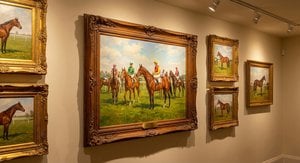
Sir Alfred Munnings' Masterpieces: 25 Paintings That Define Equine Art | ArtsDot
Explore 25 iconic Sir Alfred Munnings paintings! Discover the beauty of British Impressionism, equine art & rural England. Find museum-quality reproductions and elevate your home decor with ArtsDot. Explore the full collection online.

James Ensor's Grotesque Visions: Social Commentary & Artistic Innovation
Explore the unsettling yet captivating world of James Ensor, a pioneer of Expressionism. Discover his satirical masterpieces, symbolic imagery & lasting influence on modern art. High-quality reproductions available at ArtsDot.
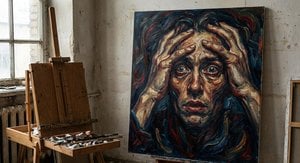
Figurative Expressionism: Emotional Intensity & Subjective Reality in 20th-Century Art
Explore the powerful world of Figurative Expressionism with ArtsDot. Discover key artists like Kirchner & Beckmann, understand its emotional depth, and learn how to collect this influential 20th-century art movement.

The Raw Emotion of Expressionism: A Deep Dive into its History, Characteristics & Enduring Influence
Explore the raw emotion of Expressionism with ArtsDot. Discover its history, key artists like Kirchner & Munch, and lasting influence on modern art. Expert insights for collectors & enthusiasts.


