


 Önizle
 Gönder
 Paylaş
 Detaylar
 Rehber

 Dosyayı İndir
 Benzerleri
 X-Işını
 Slayt Gösterisi
 İstatistikler
Harmonie en Bleu


 Devamını Oku
Giclée / Sanat Baskısı
Hızlı üretim ve esnek bitiş seçenekleriyle müze kalitesinde giclée veya kanvas baskı. ( El Yapımı Tablo Satın Al Dijital Görsel Satışına Geç)




P118B ₺10

P118H ₺10

P118W ₺10

P438Z ₺10

P508JH ₺12

P508YH ₺12

P805H ₺10

P805Z ₺10

P919BZ ₺10

P919G ₺10

P919XJ ₺10

P959ZH ₺10

P968JZ ₺12

W106C ₺8

W218G ₺10

W218JH ₺8

W218Y ₺10

W307PJ ₺10

W316G ₺10

W316PJ ₺8

W316Y ₺10

W398PJ ₺8

W4111J ₺10

W500HY ₺15

W500JH ₺15

W692G ₺12

W849H ₺8

W940BG ₺15

W953PJ ₺8




Eserin orijinal oranlarıyla uyumlu, önceden belirlenmiş boyutlarımız arasından seçim yapın.

Çerçevenize veya duvarınıza uygun olması için ihtiyacınız olan genişlik ve yüksekliği yazın. Bir baskı yalnızca kesilebilir, görselden daha büyük hale getirilemez; bu nedenle farklı bir formdaki boyut seçimi, görselin bir kısmının kaybına neden olur. Herhangi bir baskı yapmadan önce onaylamanız için size bir dijital taslak gönderiyoruz. Bu sayfada gösterilen resim gerçek kesimi göstermez — bunu yalnızca taslak gösterir.
Dünya Çapında Teslimat (); standart 4/5 hafta yerine 2 haftada. (22 Ekim)

Dünya Çapında Ücretsiz Ekspres Kargo

Yüksek Kaliteli Keten Tuval

Tam Nakliye Sigortası

Gümrük Vergisi İadesi Garantisi

Gerçek Renk Uyumu Garantisi

100 Günlük İade Koşulları (Sadece Üretim Hatalı Ürünler İçin)

%100 Para İade Garantisi

Toplu Alım Avantajı
 Cam seçeneği yalnızca 110 cm altındaki boyutlar için mevcuttur.

Harmonie en Bleu
Giclée / Sanat Baskısı
Baskı Boyutu
-


Toplam Fiyat
₺ 3028
A Glimpse into Ensor’s Intimate World: *Harmonie en Bleu*
This captivating still life, *Harmonie en Bleu*, offers a compelling window into the artistic sensibilities of James Ensor, a pivotal figure in the transition from Impressionism to Expressionism. While seemingly a simple arrangement of objects – a top hat, fan, vases, and scattered blooms – the painting reveals layers of complexity characteristic of Ensor’s unique vision.Subject & Composition
The composition centers around a carefully curated collection of domestic items placed upon a table or surface. The presence of a top hat and fan immediately suggests themes of societal performance, perhaps hinting at the masked balls and carnivalesque scenes that frequently populate Ensor’s oeuvre. These objects are not merely depicted; they *exist* within an enveloping atmosphere created by the dominant golden-yellow background. This warm hue isn't comforting but rather creates a sense of heightened drama and even unease, drawing the viewer into a slightly unsettling space. The arrangement itself feels deliberately disordered, eschewing traditional still life symmetry for a more dynamic, almost chaotic effect.Style & Technique
*Harmonie en Bleu* showcases Ensor’s distinctive Post-Impressionistic style. Visible brushstrokes and the layering of paint are key features, contributing to a textured surface that feels both immediate and considered. Lines aren't sharply defined; instead, they contribute to an overall impressionistic feel, softening forms and emphasizing color relationships. The artist’s use of color is particularly striking – the interplay between the warm background and cooler tones within the objects creates visual tension. This technique aligns with Ensor’s broader exploration of subjective experience and emotional expression through color.Historical Context & Artistic Influences
Born in Ostend, Belgium, in 1860, James Ensor rejected academic conventions early on. He developed a highly personal style that predated and profoundly influenced both Expressionism and Surrealism. While he initially experimented with Impressionistic techniques, Ensor quickly moved beyond mere representation, delving into themes of mortality, societal critique, and the grotesque. His work often featured masks – symbols of hidden identities and social hypocrisy – which are absent here but resonate with the performative quality suggested by the hat and fan. His larger works like Le Foudroiement des anges rebelles demonstrate a similar dramatic use of color and unsettling imagery, showcasing his unique artistic voice.Symbolism & Emotional Impact
Though seemingly decorative, *Harmonie en Bleu* is imbued with subtle symbolism. The objects themselves can be interpreted as mementoes mori – reminders of the transience of life and beauty. The scattered flowers, while aesthetically pleasing, also allude to decay and impermanence. The overall mood leans towards melancholy or a quiet drama, evoked by the color contrast and the slightly disquieting arrangement. It’s a painting that invites contemplation rather than offering easy answers.For Collectors & Designers
- A Rare Glimpse: This work provides an intimate look into Ensor's artistic development, showcasing his mastery of color and composition.
- Versatile Aesthetic: The warm golden tones and intriguing subject matter make this piece suitable for a variety of interior design styles – from traditional to contemporary.
- Conversation Starter: *Harmonie en Bleu* is sure to spark discussion and admiration, adding intellectual depth to any collection or space.
- Investment Potential: As a work by a highly influential artist, this piece (or a high-quality reproduction) represents a valuable addition to any art portfolio.
Soru ve Cevaplar
James Ensor imzalı "Harmonie en Bleu" eserini odamda görmek için artırılmış gerçekliği kullanabilir miyim?
"Harmonie en Bleu" için bir artırılmış gerçeklik önizlemesi mevcut: eserin AR Önizleme sayfası, uyumlu bir cihazda eseri kendi alanınızda görmenizi sağlar.
"Harmonie en Bleu" genel olarak daha mı açık yoksa daha mı koyu tonlarda?
"Harmonie en Bleu" genel olarak shadow düzeyindedir ve parlaklığı Dark'dir.
James Ensor imzalı "Harmonie en Bleu" eserinde hangi renkler hakim?
"Harmonie en Bleu", Gray (#897a5a) tarafından yönetilen Earthy bir palet ile tanımlanmaktadır."
İlgili Eserler


Sanatçı Biyografisi
James Ensor: A Pioneer of Expressionism and Surrealism
James Sidney Edouard Ensor (Ostend, 13 April 1860-19 November 1949) was a Belgian painter and printmaker, an important influence on expressionism and surrealism who lived in Ostend for almost his entire life. He was associated with the artistic group Les XX.
Early Life and Artistic Training
Ensor’s father, James Frederic Ensor, born in Brussels to English parents, was a cultivated man who studied engineering in England and Germany. Ensor’s mother, Maria Catharina Haegheman, was Belgian. Ensor himself lacked interest in academic study and left school at the age of fifteen to begin his artistic training with two local painters. From 1877 to 1880 he attended the Académie Royale des Beaux-Arts in Brussels, where one of his fellow students was Fernand Khnopff. Ensor first exhibited his work in 1881.
The Emergence of Expressionist Style
During the late 19th century much of Ensor’s work was rejected as scandalous, particularly his painting Christ’s Entry Into Brussels (1888–89). The Belgium art critic Octave Maus famously summed up the response from contemporaneous art critics to Ensor's innovative (and often scathingly political) work: “Ensor is the leader of a clan. Ensor is the limelight. Ensor sums up and concentrates certain principles which are considered to be anarchistic. In short, Ensor is a dangerous person who has great changes. ... He is consequently marked for blows. It is at him that all the harquebuses are aimed. It is on his head that are dumped the most aromatic containers of the so-called serious critics.” Some of Ensor's contemporaneous work reveals his defiant response to this criticism.
Key Works and Recurring Themes
Ensor’s artistic style evolved dramatically over time, reflecting a profound engagement with psychological exploration and social critique. Initially influenced by Rembrandt, Redon, Goya, Japanese woodcuts, Brueghelian images and contemporary spoofs, Ensor developed a highly personal iconography and design. He rejected French Impressionism and Symbolism and lent himself to the expressive qualities of light, line, colour and the grotesque and macabre motifs such as carnival masks and skeletons, which he rendered in massive tableaux such as *The Aureoles of Christ* (1885–86) and *Skeletons Fighting over a Hanged Man* (1891). These grotesque metamorphoses culminate in Ensor’s most well-known and monumental mask tableau: *Christ’s Entry Into Brussels* (1888–89, oil on canvas, Los Angeles, J. Paul Getty Museum).
Legacy and Influence
Ensor is now widely recognized as a pivotal figure in the transition from 19th-century Symbolism to early 20th-century Expressionism and Surrealism—a true pioneer of modern art. His fearless exploration of the subconscious, his embrace of grotesque imagery, and his rejection of academic conventions paved the way for future generations of artists who dared to challenge artistic norms. Despite facing initial resistance, Ensor eventually gained recognition in his later years, being named a Baron by King Albert I in 1929 and awarded the Légion d’honneur in 1933. He died in Ostend in 1949, leaving behind a body of work that continues to captivate, disturb, and inspire.

James Ensor
1860 - 1949 , Belçika
Kısa Bilgiler
- Artistic Movement Or Style: Expressionism, Surrealism
- Artists Who Influenced This Artist:
- Bruegel the Elder
- Francisco Goya
- Whistler
- Date Of Birth: April 13, 1860
- Date Of Death: November 19, 1949
- Full Name: James Sidney Edouard Ensor
- Nationality: Belgian
- Notable Artworks:
- The Scandalized Masks
- Skeletons Fighting...
- Christ's Entry into Brussels
- Place Of Birth: Ostend, Belgium
İlgili Yazılar

James Abbott McNeill Whistler'ın En İyi 25 Eseri: Sanat ve Dekorasyon Rehberi | ArtsDot
James Abbott McNeill Whistler'ın en iyi 25 eserini keşfedin! Amerikan empresyonizminin öncüsü Whistler'ın nocturne resimleri, portreleri ve sanat tarihine damga vuran diğer başyapıtları ArtsDot.com'da. Ev dekorasyonunuz için lüks tabloları inceleyin.

Post-Empresyonizmin İzinden: Sanat Tarihini Şekillendiren 10 Başyapıt
Post-Empresyonizmin en etkileyici 10 başyapıtını keşfedin! Van Gogh, Gauguin ve daha fazlasının eserleriyle sanat tarihine yolculuk yapın. ArtsDot.com'da yüksek kaliteli tablo reproduksiyonları ve benzersiz dekorasyon fikirleri sizi bekliyor. Sanat dolu bir yaşam için şimdi inceleyin!

Slate Blue Masterpieces: 10 Iconic Paintings & Timeless Home Decor Ideas
Immerse yourself in the captivating world of slate blue! Explore 10 iconic paintings by Monet, Van Gogh & Renoir. Discover their stories, techniques & find museum-quality art reproductions for your home at .
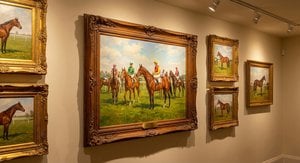
Sir Alfred Munnings' Masterpieces: 25 Paintings That Define Equine Art | ArtsDot
Explore 25 iconic Sir Alfred Munnings paintings! Discover the beauty of British Impressionism, equine art & rural England. Find museum-quality reproductions and elevate your home decor with ArtsDot. Explore the full collection online.

Paul Cézanne'ın En İyi 25 Eseri: Sanat Tarihinin İkonik Yapıtları ve Ev Dekorasyonu İçin İlham Veren Seçkiler
Paul Cézanne'ın en iyi 25 eserini keşfedin! Modern sanatın öncüsü Cézanne'ın post empresyonist tabloları, natürmortları ve renkli manzaralarıyla evinizi sanatsal bir atmosfere taşıyın. ArtsDot.com'da yüksek kaliteli sanat baskıları ve dekor fikirleri sizi bekliyor.


