


 Önizle
 Gönder
 Paylaş
 Detaylar
 Rehber

 Dosyayı İndir
 Benzerleri
 X-Işını
 Slayt Gösterisi
 İstatistikler
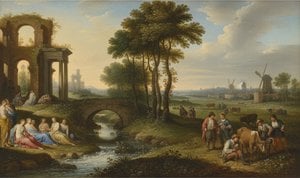
Wandering Minstrels
 Oil On Canvas
- WallArt
- Romantic Antiquarianism
 1777
1777 175.0 x 123.0 cm
 Metropolitan Sanat Müzesi
 Devamını Oku
Giclée / Sanat Baskısı
Hızlı üretim ve esnek bitiş seçenekleriyle müze kalitesinde giclée veya kanvas baskı. ( El Yapımı Tablo Satın Al Dijital Görsel Satışına Geç)




P118B ₺10

P118H ₺10

P118W ₺10

P438Z ₺10

P508JH ₺12

P508YH ₺12

P805H ₺10

P805Z ₺10

P919BZ ₺10

P919G ₺10

P919XJ ₺10

P959ZH ₺10

P968JZ ₺12

W106C ₺8

W218G ₺10

W218JH ₺8

W218Y ₺10

W307PJ ₺10

W316G ₺10

W316PJ ₺8

W316Y ₺10

W398PJ ₺8

W4111J ₺10

W500HY ₺15

W500JH ₺15

W692G ₺12

W849H ₺8

W940BG ₺15

W953PJ ₺8




Eserin orijinal oranlarıyla uyumlu, önceden belirlenmiş boyutlarımız arasından seçim yapın.

Çerçevenize veya duvarınıza uygun olması için ihtiyacınız olan genişlik ve yüksekliği yazın. Bir baskı yalnızca kesilebilir, görselden daha büyük hale getirilemez; bu nedenle farklı bir formdaki boyut seçimi, görselin bir kısmının kaybına neden olur. Herhangi bir baskı yapmadan önce onaylamanız için size bir dijital taslak gönderiyoruz. Bu sayfada gösterilen resim gerçek kesimi göstermez — bunu yalnızca taslak gösterir.
Dünya Çapında Teslimat (); standart 4/5 hafta yerine 2 haftada. (18 Ekim)

Dünya Çapında Ücretsiz Ekspres Kargo

Yüksek Kaliteli Keten Tuval

Tam Nakliye Sigortası

Gümrük Vergisi İadesi Garantisi

Gerçek Renk Uyumu Garantisi

100 Günlük İade Koşulları (Sadece Üretim Hatalı Ürünler İçin)

%100 Para İade Garantisi

Toplu Alım Avantajı
 Cam seçeneği yalnızca 110 cm altındaki boyutlar için mevcuttur.

Wandering Minstrels
Giclée / Sanat Baskısı
Baskı Boyutu
-


Toplam Fiyat
₺ 3025
A Vision of Leisure: Hubert Robert’s “Wandering Minstrels”
Hubert Robert's "Wandering Minstrels," painted in 1777, is more than just a picturesque landscape; it’s a meticulously constructed illusion, a fleeting moment captured with the artist’s signature blend of observation and romantic fancy. Commissioned by the Comte d’Artois as part of his extravagant pleasure pavilion at Bagatelle – a project undertaken with astonishing speed – the painting embodies the Rococo spirit of playful extravagance and the burgeoning fascination with ruins that would define much of the late 18th century. Robert, deeply influenced by his years spent in Italy, masterfully synthesizes elements of Roman architecture and sculpture with a distinctly French sensibility, creating a scene brimming with theatricality and an almost palpable sense of nostalgia.
The composition immediately draws the eye to the central obelisk, flanked by two elegant statues – likely representations of goddesses or allegorical figures. These monumental forms anchor the scene, providing a dramatic backdrop for the lively gathering below. The figures themselves are rendered with a remarkable degree of detail and movement; musicians strumming instruments, dancers twirling, and individuals engaged in various social interactions populate the foreground. Robert’s skill lies not just in depicting these figures accurately but also in conveying their energy and the overall atmosphere of merriment. Notice how he uses light to sculpt the forms, creating a sense of depth and volume that brings the scene vividly to life.
The Art of Illusion: Technique and Style
Robert’s technique is characterized by a loose, almost improvisational brushstroke – a hallmark of his “capriccio” style. He wasn't striving for photographic realism; instead, he prioritized capturing the *feeling* of a place, imbuing it with atmosphere and emotion. The use of color is particularly noteworthy: muted tones dominate, creating a hazy, dreamlike quality that reinforces the painting’s sense of timelessness. He expertly employs atmospheric perspective – objects in the distance appear paler and less distinct – to further enhance the illusion of depth and space. This technique, combined with his masterful handling of light and shadow, is what truly elevates “Wandering Minstrels” beyond a simple landscape depiction.
The painting’s genesis within the Bagatelle project offers crucial context. Robert was tasked with creating a series of six paintings for the pleasure pavilion's bathing room, all centered around the theme of water. This constraint – and the incredibly tight deadline – undoubtedly influenced his approach, leading him to draw upon diverse sources and synthesize them into a cohesive whole. The obelisk itself, for instance, likely derives from Roman architectural models studied by Robert during his time in Italy, while other elements are subtly adapted from French decorative motifs.
Symbolism and Historical Context
“Wandering Minstrels” is deeply rooted in the intellectual currents of the late 18th century. The fascination with ruins – a trend popularized by antiquarians like Johann Joachim Winckelmann – reflected a broader cultural preoccupation with the past, particularly the glories of antiquity. Robert’s incorporation of Roman architectural elements speaks to this interest, but he doesn't simply replicate classical forms; rather, he reimagines them within a distinctly French context. The figures themselves can be interpreted as symbols of leisure and social interaction, reflecting the aristocratic lifestyle enjoyed by the Comte d’Artois and his court.
The painting also subtly alludes to the changing role of art in society. During this period, artists were increasingly expected to create works that not only depicted reality but also evoked emotion and imagination. Robert's “capriccio” style – a genre characterized by fantastical landscapes and idealized scenes – perfectly embodies this shift. The scene is not meant to be a literal representation of a specific place or event; it’s an invented world, designed to transport the viewer to a realm of beauty and delight.
A Legacy of Romantic Vision
“Wandering Minstrels” stands as a testament to Hubert Robert's unique artistic vision. It is a captivating blend of observation, imagination, and technical skill – a painting that continues to enchant viewers with its evocative atmosphere and timeless appeal. Reproductions of this work offer an exceptional opportunity to bring this exquisite scene into your home, allowing you to experience the beauty and artistry of one of France’s most celebrated landscape painters. The intricate details and masterful use of light and color are particularly striking when reproduced on high-quality canvas or aluminum, capturing the essence of Robert's original vision with remarkable fidelity.
Soru ve Cevaplar
"Wandering Minstrels" sanatçısının ana vatanında mı kaldı?
Hayır - sanat eseri yurt dışında bulunmaktadır. "Wandering Minstrels" adlı eser United States of America bünyesinde sergilenirken, Hubert Robert Fransa doğumludur.
"Wandering Minstrels" genel olarak ne kadar açık tonlu?
Algılanan parlaklık açısından, Hubert Robert imzalı "Wandering Minstrels", balanced düzeyindedir.
Hubert Robert imzalı "Wandering Minstrels" eserinin renk doygunluğu nedir?
Hubert Robert imzalı "Wandering Minstrels" eserinin renkleri Muted doygunluğa sahiptir. Doygunluk, renklerin ne kadar canlı veya mat olduğunu ifade eder.
İlgili Eserler


Sanatçı Biyografisi
Rüya ve Harabelerin Ressamı: Hubert Robert’in Dünyası
Hubert Robert, 18. yüzyıl Fransız sanatında yankı uyandıran manzaralar ve harabelerin romantik cazibesiyle özdeşleşmiş bir isimdir. 1733 yılında Paris'te doğan hayatı, Rococo’nun neşeli zarafetinden Neoklasisizmin şafağına ve nihayetinde Fransız Devrimi’nin çalkantılı yıllarına uzanan değişen sanatsal üsluplar ve tarihi olaylar arasında şekillenmiştir. O sadece yıkımı belgelemekle kalmamış, gözlemi hayalle birleştirerek geçmişe duyulan özlem ve geleceğe yönelik beklentiyle rezonansa giren vizyonlar yaratmıştır. Sanat eğitiminin yapılandırılmış dünyasında başlayan yolculuğu, heykeltıraş Michel-Ange Slodtz’un yeteneğini fark etmesiyle birlikte resme yönelerek ışığı, atmosferi ve formların ince şiirini yakalamadaki gerçek çağrısını anlamasıyla şekillenmiştir.Roma Düşleri: Sanatsal Kimliğin Şekillendirilmesi
Robert’in sanatsal gelişimindeki dönüm noktası, 1754 yılında Étienne-François de Choiseul eşliğinde Roma'ya yaptığı uzun yolculuk oldu. Antik şehrin tarihi ve mimari ihtişamla dolu dünyasına kendini kaptırdı. On bir yıl boyunca antik şehir onun açık hava stüdyosu haline geldi; yıkılan tapınakları, görkemli kemerleri ve bakımsız bahçeleri hayal gücünü besledi. Bu sadece gördüklerini kopyalamak değildi; yorumlamak, yeniden tasarlamak ve melankolik bir güzellikle aşılamakla ilgiliydi. Giovanni Paolo Panini ile birlikte çalıştı ve etkisi Robert’in erken *capriccio* kompozisyonlarında görülebilir—klasik harabeleri çağdaş yaşamla yan yana getiren fantastik manzaralar. Ancak Robert, taklitten hızla uzaklaştı ve ayrıntılı detaylar, atmosfer perspektifi ve ışık ve gölge oyununa derin bir duyarlılık ile karakterize edilen kendine özgü bir stil geliştirdi. O sadece harabeleri resmetmiyordu; zamanın kendisini resmediyordu, geçiciliğin dokunaklı güzelliğini ve hafızanın kalıcı gücünü yakalıyordu. Bu dönemden kalan eskiz defterleri, Villa d'Este ve Caprarola gibi Roma simgelerinin ayrıntılı çalışmalarıyla dolu paha biçilmez kayıtlarıdır; mimari nüanslara ve manzara kompozisyonuna dair keskin bir gözü ortaya koymaktadır.Paris’te Takdir ve Kraliyet Himayesi
Robert’in 1765 yılında Paris'e dönüşü, kariyerinde bir dönüm noktası oldu. Sanat çevrelerinde hızla tanındı ve “Mimari Anıtlarla Süslenmiş Roma Limanı, Antik ve Modern” eseriyle Académie Royale de Peinture et de Sculpture’a kabul edildi. Salonda yaptığı sonraki sergiler geniş beğeni topladı; harabelerin ve pastoral manzaraların etkileyici tasvirleriyle izleyicileri büyüledi. Aydınlanmanın önde gelen figürü Denis Diderot, Robert’in tablolarında uyandırılan ihtişamı ünlü bir şekilde övdü ve onu başka bir zamana ve mekana seyahat ettirme yeteneğini takdir etti. Bu başarı kraliyet himayesine yol açtı; dekoratif projeler için görevlendirmeler ve daha sonra “Kralın Bahçelerinin Tasarımcısı” ve ardından “Kralın Tablolarının Koruyucusu” atamaları yapıldı. Sadece tuval üzerine yaptığı resimler için değil, aynı zamanda bahçeler ve saray iç mekanları için yenilikçi tasarımları için de aranan bir sanatçı oldu. Eseri, tarih, arkeoloji ve pastoral güzelliğe ilgi duyan koleksiyonculara hitap eden *capriccio* resmine olan yaygın ilgiden etkilenmişti; ancak Robert ona benzersiz bir duyarlılık aşılayarak onu sadece dekoratif sanattan yükseltti.Devrim, Dayanıklılık ve Kalıcı Miras
Fransız Devrimi, Robert için benzeri görülmemiş bir zorluk teşkil etti. Birçok sanatçı çalkantılı siyasi iklimde yolunu bulmakta zorlanırken, kendisini değişimin akıntılarında yakalanmış buldu. Hatta Terör Dönemi sırasında kısa süreliğine hapsedildi; bu ürkütücü deneyim yine de hapishanedeki zamanını belgeleyen bir dizi çizime ilham verdi. Dikkat çekici bir şekilde, bu dönem boyunca da üretken bir şekilde resmetmeye devam etti ve sanatına sarsılmaz bağlılığını gösterdi. Devrim’den sonra Robert, gelecekteki Louvre Müzesi olan yeni kurulan Muséum Central des Arts müdürü olarak atandı; uzmanlığına ve kültürel mirası koruma özverisine tanıklık etti. Fransa'nın sanatsal hazinelerinin gelecek nesiller için güvence altına alınmasını sağlayarak müzenin koleksiyonunu düzenlemede ve kataloglamada önemli bir rol oynadı. Hubert Robert, 1808 yılında Paris’te hayatını kaybetti ve geride hayranlık uyandıran bir eser bıraktı. Mirası sadece teknik ustalığında değil, aynı zamanda tarihi doğruluğu hayali vizyonla harmanlama benzersiz yeteneğinde yatmaktadır. Rococo ve Neoklasik dönemleri birbirine bağlayan ve geçmişe olan tutkusu ve hayal gücüyle Romantizmin bazı yönlerini öngören bir tür resmin öncüsü oldu.- Temel Etkiler: Giovanni Paolo Panini, Piranesi, Roma'nın mimari manzarası.
- Ana Temalar: Harabeler, manzaralar, *capriccio* resimleri, tarihi hafıza, zamanın geçişi.
- Sanatsal Stil: Ayrıntılı detaylar, atmosfer perspektifi, etkileyici aydınlatma, gözlemi hayalle birleştirme.

Hubert Robert
1733 - 1808 , Fransa
Kısa Bilgiler
- Bu Sanatçıdan Etkilenenler: ['Romantizm']
- Doğum Tarihi: 22 Mayıs 1733
- Doğum Yeri: Paris, Fransa
- Etkilendiği Sanatçılar:
- Giovanni Panini
- Piranesi
- Sanatsal Akım: Romantizm, Neoklasisizm
- Tam Adı: Hubert Robert
- Uyruğu: Fransız
- Ölüm Tarihi: 15 Nisan 1808
- Önemli Eserleri:
- Roma Limanı
- Galatea'nın Uçuşu
- Louvre Galerisi
İlgili Yazılar

John Constable'ın En İyi 25 Eseri: İngiliz Manzaralarının Büyüsü ArtsDot'ta
John Constable'ın en iyi 25 eserini keşfedin! İngiliz manzara sanatının büyülü dünyasına dalın, romantizm akımını ve kırsal yaşamı yansıtan tablolarla evinizi zenginleştirin. Sanat reproduksiyonları ArtsDot'ta.

Romantik Resmin Zirveleri: Evinizi Sanatla Süsleyen 10 Usta Manzara
Romantizm sanatının en etkileyici 10 başyapıtını keşfedin! Friedrich, Turner gibi ustaların büyüleyici manzaralarıyla evinizi dönüştürün. Sanat tarihi ve dekorasyon rehberi ArtsDot.com'da tüm koleksiyonu inceleyin.

Evocations of Place: A Historical Journey Through Landscape Art
Explore the rich history of landscape art with ArtsDot. Discover renowned artists, movements like Impressionism & Romanticism, and expert guidance for collecting timeless pieces. Find your perfect serene escape today!

Hubert Robert: Picturing Ruins, Preserving Memory – A Study of Romantic Antiquarianism & Artistic Innovation
Explore the captivating world of Hubert Robert, master of Romantic landscape painting & 'capriccio' ruins. Discover his historical context, artistic innovations, and collecting insights with ArtsDot.
Cornelis van Poelenburch: Bridging Mannerism & the Dutch Baroque Landscape
Discover Cornelis van Poelenburch, a pivotal Dutch Baroque landscape painter bridging Mannerism & Italianate styles. Explore his life, key works, and lasting influence on 17th-century art with ArtsDot.