


 Önizleme yap
 Paylaş
 Paylaş
 Detayları Gör
 Rehber

 İndir
İndir
 Benzerlerini gör
 X-Işını
 Slayt Gösterisi
 İstatistikler
St Jerome in Prayer
 Acrylic On Canvas
- WallArt
- Mannerism
 1505
1505 80.0 x 60.0 cm
 Museum voor Schone Kunsten
 Tümünü Gör
El Yapımı Yağlı Boya Reproduksiyon
Sanatçılarımız tarafından sipariş üzerine hazırlanan; istediğiniz boyut ve çerçevede, tuval üzerine el boyaması yağlı boya. ( Baskı Moduna Geç Dijital Görsele Geç)




P118B $10

P118H $10

P118W $10

P438Z $10

P508JH $12

P508YH $12

P805H $10

P805Z $10

P919BZ $10

P919G $10

P919XJ $10

P959ZH $10

P968JZ $12

W106C $8

W218G $10

W218JH $8

W218Y $10

W307PJ $10

W316G $10

W316PJ $8

W316Y $10

W398PJ $8

W4111J $10

W500HY $15

W500JH $15

W692G $12

W849H $8

W940BG $15

W953PJ $8




Eserin orijinal oranlarıyla uyumlu, önceden belirlenmiş boyutlarımız arasından seçim yapın.

Belirli bir çerçeveye veya alana uyması için kendi boyutlarınızı girebilirsiniz. Seçtiğiniz boyut orijinal görüntünün oranlarıyla eşleşmiyorsa, sanat eserini kırparak veya ek el boyaması öğelerle resmi uzatarak ayarlayacağız. Üretim başlamadan önce onayınız için dijital bir taslak gönderilecektir.
Lütfen ekrandaki önizlemenin gerçek kırpmayı veya uzatmayı yansıtmadığını unutmayın. Nihai kompozisyonu yalnızca hazırlanan taslak doğru şekilde gösterecektir.
Özel boyutlar mevcut olsa da, orijinal oranları korumak adına önceden tanımlanmış listeden bir boyut seçmenizi öneririz.
Siparişten sonra, ArtsDot.com ekibi talimatlar için müşteriye e-posta gönderecek ve bir taslak önizleme sunacaktır
Dünya Çapında Teslimat (); standart 5 hafta yerine 3/4 haftada. (24 Eylül). Kaliteden ödün verilmez.

Dünya Çapında Ücretsiz Ekspres Kargo

Yüksek Kaliteli Keten Tuval

Tam Kapsamlı Nakliye Sigortası

Gümrük Vergisi İade Garantisi

Gerçek Renk Uyumu Garantisi

100 Günlük İade Politikası (Sadece Kusurlu Ürünler İçin)

%100 Para İade Garantisi

Toplu Alım İndirimi
 Cam seçeneği yalnızca 110 cm altındaki boyutlar için mevcuttur.

St Jerome in Prayer
Reproduksiyon Tekniği
Reproduksiyon Boyutu
-


Toplam Tutar
$ 288
St Jerome in Prayer
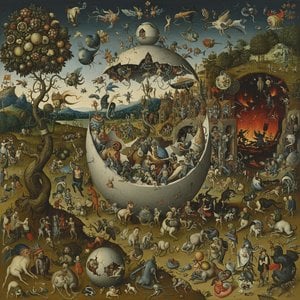
The painting “St Jerome in Prayer” by Hieronymus Bosch stands as a haunting testament to the anxieties of the Renaissance mind—a visual distillation of theological contemplation intertwined with unsettling psychological depth. Completed around 1505, this oil on oak wood masterpiece resides within the Museo delle Belle Arti di Gand, Belgium, offering visitors a glimpse into the visionary world of one of art history’s most enigmatic figures. Dendrochronological analysis has confirmed its date, placing it firmly within Bosch's prolific late period—a time marked by increasingly elaborate and symbolically charged compositions reflecting his profound engagement with religious dogma and human vulnerability.- Composition & Perspective: Bosch abandons traditional linear perspective, favoring a flattened space that contributes to an atmosphere of unease and disorientation. Layers of figures and landscape elements converge towards a central point—Saint Jerome himself—creating a dynamic yet claustrophobic visual experience. Diagonal lines dominate the scene, propelling the eye across the canvas and emphasizing instability.
- Color Palette & Lighting: The painting’s color scheme is dominated by earthy greens and browns punctuated by stark whites and muted yellows. Bosch employs dramatic chiaroscuro—the interplay of light and shadow—to heighten emotional impact and sculpt forms with meticulous detail. This technique amplifies the sense of morbidity inherent in the depiction, casting Jerome and his surroundings into deep darkness while highlighting areas of luminous illumination.
- Style & Technique: “St Jerome in Prayer” exemplifies Mannerism, characterized by elongated figures, distorted proportions, and exaggerated emotional expression—a stylistic departure from the idealized realism prevalent during Bosch’s formative years. The artist's brushwork is visible throughout the canvas, creating a textured surface that conveys both precision and spontaneity. Bosch meticulously renders textures – animal fur, foliage, stone – demonstrating mastery of oil paint application.
- Symbolism & Narrative: At its core, the painting recounts Saint Jerome’s legendary penance—his forced consumption of wild deer to demonstrate repentance for his sins. The inclusion of animals—a dead deer, a hare, and birds—serves as potent symbols of temptation and suffering, mirroring Jerome's internal struggle. Recurring motifs like the crucifix and the desolate landscape underscore themes of faith, mortality, and spiritual isolation.
- Emotional Impact: Bosch’s masterful depiction transcends mere representation; it aims to provoke contemplation on the human condition—the confrontation with death, the battle against evil, and the yearning for divine grace. The painting's unsettling beauty compels viewers to confront uncomfortable truths about existence, cementing Bosch’s legacy as a pioneer of psychological realism within the Renaissance tradition.
Benzer Eserler


Sanatçı Özgeçmişi
A Netherlandish Enigma: The Life and Art of Hieronymus Bosch
Hieronymus Bosch, born around 1450 in ’s-Hertogenbosch, Netherlands—then part of Brabant—remains one of art history’s most perplexing figures. His world pulsed with late medieval religious fervor, folklore, and a creeping unease about societal change – forces that fueled his extraordinary artistic imagination. Descended from a family steeped in painting tradition—his grandfather, Jan van Aken, and father, Anthonius van Aken—Bosch likely honed his skills within the family workshop, absorbing the conventions of Netherlandish art while simultaneously forging his own distinctive path. Biographical details are frustratingly sparse; records offer tantalizing glimpses but leave much to speculation, enhancing the artist’s aura of mystery. He married Aleyt Goyaerts van den Meerveen sometime before 1481, securing a degree of financial stability through her family's holdings—though little else is known about his personal life.Fantastical Visions and Symbolic Depth
Bosch’s artistic style captivated audiences with its jarring juxtaposition of meticulous detail and hallucinatory imagery. Primarily working on oak panels using oil paint, he achieved luminous colors and intricate textures, surpassing the stylistic norms of his time. While early works mirrored traditional Netherlandish painting's realism, Bosch swiftly moved beyond mere imitation, developing a profoundly original vision rooted in medieval folklore and apocalyptic anxieties. His canvases aren’t simply representations; they are allegorical landscapes populated by bizarre creatures—grotesque demons, fantastical animals—and unsettling scenes that seem ripped from dreams. Religious themes dominate much of his oeuvre, but these are rarely straightforward depictions of biblical narratives. Instead, Bosch employed symbolism to explore complex moral and theological concepts, confronting viewers with the perils of sin, the allure of earthly pleasures, and the inevitability of divine judgment. His figures—human and monstrous alike—embodied vice, temptation, and spiritual corruption, creating a disconcerting effect that continues to resonate centuries later.Masterpieces of Moral Allegory
Bosch’s most celebrated achievement is undoubtedly *The Garden of Earthly Delights* (c. 1490-1510)—a triptych that remains one of art history's most debated works. When unfolded, it presents a panoramic vision of paradise, earthly life, and hell—a complex allegorical representation of humanity’s fall from grace. The left panel depicts Eden, brimming with fantastical flora and fauna; the central panel portrays a hedonistic world consumed by sensual desire; and the right panel offers a terrifying glimpse into infernal torment. Alongside *The Garden*, *The Last Judgement Triptych* (c. 1480-1490) powerfully conveys both heavenly bliss and divine retribution, while *Ascent of the Blessed* (c. 1480-1490) captures ethereal beauty—a testament to Bosch’s mastery of oil paint and his ability to evoke profound psychological states. Smaller works like *Epiphany* (c. 1495) showcase his innovative technique and intricate symbolism, revealing a mind perpetually wrestling with existential questions about faith, morality, and human nature.Influence and Legacy
Identifying Bosch’s direct influences is challenging due to the originality of his vision—though scholars suggest connections to medieval folklore, religious texts emphasizing apocalyptic themes, and societal anxieties surrounding heresy. Nevertheless, Bosch decisively surpassed stylistic conventions, establishing himself as a pioneer of Netherlandish painting and forging an artistic legacy that transcends time. His impact on subsequent artists is undeniable: Pieter Bruegel the Elder adopted similar thematic concerns and compositional approaches; Surrealist painters like Salvador Dalí and Max Ernst drew inspiration from Bosch’s dreamlike imagery and exploration of the subconscious. Even today, Bosch's unsettling visions continue to fascinate and provoke discussion—solidifying his place as a singular artist whose influence persists across artistic movements and generations. His paintings serve as invaluable windows into the intellectual and spiritual landscape of the late fifteenth and early sixteenth centuries, questioning established norms and paving the way for groundbreaking artistic expression. He died in 1516, leaving behind a body of work that continues to haunt and inspire—ensuring Bosch’s enduring status as one of art history's most unforgettable voices.
Jheronimus Bosch
1450 - 1516 , Hollanda
Kısa Bilgiler
- Artistic Movement Or Style: Surrealizm ve Sembolizm
- Artists Or Movements Influenced By This Artist: ['Pieter Bruegel']
- Date Of Birth: c. 1450
- Date Of Death: 1516
- Full Name: Hieronymus Bosch
- Nationality: Hollandalı
- Notable Artworks:
- Dünyanın Bahçesi
- Son Yargı Triptiği
- Tanrısal Çıkış
- Place Of Birth: Den Bosch, Netherlands
İlgili Makaleler

The Enduring Legacy of Oil on Canvas: Technique, History & Aesthetic Impact
Explore the rich history & techniques of oil painting – from Renaissance masters to Impressionism. Discover pigments, layering methods, and why this timeless medium endures. Expert insights for artists & art enthusiasts.

Oil on Canvas: A Historical & Technical Exploration of a Timeless Artistic Medium
Explore the rich history & enduring techniques of oil painting on canvas. Discover the science behind its longevity, conservation practices, and contemporary relevance. Expert insights for art enthusiasts.
Hieronymus Bosch'un En İyi 25 Eseri: Sanat Tarihinin Gizemli Dehası | ArtsDot
Hieronymus Bosch'un en iyi 25 eserini keşfedin! Ortaçağ ve Rönesans sanatının gizemli dehası, dini sembolizm ve fantastik dünyalarıyla evinizi sanatsal bir şölene dönüştürün. Yüksek kaliteli tablolar ArtsDot’ta. Koleksiyonu inceleyin!

Hieronymus Bosch: Decoding the Visions of a Netherlandish Master
Explore the captivating world of Hieronymus Bosch! Delve into the symbolism, religious context, and artistic innovation of this Netherlandish master with ArtsDot's expert analysis. Discover his iconic paintings & lasting influence.

Museo del Prado'nun En İkonik 25 Eseri: Sanat Tarihine Yolculuk | ArtsDot
Museo del Prado'nun en ikonik 25 eserini keşfedin! Velázquez, Goya ve El Greco gibi İspanyol ressamlarının başyapıtları ile sanat tarihine yolculuk yapın. Ev dekorasyonunuz için lüks sanat baskıları ArtsDot.com'da sizi bekliyor.


