


 Gönder
 Paylaş
 Detaylar
 Rehber

 Dosyayı İndir
 Benzerleri
 Slayt Gösterisi
 İstatistikler
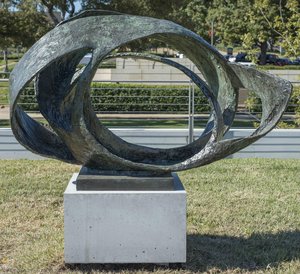
A Miner at Work
 Sculpture
- Sculpture
- Contemporary Realism
 1942
1942- Modern
 49.0 x 49.0 cm
 Imperial War Museums
 Devamını Oku
Çevrimiçi önizlemeden çok daha yüksek kalitede, iyileştirilmiş ve yüksek çözünürlüklü bir dijital görüntü satın alın.
Her dosya, uzman ekibimiz tarafından gelişmiş araçlar ve titiz manuel rötuş teknikleri kullanılarak özenle hazırlanır. Her görüntünün olağanüstü netliğe, kusursuz renk doğruluğuna ve ince ayrıntılara sahip olduğundan emin oluruz.
Son dosya; profesyonel, editoryal ve baskı süreçlerinde anında kullanıma uygun şekilde optimize edilerek 72 saat içinde e-posta yoluyla teslim edilir. Bu, seçkin tasarım stüdyoları, yayıncılar ve galerilerin güvendiği aynı kalite standartlarındadır.
Dijital Görsel
Kişisel kullanım, baskı ve yaratıcı projeleriniz için yüksek çözünürlüklü bir dosya indirin. ( Baskı Satışına Geç El Yapımı Tablo Satın Al)
Her Dijital Görüntü Siparişine Dahil Olanlar
Profesyonel Dijital Teslimat Garantisi
ArtsDot.com seçtiğinizde, sadece bir görsel edinmekle kalmaz; titizlikle hazırlanmış, profesyonelce iyileştirilmiş dijital bir sanat eserine sahip olur ve memnuniyet garantisiyle güvence altına alınırsınız. Siparişinizle birlikte otomatik olarak sunulan her şey şunlardır:

Hızlı E-posta ile Teslimat
Yüksek çözünürlüklü dijital görüntü dosyanız, siparişinizin ardından en geç 72 saat içinde e-posta ile size gönderilecek ve hemen kullanıma hazır olacaktır.

Yapay Zeka Destekli Dijital Dosya
Sanat eseriniz; maksimum detay, netlik ve renk doğruluğu sağlamak amacıyla gelişmiş yapay zeka araçları ve manuel düzenleme kullanılarak profesyonelce optimize edilmektedir.

Ömür Boyu Ücretsiz Yeniden Gönderim
Dosyanızı yanlışlıkla mı sildiniz yoksa kayıp mı oldu? Endişelenmeyin; dosyanızı dilediğiniz zaman size ücretsiz olarak tekrar göndereceğiz.

Asla İthalat Ücreti Ödemeyin
Sanat eserinizin tadını gümrük vergisi, harç veya teslimat ücreti ödemeden anında çıkarın; dijital indirmeler her zaman vergiden muaftır.

Renk Doğruluğu Garantisi
Profesyonel araçlar ve renk yönetimi kullanarak dijital görselinizin orijinal renklere mümkün olduğunca yakın yansıtılmasını sağlıyoruz.

100 Günlük Memnuniyet Garantisi
If you're not satisfied with your digital image, we'll revise it or refund 100% within 100 days - no questions asked.

100% Para İadesi Garantisi
Memnun kalmadınız mı? Dijital dosyanızı teslim aldıktan sonraki 100 gün içinde, hiçbir soru sorulmaksızın tam para iadesi alabilirsiniz.

Toplu Sipariş İndirimleri
Buy 3 images, save 10% - Buy 5, save 15% - Buy 10+, save 20%. Great for creative projects, galleries, and agencies.
A Poignant Encounter with Resilience
In the heavy, shadowed atmosphere of 1942, amidst the profound uncertainties of the Second World War, Henry Moore captured a moment of quiet, monumental strength in "A Miner at Work." This piece serves as much more than a mere depiction of industrial labor; it is a profound meditation on the human spirit under pressure. The artwork presents a solitary figure, a miner seated at the coal face, rendered through Moore’s signature lens of abstraction and simplified form. There is an immediate, visceral connection to the earth and the toil required to sustain a nation under siege, making the piece an evocative choice for those who appreciate art that speaks to the enduring power of perseverance.
The subject matter transcends simple portraiture, as Moore moves away from traditional realism to explore the very essence of the miner's existence. By utilizing geometric shapes and the strategic use of negative space, the artist invites the viewer to look through the form rather than just at it. The figure is hunched, absorbed in his task, a posture that simultaneously suggests the physical weight of the subterranean world and a psychological state of deep focus and quiet dignity. For collectors and designers, this work offers a sophisticated balance of heavy, grounded presence and an airy, intellectual lightness.
Mastery of Form and Texture
Technically, "A Miner at Work" is a masterclass in the Romanesco method, a process where the sculptor creates a hollow form and then meticulously removes material from the interior to reveal the underlying structure. This technique imbues the work with a remarkable tactile quality, creating a surface that feels organic and alive. The use of smooth, polished limestone allows for a precise geometric precision that contrasts beautifully with the rugged, natural themes of the piece. Every curve and hollow is intentional, designed to capture the essence of both the miner’s anatomy and the surrounding environment.
The historical context of the work adds a layer of profound emotional depth. Created during a time when coal mining was the lifeblood of the British economy, the sculpture resonates with the social fabric of communities like Wheldale Colliery. It captures the anxieties and the aspirations of an era defined by adversity. To possess a reproduction of this work is to hold a piece of history that symbolizes vulnerability transformed into strength. The interplay of light and shadow within its forms makes it a captivating centerpiece for any curated space, offering a sense of stability, reflection, and timelessness.
Soru ve Cevaplar
Henry Moore imzalı "A Miner at Work" ne düzeyde bir kontrasta sahip?
Henry Moore imzalı "A Miner at Work", açık ve koyu alanlar arasında Serene bir kontrast sergiliyor.
Henry Moore imzalı "A Miner at Work" eserinin telif hakkı durumunu ne açıklamaktadır?
Henry Moore imzalı "A Miner at Work", hâlâ telif hakları ile korunmaktadır statüsündedir. Telif hakkı süresi, sanatçının 1986 yılında gerçekleşen ölümünden itibaren başlamaktadır.
Henry Moore imzalı "A Miner at Work" eserinin renkleri ne kadar uyumlu?
"A Miner at Work" eserinin renk uyumu Strong Color Unity olarak kaydedilmiştir.
İlgili Eserler




Sanatçı Biyografisi
A Life Sculpted in Form: The World of Henry Moore
Henry Spencer Moore OM CH FBA (30 July 1898 – 31 August 1986) was an English visual artist. He is best known for his semi-abstract monumental bronze sculptures—particularly the reclining figure—which revolutionized modern British sculpture and established him as one of the most influential artists of the twentieth century. His journey from humble beginnings in Castleford, Yorkshire, to international acclaim exemplifies unwavering dedication to artistic exploration and a profound connection to both human form and the natural world.Early Life and Artistic Beginnings
Henry Spencer Moore was born in Castleford, West Yorkshire, England, on July 30, 1898, the son of Raymond Spencer Moore (1848–1922) and Mary Baker. Growing up amidst the rolling hills of Yorkshire profoundly shaped his aesthetic sensibility, imbuing his work with a sense of organic fluidity reminiscent of his birthplace. His father, a self-taught man with a passion for learning, instilled in him a belief in the transformative power of education, steering him away from the traditional path of a miner towards formal schooling. From an early age, Moore demonstrated an innate talent for modeling clay and carving wood—activities that foreshadowed his lifelong pursuit of sculptural form. Despite facing considerable hardship during his formative years, Moore’s determination to pursue artistic endeavors remained unshaken. He attended Leeds School of Art and subsequently enrolled at the Royal College of Art in London, immersing himself in the study of classical sculpture alongside pioneering movements like Cubism. This exposure to diverse artistic traditions fueled his creative vision and solidified his commitment to pushing boundaries within the realm of visual art.Influences and Artistic Style
Moore’s artistic education was significantly impacted by encounters with groundbreaking artistic ideas—most notably, pre-Columbian sculptures during a visit to Mexico in 1925. The simplicity and abstraction inherent in these ancient artworks liberated him from representational constraints, inspiring him to explore forms that prioritized gesture and volume over precise anatomical accuracy. This pivotal experience catalyzed the development of his signature sculptural style: semi-abstract monumental bronzes characterized by rounded, organic shapes—often punctuated by voids or apertures—that captured light and space with remarkable subtlety. He drew inspiration from classical sculpture, particularly Michelangelo’s sculptures of David and Pietà, recognizing their mastery of form and expressive power. However, Moore wasn't merely replicating established conventions; he synthesized these influences into something uniquely his own—a style that reflected both the grandeur of antiquity and the dynamism of modernism. His artistic explorations extended beyond sculptural technique to encompass broader philosophical considerations concerning the relationship between art and human experience.Major Sculptural Achievements
Henry Moore’s prolific output spanned decades, resulting in hundreds of sculptures ranging from intimate maquettes to colossal monumental works that transformed urban landscapes. Among his most celebrated achievements are *Reclining Figure: 1951*, a seminal sculpture embodying the essence of his artistic vision; *Family Group*, a poignant depiction of familial bonds rendered in bronze; and *Shelter Drawings*, a series of evocative sketches documenting Londoners’ resilience during the Blitz—demonstrating Moore's ability to translate sculptural principles into two-dimensional form. His monumental bronzes, notably *Large Torso*, *Drummond Tower*, and *Saint Patrick’s Cathedral*, stand as enduring symbols of artistic innovation and civic pride. These sculptures captivated audiences worldwide, cementing Moore’s legacy as one of the foremost sculptors of his era—a figure whose work continues to inspire artists and viewers alike. His unwavering dedication to exploring form, volume, and spatial relationships ensured that he would remain at the forefront of sculptural discourse throughout his lifetime.Legacy and Enduring Influence
Henry Moore's impact on twentieth-century art is undeniable. He challenged conventional notions of representation, advocating for abstraction as a means of conveying emotion and capturing the essence of human experience. His sculptures served as catalysts for artistic experimentation and fostered dialogue about the role of art in society—inspiring subsequent generations of sculptors to embrace bold new approaches. Moore’s work continues to resonate with audiences today, prompting contemplation on themes of vulnerability, resilience, and connection to the natural world. He established the Henry Moore Foundation in 1977, ensuring that his artistic legacy would endure through education and the promotion of creativity—a testament to his belief in the transformative power of art and its capacity to enrich human lives. His sculptures stand as enduring monuments to human ingenuity and a profound reminder of the beauty inherent in confronting adversity—solidifying his place among the most revered artists of the twentieth century.
Henry Moore
1898 - 1986 , İngiltere
Kısa Bilgiler
- Artistic Movement Or Style: Modernizm, Soyut heykeltıraşlık
- Artists Or Movements Influenced By This Artist: ['Cubizm']
- Artists Who Influenced This Artist: ['Michelangelo']
- Date Of Birth: 30 Temmuz 1898
- Date Of Death: 31 Ağustos 1986
- Full Name: Henry Spencer Moore
- Nationality: İngiliz
- Notable Artworks:
- Reclining Figure
- Aile Grubu
- Korunaklu Çizimleri
- Place Of Birth: Castleford, İngiltere