

 Paylaş
 Paylaş
 Detayları Gör
 Rehber

 İndir
İndir
 Benzer ürünler
 Slayt Gösterisi
 Soru & Cevap
 İstatistikler
Square tray with

- 22.0 x 17.0 cm


 Tümünü Gör
Bu sayfada sergilenen eser telif hakkı yasasıyla korunmaktadır; bu da yasal olarak eserin birebir kopyasını oluşturamayacağımız veya satamayacağımız anlamına gelir. Bu koruma, aşağıdakiler gibi uluslararası anlaşmalar kapsamında uygulanmaktadır: Bern Sözleşmesi ve aşağıdakiler de dahil olmak üzere ulusal yasalarca belirlenen ABD Telif Hakkı Kanunu - 17. Başlık.
Bu yöntem, koruma altındaki sanat eserinin kopyalanmasını veya çoğaltılmasını içermediği için telif hakkı düzenlemelerine tam uyum sağlar. Bunun yerine, yaratıcı bir yeniden yorumlamadır; orijinalinden etkilenen ancak onunla aynı olmayan yeni bir tablodur.
Giclée / Sanat Baskısı
Hızlı üretim ve esnek bitiş seçenekleriyle müze kalitesinde giclée veya kanvas baskı. ( El Yapımı Tablo Satın Al Dijital Görsele Geç)




































Eserin orijinal oranlarıyla uyumlu, önceden belirlenmiş boyutlarımız arasından seçim yapın.

Çerçevenize veya duvarınıza uygun olması için ihtiyacınız olan genişlik ve yüksekliği yazın. Bir baskı yalnızca kesilebilir, görselden daha büyük hale getirilemez; bu nedenle farklı bir formdaki boyut seçimi, görselin bir kısmının kaybına neden olur. Herhangi bir baskı yapmadan önce onaylamanız için size bir dijital taslak gönderiyoruz. Bu sayfada gösterilen resim gerçek kesimi göstermez — bunu yalnızca taslak gösterir.
Dünya Çapında Teslimat (); standart 4/5 hafta yerine 2 haftada. (5 Kasım)

Dünya Çapında Ücretsiz Ekspres Kargo

Yüksek Kaliteli Keten Kanvas

Tam Nakliye Sigortası

Gümrük Vergisi İadesi Garantisi

Gerçek Renk Uyumu Garantisi

100 Günlük İade Politikası (Sadece Kusurlu Ürünler İçin)

%100 Para İade Garantisi

Toplu Alım İndirimi
 Cam seçeneği yalnızca 110 cm altındaki boyutlar için mevcuttur.

Square tray with
Giclée / Sanat Baskısı
Reproduksiyon Boyutu
-


Toplam Tutar
₺ 3099
The Soul of Simplicity: A Masterpiece of Mingei Tradition
In the quiet intersection of utility and artistry lies this exquisite Square Tray, a profound testament to the vision of Hamada Shōji. Created in 1960, this ceramic piece is far more than a mere vessel; it is an embodiment of the mingei philosophy—the Japanese movement dedicated to finding sublime beauty in the functional objects crafted by anonymous artisans for everyday use. The tray’s form, characterized by straight, upright sides and uniquely angled cuboid feet, draws direct inspiration from the historic Tamba Ware square dishes. This connection to the past allows the piece to act as a bridge between the ancient traditions of Japanese pottery and the mid-century modern aesthetic, making it an essential acquisition for those who appreciate art that breathes with history.
The tactile allure of the tray is immediate, inviting the viewer to contemplate the earthy, grounded nature of its medium. Rendered in deep, warm tones of clay-brown, the surface serves as a canvas for subtle, rhythmic decorations. Two soft yellow motifs dance across the center and periphery, providing a gentle contrast that illuminates the matte texture of the stoneware. These delicate applications of color are not merely decorative; they represent the spontaneous, unpretentious spirit of the Mashiko pottery tradition, where the hand of the maker is felt in every stroke. For the interior designer, this piece offers a sophisticated focal point that brings an organic, wabi-sabi elegance to any contemporary setting.
To possess a reproduction of such a significant work is to invite the meditative calm of the mingei movement into one's personal space. Hamada Shōji’s legacy is defined by this very balance: the ability to elevate the mundane into the monumental through honest technique and a deep respect for natural materials. This square tray, with its sturdy geometry and soulful ornamentation, resonates with an emotional depth that transcends time. It serves as a reminder that true luxury is found not in opulence, but in the quiet, enduring strength of well-crafted objects that honor both the earth from which they came and the hands that shaped them.
Soru ve Cevaplar
Hamada Shōji imzalı "Square tray with" hangi teknikle icra edilmiştir?
Hamada Shōji, "Square tray with" adlı eserinde Ceramic tekniğini kullanmıştır. Bu teknik, orijinal eserin maddi doğasını tanımlar.
Tarihi göz önüne alındığında, "Square tray with" adlı eser Hamada Shōji'in kariyerinin hangi dönemine denk gelmektedir?
1960 tarihli olması sebebiyle "Square tray with", Hamada Shōji'in Mature Period dönemine ait bir eserdir.
Hamada Shōji imzalı "Square tray with" için hangi alan öneriliyor?
Hamada Shōji imzalı "Square tray with" için önerilen alan bir Dining Room'dur. Bu öneri, elbette iç mekanınıza göre uyarlanabilir.
Benzer Eserler


Sanatçı Özgeçmişi
Hamada Shōji: A Pioneer of Mingei and the Soul of Mashiko
Born in Kawasaki, Japan, in 1894, Hamada Shōji’s life was a testament to his unwavering dedication to traditional Japanese crafts. Initially studying at Tokyo Institute of Technology under the guidance of Itaya Hazan, he quickly distinguished himself as a visionary artist deeply influenced by the burgeoning *mingei* (folk art) movement. This fascination with the beauty and functionality of everyday objects created by anonymous artisans would shape not only his artistic practice but also the very landscape of Japanese pottery.
Hamada’s early career was marked by a profound respect for the past, yet he possessed an innate desire to innovate. He spent formative years in Okinawa, immersing himself in the techniques and aesthetics of local ceramic traditions – particularly those employed in creating distinctive tableware. This experience, coupled with his time studying under Bernard Leach in England, provided him with a unique synthesis of Eastern and Western artistic sensibilities. Leach’s emphasis on simplicity, functionality, and direct engagement with materials resonated deeply with Hamada's own values, ultimately leading to the establishment of the Leach Pottery in St Ives alongside his mentor.
The Founding of Mashiko: A Center for Mingei
Returning to Japan in 1924, Hamada made a pivotal decision that would cement his legacy – he chose to establish his workshop and studio in Mashiko, a small, unassuming town nestled in Tochigi Prefecture. At the time, Mashiko was largely unknown as a pottery center, its landscape dotted with abandoned kiln sites. Recognizing the potential of this forgotten region, Hamada embarked on a mission to revive its ceramic heritage, transforming it into a world-renowned hub for *mingei* production.
He meticulously sourced his materials locally – clay from the surrounding hills, glazes derived from natural minerals, and even crafting his own brushes. This commitment to regional authenticity became a defining characteristic of his work and a cornerstone of the Mashiko pottery tradition. Hamada’s influence extended beyond simply producing beautiful ceramics; he actively encouraged local potters, fostering a sense of community and preserving traditional techniques for future generations. In 1955, this dedication was formally recognized when he was designated a “Living National Treasure,” a rare honor bestowed upon individuals who embody the spirit of Japanese craftsmanship.
A Style Defined by Simplicity and Function
Hamada Shōji’s artistic style is instantly recognizable for its profound simplicity and inherent functionality. He eschewed elaborate decoration, preferring instead to focus on the intrinsic beauty of the materials themselves – the texture of the clay, the subtle variations in glaze color, and the tactile quality of each piece. His forms are often understated yet elegant, reflecting a deep understanding of human needs and a respect for the utilitarian purpose of his creations.
His innovative techniques blended traditional Japanese methods with modern approaches. He experimented extensively with glazes, developing unique copper-green, iron, and white combinations that created stunning visual effects. Hamada’s work is characterized by a remarkable sense of balance – between restraint and expression, tradition and innovation. Notable examples include the stoneware jar, now housed in the Nelson-Atkins Museum of Art in Kansas City, and the square dish also found within their collection, both showcasing his exceptional skill and attention to detail.
Legacy and Influence
Hamada Shōji’s impact on Japanese ceramics extends far beyond his own prolific output. He was a key figure in popularizing the *mingei* movement, inspiring countless artists and shaping the course of contemporary studio pottery. His dedication to preserving traditional techniques and promoting regional crafts served as a model for future generations of artisans.
His influence can be seen in the work of other prominent potters, such as Bernard Leach, with whom he maintained a close working relationship, and Kawai Kanjiro, another key figure in the *mingei* movement. Hamada’s legacy continues to resonate today, reminding us of the enduring value of craftsmanship, simplicity, and connection to one's cultural heritage. His work remains a testament to his artistic vision and his profound contribution to the world of ceramics.

Hamada Shōji
1894 - 1978 , Japan
Kısa Bilgiler
- Full Name: Hamada Shōji
- Nationality: Japanese
- Date Of Birth: 1894
- Date Of Death: 1978
- Place Of Birth: Matsue, Japan
- Notable Artworks:
- Stoneware jar
- Square dish
- Artistic Movement Or Style: Mingei pottery, Studio pottery
- Artists Who Influenced This Artist: ['Kawai Kanjirō']
- Artists Or Movements Influenced By This Artist: ['Bernard Leach']
Benzer Yazılar

The Golden Hue: Exploring Symbolism & Emotion in Yellow Art
Explore the rich symbolism & emotional power of yellow in art history! From Van Gogh to Kandinsky, discover how artists used this vibrant hue. Expert analysis & high-quality reproductions at ArtsDot.

Golden Hues: 10 Masterpieces Dominated by Chrome Yellow | ArtsDot
Immerse yourself in golden light! Explore 10 famous paintings dominated by 'Chrome Yellow', from Van Gogh’s Sunflowers to Monet's Haystacks. Discover the stories behind these iconic Impressionist & Post-Impressionist masterpieces and find museum-quality art reproductions at ArtsDot.com.

Earthy Hues & Masterpieces: Top 10 Paintings Dominated by Clay Tones |
Explore 10 iconic paintings dominated by rich clay tones – from Rembrandt's warmth to Van Gogh’s earthy landscapes. Discover art history, techniques & find museum-quality reproductions at . Explore the full collection online!
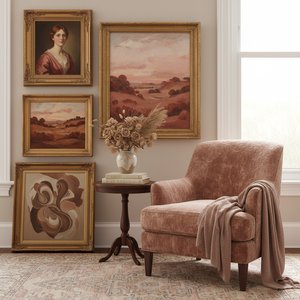
Rosy Brown Hues: 10 Master Paintings & Timeless Decor Ideas |
Explore 10 iconic paintings bathed in captivating rosy brown tones! From Rembrandt to Titian, discover the stories behind these masterpieces & their warm color palettes. Find museum-quality art reproductions and decor inspiration at .
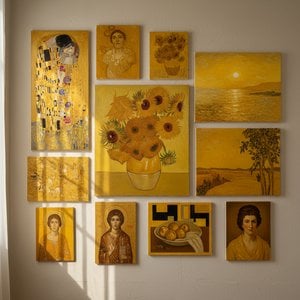
Golden Hues: Top 10 Paintings Dominated by Yellow Ochre |
Explore 10 iconic paintings bathed in golden yellow ochre! From Van Gogh's sunflowers to Monet’s haystacks, discover the stories behind these masterpieces. Find museum-quality art reproductions & elevate your home decor on .