


Görsel seçimlerinize göre şekillenmektedir: , .
Eser Açıklaması
Moreau’s haunting Judith captures the Symbolist movement's fascination with myth and psychological depth; this exquisite portrait explores themes of desire and sacrifice through a dreamlike aesthetic, inviting you to immerse yourself in Gustave Moreau’s visionary artistry.
 Tümünü Gör
Sanatçı Biyografisi
Gustave Moreau’nın ikonik eserleri ve sembolizm tarzıyla sanat tarihine yön verdiğini vurgulayarak etkileyici bir Türkçe meta açıklaması oluşturuldu. İncil temalı tabloları ve benzersiz görsel diliyle öne çıkan Moreau, sanatseverlerin ilgisini çekmeyi hedefledi.
El Yapımı Yağlı Boya Reproduksiyon
Sanatçılarımız tarafından sipariş üzerine hazırlanan; istediğiniz boyut ve çerçevede, tuval üzerine el boyaması yağlı boya. ( Baskı Satışına Geç Dijital Görsele Geç)
Bu tablo hakkında daha fazla bilgi
 Gerçek Boyutta Önizle
 Paylaş
 Paylaş
 Detayları Gör
 Rehber

 İndir
İndir
 Benzer ürünler
 X-Işını
 Slayt Gösterisi
 Soru & Cevap
 İstatistikler
Tablonuzu dört basit adımda sipariş edin
Acele etmeyin. İstediğiniz yanıtı değiştirebilirsiniz; sipariş kartınızdaki fiyat her seçime göre güncellenir.
1 Dört adımdan biri
Hangi boyutu istersiniz?
Bu boyutlar orijinal tablonun oranlarını korur. Çizim, seçtiğiniz eserin iki metrelik bir koltuğun üzerindeki duvarda nasıl duracağını göstermektedir.
Veya kendi ölçülerinizi girin
Eserin orijinal oranlarıyla uyumlu, önceden belirlenmiş boyutlarımız arasından seçim yapın.

Çerçevenize veya duvarınıza uygun olması için ihtiyacınız olan genişlik ve yüksekliği yazın. Bu eser el boyamasıdır; bu nedenle farklı bir formdaki boyutlar için sanatçı, resmin etrafına biraz daha fazla boya ekleyebilir veya kenarlardan biraz kırpabilir — seçim sizin. Boyama işlemi başlamadan önce onaylamanız için size bir dijital taslak gönderiyoruz. Bu sayfada gösterilen resim gerçek sonucu yansıtmamaktadır; gerçek sonucu yalnızca taslak göstermektedir.
2 Dört adımdan ikincisi
Nasıl hazırlanmalı: rulo halinde mi, gerilmiş mi yoksa çerçeveli mi?
Aşağıdaki fiyatlar, birinci adımda seçtiğiniz boyut içindir.
Gergin kanvasın kenarlarını seçin
Çerçevenizi seçin

Beyaz kenar bitişi ₺1

Bulanık kenar bitişi ₺1

Kenar boyalı ₺1

P118B ₺10

P118H ₺10

P118W ₺10

P438Z ₺10

P508JH ₺12

P508YH ₺12

P805H ₺10

P805Z ₺10

P919BZ ₺10

P919G ₺10

P919XJ ₺10

P959ZH ₺10

P968JZ ₺12

W106C ₺8

W218G ₺10

W218JH ₺8

W218Y ₺10

W307PJ ₺10

W316G ₺10

W316PJ ₺8

W316Y ₺10

W398PJ ₺8

W4111J ₺10

W500HY ₺15

W500JH ₺15

W692G ₺12

W849H ₺8

W940BG ₺15

W953PJ ₺8

H24-GOLD ₺30

H24-SILVER ₺30

H36-GOLD ₺45

H36-SILVER ₺45
Çerçeveli
Çerçeve Kenarlığı: . Çerçeve dahil toplam boyut: .
3 Dört adımdan üçüncüsü
Tabloda herhangi bir değişiklik yapılmasını ister misiniz?
Çoğu kişi hayır cevabını veriyor. Her tablo el yapımı olduğu için sanatçımız eseri sizin için uyarlayabilir.
Siparişten sonra, ArtsDot.com ekibi talimatlar için müşteriye e-posta gönderecek ve bir taslak önizleme sunacaktır
4 Dört adımdan dördüncüsü
Birkaç bitiş seçeneği
Hepsi isteğe bağlıdır. Halihazırda seçilmiş olan yanıtlar ek bir maliyet getirmez.
Kim tarafından yapıldı?
Dünya Çapında Teslimat (); standart 5 hafta yerine 3/4 haftada. (7 Kasım). Kaliteden ödün verilmez.
Müzedekiler gibi bir isimlik mi?
İşlemeli Bronz Plaka Detayları
This elegant plaque features the artist's name and the title of the artwork, finely engraved for a timeless presentation.
It is made from bronze with a refined, elegant finish. The text is precisely laser-engraved for a sharp and permanent result. Measuring 9x2 cm, the plaque is compact yet easy to read. It's built to be durable and scratch-resistant, offering a professional, museum-quality look. Mounting is simple thanks to the included adhesive backing.
Şeffaf Akrilik Plaka Detayları
The plaque includes essential engraved details such as the artist's name, the title of the artwork, the date it was created, the type of media used-like oil on canvas or watercolor-a brief description of the piece, and a QR code that links to the complete artwork information.
It is crafted from clear acrylic, offering a sleek, modern appearance. The text is UV-engraved in black to ensure strong visual contrast. With a size of 10x15 cm, it ensures optimal readability. It comes equipped with two metal hooks for secure wall mounting. The plaque is designed to be weather-resistant, making it suitable for various environments, and it includes interactive features that work seamlessly with smartphone scanning.
Siyah Akrilik Plaka Detayları
This elegant plaque includes engraved information such as the artist's name, the title of the artwork, the date it was created, the type of media used (like oil on canvas or watercolor), a short description of the artwork, and a QR code for quick access to more information.
The plaque itself is made from refined black acrylic with a premium finish. The text is laser-engraved in white for high contrast and readability. Its size is 10x15 cm, designed to be easy to read. It comes with two metal hooks for professional mounting. The design is sleek and fits any interior style. It is also weather-resistant and durable, with built-in digital integration for mobile compatibility.
Koruyucu vernik mi?
Ne zaman ihtiyacınız var?
✓ Kontrol et ve sipariş ver
Sipariş ettiğiniz şekilde, tablonuz

Judith
Reproduksiyon Tekniği
Reproduksiyon Boyutu
-

Seçkin Kıdemli Sanatçı
Daha fazla detay, incelik ve ek üretim süresi
-

Reproduksiyon Çerçevesi
-
-
Herhangi bir kenarı 105 cm'den (yaklaşık 41 inç) büyük olan sanat eserleri veya reprodüksiyonlar için çerçeve, demonte edilmiş bir kit halinde gönderilecektir. Bu yöntem, güvenli teslimat sağlar ve taşıma sırasında oluşabilecek hasarları önler.
Profesyonel montaj gereklidir; bu ürün kendin yap (DIY) tarzı bir ürün değildir.
Kit; ahşap tutkalı (pakete dahil değildir), kanvas germe pensi ve tutkal kururken çıtaların dik durmasını sağlayacak işkenceler kullanılarak, deneyimli bir profesyonel çerçeveci tarafından monte edilmeli ve kanvas gerilmelidir. Hatalı montaj veya dengesiz kanvas gerginliği sanat eserine kalıcı zarar verebilir ve bu durum garantimiz kapsamında değildir.
 Herhangi bir kenarı 105 cm'den (yaklaşık 41 inç) büyük olan sanat eserleri veya reprodüksiyonlar için çerçeve, demonte edilmiş bir kit halinde gönderilecektir. Bu yöntem, güvenli teslimat sağlar ve taşıma sırasında oluşabilecek hasarları önler.
Tüm masif ahşap çıtalar dahildir, montaj için hassas bir şekilde ölçülmüştür.
Paket içeriğinde bulunan vidalar ve köşe birleşimleri için ustanız tarafından temin edilmesi gereken, ancak pakete dahil olmayan ahşap tutkalı ile monte edilir.
Profesyonel araçlar gereklidir ve pakete dahil değildir: bir tuval germe aparatı (gerdirici) ve yapıştırıcı kururken çıtaların dik durmasını sağlayacak kıskaçlar.
Önemli:
Köşe bağlantıları için ahşap tutkalı gereklidir; tutkal tamamen kuruyana kadar çıtalar işkenceler ile sabitlenmelidir ve monte edilmiş çerçeve üzerindeki kanvasın gerilmesi için bir kanvas germe pensine ihtiyaç duyulur. Bunların hiçbiri kit içerisinde yer almamaktadır. Lütfen bu boyutu sipariş etmeden önce deneyimli bir profesyonel çerçeve ustası ile anlaşın.

Eser Etiketi
-
-

Koruyucu Vernik Katmanı
Parlak Vernik (renkleri canlandırır; ışığa ve neme karşı koruma sağlar)
-

Eserimi Özelleştir
Değiştirilebilecek örneklere göz atın: Yüzü müşteri fotoğrafıyla değiştirin; Evcil hayvan ekleyin (örneğin, kediyi köpek ile değiştirin); Arka plana gizli bir mesaj dahil edin; Arka plan manzarasını veya öğelerini değiştirin.
-

Hızlı Teslimat
Dünya Çapında Teslimat (); standart 5 hafta yerine 3/4 hafta içinde. (7 Kasım). Kaliteden ödün verilmez.
-
Hızlı Gönderim
için dünya çapında 5 haftalık teslimat süresi. (14 Kasım).
Dahil
Toplam Tutar
₺ 12960
Cam seçeneği yalnızca 110 cm altındaki boyutlar için mevcuttur.
Her siparişle birlikte gelir
- Dünya Çapında Ücretsiz Ekspres Kargo
- Yüksek Kaliteli Keten Kanvas
- Tam Nakliye Sigortası
- Gümrük Vergisi İadesi Garantisi
- Gerçek Renk Uyumu Garantisi
- 100 Günlük İade Politikası (Sadece Kusurlu Ürünler İçin)
- %100 Para İade Garantisi
- Toplu Alım İndirimi


A Vision of Mythic Drama: The Ethereal World of Gustave Moreau
In the twilight of the nineteenth century, as the industrial world raced toward materialism and scientific certainty, Gustave Moreau offered a sanctuary of the soul. His masterpiece, Judith, completed in 1897, stands as a profound cornerstone of the Symbolist movement—a testament to an artist who refused to merely observe reality, choosing instead to weave the very fabric of dreams. Unlike the Impressionists, who sought to capture the fleeting dance of light upon a surface, Moreau turned his gaze inward. He aimed to distill complex psychological states and the whispers of the subconscious into visual form, drawing deep inspiration from biblical narratives and the esoteric mysteries of the human spirit.
The painting presents a scene that transcends simple historical illustration. While it draws from the harrowing tale of the biblical heroine Judith—the widow who famously decapitated the Assyrian commander Holofernes to save Jerusalem—Moreau eschews a straightforward, violent depiction. Instead, he invites us into an internalized psychological struggle. The subject is not merely a physical act of heroism, but a spiritual metamorphosis. Through his lens, the drama becomes a quiet, haunting meditation on courage, fate, and the heavy burden of destiny, making it an ideal centerpiece for those who appreciate art that provokes deep thought and emotional resonance.
Opulence and Ornamentation: The Technique of a Dream Weaver
To gaze upon Judith is to enter a realm of unparalleled sensory richness. Moreau’s style is defined by a meticulous, almost obsessive attention to detail, where every inch of the canvas feels imbued with meaning. Influenced by the shimmering textures of Byzantine mosaics and the delicate intricacy of medieval illuminated manuscripts, he transformed the canvas into a jewel-like object. He utilized tempera on canvas—a medium celebrated for its remarkable luminosity and durability—to achieve a textural depth that seems to glow from within.
The painting’s surface is an exquisite feast of patterns and gilded accents. Intricate textures and opulent ornamentation create a sense of heightened reality, where the boundaries between the physical world and a dreamscape dissolve. For the discerning collector or interior designer, this level of detail offers a magnificent tactile quality. The interplay of light and shadow, combined with the artist's signature use of jewel-toned pigments, ensures that the work commands attention in any setting, providing a sophisticated focal point that radiates both luxury and mystery.
Symbolism and the Subconscious: An Invitation to Contemplation
Moreau’s work arrived at a pivotal moment in art history, coinciding with the burgeoning interest in psychoanalysis and the theories of Sigmund Freud. As a "Dream Weaver," Moreau utilized myth and allegory to tap into universal human anxieties and desires. In Judith, the symbolism is layered; the figure herself becomes an icon of the struggle between the earthly and the divine, the mortal and the eternal. The painting does not just tell a story; it evokes a mood of profound spiritual longing.
This evocative imagery makes the piece much more than a mere decoration; it is an invitation to contemplation. Whether placed in a quiet study, a grand salon, or a contemporary living space, a high-quality reproduction of this work brings with it an aura of intellectual depth and historical significance. It serves as a bridge to the late 19th-century Symbolist movement, offering a window into a time when art sought to clothe the profound mysteries of existence in beauty and light. For those seeking to infuse their surroundings with a sense of wonder and timeless elegance, Moreau’s vision remains an unparalleled inspiration.
Soru ve Cevaplar
Gustave Moreau imzalı "Judith" için bir rehber sayfası mevcut mu?
"Judith" için hazırlanan rehber, eserin Bilgi Notu sayfasıdır; bu sayfa, eseri açıklaması, künyesi ve kimlik tablosuyla (sanatçı, tarihler, teknik, orijinal boyut, koleksiyon) birlikte sunan, yazdırılabilir bir bilgi formudur.
"Judith" eserini kim yarattı ve hangi tarzda?
"Judith", Gustave Moreau tarafından Symbolist Painting üslubunda yaratılmıştır. Sanatçı ve akım, eserin ait olduğu geleneği tanımlar.
Gustave Moreau imzalı "Judith" eserindeki renklerin yoğunluğu nedir?
Gustave Moreau imzalı "Judith" eserindeki renkler Vivid yoğunluğundadır.
Benzer Eserler


Gustave Moreau
1826 - 1898, Fransa
Sanatçı Özgeçmişi
A Dream Weaver of Symbolism: The Life and Art of Gustave Moreau
Gustave Moreau, a name synonymous with the ethereal beauty and enigmatic depths of Symbolist painting, emerged from 19th-century Paris as a singular artistic voice. Born in 1826 into a bourgeois family—his father an architect and archivist—Moreau’s early life was steeped in intellectual curiosity and aesthetic sensibility. From a young age, he displayed a remarkable gift for drawing, nurtured through traditional academic training at the École des Beaux-Arts under figures like François-Édouard Picot. However, Moreau's artistic path would diverge sharply from the prevailing Realist and Impressionist currents of his time. He wasn’t interested in capturing fleeting moments or objective reality; instead, he sought to unlock the hidden realms of myth, religion, and the human psyche through a deeply personal and symbolic visual language. His journey was one of inward exploration, translating subjective emotions and spiritual yearnings onto canvas with an obsessive attention to detail and a vibrant, often opulent palette.The Forge of Imagination: Influences and Artistic Development
Moreau’s artistic development wasn't born in a vacuum. While rejecting the dominant trends of his era, he drew inspiration from diverse sources. The dramatic use of color and exotic subject matter found in the works of Eugène Delacroix resonated deeply with him, igniting a passion for narrative painting imbued with emotional intensity. He also held Renaissance masters like Michelangelo and Leonardo da Vinci in high esteem, admiring their mastery of composition, anatomy, and psychological insight. Yet, Moreau wasn’t merely imitating these artists; he was synthesizing their influences into something entirely new. His travels to Italy in the 1850s proved pivotal, immersing him in the art of antiquity and the Renaissance, providing a wealth of motifs and stylistic cues that would populate his future works. He meticulously copied Old Master paintings, not as an exercise in replication, but as a means of absorbing their techniques and unlocking their secrets. This dedication to craft, combined with his burgeoning interest in mythology and literature, laid the foundation for his unique artistic vision. Moreau’s formative years were marked by a profound engagement with intellectual currents—particularly Neo-Platonism—which profoundly shaped his worldview and informed his artistic practice. Influenced by thinkers like Plato and Plotinus, Moreau believed that art possessed the capacity to elevate the soul beyond the limitations of earthly existence, striving for transcendence through symbolic representation. This conviction fueled his relentless pursuit of stylistic innovation and aesthetic grandeur, propelling him toward the forefront of Symbolist painting. His early training at the École des Beaux-Arts instilled in him a disciplined approach to artistic technique—a cornerstone of his distinctive style—while fostering connections with fellow artists who shared his passion for exploring psychological depths and spiritual mysteries. The friendship he cultivated with Théodore Chassériau, a kindred spirit captivated by Delacroix’s expressive power, served as an invaluable catalyst for artistic experimentation and collaborative creativity.A World of Symbols: Themes and Techniques
Moreau's paintings are not simply illustrations of myths or biblical stories; they are complex allegories that invite contemplation and interpretation. He delved into narratives like those of Salome, Orpheus, Jupiter and Semele, and countless others, not to retell them literally, but to explore their underlying psychological and spiritual truths. His canvases teem with symbolic imagery—serpents representing temptation, jewels signifying earthly desires, and figures embodying abstract concepts like grief, loss, or redemption. He masterfully created a dreamlike atmosphere through intricate detail, rich textures, and an often unsettling juxtaposition of light and shadow. Moreau’s technique was characterized by meticulous layering of paint, creating surfaces that shimmer with iridescent colors and evoke a sense of otherworldly beauty. His use of gold leaf further enhanced this effect, lending his works a Byzantine quality that underscored their spiritual dimension. He wasn't concerned with capturing realistic textures or perspectives; instead, he prioritized the expressive power of color and form to convey mood and meaning. Moreau’s artistic output spanned decades—producing over 15,000 paintings, watercolors, and drawings—a testament to his unwavering commitment to creative exploration. His stylistic evolution mirrored broader trends in European art during the latter half of the 19th century—moving from Academic Realism toward Symbolist abstraction while retaining a fascination with classical motifs and Byzantine influences. He achieved considerable renown for his depictions of biblical figures and mythological subjects, earning recognition at the Paris Salon and establishing himself as one of the most prominent artists of his generation. His enduring legacy resides not merely in the sheer volume of his artistic creations but also in their profound exploration of human psychology and spiritual yearning—a contribution that continues to inspire artists and scholars alike. ## Notable Works- Salome Dancing before Herod: Perhaps his most famous work, this painting exemplifies Moreau’s opulent style and fascination with biblical narratives.
- Jupiter and Semele: A dramatic depiction of the Greek myth, showcasing Moreau's mastery of composition and color.
- Orpheus: Several paintings by Moreau explore the myth of Orpheus, reflecting themes of loss, grief, and artistic inspiration.
- The Apparition: Demonstrates his skill in creating ethereal and otherworldly scenes.
- Desdemona: A poignant portrayal of Shakespeare's tragic heroine.


Benzer Yazılar
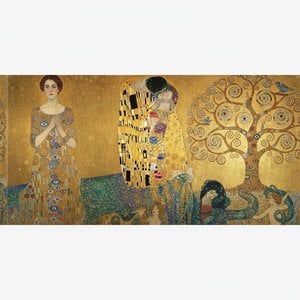
Gustav Klimt'in En İyi 25 Eseri: Sanat, Dekor ve İkonik Güzellik | ArtsDot
Gustav Klimt'in en ikonik 25 eserini keşfedin! Viyana Secession'dan Art Nouveau'ya, altın renklerin büyüsünden sembolizmin derin anlamlarına uzanan bir sanat yolculuğu. Ev dekorasyonunuz için lüks tabloları ArtsDot.com'da inceleyin.

Oil on Canvas: A Historical & Technical Exploration of a Timeless Artistic Medium
Explore the rich history & enduring techniques of oil painting on canvas. Discover the science behind its longevity, conservation practices, and contemporary relevance. Expert insights for art enthusiasts.

The Enduring Legacy of Oil on Canvas: Technique, History & Aesthetic Impact
Explore the rich history & techniques of oil painting – from Renaissance masters to Impressionism. Discover pigments, layering methods, and why this timeless medium endures. Expert insights for artists & art enthusiasts.