

 Gerçek Boyutta Önizle
 Paylaş
 Paylaş
 Detayları Gör
 Rehber

 İndir
İndir
 Benzer ürünler
 X-Işını
 Slayt Gösterisi
 Soru & Cevap
 İstatistikler
Orchard

- 39.0 x 28.0 cm


 Tümünü Gör
Giclée / Sanat Baskısı
Hızlı üretim ve esnek bitiş seçenekleriyle müze kalitesinde giclée veya kanvas baskı. ( El Yapımı Tablo Satın Al Dijital Görsele Geç)




P118B ₺10

P118H ₺10

P118W ₺10

P438Z ₺10

P508JH ₺12

P508YH ₺12

P805H ₺10

P805Z ₺10

P919BZ ₺10

P919G ₺10

P919XJ ₺10

P959ZH ₺10

P968JZ ₺12

W106C ₺8

W218G ₺10

W218JH ₺8

W218Y ₺10

W307PJ ₺10

W316G ₺10

W316PJ ₺8

W316Y ₺10

W398PJ ₺8

W4111J ₺10

W500HY ₺15

W500JH ₺15

W692G ₺12

W849H ₺8

W940BG ₺15

W953PJ ₺8




Eserin orijinal oranlarıyla uyumlu, önceden belirlenmiş boyutlarımız arasından seçim yapın.

Çerçevenize veya duvarınıza uygun olması için ihtiyacınız olan genişlik ve yüksekliği yazın. Bir baskı yalnızca kesilebilir, görselden daha büyük hale getirilemez; bu nedenle farklı bir formdaki boyut seçimi, görselin bir kısmının kaybına neden olur. Herhangi bir baskı yapmadan önce onaylamanız için size bir dijital taslak gönderiyoruz. Bu sayfada gösterilen resim gerçek kesimi göstermez — bunu yalnızca taslak gösterir.
Dünya Çapında Teslimat (); standart 4/5 hafta yerine 2 haftada. (4 Kasım)

Dünya Çapında Ücretsiz Ekspres Kargo

Yüksek Kaliteli Keten Kanvas

Tam Nakliye Sigortası

Gümrük Vergisi İadesi Garantisi

Gerçek Renk Uyumu Garantisi

100 Günlük İade Politikası (Sadece Kusurlu Ürünler İçin)

%100 Para İade Garantisi

Toplu Alım İndirimi
 Cam seçeneği yalnızca 110 cm altındaki boyutlar için mevcuttur.

Orchard
Giclée / Sanat Baskısı
Reproduksiyon Boyutu
-


Toplam Tutar
₺ 3097
Gustav Klimt’s “Orchard”: A Symphony of Green and Tranquil Symbolism
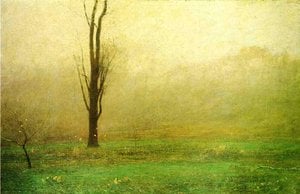
Gustave Klimt's "Orchard," painted in 1896, isn't merely a landscape; it’s an immersion into a realm of quiet contemplation and subtle symbolism. This oil-on-board masterpiece, measuring a modest 39 x 28 centimeters, embodies the core tenets of Symbolism while retaining a distinctly Impressionistic sensibility. Klimt, already establishing himself as a pivotal figure in Viennese art, crafted this scene not just to depict a field, but to evoke an atmosphere—a feeling of serene solitude and the gentle embrace of nature.
The painting immediately draws the eye with its dominant palette: a rich tapestry of greens – from the deep, shadowed hues of mature foliage to the lighter, almost luminous tones of newly sprouted grass. These aren’t sharply defined colors; instead, they blend seamlessly, creating an illusion of depth and texture that invites the viewer to lose themselves within the scene. Klimt masterfully employs loose brushstrokes, a hallmark of his style, allowing the paint itself to contribute to the overall impressionistic effect. The sky, rendered in broad washes of white and grey, adds to the diffused light, suggesting an overcast day—a perfect backdrop for this introspective landscape.
The Influence of Klimt’s Artistic Roots
To fully appreciate “Orchard,” it's crucial to understand Klimt’s artistic lineage. Early in his career, he studied at the Vienna Kunstgewerbeschule, focusing on architectural painting under Ferdinand Laufberger. This foundational training instilled a strong sense of technique and composition, providing him with the tools to later develop his unique Symbolist style. However, it was his exposure to artists like Gustave Moreau – whose studio he visited frequently – that truly shaped his artistic vision. Moreau’s exploration of mythology, symbolism, and decorative elements profoundly influenced Klimt's approach to color, texture, and narrative within his paintings.
The painting also reflects the broader artistic currents of the late 19th century. Symbolism was gaining momentum as a reaction against the realism and naturalism that dominated much of European art at the time. Artists sought to express inner emotions and ideas through evocative imagery, often employing dreamlike settings and symbolic objects. “Orchard” perfectly encapsulates this shift, prioritizing mood and suggestion over precise representation.
Decoding the Symbolism Within
Beyond its aesthetic beauty, "Orchard" is rich in symbolism. The orchard itself represents fertility, abundance, and the cyclical nature of life—themes frequently explored in Symbolist art. The two prominent trees, positioned centrally within the composition, could be interpreted as guardians or witnesses to this quiet drama. Their branches reach upwards, suggesting a connection between the earthly realm and something beyond. The scattered grasses and the diffused light contribute to a sense of mystery and introspection, inviting the viewer to contemplate their own place within the natural world.
The slightly distressed edges of the painting—a subtle indication of age or wear—add another layer of meaning. It suggests that this landscape has witnessed countless seasons, silently observing the passage of time. This sense of timelessness reinforces the painting’s contemplative mood and invites viewers to connect with its enduring beauty.
A Timeless Masterpiece: Reproduction Possibilities
Reproductions of “Orchard” offer a wonderful opportunity to bring this evocative landscape into your home or office. ArtsDot.com offers high-quality hand-painted reproductions that faithfully capture Klimt’s unique style and the painting's atmospheric qualities. The use of oil on canvas in the original ensures a rich, textured surface that is beautifully replicated in the reproduction process. Consider framing the artwork within a simple wooden frame to complement its rustic charm or opting for a more contemporary setting to create a striking visual contrast.
Whether you’re an art enthusiast, a collector seeking a piece of Viennese Symbolism, or simply someone who appreciates beautiful landscapes, “Orchard” by Gustav Klimt remains a timeless masterpiece—a testament to the power of art to evoke emotion and transport us to another world.
Soru ve Cevaplar
Gustav Klimt imzalı "Orchard" hangi teknikle icra edilmiştir?
"Orchard", Oil On Canvas kullanılarak icra edilmiştir.
Gustav Klimt imzalı "Orchard" eserinin görselini nasıl indirebilirim?
"Orchard" için bir indirme seçeneği mevcuttur: eserin Dijital İndirme sayfası yüksek çözünürlüklü dijital görsel indirme imkanı sunmaktadır.
Gustav Klimt imzalı "Orchard" hangi konuyu ve atmosferi bir araya getiriyor?
"Orchard", orchard landscape, klimt style art, floral painting, pastel colors, serene scene, austrian art, nature’s beauty konularını işlerken Calm bir atmosfer sunmaktadır.
Benzer Eserler


Sanatçı Özgeçmişi
Erken Yaşamı ve Sanatsal Başlangıçlar
Gustav Klimt, 14 Temmuz 1862’de Viyana yakınlarında Baumgarten'de dünyaya geldi. Ailesi hem sanatsal eğilimlere hem de maddi zorluklara sahip bir aileydi. Babası Ernst Klimt, altın gravürcüsüydü; bu meslek genç Gustav’ın estetik anlayışını ince ve derin bir şekilde etkileyecekti – altının cazibesi, titiz detaylar, eşsiz zenginlik. Ailenin yaşadığı sıkıntılar nedeniyle Viyana içinde sık sık taşınmaları, Klimt'te çevresini dikkatle gözlemleme ve insan deneyimine karşı duyarlılık gibi özelliklerin gelişmesine katkıda bulundu. Çocukken bile çizim yeteneği olağanüstüydü; bu yetenek hem babasının mesleği hem de doğuştan gelen bir yetenek tarafından beslendi. 1876’da Viyana Uygulamalı Sanatlar Okulu'na (Kunstgewerbeschule) girdi ve Ferdinand Laufberger yönetiminde mimari resim eğitimi almaya başladı. Bu, ona sağlam bir teknik temel sağladı ancak aynı zamanda hakim akademik tarzlara da maruz bıraktı – Klimt’in sonunda onları aşacağı ve sorgulayacağı tarzlar. Burada kardeşi Ernst ve Franz von Matsch ile önemli bir sanatsal ortaklık kurdu; bu işbirliği erken dönemde dekoratif duvar resimleri ve tavanlar için komisyonlar almalarını sağladı ve gelecekteki başarısı için zemin hazırladı.Viyana Sezession’un Yükselişi
1890'ların sonlarında Klimt, Viyana sanat camiasındaki muhafazakar tutumdan giderek daha fazla hoşnutsuzluk duymaya başladı. Daha fazla yaratıcı özgürlüğe, yeniliğin geleneklerin kısıtlamaları olmaksızın gelişebileceği bir alana ihtiyaç duyuyordu. Bu arzu, Avusturya sanat tarihinde önemli bir dönüm noktası olan 1897'de Viyana Sezession’un kurulmasıyla sonuçlandı. Klimt, hareketin ilk başkanı olarak seçildi ve yeni sanatsal akımları kucaklayan bir harekete öncülük etti – Art Nouveau, Sembolizm ve Japonizm. Sezession binası, Joseph Maria Olbrich tarafından tasarlanmış; bu bina, modern sanatın tapınağı haline gelerek isyanın sembolü oldu. Klimt'in çalışmaları Sezession’un felsefesinin merkezindeydi; alışılagelmiş estetik anlayışların reddini ve dekoratif öğelerin, cesur renklerin ve sembolik imgelerin benimsenmesini temsil ediyordu. Resimleri, toplumsal normları zorlayarak hem hayranlık uyandırdı hem de tepki çektiği aşk, ölüm ve cinsellik temalarını eşi benzeri görülmemiş bir dürüstlükle ele aldı.Altın Dönem ve Sanatsal Olgunluk
1900'lerin başlarında Klimt, günümüzde "Altın Dönem" olarak bilinen bir döneme girdi; bu dönem, Bizans mozaiklerinden ve ortaçağ el yazmalarından ilham alan altın yaprakların cömertçe kullanılmasıyla karakterize edildi. Bu teknik, resimlerini ruhani derinlik ve duyusal çekicilikle dolu, dünyevi olmayan görkemli vizyonlara dönüştürdü. Belki de en ikonik eseri olan *Öpücük* (1907-1908), bu tarzı örneklendiriyor – altın bir aura ile çevrili, karmaşık desenlerle süslenmiş bedenleriyle kucaklaşan bir çift. Bu dönemde aynı zamanda *Adele Bloch-Bauer I* (1907) gibi çarpıcı portreler de üretti; bu portrelerde sadece fiziksel benzerliği değil, aynı zamanda konularının psikolojik karmaşıklığını da yakalama yeteneğini sergiledi. Resim ve süsleme arasındaki sınırları giderek bulanıklaştırdı; form ile içeriğin uyumlu bir sentezini yaratmak için kompozisyonlarına dekoratif öğeler entegre etti. Japon sanatının –Japonizm– etkisi özellikle belirginydi; düzleştirilmiş perspektifi, çizgiye verdiği önem ve dekoratif desen kullanımıyla kendini gösterdi.Tartışmalar, Etkiler ve Kalıcı Miras
Klimt'in kariyeri tartışmalardan azade değildi. 1900 yılında Viyana Üniversitesi’nin Büyük Salonu için tavan resimleri yapma görevi aldı; burada Felsefe, Hukuk ve Teoloji temalarını temsil etti. Ancak bu çalışmalar –özellikle *Felsefe*– muhafazakar eleştirmenler tarafından müstehcen olarak değerlendirildi ve kamuoyunda tepkilere yol açtı; bu durum Klimt'in daha fazla kamu görevi almasını engelledi. Bu olay, kariyerinde bir dönüm noktası oldu ve onu daha özel himaye altına iterek daha büyük sanatsal özgürlük sağlamasına olanak tanıdı. Hayatı boyunca Hans Makart’ın tarihi resimlerinden Bizans ve Japonya sanatının dekoratif geleneklerine kadar çeşitli sanatçılardan ve stillerden etkilendi. Sembolizm akımından da ilham aldı; mitoloji, alegori ve bilinçaltı gibi temaları ele aldı. Gustav Klimt, İspanyol gribi salgını sırasında 6 Şubat 1918’de felç sonucu hayatını kaybettiği ana kadar üretken bir şekilde resim yapmaya devam etti. Daha sonraki çalışmaları daha soyut formları ve manzaraları keşfederek sürekli sanatsal evrimini gösterdi. Günümüzde Avusturya sanat tarihinde en önemli figürlerden biri, Viyana Sezession’un önde gelen temsilcisi ve Art Nouveau zarafetinin kalıcı bir sembolü olarak tanınmaktadır. Resimleri açık artırmada yüksek fiyatlara satılıyor ve etkisi günümüz sanatında ve tasarımda yaşamaya devam ediyor.Temel Özellikler & Sanatsal Tarz
- Sembolizm: Klimt'in çalışmaları derinlemesine semboliktir; aşk, ölüm, cinsellik ve insanlık durumu gibi temaları sıklıkla ele alır.
- Art Nouveau: Art Nouveau hareketinin önde gelen figürlerinden biriydi; organik çizgileri, dekoratif desenleri ve güzelliğe verdiği önem ile karakterizedir.
- Altın Dönem: Altın yaprak kullanımının yarattığı parıldayan, görkemli yüzeyler onun imza tarzı haline geldi.
- Dekoratif Öğeler: Klimt, resimlerini süslemelerle entegre ederek resim ve süsleme arasındaki sınırları bulanıklaştırdı.
- Kadın Formu: Kadın bedeni çalışmalarının merkezinde yer aldı; genellikle şehvetli ve psikolojik derinlik ile tasvir edildi.

Gustav Klimt
1862 - 1918 , Avusturya
Kısa Bilgiler
- Artistic Movement Or Style: Sembolizm, Art Nouveau
- Artists Or Movements Influenced By This Artist:
- Egon Schiele
- Dışavurumculuk
- Sürrealizm
- Artists Who Influenced This Artist:
- Hans Makart
- Japon sanatı
- Bizans sanatı
- Date Of Birth: 14 Temmuz 1862
- Date Of Death: 6 Şubat 1918
- Full Name: Gustav Klimt
- Nationality: Avusturyalı
- Notable Artworks:
- Öpücük
- Adele Bloch-Bauer I
- Su Yılanları
- Felsefe
- Place Of Birth: Viyana, Avusturya
Benzer Yazılar
Gustav Klimt'in En İyi 25 Eseri: Sanat, Dekor ve İkonik Güzellik | ArtsDot
Gustav Klimt'in en ikonik 25 eserini keşfedin! Viyana Secession'dan Art Nouveau'ya, altın renklerin büyüsünden sembolizmin derin anlamlarına uzanan bir sanat yolculuğu. Ev dekorasyonunuz için lüks tabloları ArtsDot.com'da inceleyin.

Evocations of Place: A Historical Journey Through Landscape Art
Explore the rich history of landscape art with ArtsDot. Discover renowned artists, movements like Impressionism & Romanticism, and expert guidance for collecting timeless pieces. Find your perfect serene escape today!

Impressionistic Landscapes: 10 Masterpieces That Changed Art & Decor
Journey into the heart of Impressionism! Explore 10 masterpieces by Monet, Renoir & Degas that revolutionized landscape art. Discover their stories, techniques & find museum-quality reproductions to elevate your home decor on ArtsDot.com.

Art Nouveau'nun Zarafeti: Evinizi Tanımlayan 10 Eser ve Sanat Rönesansı
Art Nouveau'nun büyüleyici dünyasına yolculuk! Gustav Klimt, Mucha gibi ustaların 10 başyapıtıyla evinizi sanatla dönüştürün. Sanat tarihi, renkler ve dekorasyon için ArtsDot.com'da keşfedin!
İzlenimci Manzarayı Şekillendiren 10 Başyapıt: Sanat ve Ev Dekorasyonunda Zarafet
İzlenimci manzara sanatının zirvesi! Monet, Renoir gibi ustaların 10 başyapıtıyla doğanın büyüsünü keşfedin. Sanat tarihi ve ev dekorasyonunda iz bırakmış eserleri ArtsDot.com'da inceleyin. Koleksiyonumuzu online olarak keşfedin!


