


 Önizle
 Gönder
 Paylaş
 Detaylar
 Rehber

 Dosyayı İndir
 Benzerleri
 X-Işını
 Slayt Gösterisi
 İstatistikler
Valery


 Devamını Oku
Giclée / Sanat Baskısı
Hızlı üretim ve esnek bitiş seçenekleriyle müze kalitesinde giclée veya kanvas baskı. ( El Yapımı Tablo Satın Al Dijital Görsel Satışına Geç)




P118B ₺10

P118H ₺10

P118W ₺10

P438Z ₺10

P508JH ₺12

P508YH ₺12

P805H ₺10

P805Z ₺10

P919BZ ₺10

P919G ₺10

P919XJ ₺10

P959ZH ₺10

P968JZ ₺12

W106C ₺8

W218G ₺10

W218JH ₺8

W218Y ₺10

W307PJ ₺10

W316G ₺10

W316PJ ₺8

W316Y ₺10

W398PJ ₺8

W4111J ₺10

W500HY ₺15

W500JH ₺15

W692G ₺12

W849H ₺8

W940BG ₺15

W953PJ ₺8




Eserin orijinal oranlarıyla uyumlu, önceden belirlenmiş boyutlarımız arasından seçim yapın.

Belirli bir çerçeveye veya alana uyması için kendi ölçülerinizi girebilirsiniz. Seçtiğiniz boyut orijinal görüntünün oranlarıyla eşleşmiyorsa, sanat eserini kırpacağız veya görüntüyü aynalanmış ya da düz dolgulu bir kenarlıkla genişleteceğiz. Üretim başlamadan önce onayınız için bir dijital taslak gönderilecektir.
Lütfen ekrandaki önizlemenin gerçek kırpma veya genişletmeyi yansıtmadığını unutmayın. Nihai kompozisyonu yalnızca taslak doğru bir şekilde gösterecektir.
Özel boyutlar mevcut olsa da, orijinal oranları korumak için önceden tanımlanmış listeden bir boyut seçmenizi öneririz.
Dünya Çapında Teslimat (); standart 4/5 hafta yerine 2 haftada. (6 Ekim)

Dünya Çapında Ücretsiz Ekspres Kargo

Yüksek Kaliteli Keten Tuval

Tam Nakliye Sigortası

Gümrük Vergisi İadesi Garantisi

Gerçek Renk Uyumu Garantisi

100 Günlük İade Koşulları (Sadece Üretim Hatalı Ürünler İçin)

%100 Para İade Garantisi

Toplu Alım Avantajı
 Cam seçeneği yalnızca 110 cm altındaki boyutlar için mevcuttur.

Valery
Giclée / Sanat Baskısı
Baskı Boyutu
-


Toplam Fiyat
₺ 3004
Valery: A Study in Contemplation – Gerhard Richter’s Echoes of History
Gerhard Richter's "Valery," a seemingly simple black and white photograph, is far more than a portrait; it’s a carefully constructed meditation on time, memory, and the weight of experience. The image presents a man, his features etched with a quiet seriousness, gazing into the distance – an act that immediately invites us to project our own narratives onto his face. The starkness of the monochrome palette amplifies this effect, stripping away any superficial distractions and forcing a direct engagement with the subject’s internal state. Richter's masterful control over light and shadow creates a palpable sense of atmosphere, suggesting both vulnerability and resilience.
Born in Dresden in 1932, Richter’s life has been inextricably linked to the tumultuous history of Germany. His childhood, marked by displacement during wartime and the subsequent rise of National Socialism, instilled within him a profound awareness of uncertainty – an element that profoundly informs his artistic practice. This early experience isn't merely biographical; it’s woven into the very fabric of his work, manifesting as a persistent questioning of representation and the nature of reality. The photograph’s composition—a close-up portrait emphasizing the man’s face—can be interpreted as an attempt to capture this elusive sense of inner life, a feeling Richter has consistently explored throughout his career.
The Language of Absence: Richter's Photorealistic Technique
Richter is renowned for his distinctive approach to photography. He doesn’t aim to replicate reality with photographic precision; instead, he employs a technique often described as “photographic painting.” He builds up layers of paint on canvas, meticulously recreating the appearance of a photograph – not by faithfully reproducing details, but by suggesting them through subtle gradations of tone and texture. This process deliberately obscures the original image, creating an ambiguity that is central to Richter’s work. In "Valery," this technique is particularly evident in the soft blurring of edges and the delicate rendering of the man's mustache – elements that are not sharply defined but rather hinted at through a careful orchestration of color and brushstroke.
The choice of black and white further enhances this effect, removing the potential for color to distract from the underlying structure. It’s a deliberate decision that aligns with Richter’s broader exploration of memory and the subjective nature of perception. Black and white photographs often evoke a sense of nostalgia, transporting us back in time and inviting us to contemplate the past. The absence of color also allows the viewer to focus on the formal elements of the image – its composition, texture, and tonal range – creating a more contemplative experience.
Valery: A Reflection of Legasov’s Legacy
Interestingly, Richter's work shares thematic resonances with Valery Alekseyevich Legasov, the Soviet nuclear physicist who played a crucial role in containing the 1986 Chernobyl disaster. Legasov, depicted in a photograph from the IAEA investigation, embodies a similar sense of quiet dignity and profound responsibility – qualities that are powerfully conveyed in Richter’s portrait. Both figures grapple with the consequences of immense tragedy and possess an unwavering commitment to truth, even in the face of overwhelming adversity. While Richter's work doesn't directly depict the Chernobyl event, "Valery" can be seen as a broader meditation on human resilience and the enduring power of memory.
The photograph’s contemplative mood invites us to consider the unseen burdens carried by individuals who have witnessed or experienced profound loss. It’s a portrait not just of a man, but of an entire era – a testament to the complexities of history and the enduring human spirit. Richter's "Valery" is therefore more than simply a photograph; it’s a poignant reminder of our shared humanity and the importance of bearing witness to the past.
Soru ve Cevaplar
"Valery" eserinin yağlı boya reprodüksiyonunu sipariş edebilir miyim?
Gerhard Richter imzalı "Valery" eserinin el boyaması kopyaları bu web sitesi üzerinden satılmaktadır: keten kanvas üzerine el boyaması yağlı boya reprodüksiyon, bu sayfa adresinden sipariş verebilirsiniz.
Gerhard Richter imzalı "Valery" eserinin duygusal tonu nedir?
Gerhard Richter imzalı "Valery", Melancholic bir duygusal ton yansıtıyor.
"Valery" eserini kim yarattı?
"Valery", Gerhard Richter tarafından yaratılmıştır. Bu sayfadaki bilgiler Gerhard Richter imzalı orijinal esere aittir.
"Valery" hangi tarza aittir?
Gerhard Richter imzalı "Valery" adlı eserin dahil olduğu akım Contemporary Realism akımıdır. Bu sınıflandırma, çalışmayı ilgili sanatçılar ve sanat eserleri arasında konumlandırır.
"Valery" eserinin hangi boyutta basılması önerilir?
"Valery" için önerilen baskı boyutu Large'dır. Aynı oranlarda diğer boyutlar da mevcuttur.
"Valery" adlı eser, Contemporary Realism akımının ünlü bir eseri mi?
Contemporary Realism akımı içerisinde, "Valery" eseri Legendary düzeyinde bir popülerliğe sahiptir.
"Valery" adlı eser bir sanat baskısı olarak mevcut mu?
Gerhard Richter imzalı "Valery" eserinin bir baskısını edinmek için bu sayfa üzerinden sipariş vermeniz yeterlidir: pamuklu kanvas veya arşivlik kanvas kağıt üzerine yüksek kaliteli sanat baskısı.
İlgili Eserler


Sanatçı Biyografisi
Bölünmüş Bir Hayatın İzleri: Gerhard Richter’in İlk Yılları ve Sanatsal Oluşumu
Gerhard Richter’in hikayesi, 20. yüzyıl Almanya’sının parçalanmış tarihiyle ayrılmaz bir biçimde birbirine bağlıdır. 1932 yılında Dresden’de doğan sanatçının çocukluğu, yükselen bir Nasyonal Sosyalist rejimin gölgesinde şekillendi. Savaş yıllarında ailesinin defalarca yer değiştirmek zorunda kaldığı bu formative dönem, onda derin bir belirsizlik duygusu ve on yıllar boyunca sanatsal pratiğine nüfuz edecek olan sorgulayıcı bir ruh yarattı. Reichenau ve Waltersdorf’taki erken çocukluk yıllarının huzurlu manzaraları, çatışmaların gelişiyle kısa sürede bozuldu ve bu durum ruh dünyasında silinmez izler bıraktı. Babası, Nazi partisinin ateşli bir destekçisi olmasa da, otoriter yönetim altındaki hayatın zorluklarını bir öğretmen olarak göğüslerken; annesi aile içinde edebiyat ve müziğe duyulan sevgiyi besledi. Bu ikilik —koşulların pragmatik bir kabulu ile kültürel ifadeye duyulan derin özlem— Richter’in kendi sanatsal yaklaşımının belirleyici bir özelliği haline geldi. 1951 yılında Dresden Güzel Sanatlar Akademisi'nde resmi eğitimine başladı; başlangıçta Doğu Almanya devletinin dayattığı sosyalist realizm geleneğinin içine hapsolmuş durumdaydı. Ancak bu kısıtlı ortamda bile, ideolojik sınırlamalara duyulan artan hoşnutsuzluk ve daha geniş yaratıcı olanakları keşfetme arzusuyla beslenen bir sanatsız özgürlük tutkusu yüzeyin altında sessizce kaynamaya devam ediyordu.Sınırlardan Kaçış: Düsseldorf ve Üslup Arayışı
1961 yılı, sanatçının kaderini değiştiren dönüm noktası oldu. Richter, eşi Marianne Eufinger ile birlikte Doğu Almanya’dan kaçma yönünde cesur bir karar alarak, Düsseldorf’un yükselen sanat sahnesine sığındı. Bu hamle, onun sanatsal yolculuğunda radikal bir kırılmayı temsil ediyordu. Batı Almanya’nın sunduğu bu yeni ortam, deney ve yeniliğin sadece izin verilen değil, aynı zamanda aktif olarak teşvik edildiği özgürleştirici bir atmosfer sunuyordu. Düsseldorf’ta; kimlik, temsil ve tarihin mirası gibi sorularla boğuşan canlı bir sanat topluluğuyla karşılaştı. Sosyalist realizmin katı üslup kurallarını hızla parçalamaya başladı ve erken olgunluk dönemini tanımlayacak olan yoğun bir keşif sürecine girdi. Bu dönemde, fotoğrafları şaşırtıcı bir hassasiyetle yeniden yaratan fotorealizmden, cesur renkler ve dinamik fırça darbeleriyle karakterize edilen soyut kompozisyonlara kadar birbirinden tamamen farklı görünen yaklaşımlar arasında gidip geldi. Sigmar Polke ile gerçekleştirdiği iş birliği, yerleşik sanatsal normlara duydukları ortak şüpheyi ve reklam ile kitle iletişim araçlarından alınan imgelerin kullanımını yansıtan, kasıtlı olarak belirsiz bir etiket olan ‘Kapitalist Realizm’ teriminin doğmasına yolak açtı. Bu dönem, tek bir üslup bulma çabasından ziyade, üslup bütünlüğü kavramını sorgulamak ve çelişkiyi temel bir ilke olarak benimsemek üzerine kuruluydu.Sınırların Bulanıklaşması: Fotorealizm, Soyutlama ve Tesadüfün Gücü
Richter’in sanatsal sözlüğü, 1960’lar boyunca ve sonrasında olağanüstü bir teknik ve tema yelpazesini kapsayacak şekilde genişledi. Genellikle aile fotoğraflarına veya gazete görüntülerine dayanan fotorealistik tabloları, gerçekliğin basit kopyaları değil; algının ve temsilin doğasına yönelik derin araştırmalardır. Bu görüntüleri neredeyse klinik bir mesafeyle titizlikle işleyerek, izleyiciyi fotografik hakikatin içsel belirsizliğiyle yüzleşmeye zorlar. Aynı zamanda Richter, canlı renkler ve jestsel izlerle katmanlanmış tuvaller yaratarak soyutlamanın derinliklerine daldı. Bu soyut çalışmalar, genellikle cam temizlemek için kullanılan spatulalar (squeegees) aracılığıyla gerçekleştirilir; sanatçı bu araçları tuval yüzeyinde sürükleyerek boyayı öngörülemez şekillerde manipüle eder. Tesadüfe ve kendiliğindenliğe duyulan bu bağlılık, kontrolü bırakmasına ve beklenmedik sonuçlara kapı açmasına olanca sanatsal felsefesinin merkezinde yer alır. Renkli karelerin sistematik düzenlemeleri olan ‘Renk Çizelgeleri’ (Color Charts) ise, sanatsal ifadenin geleneksel kavramlarına meydan okuyarak resmin tanımını bizzat sorgular. Bu eserler bireysel estetik tercihlerle ilgili değil, rengin özündeki özellikleri ve organizasyonel olasılıklarını keşfetmekle ilgilidir.Miras ve Etki: Çağdaş Sanatın Ustası
Gerhard Richter’in çağdaş sanat üzerindeki etkisi yadsınamaz. Kurallara meydan okuma cesareti, teknik konusundaki amansız denemeleri ve tarihsel ile politik temalarla kurduğu derin bağ, onu zamanımızın en önemli sanatçılarından biri olarak konumlandırmıştır. Eserlerini tek bir üslup çerçevesine hapsetme girişimlerine direnerek, kolayca kategorize edilmeyi her zaman reddetmiştir. Bu tanımlanmayı reddediş, teknik ustalığı ve entelektüel titizliğiyle birleştiğinde, ona geniş çaplı eleştirel beğeni ve ticari başarı kazandırmıştır; tabloları müzayedelerde düzenli olarak rekor fiyatlara alıcı bulmaktadır. Ancak piyasa değerinin ötesinde, çok daha derin bir anlam yatar. Richter’in sanatı; hafıza, kimlik ve parçalanmış bir dünyada anlam arayışı gibi meselelerle boğuşarak modern varoluşun karmaşıklığına hitap eder. O, cevaplar sunmak yerine sorular sorar; izleyiciyi kendi ön yargılarıyla yüzleşmeye ve eleştirel bir diyaloğa girmeye davet eder. Onun etkisi, yenilikçi tekniklerine ve sanatsal keşfe olan sarsılmaz bağlılığına kapılan, onun izinden giden sayısız sanatçının eserlerinde görülebilir. Richter’in mirası sadece güzel nesneler yaratmakla ilgili değildir; resmin kendi olasılıklarını genişletmekle ilgilidir. Zorlayıcı ve derin yankı uyandıran işleriyle izleyiciyi etkilemeye ve düşündürmeye devam eden, çağdaş sanatın hayati bir gücü olmaya devam etmektedir.
Gerhard Richter
1932 - , Almanya
Kısa Bilgiler
- Artistic Movement Or Style:
- Fotorealizm
- Soyut sanat
- Artists Or Movements Influenced By This Artist: ['Sigmar Polke']
- Artists Who Influenced This Artist:
- Jean Arp
- Pablo Picasso
- Date Of Birth: 9 Şubat 1932
- Full Name: Gerhard Richter
- Nationality: Alman
- Notable Artworks:
- Gilbert
- S. ile Çocuk
- Place Of Birth: Dresden, Almanya
İlgili Yazılar

Beyond the Lens: Photography's Enduring Influence on Modern & Contemporary Art
Explore photography's pivotal role in shaping modern & contemporary art. Discover key movements, influential artists like Stieglitz, and expert collecting advice from ArtsDot.

Dark Masterpieces: 10 Iconic Paintings Dominated by Black Tones |
Explore 10 iconic paintings dominated by black tones, from Rembrandt’s chiaroscuro to Goya's dark expressions. Discover the stories behind these masterpieces & find museum-quality art reproductions for your home at .

White on Canvas: 10 Masterpieces & Timeless Elegance for Your Home Decor
Explore 10 iconic white paintings by Monet, Whistler & Rothko! Discover the stories behind these serene masterpieces and their impact on art history. Find museum-quality reproductions for your home decor at .

Monochrome Visions: Exploring the Aesthetic & Historical Significance of Black & White Photography
Explore the rich history & artistic power of black and white photography. From early techniques to iconic masters like Ansel Adams, discover why monochrome continues to captivate art lovers today. Expert insights for collectors.
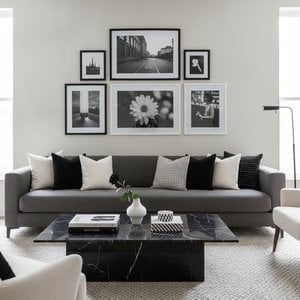
Timeless & Chic: Elevating Your New Home with the Sophistication of Black and White Photography
Transform your new home with the timeless allure of black and white photography. ArtsDot.com specializes in elegant monochrome decor and custom hand-painted wedding portraits that turn cherished milestones into lasting, soulful masterpieces. Elevate your space with ease.


