


 Önizle
 Gönder
 Paylaş
 Detaylar
 Rehber

 Dosyayı İndir
 Benzerleri
 X-Işını
 Slayt Gösterisi
 İstatistikler
Ema
 Acrylic On Canvas
- WallArt
- Contemporary Realism
 1992
1992- Contemporary
 153.0 x 227.0 cm
 Devamını Oku
Bu sayfada sergilenen eser telif hakkı yasasıyla korunmaktadır; bu da yasal olarak eserin birebir kopyasını oluşturamayacağımız veya satamayacağımız anlamına gelir. Bu koruma, aşağıdakiler gibi uluslararası anlaşmalar kapsamında uygulanmaktadır: Bern Sözleşmesi ve aşağıdakiler de dahil olmak üzere ulusal yasalarca belirlenen ABD Telif Hakkı Kanunu - 17. Başlık.
Bu yöntem, koruma altındaki sanat eserinin kopyalanmasını veya çoğaltılmasını içermediği için telif hakkı düzenlemelerine tam uyum sağlar. Bunun yerine, yaratıcı bir yeniden yorumlamadır; orijinalinden etkilenen ancak onunla aynı olmayan yeni bir tablodur.
Giclée / Sanat Baskısı
Hızlı üretim ve esnek bitiş seçenekleriyle müze kalitesinde giclée veya kanvas baskı. ( El Yapımı Tablo Satın Al Dijital Görsel Satışına Geç)




P118B ₺10

P118H ₺10

P118W ₺10

P438Z ₺10

P508JH ₺12

P508YH ₺12

P805H ₺10

P805Z ₺10

P919BZ ₺10

P919G ₺10

P919XJ ₺10

P959ZH ₺10

P968JZ ₺12

W106C ₺8

W218G ₺10

W218JH ₺8

W218Y ₺10

W307PJ ₺10

W316G ₺10

W316PJ ₺8

W316Y ₺10

W398PJ ₺8

W4111J ₺10

W500HY ₺15

W500JH ₺15

W692G ₺12

W849H ₺8

W940BG ₺15

W953PJ ₺8




Eserin orijinal oranlarıyla uyumlu, önceden belirlenmiş boyutlarımız arasından seçim yapın.

Çerçevenize veya duvarınıza uygun olması için ihtiyacınız olan genişlik ve yüksekliği yazın. Bir baskı yalnızca kesilebilir, görselden daha büyük hale getirilemez; bu nedenle farklı bir formdaki boyut seçimi, görselin bir kısmının kaybına neden olur. Herhangi bir baskı yapmadan önce onaylamanız için size bir dijital taslak gönderiyoruz. Bu sayfada gösterilen resim gerçek kesimi göstermez — bunu yalnızca taslak gösterir.
Dünya Çapında Teslimat (); standart 4/5 hafta yerine 2 haftada. (23 Ekim)

Dünya Çapında Ücretsiz Ekspres Kargo

Yüksek Kaliteli Keten Tuval

Tam Nakliye Sigortası

Gümrük Vergisi İadesi Garantisi

Gerçek Renk Uyumu Garantisi

100 Günlük İade Koşulları (Sadece Üretim Hatalı Ürünler İçin)

%100 Para İade Garantisi

Toplu Alım Avantajı
 Cam seçeneği yalnızca 110 cm altındaki boyutlar için mevcuttur.

Ema
Giclée / Sanat Baskısı
Baskı Boyutu
-


Toplam Fiyat
₺ 3031
A Reflection on Movement and Memory: Exploring Gerhard Richter’s Ema
Gerhard Richter's *Ema*, painted in 1992, stands as a masterful distillation of photographic influence combined with Richter’s signature artistic exploration. More than just an image captured on canvas; it’s a meditation on perception itself—a dialogue between stillness and the fleeting impression of motion, mirroring the anxieties and uncertainties that characterized Richter's formative years amidst the turbulent backdrop of post-war Germany. The painting’s genesis lies in a photograph taken by Richter himself of his first wife descending a staircase – an act of deliberate repetition designed to interrogate the very nature of representation. This conceptual underpinning is powerfully reinforced by its connection to Marcel Duchamp’s groundbreaking *Nude Descending a Staircase*, a work rejected by Cubists but subsequently recognized as a pivotal cubo-futurist masterpiece. Richter's response wasn’t merely stylistic imitation; it was an acknowledgement of artistic lineage while forging his own distinctive path, firmly rooted in European Pop Art sensibilities.- Style and Technique: Richter employs a technique known as ‘photogram,’ where he lays the photographic print directly onto canvas and exposes it to ultraviolet light. This process creates a hazy, ethereal image—a ghost of the original photograph—that simultaneously captures and obscures its subject matter. The resulting surface possesses an almost velvety texture, achieved through multiple layers of paint applied with a squeegee, further blurring the boundaries between painting and photography.
- Compositional Analysis: The central figure – a woman – occupies the staircase’s upper section, her back turned to the viewer. This deliberate positioning invites contemplation on vulnerability and unspoken emotion. The steps themselves serve as compositional anchors, guiding the eye upwards while simultaneously emphasizing the woman's solitary journey. Richter skillfully utilizes tonal variations to create depth and atmosphere, subtly conveying a sense of quiet dignity.
- Emotional Impact: *Ema* evokes a profound sense of melancholy and introspection. The painting's muted palette contributes to its contemplative mood, inviting viewers to consider themes of solitude, vulnerability, and the elusive nature of experience. It’s a piece that lingers in the mind long after viewing, prompting reflection on the complexities of human emotion and the enduring power of memory.
Soru ve Cevaplar
Gerhard Richter imzalı "Ema" eserinin renk kompozisyonu nasıl kurgulanmıştır?
"Ema" eserinde, Bold bir kontrast, Strong Color Unity bir uyumla eşleşiyor.
Gerhard Richter imzalı "Ema" eserinin gerçek boyutları nedir?
"Ema" adlı eserin orijinal boyutları 153 x 227 cm ölçülerindedir. Orijinal boyutlar, bir reprodüksiyon boyutu seçerken yararlı bir referans niteliğindedir.
Gerhard Richter imzalı "Ema" reprodüksiyonu ne amaçla kullanılabilir?
Gerhard Richter imzalı "Ema" için önerilen kullanım Accent şeklindedir. Bunun yanı sıra başka amaçlarla da kullanılabilir.
İlgili Eserler


Sanatçı Biyografisi
Bölünmüş Bir Hayatın İzleri: Gerhard Richter’in İlk Yılları ve Sanatsal Oluşumu
Gerhard Richter’in hikayesi, 20. yüzyıl Almanya’sının parçalanmış tarihiyle ayrılmaz bir biçimde birbirine bağlıdır. 1932 yılında Dresden’de doğan sanatçının çocukluğu, yükselen bir Nasyonal Sosyalist rejimin gölgesinde şekillendi. Savaş yıllarında ailesinin defalarca yer değiştirmek zorunda kaldığı bu formative dönem, onda derin bir belirsizlik duygusu ve on yıllar boyunca sanatsal pratiğine nüfuz edecek olan sorgulayıcı bir ruh yarattı. Reichenau ve Waltersdorf’taki erken çocukluk yıllarının huzurlu manzaraları, çatışmaların gelişiyle kısa sürede bozuldu ve bu durum ruh dünyasında silinmez izler bıraktı. Babası, Nazi partisinin ateşli bir destekçisi olmasa da, otoriter yönetim altındaki hayatın zorluklarını bir öğretmen olarak göğüslerken; annesi aile içinde edebiyat ve müziğe duyulan sevgiyi besledi. Bu ikilik —koşulların pragmatik bir kabulu ile kültürel ifadeye duyulan derin özlem— Richter’in kendi sanatsal yaklaşımının belirleyici bir özelliği haline geldi. 1951 yılında Dresden Güzel Sanatlar Akademisi'nde resmi eğitimine başladı; başlangıçta Doğu Almanya devletinin dayattığı sosyalist realizm geleneğinin içine hapsolmuş durumdaydı. Ancak bu kısıtlı ortamda bile, ideolojik sınırlamalara duyulan artan hoşnutsuzluk ve daha geniş yaratıcı olanakları keşfetme arzusuyla beslenen bir sanatsız özgürlük tutkusu yüzeyin altında sessizce kaynamaya devam ediyordu.Sınırlardan Kaçış: Düsseldorf ve Üslup Arayışı
1961 yılı, sanatçının kaderini değiştiren dönüm noktası oldu. Richter, eşi Marianne Eufinger ile birlikte Doğu Almanya’dan kaçma yönünde cesur bir karar alarak, Düsseldorf’un yükselen sanat sahnesine sığındı. Bu hamle, onun sanatsal yolculuğunda radikal bir kırılmayı temsil ediyordu. Batı Almanya’nın sunduğu bu yeni ortam, deney ve yeniliğin sadece izin verilen değil, aynı zamanda aktif olarak teşvik edildiği özgürleştirici bir atmosfer sunuyordu. Düsseldorf’ta; kimlik, temsil ve tarihin mirası gibi sorularla boğuşan canlı bir sanat topluluğuyla karşılaştı. Sosyalist realizmin katı üslup kurallarını hızla parçalamaya başladı ve erken olgunluk dönemini tanımlayacak olan yoğun bir keşif sürecine girdi. Bu dönemde, fotoğrafları şaşırtıcı bir hassasiyetle yeniden yaratan fotorealizmden, cesur renkler ve dinamik fırça darbeleriyle karakterize edilen soyut kompozisyonlara kadar birbirinden tamamen farklı görünen yaklaşımlar arasında gidip geldi. Sigmar Polke ile gerçekleştirdiği iş birliği, yerleşik sanatsal normlara duydukları ortak şüpheyi ve reklam ile kitle iletişim araçlarından alınan imgelerin kullanımını yansıtan, kasıtlı olarak belirsiz bir etiket olan ‘Kapitalist Realizm’ teriminin doğmasına yolak açtı. Bu dönem, tek bir üslup bulma çabasından ziyade, üslup bütünlüğü kavramını sorgulamak ve çelişkiyi temel bir ilke olarak benimsemek üzerine kuruluydu.Sınırların Bulanıklaşması: Fotorealizm, Soyutlama ve Tesadüfün Gücü
Richter’in sanatsal sözlüğü, 1960’lar boyunca ve sonrasında olağanüstü bir teknik ve tema yelpazesini kapsayacak şekilde genişledi. Genellikle aile fotoğraflarına veya gazete görüntülerine dayanan fotorealistik tabloları, gerçekliğin basit kopyaları değil; algının ve temsilin doğasına yönelik derin araştırmalardır. Bu görüntüleri neredeyse klinik bir mesafeyle titizlikle işleyerek, izleyiciyi fotografik hakikatin içsel belirsizliğiyle yüzleşmeye zorlar. Aynı zamanda Richter, canlı renkler ve jestsel izlerle katmanlanmış tuvaller yaratarak soyutlamanın derinliklerine daldı. Bu soyut çalışmalar, genellikle cam temizlemek için kullanılan spatulalar (squeegees) aracılığıyla gerçekleştirilir; sanatçı bu araçları tuval yüzeyinde sürükleyerek boyayı öngörülemez şekillerde manipüle eder. Tesadüfe ve kendiliğindenliğe duyulan bu bağlılık, kontrolü bırakmasına ve beklenmedik sonuçlara kapı açmasına olanca sanatsal felsefesinin merkezinde yer alır. Renkli karelerin sistematik düzenlemeleri olan ‘Renk Çizelgeleri’ (Color Charts) ise, sanatsal ifadenin geleneksel kavramlarına meydan okuyarak resmin tanımını bizzat sorgular. Bu eserler bireysel estetik tercihlerle ilgili değil, rengin özündeki özellikleri ve organizasyonel olasılıklarını keşfetmekle ilgilidir.Miras ve Etki: Çağdaş Sanatın Ustası
Gerhard Richter’in çağdaş sanat üzerindeki etkisi yadsınamaz. Kurallara meydan okuma cesareti, teknik konusundaki amansız denemeleri ve tarihsel ile politik temalarla kurduğu derin bağ, onu zamanımızın en önemli sanatçılarından biri olarak konumlandırmıştır. Eserlerini tek bir üslup çerçevesine hapsetme girişimlerine direnerek, kolayca kategorize edilmeyi her zaman reddetmiştir. Bu tanımlanmayı reddediş, teknik ustalığı ve entelektüel titizliğiyle birleştiğinde, ona geniş çaplı eleştirel beğeni ve ticari başarı kazandırmıştır; tabloları müzayedelerde düzenli olarak rekor fiyatlara alıcı bulmaktadır. Ancak piyasa değerinin ötesinde, çok daha derin bir anlam yatar. Richter’in sanatı; hafıza, kimlik ve parçalanmış bir dünyada anlam arayışı gibi meselelerle boğuşarak modern varoluşun karmaşıklığına hitap eder. O, cevaplar sunmak yerine sorular sorar; izleyiciyi kendi ön yargılarıyla yüzleşmeye ve eleştirel bir diyaloğa girmeye davet eder. Onun etkisi, yenilikçi tekniklerine ve sanatsal keşfe olan sarsılmaz bağlılığına kapılan, onun izinden giden sayısız sanatçının eserlerinde görülebilir. Richter’in mirası sadece güzel nesneler yaratmakla ilgili değildir; resmin kendi olasılıklarını genişletmekle ilgilidir. Zorlayıcı ve derin yankı uyandıran işleriyle izleyiciyi etkilemeye ve düşündürmeye devam eden, çağdaş sanatın hayati bir gücü olmaya devam etmektedir.
Gerhard Richter
1932 - , Almanya
Kısa Bilgiler
- Artistic Movement Or Style:
- Fotorealizm
- Soyut sanat
- Artists Or Movements Influenced By This Artist: ['Sigmar Polke']
- Artists Who Influenced This Artist:
- Jean Arp
- Pablo Picasso
- Date Of Birth: 9 Şubat 1932
- Full Name: Gerhard Richter
- Nationality: Alman
- Notable Artworks:
- Gilbert
- S. ile Çocuk
- Place Of Birth: Dresden, Almanya
İlgili Yazılar
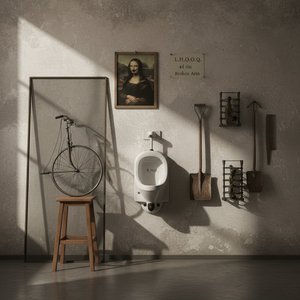
Marcel Duchamp: Challenging Conventions & Redefining Art in the 20th Century
Explore the revolutionary art of Marcel Duchamp! Discover how his Dadaist readymades challenged artistic conventions & redefined modern art. A deep dive into 'Fountain', conceptual shifts, and his lasting impact.

Marcel Dyf: A Study in Belgian Surrealist Landscape and the Poetics of Memory
Explore the captivating landscapes of Marcel Dyf (1899-1985). Discover his Impressionist roots, subtle Surrealism, and enduring legacy. Learn about his life, art, and value with ArtsDot.

The Enduring Allure of the Nude: A Historical & Artistic Exploration of the Human Form
Explore the captivating history of nude art! Discover iconic paintings & artists from classical to modern eras. Uncover symbolism, techniques & find museum-quality reproductions at ArtsDot.

The Eloquent Form: A Historical & Aesthetic Exploration of the Nude in Art
Explore the captivating history of the nude in art! From ancient Greece to modern masters, discover its evolving symbolism, techniques & enduring beauty. Expert insights for collectors and enthusiasts.

Gerhard Richter: A Retrospective on Abstraction, Memory & the Photographic Source
Explore the profound world of Gerhard Richter's abstract paintings. Discover his techniques, influences, and lasting impact on contemporary art – a guide for discerning collectors.


