

 Önizleme yap
 Paylaş
 Paylaş
 Detayları Gör

 İndir
İndir
 Benzerlerini gör
 X-Işını
 Slayt Gösterisi
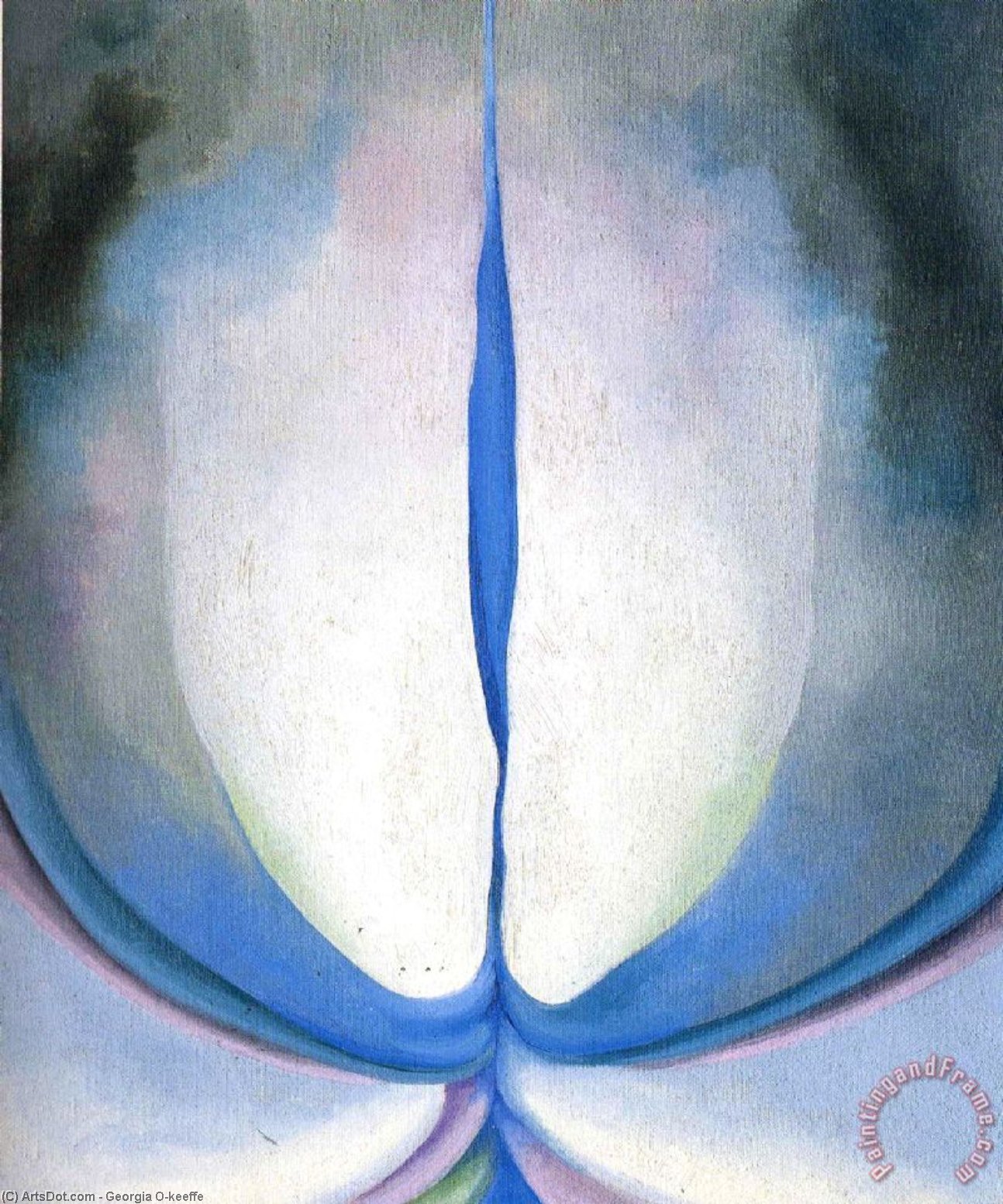
Blue Line

 Tümünü Gör
Giclée / Sanat Baskısı
Hızlı üretim ve esnek bitiş seçenekleriyle müze kalitesinde giclée veya kanvas baskı. ( El yapımı tablo satın al Görsel satın al)




P118B $10

P118H $10

P118W $10

P438Z $10

P508JH $12

P508YH $12

P805H $10

P805Z $10

P919BZ $10

P919G $10

P919XJ $10

P959ZH $10

P968JZ $12

W106C $8

W218G $10

W218JH $8

W218Y $10

W307PJ $10

W316G $10

W316PJ $8

W316Y $10

W398PJ $8

W4111J $10

W500HY $15

W500JH $15

W692G $12

W849H $8

W940BG $15

W953PJ $8




Eserin orijinal oranlarıyla uyumlu, önceden belirlenmiş boyutlarımız arasından seçim yapın.

Belirli bir çerçeveye veya alana uyması için kendi ölçülerinizi girebilirsiniz. Seçtiğiniz boyut orijinal görüntünün oranlarıyla eşleşmiyorsa, sanat eserini kırpacağız veya görüntüyü aynalanmış ya da düz dolgulu bir kenarlıkla genişleteceğiz. Üretim başlamadan önce onayınız için bir dijital taslak gönderilecektir.
Lütfen ekrandaki önizlemenin gerçek kırpma veya genişletmeyi yansıtmadığını unutmayın. Nihai kompozisyonu yalnızca taslak doğru bir şekilde gösterecektir.
Özel boyutlar mevcut olsa da, orijinal oranları korumak için önceden tanımlanmış listeden bir boyut seçmenizi öneririz.
Dünya Çapında Teslimat (); standart 4/5 hafta yerine 2 haftada. (15 Ağustos)

Dünya Çapında Ücretsiz Ekspres Kargo

Yüksek Kaliteli Keten Tuval

Tam Kapsamlı Nakliye Sigortası

Gümrük Vergisi İade Garantisi

Gerçek Renk Uyumu Garantisi

60 Günlük İade Politikası (Sadece Kusurlu Ürünler İçin)

%100 Para İade Garantisi

Toplu Alım İndirimi
 Cam seçeneği yalnızca 110 cm altındaki boyutlar için mevcuttur.

Blue Line
Giclée / Sanat Baskısı
Reproduksiyon Boyutu
-


Toplam Tutar
$ 62
Eser Açıklaması
A Delicate Exploration: Georgia O'Keeffe’s “Blue Line”
This intimate work by Georgia O'Keeffe, simply titled “Blue Line,” is a powerful and often-discussed piece within her broader *oeuvre*. While initially appearing abstract, the painting is widely understood to be a close-up depiction of female genitalia. The stark simplicity – a fleshy, organic form bisected by a vibrant blue line – invites both contemplation and discomfort, challenging conventional representations of the body and sexuality in art. O’Keeffe consistently resisted definitive interpretations, famously stating that if people saw flowers in her paintings, they should see them; similarly, she allowed viewers to bring their own understanding to this work.Style & Technique: Modernism and Sensuous Form
“Blue Line” exemplifies O’Keeffe's signature style of American Modernism. She moved away from traditional representational painting, favoring simplified forms and a focus on the essence of her subjects. The technique is characterized by smooth, blended brushstrokes that create a sense of soft volume and tactile quality. The use of color is crucial: the warm tones of the flesh are dramatically contrasted with the cool, assertive blue line. This contrast not only draws the eye but also creates a dynamic tension within the composition. The painting’s scale (unknown, but generally these close-up studies were relatively small) further intensifies the feeling of intimacy and invites viewers to engage with the subject on a deeply personal level.Historical Context & Symbolism
Created sometime between 1916 and 1986, “Blue Line” emerged during a period of significant social and artistic change. The early 20th century witnessed increasing discussions around female sexuality and reproductive rights, though these were often shrouded in societal taboos. O’Keeffe's work can be seen as a bold contribution to this evolving discourse. The blue line itself is open to interpretation. Some view it as representing the artist’s exploration of anatomy, while others see it as a symbol of penetration or division. Regardless of its specific meaning, the line undeniably disrupts the organic form, prompting viewers to confront their own perceptions and anxieties surrounding the female body. It's important to note O'Keeffe's relationship with photographer Alfred Stieglitz; his championing of her work was pivotal in establishing her career, and together they navigated a changing artistic landscape.Emotional Impact & Lasting Legacy
“Blue Line” is not merely a depiction of anatomy; it’s an exploration of sensation, vulnerability, and power. The painting evokes a range of emotions – from curiosity and fascination to discomfort and even arousal. Its enduring appeal lies in its ambiguity and its ability to provoke dialogue. O'Keeffe’s willingness to challenge conventional norms paved the way for future generations of female artists who sought to reclaim control over their own bodies and narratives. Today, “Blue Line” remains a significant work within the canon of American Modernism, continuing to inspire and intrigue viewers with its delicate yet potent imagery. It serves as a reminder of O’Keeffe's groundbreaking contribution to art history and her unwavering commitment to exploring the complexities of human experience.Benzer Eserler


Sanatçı Özgeçmişi
Early Life and Artistic Foundations
Georgia Totto O’Keeffe, a name synonymous with American modernism, emerged from the unassuming landscape of Sun Prairie, Wisconsin, in 1887. Born into a family of Irish and Hungarian descent engaged in dairy farming, young Georgia displayed an artistic inclination early on, deciding by age ten that she would dedicate her life to art. This determination was nurtured through lessons with local watercolorist Sara Mann, followed by formal studies at the School of the Art Institute of Chicago from 1905 to 1906 and later at the University of Virginia. However, it was her encounter with Arthur Wesley Dow’s principles – emphasizing personal expression and a harmonious balance of color and line – that truly ignited her artistic path. Dow's teachings steered O’Keeffe away from strict realism toward a more subjective and emotionally resonant approach to art, an approach that would define her career. These formative years weren’t without their challenges; periods of illness and dissatisfaction led her to temporarily abandon painting, but the creative impulse always drew her back, evolving with each new experience and influence.New York and the Stieglitz Circle
A pivotal moment arrived in 1916 when O’Keeffe’s abstract charcoal drawings were discovered by Alfred Stieglitz, a renowned photographer and art dealer. He exhibited her work without her prior knowledge, sparking a dialogue that would profoundly shape both their lives and the course of American art. Stieglitz recognized an exceptional talent in O’Keeffe, one that resonated with his own modernist sensibilities. He invited her to New York City in 1918, providing not only professional support but also fostering a deep personal connection. Their relationship blossomed into marriage in 1924, creating a dynamic artistic partnership and intellectual exchange. Stieglitz championed O’Keeffe’s work, showcasing it at his gallery “291” and promoting her as a leading figure in the American avant-garde. During this period, she began to develop her signature style – bold, simplified forms and intensely saturated colors – initially expressed through depictions of New York skyscrapers and, most famously, magnified flower paintings. These floral works, often interpreted (though consistently denied by O’Keeffe herself) as veiled representations of female anatomy, challenged conventional notions of beauty and sexuality in art.The Allure of the Southwest
While New York provided a crucial platform for her early success, it was the landscapes of the American Southwest that truly captivated O’Keeffe’s imagination and profoundly influenced her artistic vision. Her first visit to New Mexico in 1929 marked the beginning of a lifelong love affair with the region's stark beauty, vibrant colors, and unique cultural heritage. The vastness of the desert, the dramatic rock formations, and the ancient Pueblo architecture resonated deeply within her, inspiring a new series of paintings that reflected the spirit of the land. Works like *Cow’s Skull: Red, White, and Blue* (1931) and *Summer Days* (1936) are powerful testaments to this influence, transforming seemingly mundane objects into iconic symbols of the American West. She eventually settled permanently in New Mexico in 1949 following Stieglitz’s death, establishing a home and studio in Abiquiu that became integral to her artistic process and identity.Major Achievements & Legacy
Georgia O’Keeffe achieved remarkable success throughout her career, becoming one of the most celebrated artists of her time. Her pioneering use of abstraction revolutionized American painting, paving the way for future generations of innovators. She garnered critical acclaim for her monumental flower paintings, which continue to inspire awe and contemplation. Furthermore, she established herself as a prominent figure in the feminist art movement, challenging societal expectations and asserting her own artistic autonomy. O’Keeffe's enduring legacy lies not only in her artistic masterpieces but also in her unwavering commitment to artistic integrity and her profound connection to the natural world. Her work remains a powerful reminder of the transformative power of art and the beauty of simplicity.Notable Works & Museum Presence
- Red Canna: Exemplifies her early exploration of floral abstraction.
- Cow’s Skull: Red, White, and Blue (1931): A powerful symbol of the American Southwest and a meditation on mortality.
- Summer Days (1936): Captures the essence of the New Mexico landscape with its vibrant colors and simplified forms.
- Jimson Weed/White Flower No. 1: A monumental floral painting that showcases her mastery of scale and composition.
- Georgia O'Keeffe Museum (Santa Fe)
- Museum of Modern Art (New York)
- Art Institute of Chicago
- National Gallery of Art (Washington, D.C.)

Georgia O’Keeffe
1887 - 1986 , Amerika Birleşik Devletleri
Kısa Bilgiler
- Artistic Movement Or Style: Modernizm
- Artists Who Influenced This Artist:
- Arthur Wesley Dow
- Alfred Stieglitz
- Date Of Birth: November 15, 1887
- Date Of Death: March 6, 1986
- Full Name: Georgia Totto O'Keeffe
- Nationality: Amerikalı
- Notable Artworks:
- Kırmızı Çubuk
- Boğa Kafası: Kırmızı Beyaz Mavi
- Place Of Birth: Sun Prairie, USA
İlgili Makaleler

Georgia O'Keeffe: Redefining Modernism Through Symbolism & the American Landscape
Explore the captivating world of Georgia O'Keeffe! Discover her groundbreaking flower paintings, New Mexico landscapes & lasting impact on American Modernism. Expert analysis and insights.

Slate Blue Masterpieces: 10 Iconic Paintings & Timeless Home Decor Ideas
Immerse yourself in the captivating world of slate blue! Explore 10 iconic paintings by Monet, Van Gogh & Renoir. Discover their stories, techniques & find museum-quality art reproductions for your home at .

Serene Blue Backgrounds: Discover Soulful Art to Transform Your Space with Timeless Elegance
Transform your home with soulful blue art. From serene Monet impressions to modern textured sculptures, discover curated masterpieces designed to inspire calm. Explore expert art consultations and bespoke hand-painted reproductions to create your personal sanctuary.

Geometrik Soyutlamanın Öncü Eserleri: Sanat Tarihinin İzinde 🖼️🎨
Geometrik Soyutlamanın 10 başyapıtını keşfedin! Mondrian, Malevich ve Kandinsky gibi sanatçıların ikonik eserleriyle modern sanatın derinliklerine yolculuk edin. Evinizi lüks sanat baskılarıyla renklendirin. ArtsDot.com'da tüm koleksiyonu inceleyin!

Kandinsky's Masterpieces: 25 Paintings That Define Abstract Art | ArtsDot
Journey through Wassily Kandinsky's 25 most iconic abstract paintings. Explore his revolutionary use of color, form & spiritual expressionism. Find museum-quality Kandinsky reproductions and elevate your home decor with ArtsDot.com. Discover all masterpieces on ArtsDot.com!



