

 Gerçek Boyutta Önizle
 Paylaş
 Paylaş
 Detayları Gör
 Rehber

 İndir
İndir
 Benzer ürünler
 X-Işını
 Slayt Gösterisi
 Soru & Cevap
 İstatistikler
Seated Man


 Tümünü Gör
Giclée / Sanat Baskısı
Hızlı üretim ve esnek bitiş seçenekleriyle müze kalitesinde giclée veya kanvas baskı. ( El Yapımı Tablo Satın Al Dijital Görsele Geç)




P118B ₺10

P118H ₺10

P118W ₺10

P438Z ₺10

P508JH ₺12

P508YH ₺12

P805H ₺10

P805Z ₺10

P919BZ ₺10

P919G ₺10

P919XJ ₺10

P959ZH ₺10

P968JZ ₺12

W106C ₺8

W218G ₺10

W218JH ₺8

W218Y ₺10

W307PJ ₺10

W316G ₺10

W316PJ ₺8

W316Y ₺10

W398PJ ₺8

W4111J ₺10

W500HY ₺15

W500JH ₺15

W692G ₺12

W849H ₺8

W940BG ₺15

W953PJ ₺8




Eserin orijinal oranlarıyla uyumlu, önceden belirlenmiş boyutlarımız arasından seçim yapın.

Çerçevenize veya duvarınıza uygun olması için ihtiyacınız olan genişlik ve yüksekliği yazın. Bir baskı yalnızca kesilebilir, görselden daha büyük hale getirilemez; bu nedenle farklı bir formdaki boyut seçimi, görselin bir kısmının kaybına neden olur. Herhangi bir baskı yapmadan önce onaylamanız için size bir dijital taslak gönderiyoruz. Bu sayfada gösterilen resim gerçek kesimi göstermez — bunu yalnızca taslak gösterir.
Dünya Çapında Teslimat (); standart 4/5 hafta yerine 2 haftada. (10 Kasım)

Dünya Çapında Ücretsiz Ekspres Kargo

Yüksek Kaliteli Keten Kanvas

Tam Nakliye Sigortası

Gümrük Vergisi İadesi Garantisi

Gerçek Renk Uyumu Garantisi

100 Günlük İade Politikası (Sadece Kusurlu Ürünler İçin)

%100 Para İade Garantisi

Toplu Alım İndirimi
 Cam seçeneği yalnızca 110 cm altındaki boyutlar için mevcuttur.

Seated Man
Giclée / Sanat Baskısı
Reproduksiyon Boyutu
-


Toplam Tutar
₺ 3109
A Study in Shadow and Soul
In the quiet corners of art history, certain works possess a gravity that transcends their physical dimensions, inviting the viewer into a private moment of stillness. Georges Seurat’s “Seated Man,” created in 1883, is precisely such a masterpiece. While many recognize Seurat for the vibrant, shimmering mosaics of his larger canvases, this particular study offers a more intimate encounter with the artist's profound intellect. The work presents a solitary male figure, captured from behind and slightly to the side, a perspective that eschews direct confrontation in favor of a deep, contemplative mystery. There is an undeniable weight to the composition; the man, draped in the soft textures of his attire and crowned by a hat, seems anchored in a moment of profound leisure or perhaps heavy thought, as if the world around him has momentarily ceased to exist.
The emotional resonance of the piece lies in its ability to evoke a sense of solitude without loneliness. For the collector or the interior designer, this artwork serves as a sophisticated focal point that brings a sense of calm and intellectual depth to any space. It does not demand attention through loud colors or chaotic movement; instead, it commands respect through its quietude. The way the light subtly catches the brim of the hat and the curve of a shoulder creates a rhythmic dance of light and shadow that breathes life into the monochrome palette, making the paper feel as though it holds a living, breathing memory.
The Alchemy of Line and Light
To look closely at “Seated Man” is to witness the rigorous scientific mind of a pioneer. Although this work leans toward the gestural freedom of a preparatory sketch, it is infused with the burgeoning principles of Neo-Impressionism. Seurat was not merely interested in what he saw, but in how we perceive it. Even within the charcoal and graphite medium, one can sense his fascination with optical truth. The technique utilizes a masterful range of strokes—from broad, sweeping lines that define the heavy folds of clothing to delicate, fine marks that suggest the subtle textures of skin and fabric.
The artist employs a monochrome palette of grays, blacks, and whites, a choice that strips away the distraction of color to focus entirely on form, volume, and light. This monochromatic approach creates a timeless quality, making the piece feel as relevant in a modern, minimalist gallery as it did in a nineteenth-century Parisian studio. The texture is intentionally tactile; the graininess of the medium adds a layer of organic complexity, providing a visual richness that rewards prolonged observation. For those seeking to decorate a space with art that feels both historical and avant-garde, this study offers an unparalleled blend of structural precision and expressive fluidity.
A Legacy of Visionary Precision
Historically, “Seated Man” stands at the threshold of a revolution. It was born during a period of intense artistic ferment, as Seurat sought to move beyond the fleeting impressions of Monet and Renoir toward something more permanent and structural. This sketch represents the foundational stage of his journey—a moment where he practiced the observation required to later invent Pointillism. Every stroke in this study is a precursor to the scientific dots that would eventually define his legacy, demonstrating his ability to capture the essence of a subject through careful, calculated movement.
Owning a high-quality reproduction of such a work is more than an aesthetic choice; it is an invitation to participate in the history of modern art. It brings into a home or office the spirit of chromoluminarism and the disciplined passion of a man who saw the world as a delicate mosaic of light. Whether placed in a sunlit reading nook or a formal study, “Seated Man” acts as an anchor of sophistication, reminding all who view it of the beauty found in quiet observation and the enduring power of a single, well-placed line.
Soru ve Cevaplar
"Seated Man" eserinin yüksek çözünürlüklü indirme seçeneği mevcut mu?
Georges Seurat imzalı "Seated Man" eserinin dijital dosyasını edinmek için, Yüksek Çözünürlüklü Dijital Görsel sayfasından yüksek çözünürlüklü dijital görsel indirme siparişi verebilirsiniz.
Georges Seurat imzalı "Seated Man" eserine benzer sanat eserlerini nasıl keşfedebilirim?
Georges Seurat imzalı "Seated Man" eserine benzer çalışmalar, eserin Benzer Eserler sayfasında bir araya getirilmiştir.
Georges Seurat imzalı "Seated Man" hangi teknikle icra edilmiştir?
"Seated Man", Charcoal kullanılarak icra edilmiştir.
Benzer Eserler


Sanatçı Özgeçmişi
Georges Seurat'ın Hayatı
Modern resmin izlediği rotayı anlamak için, Georges Seurat'ın kısa ama yoğun yaşamına bakmak gerekir. 2 Aralık 1859'da Fransa'nın Paris kentinde dünyaya gelen sanatçı, Ernestine Faivre ile Champagne bölgesinde bir hukuk görevlisiyken mülk spekülatörüne dönüşen Antoine Chrysostome Seurat'ın oğluydu. Bu ailevi geçmiş, onun Paris sanat dünyasında hızlı ve disiplinli bir yükseliş yakalaması için gereken istikrarı sağladı. O, sadece resim yapmıyordu; seleflerinin anlık ve kendiliğinden gelen dürtülerine meydan okuyan, yeni bir görme biçimi inşa ediyordu.
Onun kariyeri bir maraton değil, bir sürat koşusuydu. 29 Mart 1891'de, henüz 31 yaşındayken Paris'te hayata gözlerini yumdu. Bu erken veda, çağdaşlarında görülen o dağınık ve gevşek evrimden yoksun, aksine son derece yoğun ve üzerinde titizlikle düşünülmüş bir eser külliyatı bıraktı. The Circus gibi tamamlanmamış son çalışmaları bile, ışığın yapısal mekanikleri ve toplumsal düzen üzerine kafa yoran bir zihni ele verir. O, uçucu bakışların yerini hesaplanmış ve kalıcı bir hassasiyetle doldurdu.
Kısa ömrünün etkisi, teknik yeniliklerinin muazzam yoğunluğuyla ölçülür. Sanatı, anın duygusal spontanitesinden uzaklaştırarak, sistematik ve neredeyse matematiksel bir renk uygulamasına doğru yönlendirdi. On dokuzuncu yüzyıl tarihindeki varlığı, yalnızca sezgilere güvenmeyi reddedişiyle tanımlanmaya devam ediyor. Tuvalde, geride bıraktığı her bir pigment noktasında hala görülebilen bir mantık arayışının peşinden gitti.
Erken Yaşam, Aile ve Eğitim
Georges Seurat'ın sanat yolculuğu, ailesinin doğumundan kısa bir süre sonra Boulevard de Magenta'ya taşındığı Paris'te başladı. Genç sanatçının yetişme süreci, eski bir hukuk görevlisiyken mülk spekülatörüne dönüşen babası Antoine Chrysostome Seurat'ın sağladığı istikrarlı bir ortamdan beslendi. Bu ailevi arka plan, genç sanatçının 19. yüzyılın sonlarındaki yerleşik normlara meydan okuması için gereken resmi eğitime erişimini kolaylaştırdı. Seurat, sanatını yalnızca sezgilerine dayandırmadı; gelişimi, titiz ve sistematik bir eğitimin sağlam temelleri üzerine inşa edildi.
Resmi eğitimi, heykeltıraş Justin Lequien'in yanında eğitim gördüğü École Municipale de Sculpture et Dessin'de başladı. Heykel sanatıyla olan bu erken dönem teması, muhtemelen daha sonraki kompozisyonlarında görülen yapısal ve neredeyse bir kabartma (frieze) niteliğindeki o karakteristik derinliğe katkıda bulundu. 1878 yılına gelindiğinde, Fransız sanat eğitiminin en üst basamaklarına tırmanarak prestijli École des Beaux-Arts'a kaydoldu. Burada geçirdiği yıllar boyunca Henri Lehmann gibi bir ustanın öğrencisi oldu; bu dönem, ona ileride bilimsel analizler yoluyla yapısöküme uğratacağı geleneksel teknikleri ve kompozisyon disiplinini kazandıran bir süreçti.
Teknik ve Üslup
Georges Seurat, kendisinden önceki sanatçıların o anlık, sezgisel fırça darbelerini ışığa karşı hesaplanmış ve sistematik bir yaklaşımla değiştirdi. Tuval üzerine saf renklerden oluşan küçük ve belirgin noktaların uygulanmasıyla tanımlanan Noktacılık (Pointillism) tekniğini geliştirdi. Bu, yalnızca dekoratif bir tercih değil, işlevsel bir devrimdi. Bölücülük (Divisionism) yöntemini kullanarak yerel renkleri tekil noktalara ayırdı ve optik karışımın gerçekleşmesi için izleyicinin gözüne güvendi. Kromoluminarizm olarak adlandırdığı bu süreç, rengi sadece bir duygu olmaktan çıkarıp bir bilim dalı olarak ele aldı. Pigmentlerin hassas yerleşimi aracılığıyla görme eyleminin fiziğini yeniden inşa etmeyi amaçladı.
Onun bu titizliği, hazırlık aşamalarındaki çalışmalarına da yansıyordu. Kompozisyonlarını planlarken sıklıkla pürüzlü yüzeyli kağıtlar üzerinde Conté kreta kalemler kullandı. Bu disiplinli yöntem, büyük ölçekli nihai eserlerindeki her bir noktanın, matematiksel olarak kurgulanmış daha büyük bir yapının parçası olmasını sağladı. Ortaya çıkan yüzeyler, tekil renk noktaları ile retinada oluşan bütünleşik imge arasındaki gerilimden doğan, ritmik ve titreşen bir nitelik taşır. Georges Seurat'ın sanatı, teknik disiplinin görsel algıyı nasıl şekillirebileceğine dair zamansız bir inceleme olarak varlığını sürdürmektedir.
Temel Eserler ve Sanatsal Vizyon
Georges Seurat’ın vizyonu, ışığa karşı geliştirilen katı ve matematiksel bir yaklaşıma dayanıyordu. O, seleflerinin kendiliğinden gelen, duygusal fırça darbelerini reddederek görme eyleminin sistematik bir yeniden inşasını tercih etti. Bu yöntem, tuvali sadece bir gözlem alanı olmaktan çıkarıp optik bir hesaplama merkezine dönüştürdü. Sanatçının çalışmaları, renk teorisinin hassas uygulamaları aracılığıyla bir sahnenin özündeki o değişmez yapıyı yakalamayı amaçlıyordu. O, sadece bir manzara resmetmiyor; insan gözünün ışığı ve pigmenti işleme biçimine dayanan, mühendislik harikası bir görsel deneyim kurguluyordu.
Devasa ölçekli kompozisyonları, bu düzen tutkusunun en somut kanıtlarıdır. A Sunday Afternoon on the Island of La Grande Jatte (1884-1886), yoğun bir nokta mozaiği aracılığıyla Paris'teki boş zaman eğlencelerini anlatan anıtsal bir sahne sunar. Bu eser, akışkan hareketi kalıcı ve heykelimsi bir durgunluk hissiyle değiştirerek Neo-İzlenimcilik için bir manifesto niteliği taşır. Benzer şekilde, Bathers at Asnières (1884), klasik friz benzeri figür tiplerini Seine'in modern ve endüstriyel gerçekliğiyle harmanlama yeteneğini erken dönemde sergiler. Bu tablolar, sanatçının ilgisinin bilimsel hassasiyet ile çağdaş yaşamın kesişim noktasında yattığını kanıtlar niteliktedir.
Hatta tamamlanmamış son çalışmaları bile, hareket ile yapı arasındaki gerilime olan düşkünlüğünü açıkça ortaya koyar. The Circus (1890–91), toplumsal bir gösterinin enerjisini betimlemek için Neo-İzlenimci bir üslup kullanırken, karakteristik form kontrolünden ödün vermez. Young Woman Powdering Herself (1889-1890) çalışmasında ise tek bir özne üzerinde tekniğini uygulayarak, son derece kurgulanmış bir ortamda insan kibri ve yapaylığını keşfe çıkar. Georges Seurat'ın tüm üretimi, İzlenimciliğin o uçucu bakışının sağlayamadığı bir ışık mantığını bulmaya yönelik bitmek bilmeyen bir çabanın ürünüydü.
Miras ve Etki
Georges Seurat’ın modern sanatın izlediği yol üzerindeki etkisi, yöntemlerinin sonraki sanat akımlarına dayattığı radikal değişimlerle ölçülebilir. Öncüllerinin sezgisel fırça darbelerini renk ve ışığa yönelik sistematik, bilimsel bir yaklaşımla değiştirerek, bir tablonun neler başarabileceğinin sınırlarını genişletti. Bu entelektüel titizlik, sanatı salt bir temsil olmaktan çıkarıp algının yapılandırılmış bir analizine doğru taşıdı. Pigmentlerin optik olarak karıştırılması konusundaki ısrarı, bir izleyicinin tuval ile kurduğu etkileşimin temel mekanizmasını kökten değiştirdi.
Teknik yeniliklerinin yarattığı dalgalar, Neo-İzlenimci çevrelerin çok ötesine ulaştı. Fauvistler onun cesur ve doğal olmayan renk kullanımına olan vurgusunu benimsedi; Kübistler ise formları geometrik bileşenlere ayırma yeteneğinden beslendi. Hatta jestin ham enerjisine odaklanan Soyut Dışavurumcular bile, rengi geleneksel karıştırma yöntemlerinin kısıtlamalarından özgürleştiren yaklaşımı nedeniyle ona bir borçludur. Seurat, sanatın hem titiz bir entelektüel uğraş hem de modern yaşamın özünü yakalamak için bir yöntem olabileceğini kanıtladı.
- La Grande Jatte Adası'nda Bir Pazar Öğleden Sonrası
- Asnières'de Yıkananlar
- Sirk

Georges Seurat
1859 - 1891 , Fransa
Kısa Bilgiler
- Artistic Movement Or Style:
- Neo-İzlenimcilik
- Post-Empresyonizm
- Noktacılık
- Divizyonizm
- Kromoluminarizm
- Artists Or Movements Influenced By This Artist:
- Fovistler
- Kübistler
- Soyut Dışavurumcular
- Artists Who Influenced This Artist:
- Michel Eugène Chevreul
- Ogden Rood
- Date Of Birth: 1859
- Date Of Death: 1891
- Full Name: Georges Pierre Seurat
- Nationality: Fransız
- Notable Artworks:
- La Grande Jatte Adası'nda Bir Pazar Öğleden Sonrası
- Asnières'de Yıkananlar
- Eyfel Kulesi
- Sirk
- Le Chahut
- Place Of Birth: Paris, Fransa
Benzer Yazılar
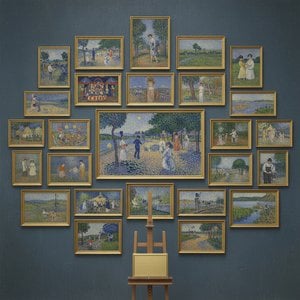
Georges Seurat'ın En İyi 25 Eseri: İzlenimcilikten Modern Sanata Bir Yolculuk
Georges Seurat'ın en iyi 25 eserini keşfedin! İzlenimcilik ve Noktacılık akımının öncüsü bu Fransız ressamın renkli dünyasına yolculuk yapın. Sanat baskıları ve ev dekorasyonu için ArtsDot.com'da koleksiyonu inceleyin.

Georges Braque'ın En İyi 25 Eseri: Kübizm ve Modern Sanatın İkonları | ArtsDot
Georges Braque'ın en iyi 25 eserini keşfedin! Kübizm hareketinin öncüsü olan bu ikonik tablolar, modern sanatın ruhunu yansıtıyor. Sanat tarihine yolculuk yapın ve evinizi ArtsDot.com'un yüksek kaliteli baskılarıyla zenginleştirin.

Mastering Light: The Top 25 Essential Artworks by Georges Seurat
Immerse yourself in the luminous world of Georges Seurat. Explore 25 iconic Pointillism masterpieces, from color theory to timeless beauty. Find inspiration for museum-quality art reproductions and curated decor. Discover all masterpieces on ArtsDot.com.


