

 Gerçek Boyutta Önizle
 Paylaş
 Paylaş
 Detayları Gör
 Rehber

 İndir
İndir
 Benzer ürünler
 X-Işını
 Slayt Gösterisi
 Soru & Cevap
 İstatistikler
Heracles


 Tümünü Gör
Web önizlemesinin çok ötesinde, baskıya hazır bir dosya edinin. Sattığımız her dijital görüntü, stok veri tabanımızdaki yüksek çözünürlüklü bir ana dosyadan —genellikle 5.000 ila 15.000 piksel genişliğinde— gelir; böylece büyük boyutlarda baskı alabilir, dar kırpmalar yapabilir veya ince detayları güvenle yeniden üretebilirsiniz.
Stüdyomuzdan çıkan hiçbir dosya işlenmeden çıkmaz. Bir dijital uzman, renkleri orijinal tabloyla karşılaştırarak kontrol eder ve gerekirse düzeltir; ardından profesyonel rötuş araçlarıyla netliği ve detayları artırır — bunu yaparken her zaman sanatçının fırça darbelerine ve üslubuna sadık kalır. Sonuç, filtrelenmiş bir tarama gibi değil, bizzat tablonun kendisi gibi görünen bir görüntüdür.
İşlem tamamlanmadan önce onayınız alınır: Uzmanımız, incelemeniz için görseli 72 saat içinde e-posta ile gönderir. Memnun kalmadınız mı? İyileştirme veya düzeltme talep edebilir ya da kalite beklentinizin altında kalırsa iade isteyebilirsiniz.
Yayıncıların, tasarım stüdyolarının, galerilerin ve matbaaların güvendiği kalite budur.
Dijital Görsel Sanatlar
Kişisel kullanım, baskı ve yaratıcı projeleriniz için yüksek çözünürlüklü bir dosya indirin. ( Baskı Satışına Geç El Yapımı Tablo Satın Al)
Her Dijital Görüntü Siparişine Dahil Olanlar
Uzman Dijital Teslimat Garantisi
ArtsDot.com seçtiğinizde, sadece bir görsel edinmekle kalmaz; titizlikle hazırlanmış, profesyonelce iyileştirilmiş dijital bir sanat eserine sahip olur ve memnuniyet garantisiyle güvence altına alınırsınız. Siparişinizle birlikte otomatik olarak sunulan her şey şunlardır:

Hızlı E-posta ile Teslimat
Yüksek çözünürlüklü dijital görüntü dosyanız, siparişinizin ardından en geç 72 saat içinde e-posta ile size gönderilecek ve hemen kullanıma hazır olacaktır.

Yapay Zeka Destekli Dijital Görüntü İşleme
Sanat eseriniz; maksimum detay, netlik ve renk doğruluğu sağlamak amacıyla gelişmiş yapay zeka araçları ve manuel düzenleme kullanılarak profesyonelce optimize edilmektedir.

Ömür Boyu Ücretsiz Yeniden Gönderim
Dosyanızı yanlışlıkla mı sildiniz yoksa kayıp mı oldu? Endişelenmeyin; dosyanızı dilediğiniz zaman size ücretsiz olarak tekrar göndereceğiz.

Hiçbir Zaman İthalat Ücreti Ödemeyin
Sanat eserinizin tadını gümrük vergisi, harç veya teslimat ücreti ödemeden anında çıkarın; dijital indirmeler her zaman vergiden muaftır.

Renk Doğruluğu Garantisi
Profesyonel araçlar ve renk yönetimi kullanarak dijital görselinizin orijinal renklere mümkün olduğunca yakın yansıtılmasını sağlıyoruz.

100 Günlük Memnuniyet Garantisi
If you're not satisfied with your digital image, we'll revise it or refund 100% within 100 days - no questions asked.

100% Para İadesi Garantisi
Memnun kalmadınız mı? Dijital dosyanızı teslim aldıktan sonraki 100 gün içinde, hiçbir soru sorulmaksızın tam para iadesi alabilirsiniz.

Toplu Sipariş İndirimleri
Buy 3 images, save 10% - Buy 5, save 15% - Buy 10+, save 20%. Great for creative projects, galleries, and agencies.
The Deconstruction of Heroism
In the dawn of the twentieth century, Georges Braque embarked on a visual revolution that would forever alter the trajectory of modern art. His work, Heracles, stands as a profound testament to this era of radical reimagining. Executed around 1910, this monochrome lithograph does not merely recount the legendary exploits of the Greek hero; instead, it embodies the very essence of Cubism’s departure from traditional representation. Rather than presenting a clear, muscular protagonist, Braque offers a fragmented myth, where the boundaries between the man and his struggle are blurred through geometric abstraction. This piece captures the collaborative spirit of the era, echoing the groundbreaking explorations shared with Pablo Picasso, as they sought to dismantle the illusions of perspective in favor of a more complex, multi-dimensional truth.
The Architecture of Abstraction
The power of Heracles lies in its unsettling stillness and its intricate, deconstructed form. The central figure is presented as a fractured composite of angular shapes—dark rectangles and sharp triangles that dominate the composition. These geometric elements are not merely decorative; they represent the formidable beast, perhaps the Nemean Lion, that Heracles must confront. By abandoning linear perspective, Braque layers multiple viewpoints simultaneously, creating a sense of dynamic tension that contradicts the static nature of the print. The artist’s meticulous technique is evident in the use of hatching and fine line work, which sculpt shadows and imbue the grayscale surface with a palpable energy. The palette, ranging from deep, somber charcoal to delicate, pale ivory, avoids the distraction of color to focus the viewer's attention entirely on the interplay of light, shadow, and structural form.
A Timeless Presence for Modern Spaces
For the discerning collector or the visionary interior designer, Heracles offers an unparalleled opportunity to introduce intellectual depth and sophisticated minimalism into a curated space. The artwork’s stark, monochromatic aesthetic makes it a versatile masterpiece, capable of anchoring a contemporary room with its quiet authority. Its abstract nature allows it to harmonize with modern, minimalist, or industrial decor, providing a focal point that invites contemplation rather than mere observation. To possess a high-quality reproduction of this work is to bring a piece of art history’s most transformative movement into the home—a fragment of a legend that continues to challenge, inspire, and captivate the modern eye.
Soru ve Cevaplar
Georges Braque imzalı "Heracles" eserinin bir baskısını nasıl temin edebilirim?
Georges Braque imzalı "Heracles" eserinin bir baskısını doğrudan ilgili Sanat Baskısı sayfasından sipariş edebilirsiniz: pamuklu kanvas veya arşivlik kanvas kağıt üzerine yüksek kaliteli sanat baskısı.
"Heracles" eserinin yazarı kimdir ve hangi akıma aittir?
Georges Braque, "Heracles" adlı eserini Cubism akımı içerisinde yaratmıştır.
"Heracles" genel olarak daha mı açık yoksa daha mı koyu tonlarda?
Georges Braque imzalı "Heracles" için kaydedilen değerler şöyledir: deep_shadow parlaklık, Dark aydınlık.
Benzer Eserler


Sanatçı Özgeçmişi
Erken Yaşam, Aile ve Eğitim
Georges Braque, 1882 yılında Fransa'nın Argenteuil kentinde dünyaya geldi. İlk yılları, Fransa'nın Le Havre kentinde, dekorasyonun ve rengin pratik gerçekleriyle şekillenen bir ev ortamında geçti. Ev boyacıları ve dekoratörlerden oluşan bir ailenin çocuğu olarak büyümesi, çok küçük yaşlardan itibaren zanaatının dokunsal gerçeklerine dahil olmasını sağladı. Bu yetiştirilme tarzı, daha sonra tuval üzerindeki yaklaşımını besleyecek olan teknik bir ustalık temeli sundu.
Güzel sanatlara yönelmeden önce, akrabalarının izlediği yolu takip ederek bir ev boyacısı ve dekoratörü olarak çıraklık yaptı. Bu fiziksel emek dönemi, ona malzemeler ve yüzeylerin fiziksel özellikleri hakkında derin bir anlayış kazandırdı. Bu tür pratik bir eğitim, pigmentlerin farklı dokularla nasıl etkileşime girdiğine dair köklü bir bakış açısı sunarak, onun ilerleyen yıllarda maddesellik üzerine yapacağı deneyleri ayırt edici kılan o hassasiyeti inşa etti.
Zanaatkarlıktan akademik eğitime geçiş süreci, onu 1902 yılında Paris'e taşıdı. İçsel eğilimlerini akademik disiplin yoluyla rafine etmek amacıyla çalışmalarını Académie Humbert'te sürdürdü. Bu resmi eğitim dönemi, boyanın manuel uygulaması ile kompozisyonun entelektüel arayışı arasındaki boşluğu doldurarak, gelişmekte olan vizyonu için gerekli olan yapıyı sağladı.
Fauvist Dönem ve Cézanne'ın Etkisi
Georges Braque'ın kariyerinin ilk yılları, İzlenimcilik ve Ard İzlenimciliğin bıraktığı kalıcı gölgelerle şekillenmişti. İlk keşifleri ışığın ve atmosferin uçucu niteliklerini yakalamayı amaçlasa da, zamanla daha derin bir yapısal açlık filizlenmeye başladı. 1905 yılına gelindiğinde, Fauvizm'in ilkelerini benimseyerek duyguları aktarmak adına daha yoğun ve doğal olmayan bir renk kullanımıyla tanıştı. Bu dönem, sadece gözleme dayalı bir yaklaşımdan kopuşla damgalandı; zira sanatçı, nesnelerin gerçekçi tasvirinden ziyade paletinin dışavurumcu gücünü önceliklendirmeye başlamıştı.
Bu yeni keşfedilen renk özgürlüğü, Paul Cézanne'ın eserlerinde gerekli olan dayanağını buldu. Georges Braque, Cézanne'ın görsel alanı düzenlemek için kullandığı sağlam yapılar ve renklere yönelik bilinçli yaklaşımından büyülenmişti. Fauvist renk ile Cézannevari geometrinin bu kesişimi, onun daha radikal bir görme biçimine geçişini tanımlayan temel unsur olacaktı. Sanatçı, renklerinin duygusal yoğunluğunu, mimari bir kalıcılık hissiyle uzlaştırmayı hedefliyordu.
Bu sentezin sonuçları, 1908 tarihli Houses at L'Estaque adlı eserinde açıkça görülmektedir. Bu parçada manzara, artık yumuşak izlenimlerin bir toplamı değil; renkli, eğik düzlemlerden ve geometrik şekillerden oluşan bir dizidir. Arazi, özsel hacimlerine indirgenmiş durumda olduğu için Cézanne'ın etkisi burada yadsınamaz bir boyuttadır. Georges Braque, manzaranın geleneksel perspektifini parçalamaya başlayarak, onun yerine dünyanın temel formuna öncelik veren fragmanlı ve yapılandırılmış bir gerçeklik inşa etmiştir.
Kübizmin Doğuşu ve Dönüşümü
1907 ile 1914 yılları arasında Paris, Georges Braque ve Pablo Picasso arasındaki o muazzam işbirliğiyle derin bir görsel yeniden yapılanmaya sahne oldu. Bu ortaklık, Fauvizm'in duygusal yoğunluğunun ötesine geçerek formun daha zihinsel ve analitik bir incelemesine doğru evrildi. Nesneleri parçalanmış geometrik şekillere ayıran bir yöntem olan Analitik Kübizm'i geliştirdiler. Üç boyutlu mekan illüzyonunu taklit etmeye çalışmak yerine, bir nesnenin bütünlüğini birden fazla bakış açısını eş zamanlı olarak sunarak temsil etmeyi amaçladılar. Bu yaklaşım, geleneksel perspektifi yıkarak yerine düzlemlerin ve çizgilerin karmaşık bir düzenini getirdi.
1912 yılına gelindiğinde ise hareket, Sentezci Kübizm'e doğru önemli bir geçiş yaşadı. Bu evre, formların parçalanmasından uzaklaşarak, farklı öğelerin bir araya getirilmesiyle yeni imgelerin inşa edilmesine odaklandı. Braque, bir çizimin üzerine duvar kağıdı yapıştırarak ilk papier collé tekniğini yaratan isim olarak bu dönüşümün öncü yenilikçilerinden biriydi. Fiziksel malzemelerin yüzeye yapıştırılması eylemi, tuvalin sınırlarını zorlayarak resmi, başka bir dünyaya açılan bir pencere olmaktan çıkarıp kendi başına var olan otonom bir nesne haline getirdi. Bu dönemdeki çalışmaları, temsil ile kullanılan malzemelerin somut gerçekliği arasındaki o hassas ilişkiye odaklanıyordu.
- Houses at L'Estaque (1908)
- Man with a Guitar (1911)
- Fruit Dish and Glass (1912)
Teknik ve Sanatsal Yenilik
Georges Braque'ın tuvalle kurduğu ilişki, malzemelerin fiziksel özelliklerine duyulan dinmek bilmez bir merakla şekillenmişti. Derinlik illüzyonuna meydan okuyan unsurlar sunarak yağlı boya resmin geleneksel sınırlarını aşan sanatçı, gazete kupürleri, duvar kağıtları ve kumaş gibi gerçek dünyadan parçaları kompozisyonlarına dahil ederek resim düzleminin tekil perspektifini altüst etti. Bu deneysel arayışlar, günlük yaşamın dokularını doğrudan eserlerine entegre etmesine olanak tanıyan ve papier collé olarak bilinen kağıt yapıştırma tekniğinin doğuşuna zemin hazırladı. Braque, boyanmış imge ile somut nesne arasındaki o derin uçurumu kapatmayı hedefliyordu.
Teknik repertuvarı, neredeyse heykelimsi bir dokunsallık ve duyarlılıkla damgalanmıştı. Yüzey dokusunu değiştirmek amacıyla pigmentleri sık sık kumla harmanlayarak, ışığı beklenmedik şekillerde yakalayan pürüzlü bir yapı oluşturuyordu. İzleyicinin mekan ve maddiyat algısını daha da manipüle etmek adına, ahşap damarlarının ve mermerin görsel desenlerini taklit etme üzerine deneyler yaptı. Bu, yalnızca dekoratif bir tercih değil, farklı yüzeylerin ışık ve formla nasıl etkileşime girdiğini keşfetmeye yönelik bir yöntemdi. Ayrıca eserlerinde şablon harfler kullanarak kompozisyonu modern ve okunabilir bir gerçekliğe demirleyen, ona grafik bir boyut kazandıran bir teknik de kullandı.
- Fruit Dish and Glass (1912)
- Violin and Pipe (1912)
- Clarinet and Bottle of Rum on the Mantlepiece (1912)
Savaş ve Üslup Evrimi
1914 yılında Birinci Dünya Savaşı'nın patlak vermesi, Kübizm akımının entelektüel disiplinine ani ve şiddetli bir müdahale olarak geri döndü. Askerlik hizmetine çağrılan Georges Braque için bu dönem, hem fiziksel sağlığını hem de yaratıcı mizaç yapısını kökten değiştirecek bir dönüm noktası oldu. 1915 yılında siperlerde aldığı ciddi bir baş yaralanması, geçici bir körlüğe yol açtı ve görme yetisini geri kazanabilmesi için bir trepanasyon ameliyatı geçirmesi gerekti. Karanlıkla olan bu amansız karşılaşma, onun algı dünyasında kaçınılmaz bir kırılmaya neden oldu. Erken yıllarını tanımlayan o katı ve analitik yapılar yumuşamaya başladı; yerini konularına karşı daha kişisel ve lirik bir yaklaşım aldı.
Savaştan döndüğünde, Picasso ile yürüttüğü önceki işbirliklerinin o sıkı geometrik kısıtlamaları artık tek odağı değildi. Üslubu, klasik kompozisyon öğelerini de içine alacak şekilde evrildi; fiziksel dünyaya daha sağlam bir şekilde tutunan bir denge ve uyum arayışına girdi. Formun tamamen entelektüel bir biçimde parçalanmasından uzaklaşarak, daha incelikli ve tefekküre dayalı bir görme biçimini benimsedi. Sanatı, uzayın parçalanmasıyla değil, nesnelerin kendi içindeki o sessiz ve huzurlu atmosferiyle ilgili bir derinlik kazandı.
- Oyun Kağıtlarıyla Natürmort (1919)
Önemli Eserler ve Dikkat Çeken Parçalar
Georges Braque'ın kariyerindeki yolculuk, düşünce yapısındaki ve tekniğindeki değişimleri müjdeleyen çok özel kompozisyonlarla şekillenmiştir. 1908 yılında, geleneksel perspektiften kopuşu yansıtan renkli, eğik düzlemler ve geometrik formlar kullanan L'Estaque Evleri gün yüzüne çıktı. Bu deneysel dönem, 1910 yılında, rengin formla nasıl etkileşime girdiğini incelemek için kağıt ve karma tekniklerden yararlanan Violin ve Palet eseriyle devam etti. 1911 yılına gelindiğinde ise odağı, çağdaşlarıyla birlikte geliştirdiği analitik yaklaşımı örnekleyen Gitarist ile Adam adlı yapıtında uzayın parçalanmış yapısına kaydı.
Yöntemleri evrildikçe, yeni malzemelerin kullanımı tuvallerinin dokusunu da kökten değiştirdi. 1912 tarihli Mey Kasesi ve Bardak çalışması, kolaj kullanımı sayesinde tanınabilir nesnelerin yeniden kompozisyona dahil edildiği bir tarza geçişi gözler önüne serdi. Savaşın yarattığı tüm kesintilere rağmen, sanatsal üretimi erken dönem araştırmalarıyla olan bağını koparmadı. 1918 yılında yaratılan Müzisyen, kişisel bir geçiş dönemini yansıtırken; çok daha geç bir tarihte, 1955 yılında ortaya çıkan İki Kuş adlı tablosu, seçtiği konuların temel özelliklerine olan bitmek bilmeyen ilgisini gösterir.
- Mandola (1910)
- Arp ve keman ile natürmort (1912)
- Gitar (1913)
- Oyun Kağıtları ile Natürmort (1919)
Miras ve Kalıcı Etki
Georges Braque, 31 Ağustos 1963'teki vefatına kadar dünyayı nasıl algıladığımızın ve temsil ettiğimizin temel anlayışını kökten değiştirmişti. Kübizm akımının kurucu ortaklarından biri olarak, geleneksel perspektife olan uzun süreli bağımlılığı yıkarak, onun yerine parçalanmış ve çok boyutlu bir gerçeklik getirilmesine yardımcı oldu. Eserleri, doğanın yalnızca bir taklidi olmanın ötesine geçerek, form ve mekanın titiz bir çalışması yoluyla nesnelerin özünü yakalamayı amaçladı. Bu paradigma değişimi, yirminci yüzyılın görsel dilinde kalıcı bir dönüşümü zorunlu kıldı.
Sanatın sonraki nesilleri üzerindeki etkisi ölçülemez düzeyde kalmaya devam etmektedir. Papier collé tekniğini tanıtarak ve gündelik malzemeleri kompozisyonlarına dahil ederek, tuval ile somut dünya arasındaki boşluğu doldurdu. Bu yenilik, bir tablonun ne olabileceğine dair sınırları zorlayarak, doku ve maddesellik üzerine yapılacak gelecekteki keşiflerin önünü açtı. Yaşamının ilerleyen yıllarında stili daha lirik ve huzurlu temalara doğru evrilse de, Kübist temellerinin yapısal bütünlüğü, üretimlerinin her aşamasında sarsılmaz bir varlık olarak kaldı.
- L'Estaque Evleri
- Gitar Çalan Adam
- Mey Kasesi ve Bardak
- Keman ve Piponun Yanında
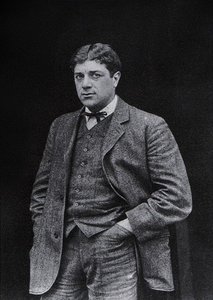
Georges Braque
1882 - 1963 , Fransa
Kısa Bilgiler
- Artistic Movement Or Style:
- Fauvizm
- Kübizm
- Analitik Kübizm
- Sentetik Kübizm
- Artists Or Movements Influenced By This Artist: ['Modern sanat']
- Artists Who Influenced This Artist:
- Henri Matisse
- André Derain
- Paul Cézanne
- Date Of Birth: 1882
- Date Of Death: 1963
- Full Name: Georges Braque
- Nationality: Fransız
- Notable Artworks:
- L'Estaque Evleri
- Sabır
- Keman ve Palet
- Mandola
- Place Of Birth: Argenteuil, Fransa