

 Önizleme yap
 Paylaş
 Paylaş
 Detayları Gör

 İndir
İndir
 Benzerlerini gör
 X-Işını
 Slayt Gösterisi
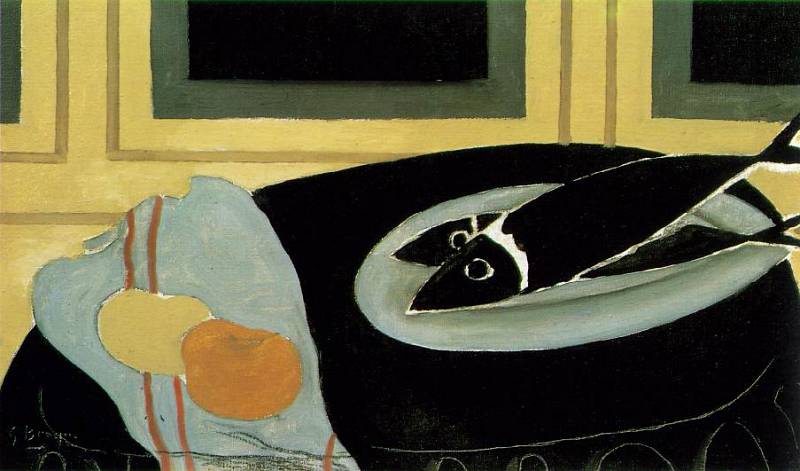
Black fish


 Tümünü Gör
El Yapımı Yağlı Boya Reproduksiyon
Sanatçılarımız tarafından sipariş üzerine hazırlanan; istediğiniz boyut ve çerçevede, tuval üzerine el boyaması yağlı boya. ( Baskı satın al Görsel satın al)




P118B $10

P118H $10

P118W $10

P438Z $10

P508JH $12

P508YH $12

P805H $10

P805Z $10

P919BZ $10

P919G $10

P919XJ $10

P959ZH $10

P968JZ $12

W106C $8

W218G $10

W218JH $8

W218Y $10

W307PJ $10

W316G $10

W316PJ $8

W316Y $10

W398PJ $8

W4111J $10

W500HY $15

W500JH $15

W692G $12

W849H $8

W940BG $15

W953PJ $8




Eserin orijinal oranlarıyla uyumlu, önceden belirlenmiş boyutlarımız arasından seçim yapın.

Belirli bir çerçeveye veya alana uyması için kendi boyutlarınızı girebilirsiniz. Seçtiğiniz boyut orijinal görüntünün oranlarıyla eşleşmiyorsa, sanat eserini kırparak veya ek el boyaması öğelerle resmi uzatarak ayarlayacağız. Üretim başlamadan önce onayınız için dijital bir taslak gönderilecektir.
Lütfen ekrandaki önizlemenin gerçek kırpmayı veya uzatmayı yansıtmadığını unutmayın. Nihai kompozisyonu yalnızca hazırlanan taslak doğru şekilde gösterecektir.
Özel boyutlar mevcut olsa da, orijinal oranları korumak adına önceden tanımlanmış listeden bir boyut seçmenizi öneririz.
Siparişten sonra, ArtsDot.com ekibi talimatlar için müşteriye e-posta gönderecek ve bir taslak önizleme sunacaktır
Dünya Çapında Teslimat (); standart 5 hafta yerine 3/4 haftada. (17 Ağustos). Kaliteden ödün verilmez.

Dünya Çapında Ücretsiz Ekspres Kargo

Yüksek Kaliteli Keten Tuval

Tam Kapsamlı Nakliye Sigortası

Gümrük Vergisi İade Garantisi

Gerçek Renk Uyumu Garantisi

60 Günlük İade Politikası (Sadece Kusurlu Ürünler İçin)

%100 Para İade Garantisi

Toplu Alım İndirimi
 Cam seçeneği yalnızca 110 cm altındaki boyutlar için mevcuttur.

Black fish
Reproduksiyon Tekniği
Reproduksiyon Boyutu
-


Toplam Tutar
$ 263
Eser Açıklaması
Georges Braque’s “Black Fish”: A Study in Cubist Still Life
Georges Braque's "Black Fish," painted in 1942 during the tumultuous years of World War II, is far more than a simple depiction of a fish and two apples. It’s a profound meditation on form, perception, and the quietude amidst chaos – a hallmark of the artist’s evolving Cubist style. The painting immediately draws the eye to the dominant black fish, rendered with an almost sculptural solidity that occupies a significant portion of the canvas. Its body isn't realistically modeled; instead, it’s fragmented into geometric planes, echoing the principles Braque developed alongside Pablo Picasso during their groundbreaking explorations of Cubism. This deliberate flattening of space challenges traditional notions of representation, inviting the viewer to actively engage with the image and reconstruct its form in their mind.
The record player, positioned centrally, acts as a grounding element within this fractured landscape. Its mechanical components – dials, knobs, and a rotating platter – introduce an unexpected layer of industrial detail into what might otherwise be considered a purely abstract composition. This juxtaposition of organic (the fish) and inorganic (the machine) is characteristic of Braque’s approach, suggesting a broader commentary on the relationship between nature and technology, a theme that resonated deeply during the mid-20th century.
The Language of Cubism and its Historical Context
Created in the aftermath of the First World War, “Black Fish” reflects the anxieties and uncertainties of the era. The devastation of conflict prompted artists to question established artistic conventions and seek new ways to represent reality. Braque’s Cubism, born from his collaboration with Picasso, offered a radical departure from traditional perspective and representation. Rather than aiming for an illusionistic portrayal of depth, Cubist painters like Braque dissected objects into their constituent geometric forms, presenting multiple viewpoints simultaneously on a single plane. This technique wasn't merely stylistic; it was a philosophical response to the fragmented nature of modern experience.
The painting’s monochromatic palette – primarily shades of gray and black – further contributes to its mood of introspection and restraint. This limited color range, reminiscent of Cézanne’s influence, emphasizes the interplay of light and shadow and allows Braque to focus on the essential shapes and structures within the composition. The apples, rendered with a similar geometric precision, add a touch of domesticity and perhaps even a subtle commentary on consumer culture – a recurring theme in Braque's work.
Symbolism and Emotional Resonance
While “Black Fish” resists easy interpretation, certain symbolic readings are possible. The black fish itself could represent resilience, adaptability, or even the subconscious—a dark, enigmatic force navigating an unfamiliar world. Its placement above the record player might suggest a yearning for order and stability amidst the chaos of modern life, or perhaps a critique of the increasingly dominant role of technology in shaping human experience. The apples, traditionally associated with knowledge and temptation, could symbolize the complexities of choice and the pursuit of meaning.
Despite its formal rigor, “Black Fish” possesses an undeniable emotional depth. The painting’s quiet intensity invites contemplation and encourages viewers to consider their own perceptions of reality. It's a testament to Braque’s ability to distill complex ideas into a deceptively simple composition—a hallmark of his enduring artistic legacy.
ArtsDot Reproduction: Bringing “Black Fish” to Your Space
ArtsDot is proud to offer meticulously crafted, hand-painted reproductions of Georges Braque's "Black Fish." Our expert art reproductionists utilize the highest quality archival materials and techniques to faithfully recreate the painting’s nuanced details, textures, and color palette. Whether you are a seasoned collector or simply seeking a stunning piece of art for your home or office, our reproduction provides an authentic representation of this iconic work.
Available in a range of sizes to suit your needs, each ArtsDot reproduction is individually inspected and guaranteed to meet the highest standards of quality. Explore our selection today and bring the contemplative power of “Black Fish” into your world.
Benzer Eserler


Sanatçı Özgeçmişi
Erken Yaşam ve Sanatsal Temeller
1882 yılında Fransa'nın Argenteuil kentinde dünyaya gelen Georges Braque, modern sanatın evrimleşen manzarasıyla derinden iç içe geçmiş bir yolculuğa adım attı. Bir boyacı ve dekoratör ailesinin içinde büyümesi, ona sadece malzemelere karşı teknik bir ustalık değil, aynı zamanda form ve yapıya yönelik erken bir takdir duygusu kazandırdı. Başlangıçta babasının mesleğini takip etse de, Braque'ın doğuştan gelen sanatsal eğilimleri onu kısa sürede Le Havre'daki École des Beaux-Arts'ta resmi eğitime yöneltti; bu durum, 20. yüzyılın en etkili ressamlarından biri olma yolundaki serüveninin başlangıcıydı. Pratik zanaatkarlık ile akademik çalışmanın birleşimi olan bu temel, daha sonra geleneksel sanatsal kuralları parçalarına ayırıp yeniden kurgularken hayati bir rol oynayacaktı.
1902 yılında Paris'e taşınan Braque, çalışmalarını Académie Humbert'te sürdürerek şehrin canlı sanatsal atmosferine kendini kaptırdı. Marie Laurencin ve Francis Picabia gibi sanatçılarla burada tanışması, erken dönem gelişimini şekillendirecek bağlar kurmasını sağladı. İlk eserleri İzlenimcilik ve Ard İzlenimciliğin hakim etkilerini yansıtıyordu; ancak 1905 yılında Fauvizm'in cesur renkleri ve dışavurumcu özgürlüğüyle yaşadığı dönüm noktası niteliğindeki karşılaşma, sanatsal arayışlarında yeni bir yönün fitilini ateşledi.
Fauvizmin Kucaklanışı ve Kübizmin Şafağı
Braque'ın yoğun, doğal olmayan renkler ve duygusal dışavurumla karakterize edilen Fauvist ilkeleri benimsemesi, The Patience gibi tablolarında canlı bir şekilde örneklendirilmektedir. Bu dönemde Henri Matisse ve André Derain gibi sanatçılarla birlikte çalışarak canlı paletler ve basitleştirilmiş formlar üzerinde deneyler yaptı. Ancak Braque'ın Fauvizm ile olan bağı yalnızca taklitçi değildi; bu akımı kendine özgü bir duyarlılıkla harmanlayarak, hareketin dizginlenemeyen coşkusunu daha ölçülü ve analitik bir yaklaşımla dengeledi.
1907 yılında Paul Cézanne'ın retrospektif sergisiyle karşılaşmasıyla büyük bir dönüm noktasına ulaştı. Cézanne'ın geometrik formlara ve çoklu perspektiflere verdiği önem Braque'ı derinden etkileyerek, Pablo Picasso ile gerçekleştireceği çığır açıcı işbirliğinin zeminini hazırladı. 1908'den itibaren bu iki sanat devi, temsilin geleneksel kavramlarını yerle bir eden devrimci bir akım olan Kübizm'i doğuracak yoğun bir entelektüel alışveriş dönemine girdiler.
Braque ve Picasso birlikte, nesneleri parçalanmış geometrik şekillere ayırarak birden fazla bakış açısını eş zamanlı olarak sunan Analitik Kübizm'i geliştirdiler. Houses at L'Estaque gibi eserler bu erken evreyi gözler önüne sererek, geleneksel perspektiften radikal bir kopuşu ve formların temel yapısına odaklanışı sergiler. Bir nesnenin yalnızca görünümünü değil, varlığının bütünlüğünü temsil etmeye çalışırken, paletleri kasıtlı olarak matlaştı ve renk yerine formu ön plana çıkardı.
Parçalanma ve Kolaj Yoluyla Yenilik
Braque ve Picasso arasındaki ortaklık, sanatsal ifadenin sınırlarını zorlamaya devam ederek 1912 civarında Sentetik Kübizm'in gelişimine yol açtı. Bu aşama, kolaj tekniğinin —gazete kupürleri, duvar kağıdı ve kumaş gibi gerçek dünya malzemelerinin resme dahil edilmesinin— tanıtıldığı dönemdir. Bu yenilik, resim ve heykel arasındaki geleneksel hiyerarşiye meydan okuyarak sanat ile yaşam arasındaki çizgileri bulanıklaştırdı.
Braque'ın öncü *papier collé* (yapıştırılmış kağıt) kullanımı, sanatsal evriminde önemli bir dönüm noktası oldu. Günlük nesnelerin parçalarını kompozisyonlarına entegre ederek, geleneksel resmin illüzyonist uzayını bozdu ve yeni bir maddesellik ve doku seviyesi getirdi. Bu teknik sadece sanatın biçimsel olanaklarını genişletmekle kalmadı, aynı zamanda temsil ile gerçeklik arasındaki ilişkiye duyulan artan ilgiyi de yansıttı.
1914'te Birinci Dünya Savaşı'nın patlak vermesi, Braque'ın askeri hizmete çağrılmasıyla bu yoğun işbirliğine bir ara verilmesine neden oldu. Savaş dönemi deneyimleri sanatsal vizyonunu derinden etkiledi ve savaş sonrası çalışmalarında daha kişisel ve lirik temaları keşfetmesine yol açtı.
Son Yıllar ve Kalıcı Miras
Savaşı takiben Braque'ın stili, Kübizm'in katı sınırlarının ötesine evrilerek klasik kompozisyon öğelerini ve natürmort sanatına yönelik yenilenmiş bir ilgiyi bünyesinde barındırmaya başladı. Erken dönem çalışmalarını tanımlayan geometrik etkileri korurken, resme karşı daha nüanslı ve düşünceli bir yaklaşım geliştirdi. Geç dönem manzaraları ve iç mekan tasvirleri, huzurlu atmosferleri ve renklerin ince uyumlarıyla karakterize edilir.
Kariyeri boyunca Braque; form, uzay ve temsilin temel ilkelerini keşfetmeye olan bağlılığını sürdürdü. 1963 yılındaki ölümüne kadar farklı malzeme ve tekniklerle deneyler yapmaya devam ederek sanatsal ifadenin sınırlarını zorladı. Sonraki sanatçı nesilleri üzerindeki etkisi ölçülemez düzeydedir; modern sanatın gidişatını şekillendirmiş, sayısız ressam, heykeltıraş ve kolaj sanatçısına ilham vermiştir.
Georges Braque'ın mirası bireysel eserlerinin ötesine uzanır; çevremizdeki dünyayı nasıl algıladığımızı ve temsil ettiğimizi temelden değiştirmiştir. Picasso ile olan işbirliği ruhu, kendi eşsiz sanatsal vizyonuyla birleşerek onun modern sanatın gerçek bir öncüsü olarak yerini sağlamlaştırdı; o, geleneklere meydan okumaya cüret eden ve resmin olanaklarını yeniden tanımlayan bir ustaydı.
Etkilendiği Sanatçılar ve Önemli Eserleri
- Etkilendiği Sanatçılar: Henri Matisse, André Derain, Paul Cézanne
- Başlıca Eserleri: Houses at L'Estaque, The Patience, Violin and Palette, Mandola
- Sanat Tarihindeki Etkisi: Kübizm aracılığıyla 20. yüzyıl sanatında devrim yarattı; perspektif ve temsilin geleneksel kavramlarına meydan okudu.

Georges Braque
1882 - 1963 , Fransa
Kısa Bilgiler
- Artistic Movement Or Style: Cubism
- Artists Who Influenced This Artist:
- Henri Matisse
- Paul Cézanne
- Date Of Birth: May 13, 1882
- Date Of Death: 1963
- Full Name: Georges Braque
- Nationality: French
- Notable Artworks:
- Houses at L'Estaque
- The Patience
- Place Of Birth: Argenteuil, France
İlgili Makaleler

Georges Braque'ın En İyi 25 Eseri: Kübizm ve Modern Sanatın İkonları | ArtsDot
Georges Braque'ın en iyi 25 eserini keşfedin! Kübizm hareketinin öncüsü olan bu ikonik tablolar, modern sanatın ruhunu yansıtıyor. Sanat tarihine yolculuk yapın ve evinizi ArtsDot.com'un yüksek kaliteli baskılarıyla zenginleştirin.

Georges Seurat'ın En İyi 25 Eseri: İzlenimcilikten Modern Sanata Bir Yolculuk
Georges Seurat'ın en iyi 25 eserini keşfedin! İzlenimcilik ve Noktacılık akımının öncüsü bu Fransız ressamın renkli dünyasına yolculuk yapın. Sanat baskıları ve ev dekorasyonu için ArtsDot.com'da koleksiyonu inceleyin.

Georges Braque: Pioneering Cubism & the Evolution of Modern Form
Explore the revolutionary art of Georges Braque, a pioneer of Cubism alongside Picasso. Discover his artistic evolution, key works, and lasting impact on modern art. A guide for discerning collectors.

Kübizm'i Yansıtan 10 Eser: Sanatta Devrimin İzleri ve Eviniz İçin Seçkin Koleksiyonlar
Kübizm'in zirvesi! Picasso, Braque ve daha fazlasıyla sanat tarihini şekillendiren 10 başyapıtı keşfedin. Sanat hikayelerini öğrenin, renklerin gücünü hissedin ve evinizi ArtsDot.com'dan seçkin sanat replikalarıyla dönüştürün.
Deconstructing Reality: A Comprehensive Exploration of Cubist Still Life
Explore the revolutionary world of Cubist Still Life with ArtsDot. Discover Picasso & Braque's groundbreaking techniques, its philosophical roots, and lasting impact on modern art. Expert insights for collectors.



