


 Önizle
 Gönder
 Paylaş
 Detaylar
 Rehber

 Dosyayı İndir
 Benzerleri
 X-Işını
 Slayt Gösterisi
 İstatistikler
Interrogation
 Oil On Canvas
- WallArt
- Expressionist Satire
 1938
1938- Modern
 46.0 x 59.0 cm
 Ben Uri Gallery and Museum
 Devamını Oku
Bu sayfada sergilenen eser telif hakkı yasasıyla korunmaktadır; bu da yasal olarak eserin birebir kopyasını oluşturamayacağımız veya satamayacağımız anlamına gelir. Bu koruma, aşağıdakiler gibi uluslararası anlaşmalar kapsamında uygulanmaktadır: Bern Sözleşmesi ve aşağıdakiler de dahil olmak üzere ulusal yasalarca belirlenen ABD Telif Hakkı Kanunu - 17. Başlık.
Saygılı ve yasal bir alternatif olarak, orijinalinden ilham alan, kişiye özel, el boyaması sanat eserleri sunuyoruz. Deneyimli ve profesyonel sanatçılarımız, aynı duyguyu uyandıran yeni ve benzersiz bir eser yaratmak için orijinalin stilini, ruhunu ve sanatsal özünü titizlikle inceler; üstelik bu eser, kendi başına özgün bir üretim olarak kalır.
Bu yöntem, koruma altındaki sanat eserinin kopyalanmasını veya çoğaltılmasını içermediği için telif hakkı düzenlemelerine tam uyum sağlar. Bunun yerine, yaratıcı bir yeniden yorumlamadır; orijinalinden etkilenen ancak onunla aynı olmayan yeni bir tablodur.
El Yapımı Yağlı Boya Reproduksiyon
Sanatçılarımız tarafından sipariş üzerine hazırlanan; istediğiniz boyut ve çerçevede, tuval üzerine el boyaması yağlı boya. ( Baskı Satışına Geç Dijital Görsel Satışına Geç)




P118B ₺10

P118H ₺10

P118W ₺10

P438Z ₺10

P508JH ₺12

P508YH ₺12

P805H ₺10

P805Z ₺10

P919BZ ₺10

P919G ₺10

P919XJ ₺10

P959ZH ₺10

P968JZ ₺12

W106C ₺8

W218G ₺10

W218JH ₺8

W218Y ₺10

W307PJ ₺10

W316G ₺10

W316PJ ₺8

W316Y ₺10

W398PJ ₺8

W4111J ₺10

W500HY ₺15

W500JH ₺15

W692G ₺12

W849H ₺8

W940BG ₺15

W953PJ ₺8




Eserin orijinal oranlarıyla uyumlu, önceden belirlenmiş boyutlarımız arasından seçim yapın.

Type the width and the height you need, to fit your frame or your wall. This is hand-painted, so for a size with a different shape the artist can paint a bit more around the picture, or cut a bit — you choose. We send you a digital mockup to approve before the painting starts. The picture shown on this page does not show the real result — only the mockup does.
Siparişten sonra, ArtsDot.com ekibi talimatlar için müşteriye e-posta gönderecek ve bir taslak önizleme sunacaktır
Dünya Çapında Teslimat (); standart 5 hafta yerine 3/4 haftada. (14 Ekim). Kaliteden ödün verilmez.

Dünya Çapında Ücretsiz Ekspres Kargo

Yüksek Kaliteli Keten Tuval

Tam Nakliye Sigortası

Gümrük Vergisi İadesi Garantisi

Gerçek Renk Uyumu Garantisi

100 Günlük İade Koşulları (Sadece Üretim Hatalı Ürünler İçin)

%100 Para İade Garantisi

Toplu Alım Avantajı
 Cam seçeneği yalnızca 110 cm altındaki boyutlar için mevcuttur.

Interrogation
Baskı Tekniği
Baskı Boyutu
-


Toplam Fiyat
₺ 12800
A Visceral Encounter with Shadows
In the haunting depths of George Grosz’s 1938 masterpiece, Interrogation, the viewer is not merely an observer but a silent witness to a moment of profound psychological and physical violation. The painting presents a scene of stark, unsettling tension: three men are locked in a grim confrontation within a room that feels heavy with the scent of dread. At the center of this drama, a man sits with his hands bound behind his back, his very posture a testament to vulnerability and resistance. Surrounding him, the figures of his interrogators loom, their presence injecting a palpable sense of menace into the composition. The room itself tells a story of recent violence; bloodstains mar the floor and walls, suggesting that the interrogation is but one chapter in a larger cycle of brutality. This is not a static portrait, but a living, breathing fragment of a much darker narrative, capturing the precise second where tension threatens to erupt into tragedy.
To gaze upon this work is to experience the raw power of Brutal Realism infused with the jagged, emotive distortions of Expressionism. Grosz, a master of dissecting the societal rot of his era, eschews the polished aesthetics of traditional academic art in favor of a more visceral truth. His technique relies on sharp, angular lines and a deliberate use of light and shadow to amplify the dramatic conflict. The artist utilizes oil on canvas to create a surface that feels almost tactile; one can sense the weight of the textures as they depict the grim reality of the setting. The stark contrasts do not merely illuminate the subjects but serve to carve them out of the darkness, emphasizing the psychological torment etched into their features and the cold, unforcketing atmosphere of the room.
The Echoes of a Crumbling Republic
To understand the profound emotional impact of Interrogation, one must look toward the turbulent landscape of late Weimar Germany. Created in 1938, as the shadows of fascism were lengthening across Europe, the painting serves as a chilling reflection of the political polarization and systemic violence that defined the era. Grosz, a prominent figure in the Berlin Dada and New Objectivity movements, used his brush as a weapon to indict the moral decay of his time. This specific work carries deep personal and historical resonance, referencing the persecution and even the murder of figures like the anarchist Erich Mühsam. The painting captures the pervasive disillusionment of an intellectual class caught between the collapse of democracy and the rise of an oppressive new order.
For the discerning collector or interior designer, Interrogation offers more than just a striking visual; it provides a profound conversation piece that explores themes of power, justice, and human resilience. As a high-quality reproduction, this piece brings a sophisticated, intellectual gravity to any space, whether it be a private study, a gallery, or a curated contemporary living area. It is an artwork for those who appreciate the capacity of fine art to confront uncomfortable truths and to find beauty in the unflinching examination of the human condition. Owning such a work is an invitation to engage with history, to contemplate the fragility of peace, and to celebrate the enduring power of the artist's voice against the tide of silence.
Soru ve Cevaplar
George Grosz imzalı "Interrogation" hangi yılda yapıldı?
George Grosz imzalı "Interrogation" eserinin yapım tarihi 1938 olarak kaydedilmiştir.
George Grosz imzalı "Interrogation" eserine benzer sanat eserlerini nasıl keşfedebilirim?
George Grosz imzalı "Interrogation" eserine benzer çalışmalar, eserin Benzerleri sayfasında bir araya getirilmiştir.
George Grosz imzalı "Interrogation" bir iç mekana nasıl bir atmosfer katar?
George Grosz imzalı "Interrogation" eserinin Dramatic atmosferi, önerilen mekanla uyum sağlıyor: bir Living Room.
İlgili Eserler


Sanatçı Biyografisi
Yıkılan Dünyaların Satiristi: George Grosz’un Yaşamı ve Sanatı
George Grosz, 1893 yılında Berlin’de Georg Ehrenfried Groß adıyla doğmuş, toplumsal çöküşün ve siyasi kargaşanın görsel bir kronikçisi olmuştur. Sanatı sadece o dönemin – çalkantılı Weimar Cumhuriyeti ve faşizmin yükselişi – ürünü değil, aynı zamanda ona karşı şiddetli bir tepkiydi; çarpık çizgilerle ve grotesk karikatürlerle ifade edilen öfkeli bir eleştiriydi. Grosz Berlin’i basitçe tasvir etmekle kalmadı, ahlaki çürümesini acımasız bir dürüstlükle ortaya koyarak onu çözümlüyordu. Erken yaşam yılları, babasının ölümünün ardından annesinin subay lokantası işletmeye başlamasıyla istikrarsızlıkla geçti; bu durum genç Georg’u Prusya militarizminin ve katı sosyal hiyerarşilerin dünyasına sürükledi – daha sonra acımasızca eleştireceği bir dünya. Resmi sanatsal eğitimi, Eduard von Grützner gibi geleneksel Hollandalı ustaların titiz kopyalarıyla başladı; bu durum akademik gelenekleri terk etmeden önce teknik becerilerini geliştirmesini sağladı. Ancak bu erken disiplin, benzersiz ifade biçiminin temeli oldu.Dada, Yeni Nesnellik ve Eleştirel Bir Vizyonun Doğuşu
Grosz’un sanatsal gelişimi, I. Dünya Savaşı sonrası Almanya'da yeşeren avangart hareketlerle ayrılmaz bir şekilde bağlantılıydı. Berlin Dada’nın merkezi bir figürü oldu; nihilist ruhunu ve karşı kuruluş coşkusunu benimsedi. Ancak, saf absürtlükten hoşlanan bazı Dadaist meslektaşlarının aksine, Grosz Dada'nın isyancı enerjisini keskin sosyal yorumlara yönlendirdi. Bu dönemdeki eserleri – *Çukur* (1921) ve *Toplumun Temelleri* (1926) gibi yapıtları – Alman burjuvazisinin, askeri seçkinlerin ve ülkeyi felakete sürükleyen yozlaşmış siyasi sistemin sert eleştirileridir. Estetik güzellikle ilgilenmiyordu; şok etmek, kışkırtmak ve ikiyüzlülüğü ortaya çıkarmayı amaçlıyordu. Sosyal eleştirmeye olan bu bağlılığı, çağdaş yaşamın gerçekçi ancak duygusuz bir tasvirini içeren *Neue Sachlichkeit* (Yeni Nesnellik) hareketine katılımıyla gelişti. Yeni Nesnellik'in gerçekçiliğe odaklanmasını paylaşırken, Grosz ona diğer grup sanatçılarından ayıran benzersiz bir alaycı tat verdi. Resimleri ve çizimleri sadece gerçekliğin temsilleri değildi; çöküşün eşiğinde olan bir toplumun çarpıtılmış yansımalarıydı.Sürgün ve Dönüşüm: Yeni Bir Dünya, Kayan Bir Stil
Nazizmin yükselişi Grosz’u 1933 yılında sürgüne zorladı. Amerika Birleşik Devletleri'nde sığınak buldu ve 1938'de vatandaş oldu. Bu göç, sanatsal kariyerinde önemli bir dönüm noktası oldu. Doğrudan onu besleyen bağlamdan uzaklaştırılan ve farklı bir sosyal ve siyasi gerçeklikle karşı karşıya kalan Grosz’un tarzı değişmeye başladı. Aşırı saldırgan karikatürler yerini daha mütevazı manzaralara ve portrelere bıraktı; bunlar genellikle melankoli ve hayal kırıklığı duygusuyla yüklüydü. New York'taki Art Students League'de sergilemeye ve öğretmeye devam etse de, eseri Berlin döneminin ham coşkusundan yoksundu. Yeni bir ortamda yerini bulmakta zorlandı; yabancılaşma ve sanatsal belirsizlik duygularıyla boğuştu. Bu dönemde ortaya çıkan kıyamet vizyonları – ıssız manzaraları ve parçalanmış figürleri tasvir eden resimler – sadece Avrupa'da meydana gelen dehşeti yansıtmakla kalmadı, aynı zamanda kendi içsel çalkantısını da yansıttı.Mirası ve Kalıcı Alaka Düzeyi
George Grosz, 1959 yılında Berlin’e döndü; bu dönüş, hem onu ilham almış hem de rahatsız etmiş olan şehre dokunaklı bir geri dönüş oldu. Mirası Weimar Almanya'sının tarihi bağlamının çok ötesine uzanıyor. Rahatsız edici gerçeklerle yüzleşmeye ve toplumsal normlara meydan okumaya cesaret eden bir sanatçı örneği olmaya devam ediyor. Sanatı, siyasi aşırılıkçılığın, sosyal adaletsizliğin ve kontrolsüz gücün tehlikeleri hakkında uyarıcı bir hikaye sunuyor.- Satirik Güç: Grosz’un karikatür kullanma ustalığı bugün sanatçıları ve yorumcuları etkilemeye devam ediyor.
- Sosyal Yorum: Toplumsal sorunlara karşı acımasız eleştirisi, eşitsizlik, yolsuzluk ve siyasi kutuplaşmayla mücadele eden bir dünyada şaşırtıcı derecede alakalı olmaya devam ediyor.
- Tarihi Şahitlik: Sanatı, I. Dünya Savaşı arası Almanya'nın sosyal ve siyasi iklimi hakkında paha biçilmez bilgiler sunarak II. Dünya Savaşı’na yol açan güçlerin canlı bir şekilde anlaşılmasını sağlıyor.

George Grosz
1893 - 1959 , Almanya
Kısa Bilgiler
- Doğum Tarihi: 26 Temmuz 1893
- Doğum Yeri: Berlin, Almanya
- Sanatsal Akım: Dada, Yeni Nesnellik
- Tam Adı: George Grosz
- Uyruğu: Alman
- Ölüm Tarihi: 6 Temmuz 1959
- Önemli Eserleri:
- The Pit
- Pillars of Society
İlgili Yazılar

The Sharpest Wit: A Historical Exploration of Satire in Visual Culture
Explore the history of satire in art! From ancient masters like Aristophanes to Goya & Grosz, discover how artists use wit and critique to reflect—and challenge—society. Expert insights at ArtsDot.
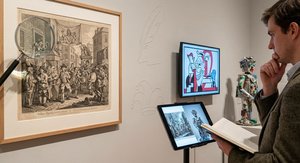
The Sharpest Wit: A Critical Exploration of Satire in Art History – From Hogarth to Contemporary Critique
Explore the history of satire in art! From Hogarth's London to contemporary critique, discover how artists use wit & visual power to reflect and challenge society. Expert insights at ArtsDot.

Berlin Staatliche Müzesi'nin En İkonik 25 Eseri: Sanat ve Tarih Yolculuğu
Berlin Staatliche Müzesi'nin en ikonik 25 eserini keşfedin! Nefertiti büstünden Pergamon Sunağı’na, Alman sanatının ve dünya tarihinin büyüleyici hikayelerini okuyun. Ev dekorasyonunuz için ilham alın ve ArtsDot.com'da benzersiz sanat baskılarını inceleyin.
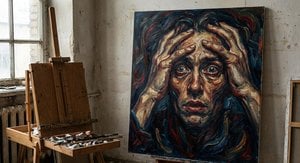
Figurative Expressionism: Emotional Intensity & Subjective Reality in 20th-Century Art
Explore the powerful world of Figurative Expressionism with ArtsDot. Discover key artists like Kirchner & Beckmann, understand its emotional depth, and learn how to collect this influential 20th-century art movement.

Dramatic Masterpieces: 10 Artworks for a Powerful Home Decor Statement |
Explore 10 dramatic artworks by masters like Caravaggio, Van Gogh & Munch. Uncover the stories behind these powerful paintings and find museum-quality reproductions to transform your home decor. Discover all masterpieces on .


